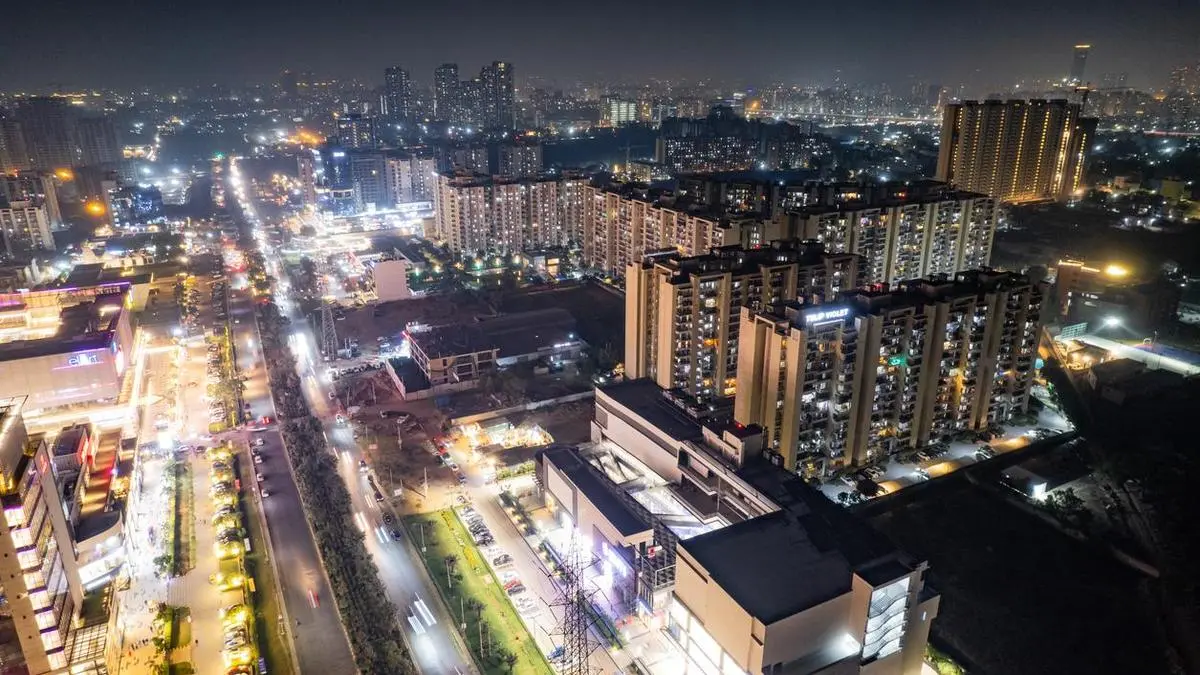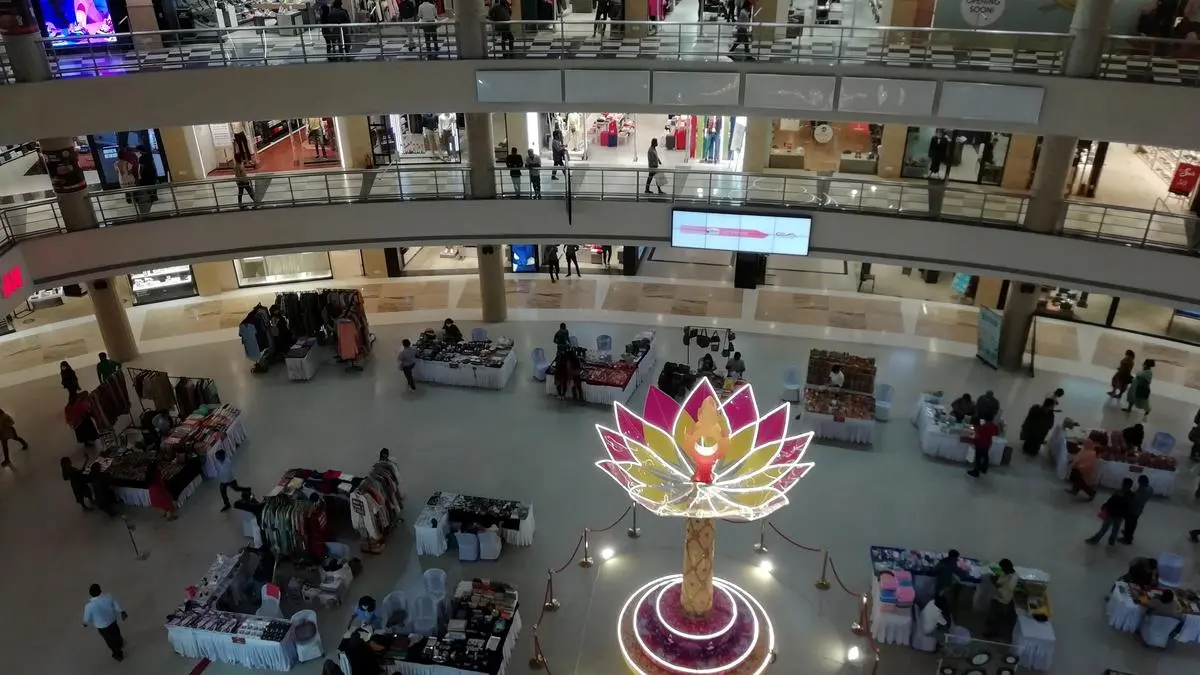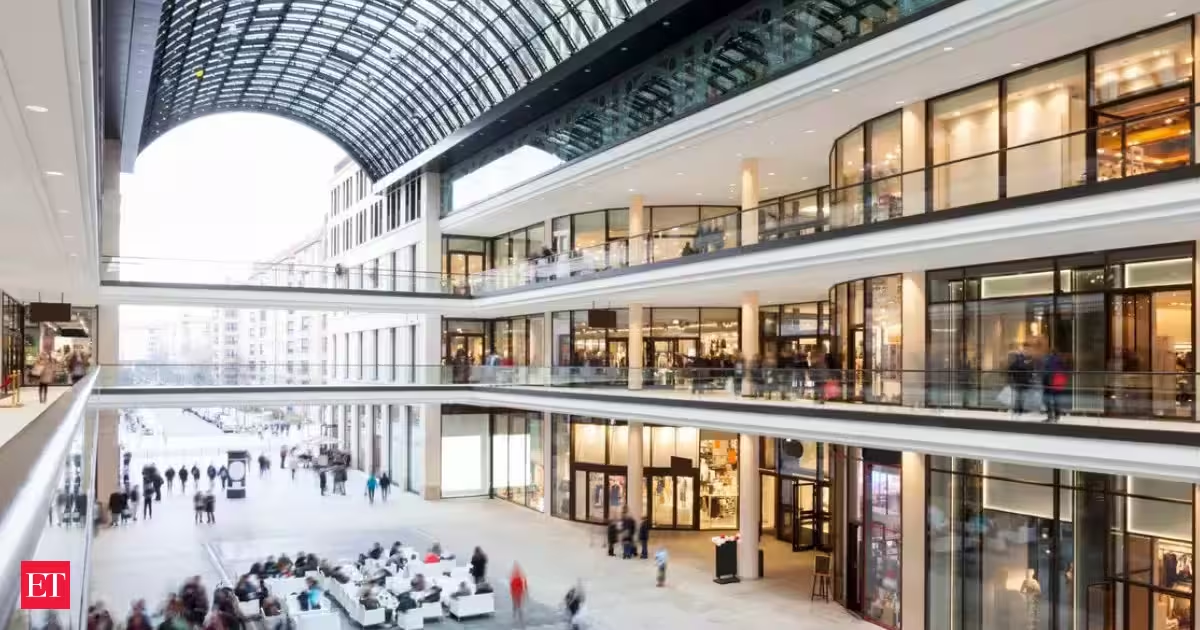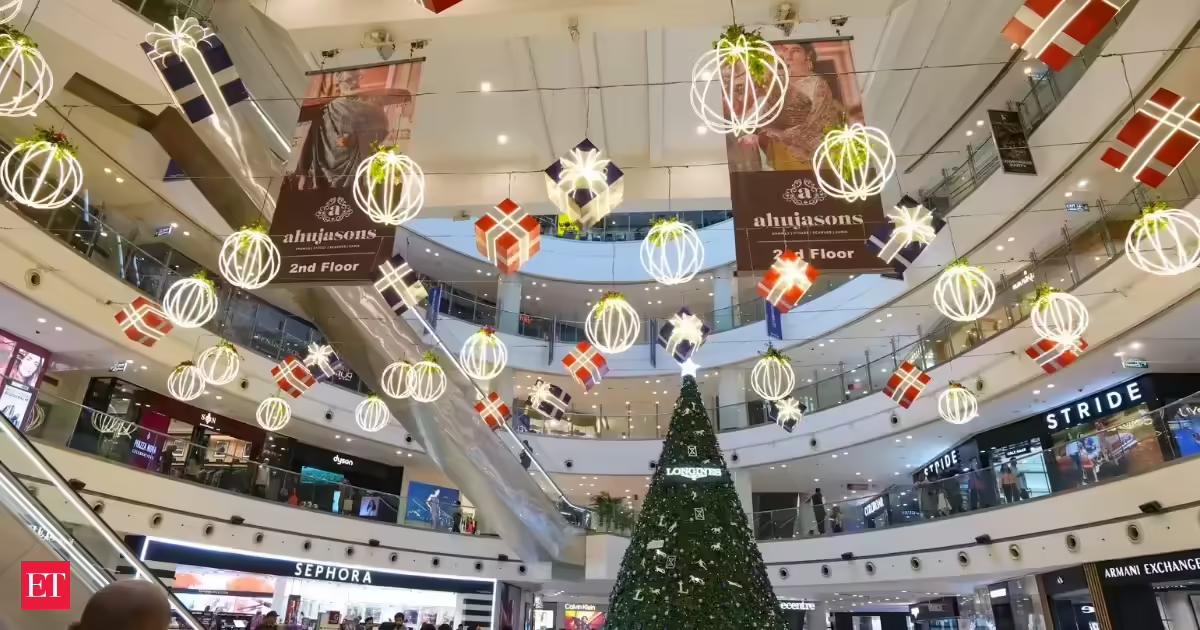
SynopsisRetail leasing demand in India's top cities significantly exceeds new Grade A mall supply. This persistent imbalance has driven vacancy rates to their lowest levels since 2010. New mall completions have sharply declined, further widening the demand-supply gap. Retailers are now competing intensely for high-quality, well-located retail spaces. Future retail growth will focus on institutional developments and experience-led formats.PTIIndia's Grade A mall space crunch deepens as retail demand outpaces supplyNew Delhi: Retail leasing has outpaced new Grade A mall completions across India's top seven cities as retailers continue to chase high-quality locations.India is witnessing a chronic shortfall in Grade A mall space supply. According to Anarock data, the top seven cities recorded gross leasing of approximately 4.1 million sq. ft. of Grade A mall space in H1 2026, against just 0.9 million sq. ft. of new completions."The supply problem is cumulative and escalating. Data from India's top seven cities over the past 16 years show a persistent mismatch between Grade A retail supply and leasing demand. While new mall completions fluctuated sharply from year to year, leasing demand steadily absorbed available Grade A space, pushing vacancy rates lower," said Anuj Kejriwal, CEO – Retail and CEO – Europe, Middle East & Africa, ANAROCK Group.In 2023, the top seven cities added 5.3 million sq. ft. of new Grade A retail supply against gross leasing of 6.5 million sq. ft. In 2024, new supply fell sharply to just 1.1 million sq. ft., while leasing remained at 6.5 million sq. ft.—almost six times the newly added space."While new mall supply partially recovered in 2025 with 5.2 million sq. ft. of new completions, leasing surged to a record 13 million sq. ft.," Kejriwal said.H1 2026 data indicate a further widening of the structural demand-supply imbalance as geopolitical uncertainty delayed mall deliveries and expansion decisions."The widening gap between demand and Grade A retail supply reflects a much larger structural shift in India's consumption economy. As organised retail penetration continues to rise and premium domestic and global brands accelerate their expansion, the conversation is no longer about whether demand exists; it is about how quickly quality retail infrastructure can be created to support it," said Shriram PM Monga, Co-founder of SRED Global.With vacancy levels compressing to just 6.7%, retailers are increasingly competing for a limited pool of high-performing assets, placing greater emphasis on location strategy, asset productivity and customer experience."Going forward, we expect the next cycle of retail growth to be driven by institutional-grade developments, mixed-use destinations and experience-led formats that deliver stronger consumer engagement rather than merely adding more retail space. Developers who can bring quality assets to market in the right locations will be best positioned to capture this long-term opportunity," Monga said.Both leasing and new supply moderated from the exceptionally strong levels seen in 2025. Leasing declined by around 24% year-on-year, while new completions fell by approximately 57%. Geopolitical uncertainty in the first half of the year also prompted some retailers to defer expansion decisions."The availability of suitable land is itself a constraint in established urban markets, while rising land costs can make new projects difficult to structure. Approval timelines, financing conditions and construction schedules can further delay project delivery. 2024 demonstrated how quickly supply pipelines can be disrupted—new Grade A completions fell to just 1.1 million sq. ft. that year despite robust leasing demand," Kejriwal said.The tightening demand-supply equation is evident in vacancy levels over the past 16 years. Vacancy has fallen to 6.7% in H1 2026, the lowest level since 2010. Before the pandemic, Grade A mall vacancy peaked at 21.5% in 2011. In the post-pandemic period, it was highest at 15.5% in 2021.Grade B and Grade C assets across the major cities continue to report substantially higher vacancy rates, ranging from around 8% to as much as 35%.Read More News on...moreless
Top retailers battle for premium mall space as supply lags demand
Retail leasing demand in India's top cities significantly exceeds new Grade A mall supply. This persistent imbalance has driven vacancy rates to their lowest levels since 2010. New mall completions have sharply declined, further widening the demand-supply gap. Retailers are now competing intensely for high-quality, well-located retail spaces. Future retail growth will focus on institutional developments and experience-led formats.
631 words~3 min read