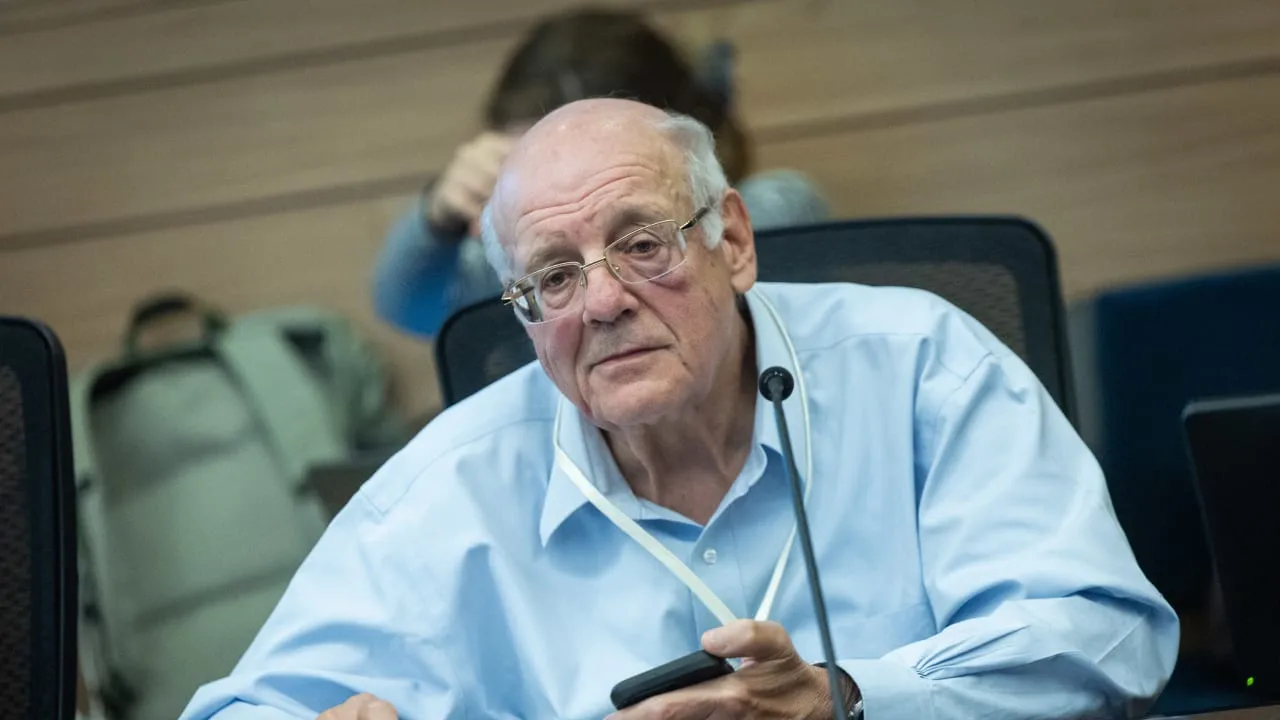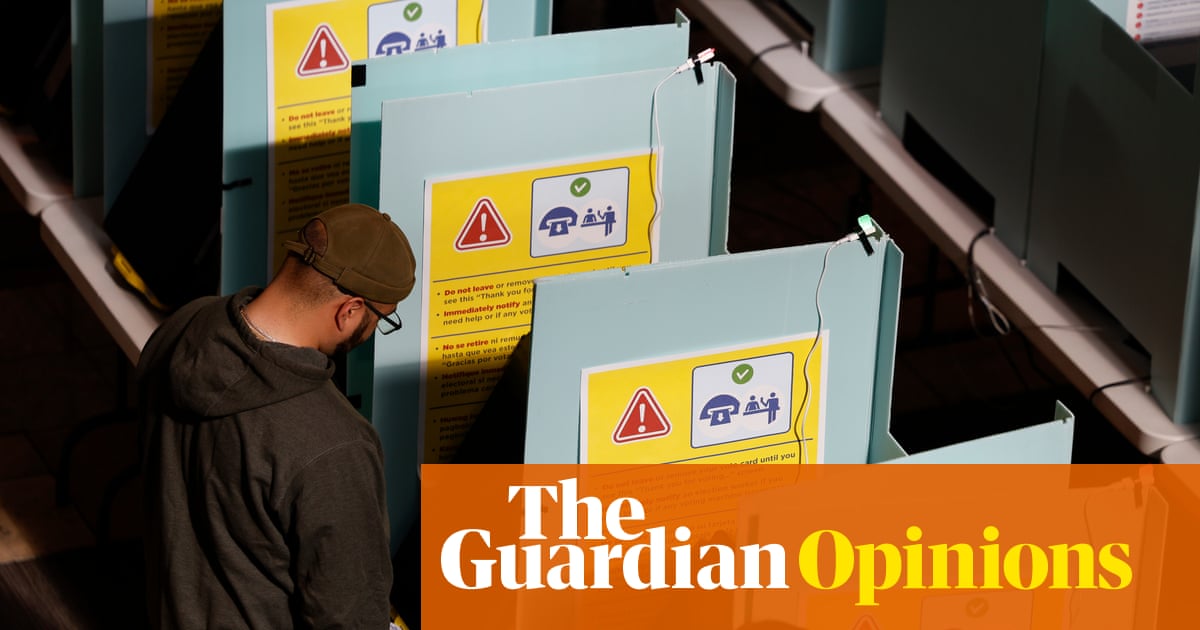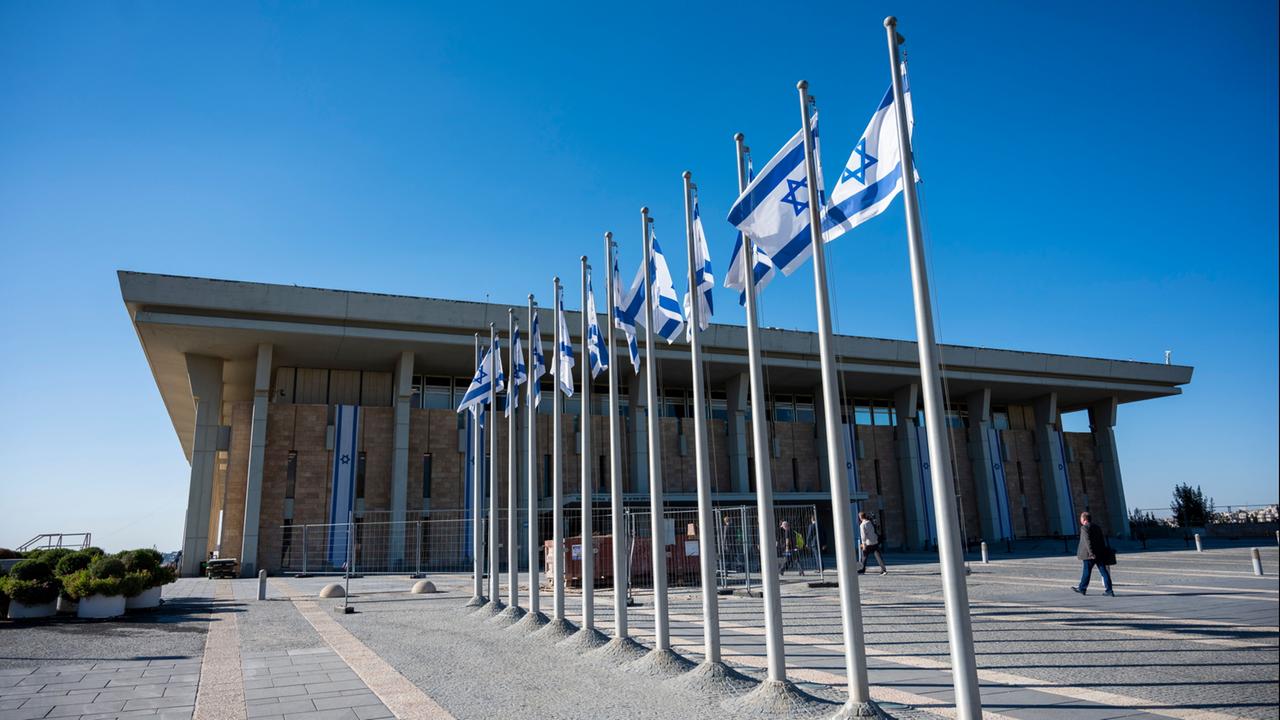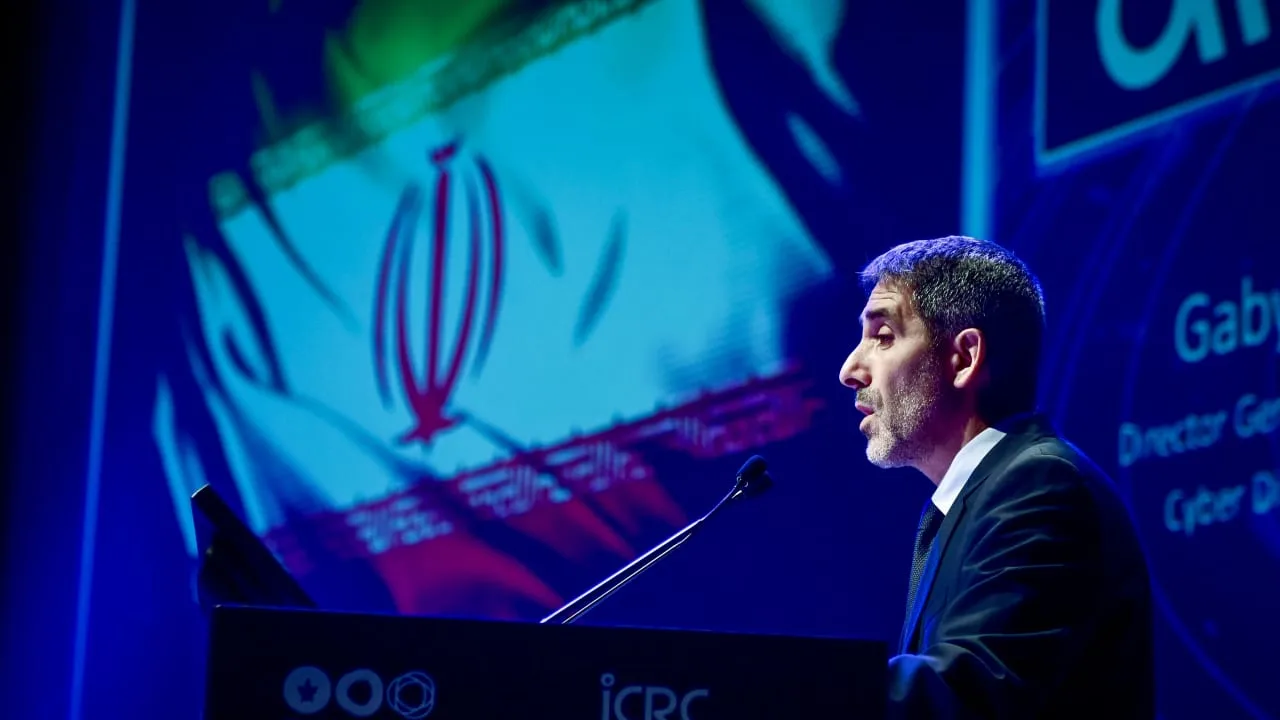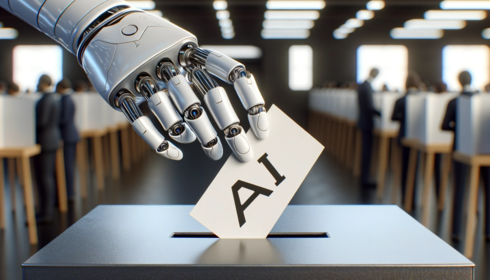
A new parliamentary study warns that generative AI can cheaply create thousands of fake accounts, personalized disinformation and convincing deepfakes, while Israel still lacks a unified national strategy to protect electionsA comprehensive study by the Knesset Research and Information Center warns that Israel is entering the coming election period without adequate defenses against AI-powered political manipulation.The study, written by Roi Goldschmidt and Dr. Yael Levy Ariel, finds that generative artificial intelligence has transformed political influence operations from an expensive, resource-intensive enterprise into something cheap, automated and widely accessible.GalleryIsrael is unprepared for AI-era elections In the past, attempts to shape public opinion required large budgets and organized troll farms. Today, an open-source language model can generate thousands of fake accounts that write fluent Hebrew, argue on social media like real people and distribute personalized false information to individual users.What began in the previous decade as basic spam bots has evolved into sophisticated chatbots powered by large language models such as those developed by OpenAI, Google and X.Recent academic research cited in the study suggests that a brief and persuasive conversation with a chatbot can influence voters’ political views more effectively than a traditional television advertisement.The danger is not limited to fabricated video and audio, commonly known as deepfakes.The report also highlights the threat of data poisoning. As AI models rely on information available online, foreign and domestic actors can feed them manipulative claims, which the systems may then reproduce repeatedly under the appearance of objective fact.Israel is attempting to confront these threats using a campaign law dating back to 1959, while other Western countries increasingly recognize that technology is advancing far faster than legislation.The European Union has adopted the AI Act and the Digital Services Act, imposing strict transparency and labeling requirements on synthetic content and requiring major platforms to manage systemic risks.Social media. Influencing public discourse has never been easier (Photo: Getty Images)European restrictions on political targeting have also led companies including Meta and Google to announce that they would stop running political advertising in the EU altogether.In the United States, federal legislation has lagged behind, partly because of First Amendment protections for freedom of speech.Responsibility has therefore shifted to individual states. Dozens, including New York, California, Minnesota and Maryland, have passed laws either banning political deepfakes near elections or requiring clear disclosure.China has also enlisted its highly centralized regulatory system to prevent unauthorized online manipulation while tightening government supervision of content platforms, although competitive national elections are far less common there.The threats are not theoretical.In recent years, AI has already been misused in political campaigns around the world.Examples include an AI-generated voice clone of the U.S. president used in automated calls urging New Hampshire voters to stay home, deepfake videos falsely showing candidates in Ireland and Germany announcing their withdrawal, and the annulment of election results in Romania following an alleged foreign interference campaign on social media, reportedly backed by the Kremlin.At the same time, AI is contributing to a broader erosion of public trust and growing uncertainty over what is real.The study describes this phenomenon as the “liar’s dividend,” which allows politicians caught in authentic recordings or videos to dismiss genuine evidence as AI-generated fabrication.In Israel, responsibility for combating malicious political influence is divided among the Central Elections Committee, the Shin Bet, Israel Police, the State Attorney’s Cyber Unit and the Israel National Cyber Directorate.The report says this fragmentation has left the country without a comprehensive national strategy.A new law that took effect Sunday requires all election propaganda created or substantially altered using artificial intelligence to carry clear and prominent labeling.The legislation, advanced by the Central Elections Committee, applies to visual or audio content created wholly or partly through digital means, as well as material edited in a way that substantially changes its meaning or presentation.But the report warns that labeling alone will not be enough.With foreign and domestic actors holding increasingly sophisticated tools for digital manipulation, Israeli democracy will need to do far more than hope algorithms preserve the integrity of the election.
Knesset warns Israel is unprepared for AI-era elections
A new parliamentary study warns that generative AI can cheaply create thousands of fake accounts, personalized disinformation and convincing deepfakes, while Israel still lacks a unified national strategy to protect elections
TL;DRAI
Knesset study finds AI enables cheap creation of fake accounts, disinformation and deepfakes—Israel lacks unified defenses. Fragmented responsibility across five agencies leaves no strategy as EU passes AI Act and US states ban deepfakes.
666 words~3 min read