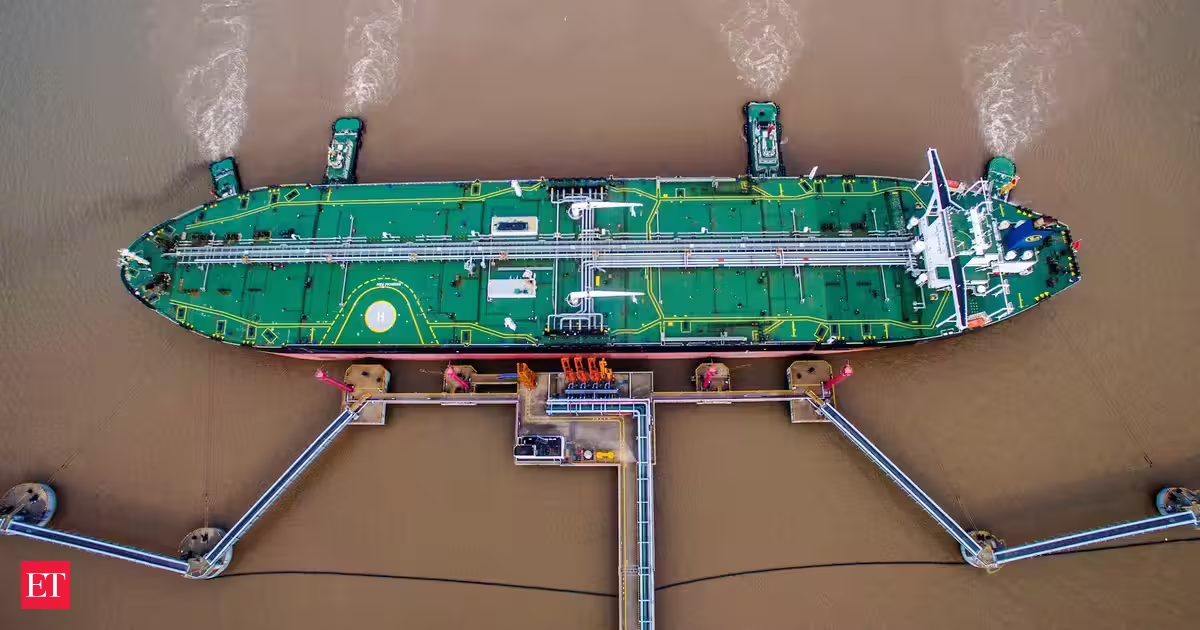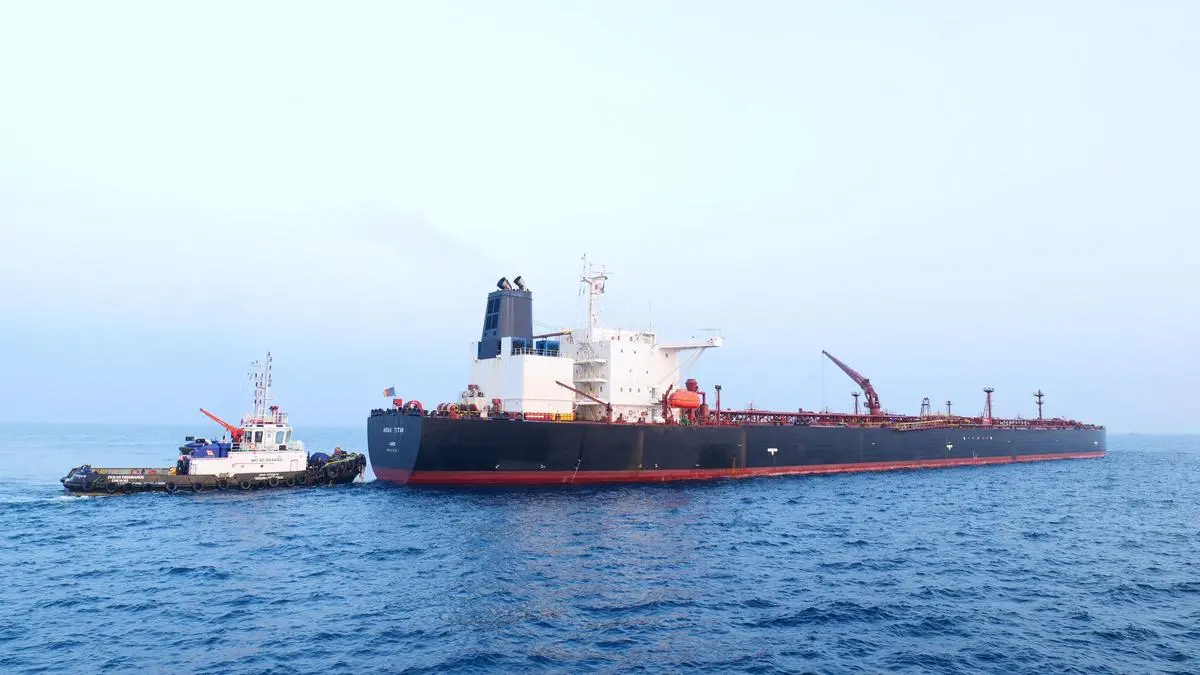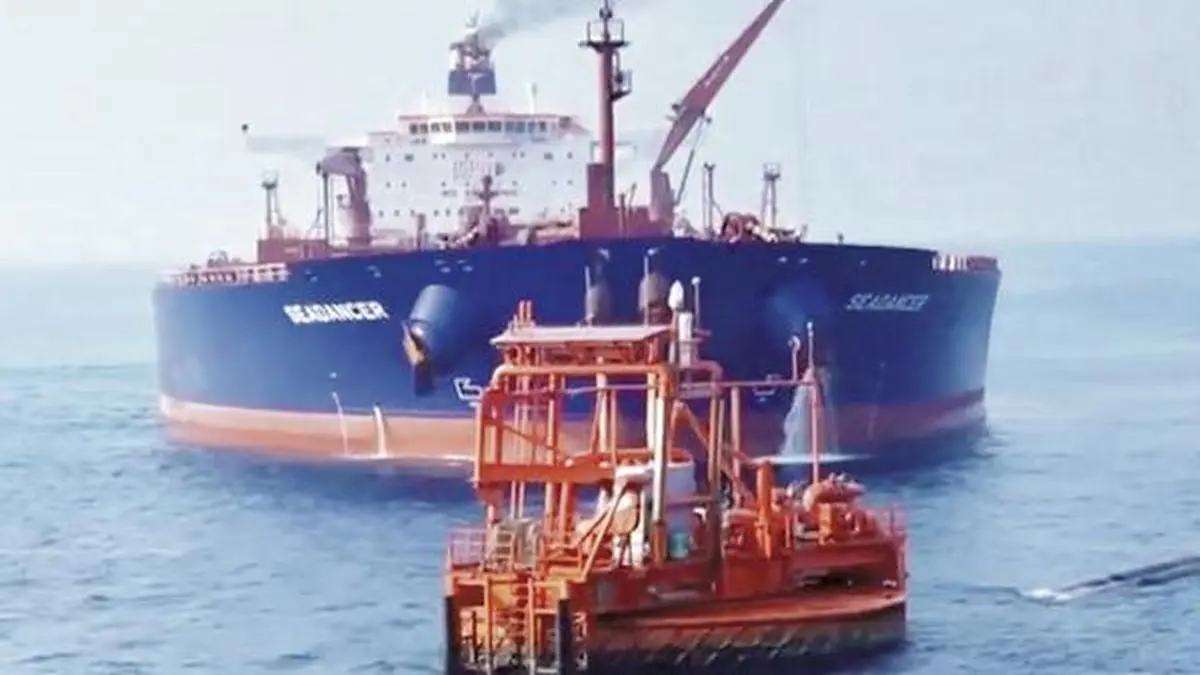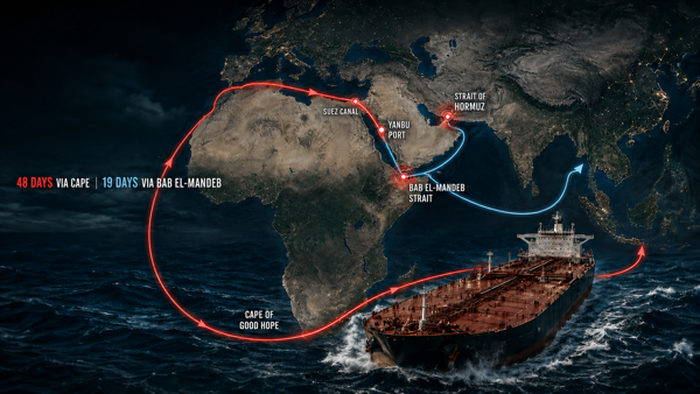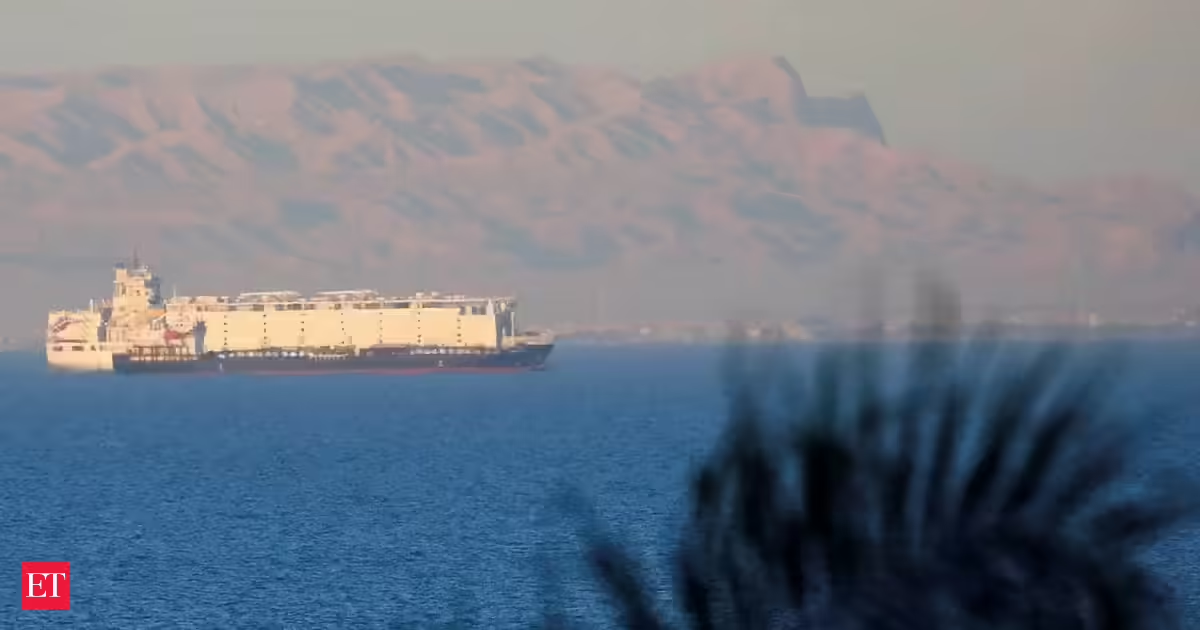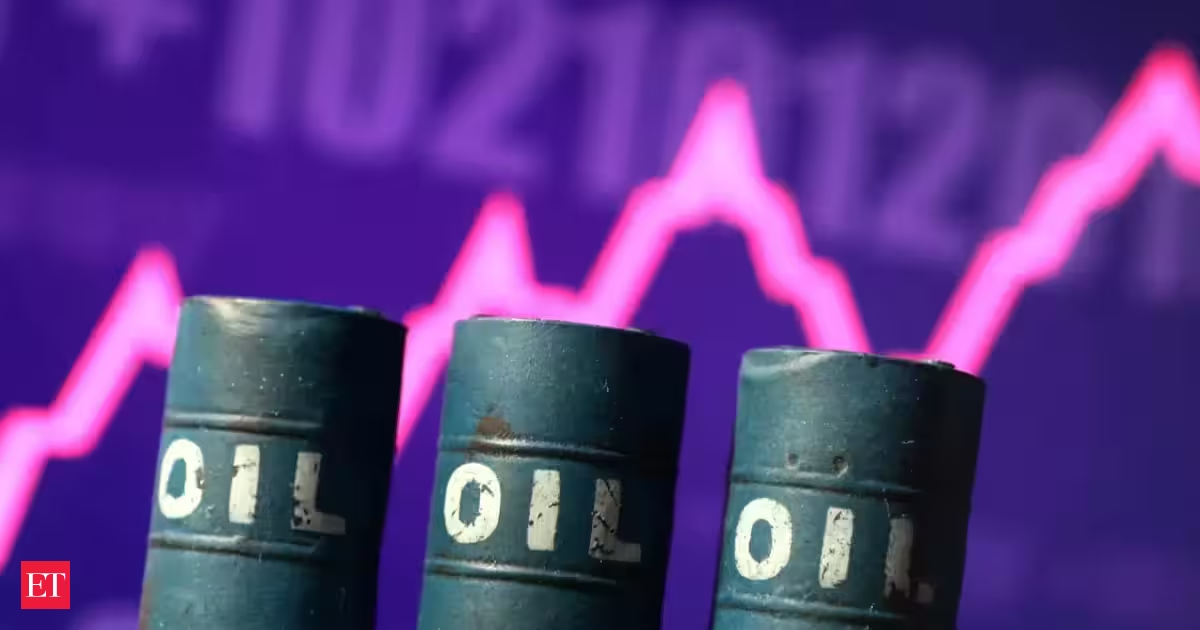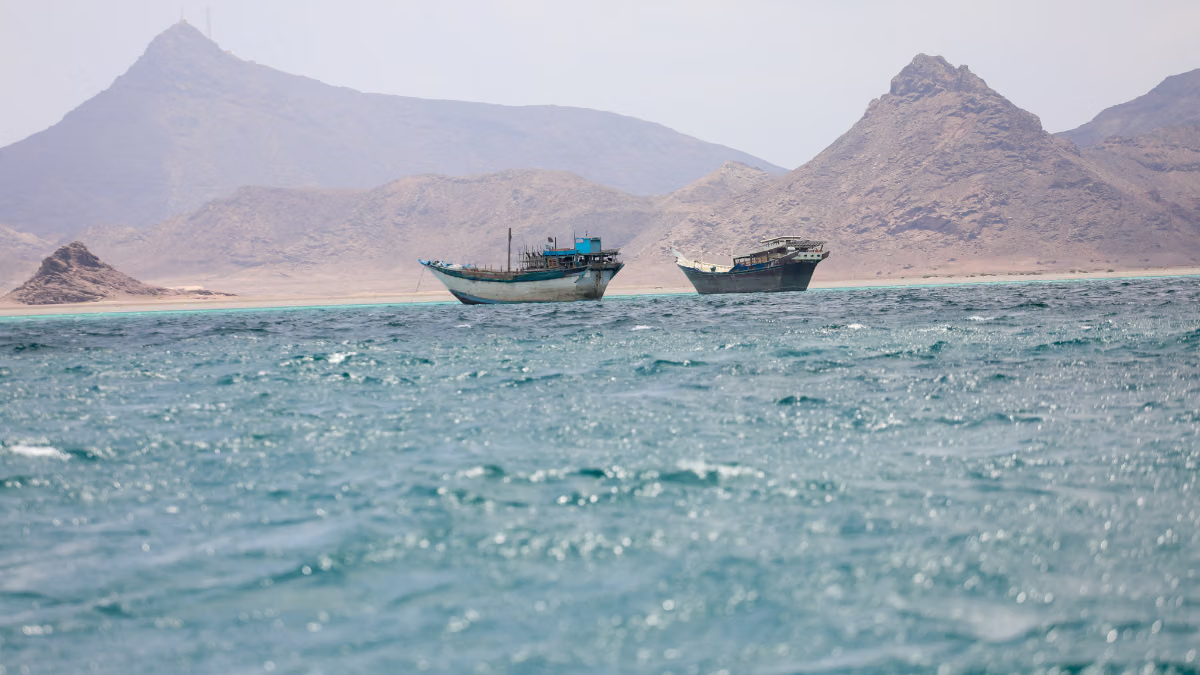
Escalating disruption across two of the world's busiest oil shipping routes has prompted Mangalore Refinery and Petrochemicals Ltd (MRPL) to alter the terms of its spot crude purchases, with the state-run refiner directing suppliers not to route cargoes through the Red Sea or the Strait of Hormuz.A tender issued by the company for the purchase of up to 1 million barrels of crude for delivery between August 25 and September 6 includes a new condition stating: "Crude loading/transit via Red Sea route or SoH to be avoided."The company had not awarded its previous spot tender for crude imports, according to Reuters.The inclusion of the clause marks the first time an Indian refiner has specified such a requirement in a spot crude import tender.New clause reflects supply concernsAccording to a source cited by Reuters, the refinery has adopted a "precautionary view" to minimise the risk of supply disruptions as tensions continue to affect shipping through the Red Sea and the Strait of Hormuz, two of the world's key maritime oil corridors.The source said the condition would remain part of future import tenders if the situation in the Middle East fails to improve.MRPL is a subsidiary of state-run Oil and Natural Gas Corp (ONGC) and operates a 300,000-barrels-per-day refinery in Karnataka.Shipping slows as attacks disrupt trade routesThe refinery's decision comes at a time when vessel movement through the Bab el-Mandeb strait has weakened sharply following attacks by the Tehran-aligned Houthis on Saudi oil installations along the Red Sea coast.Shipping data from Kpler showed that only 11 commodity vessels passed through the Bab el-Mandeb on Sunday, the lowest daily traffic recorded in months. The Houthis have disrupted Red Sea shipping off the coast of Yemen since last week in an effort to blockade Saudi exports, widening the impact of the US-Iran conflict, which has already constrained oil supply through the Strait of Hormuz.The disruption has also driven physical crude prices across the Middle East, Europe and Africa to their highest levels in two months.Of the vessels transiting the Bab el-Mandeb on Sunday, seven were oil tankers.Three entered the Red Sea, including two very large crude carriers (VLCCs) bound for Yanbu to load Saudi crude and one Russian-linked vessel. Four tankers exited the Red Sea, including the Hong Kong-flagged VLCC New Explorer carrying 2 million barrels of Saudi and Emirati crude to Ningbo in eastern China, a tanker transporting 1 million barrels of Russian crude to China, and another carrying around 750,000 barrels of Saudi crude destined for Pakistan.Meanwhile, the US-Iran conflict appears to be cooling down. US ambassador to the United Nations Mike Waltz told Fox News and other US media that Donald Trump had decided to pause US attacks to allow more time for diplomacy."Hopes are rising that a genuine diplomatic path may be opening," IG Markets analyst Tony Sycamore said in a note."A return to the 14-point MOU (memorandum of understanding) with a little more clarity around control of the Strait of Hormuz would be a solid starting point." Hopes of renewed peace in the region dragged oil prices 7% on Monday, with Brent crude falling below the $90 per barrel mark and WTI trading at $82 per barrel levels.
MRPL tells crude suppliers to avoid Red Sea, Strait of Hormuz in first-of-its-kind tender
Escalating disruption across two of the world's busiest oil shipping routes has prompted Mangalore Refinery and Petrochemicals Ltd (MRPL) to alter the terms of its spot crude purchases, with the state-run refiner directing suppliers not to route cargoes through the Red Sea or the Strait of Hormuz.
529 words~2 min read