CAIRO (AP) — Mediators have achieved progress in efforts to get the United States and Iran back to negotiations and avert an all-out war in the Middle East, two regional officials said Monday, with a pause in attacks coming after a period of rapidly escalating tensions.The comments came after neither the U.S. nor Iran reported carrying out any attacks for three straight days — a respite after about two weeks of sustained bombardments that had led to increasing fears of a return to all-out war.The two regional officials, who spoke on condition of anonymity to discuss the sensitive regional talks, said mediators led by Qatar and Pakistan were working to bridge the gap between Washington and Tehran to return to an interim ceasefire deal that had been largely undermined by recent exchanges of fire.
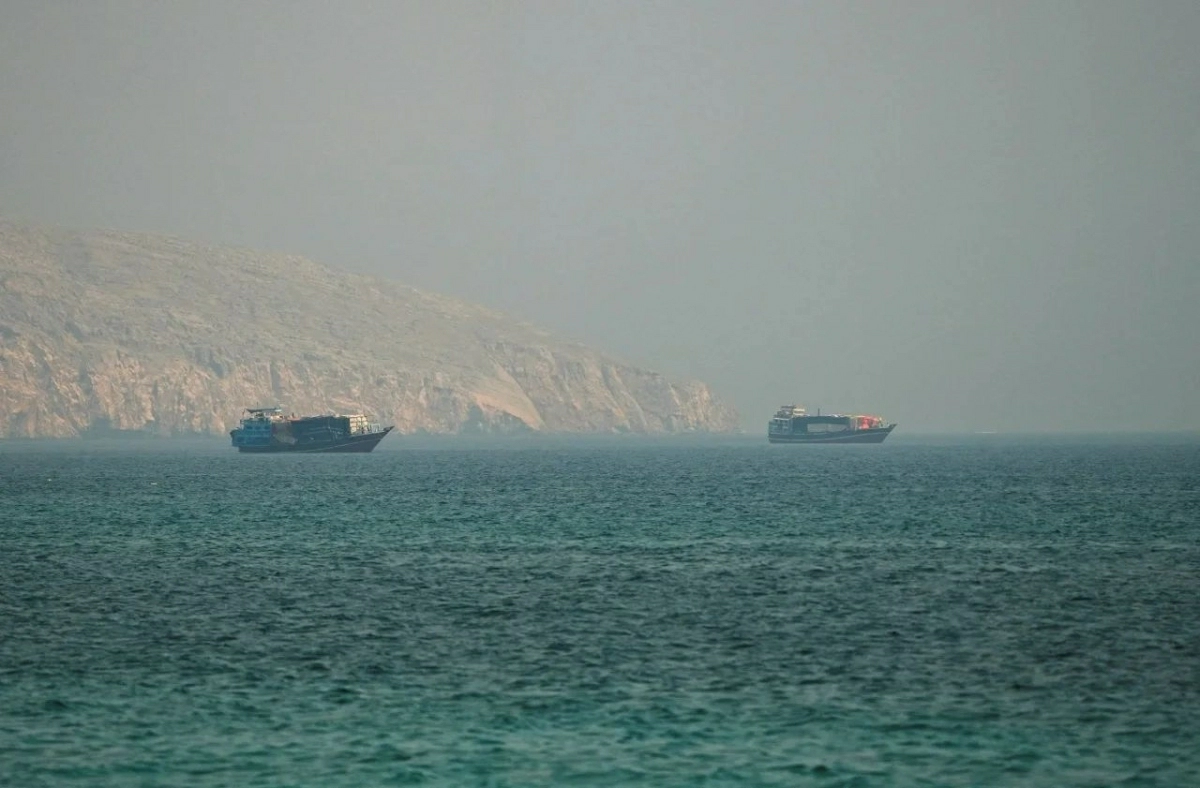
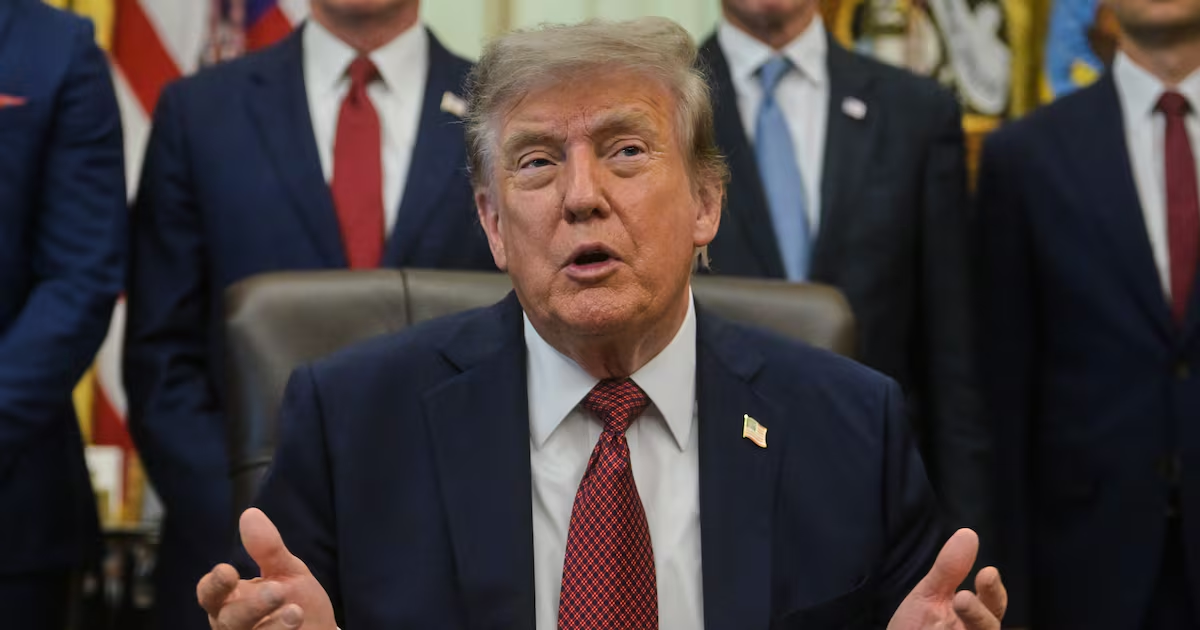
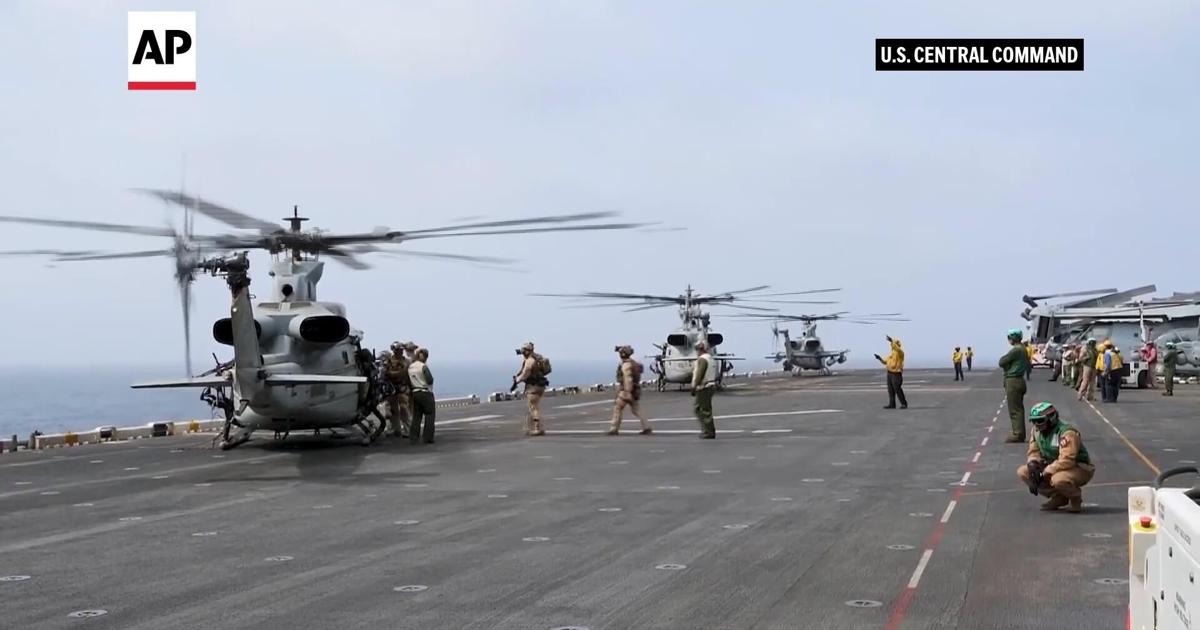
No strikes over weekendThe U.S. has paused attacks after targeting Iranian coastal areas and infrastructure in a nearly two-week escalation sparked by Iran’s firing at ships trying to transit the Strait of Hormuz, a crucial waterway for global oil shipments. The Pentagon did not respond to questions.U.S. President Donald Trump is “giving talks some space. He’s giving it a little bit of room,” Mike Waltz, the U.S. ambassador to the United Nations, told Fox News. “We’ve had both Oman and Iran, and a number of our other negotiators, engaged at every level, from the most senior levels all the way down to the technical level over the past few weeks, and particularly in the past few days.”Waltz dismissed the idea that the U.S. stockpile of interceptors crucial in defending against Iranian attacks is running low, but experts have questioned how long both the U.S. and Iran can afford to keep up attacks.Since the U.S. has halted attacks for the past two nights, Iran has as well, its army spokesperson told Iran’s state TV on Sunday. Tehran in recent days has counterattacked against countries in the region hosting U.S. military forces, killing at least three service members at a base in Jordan and one in Iraq.