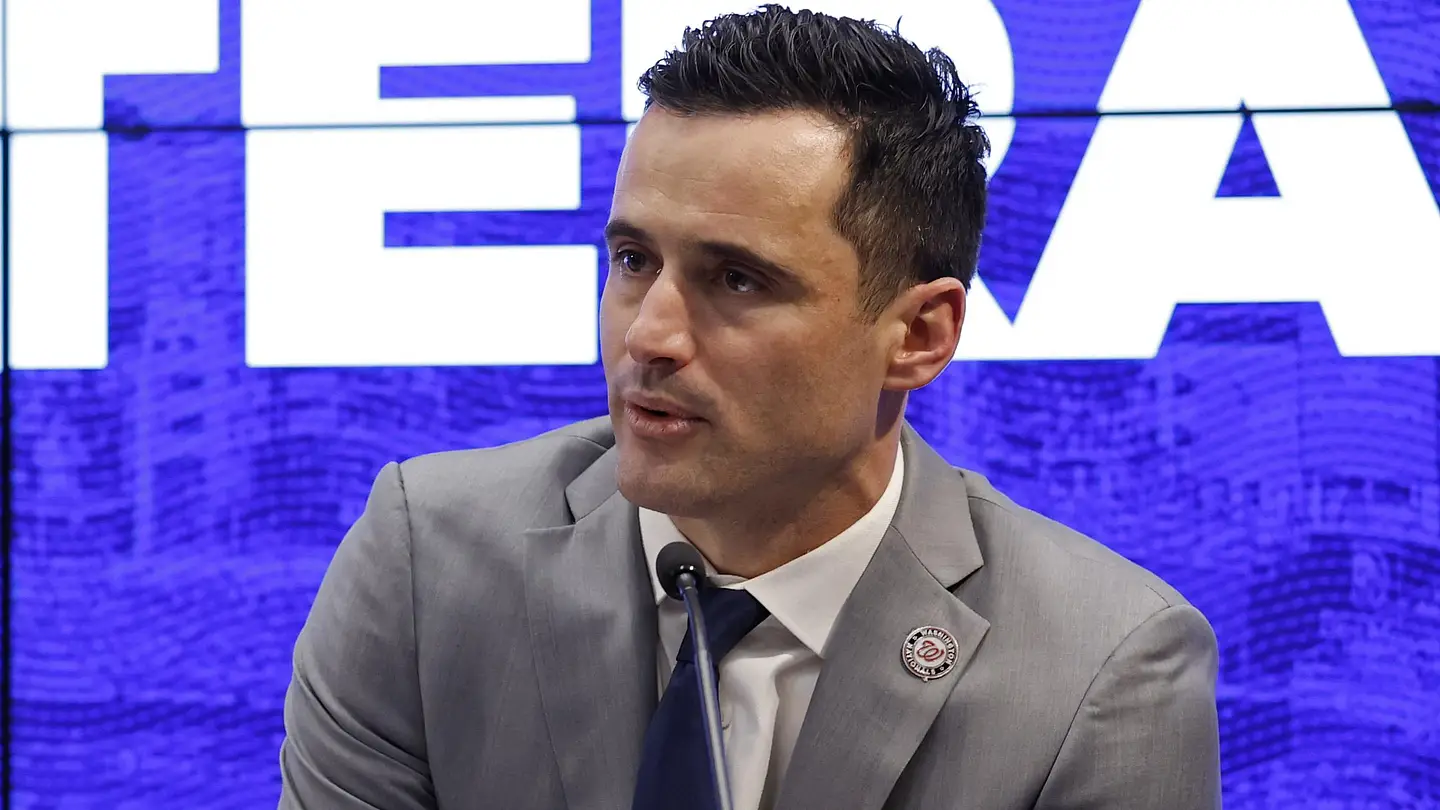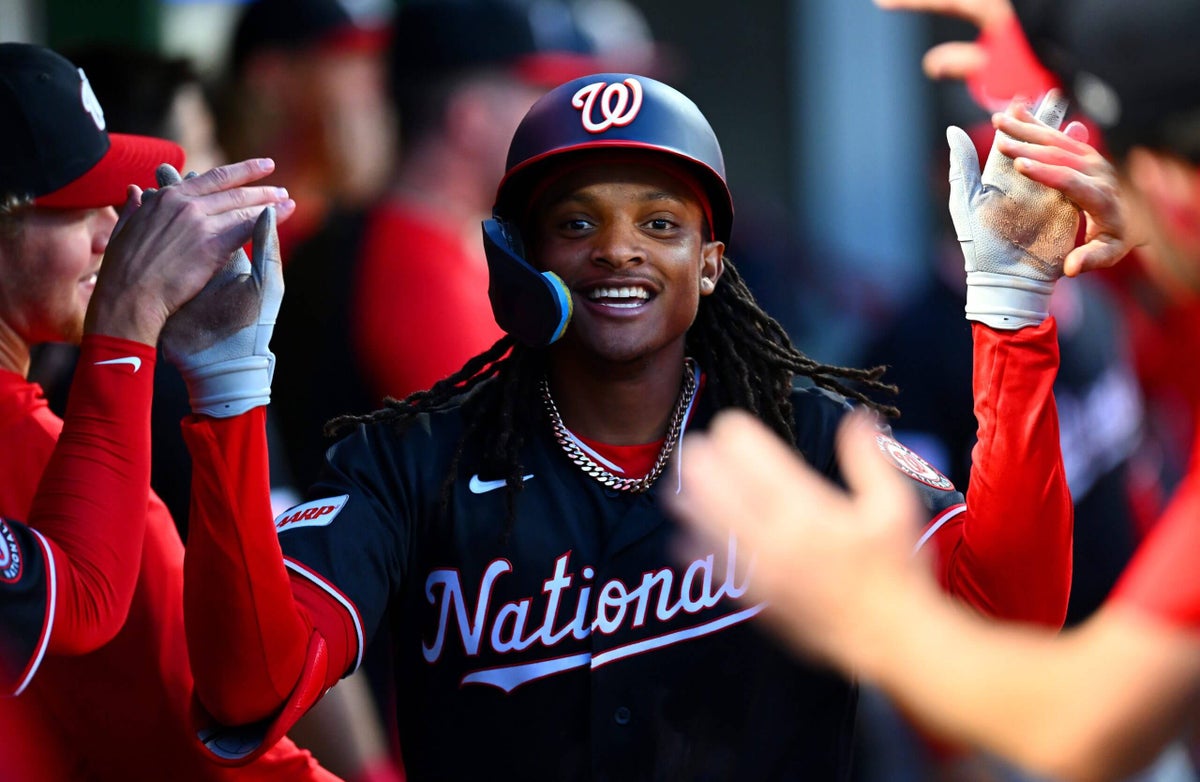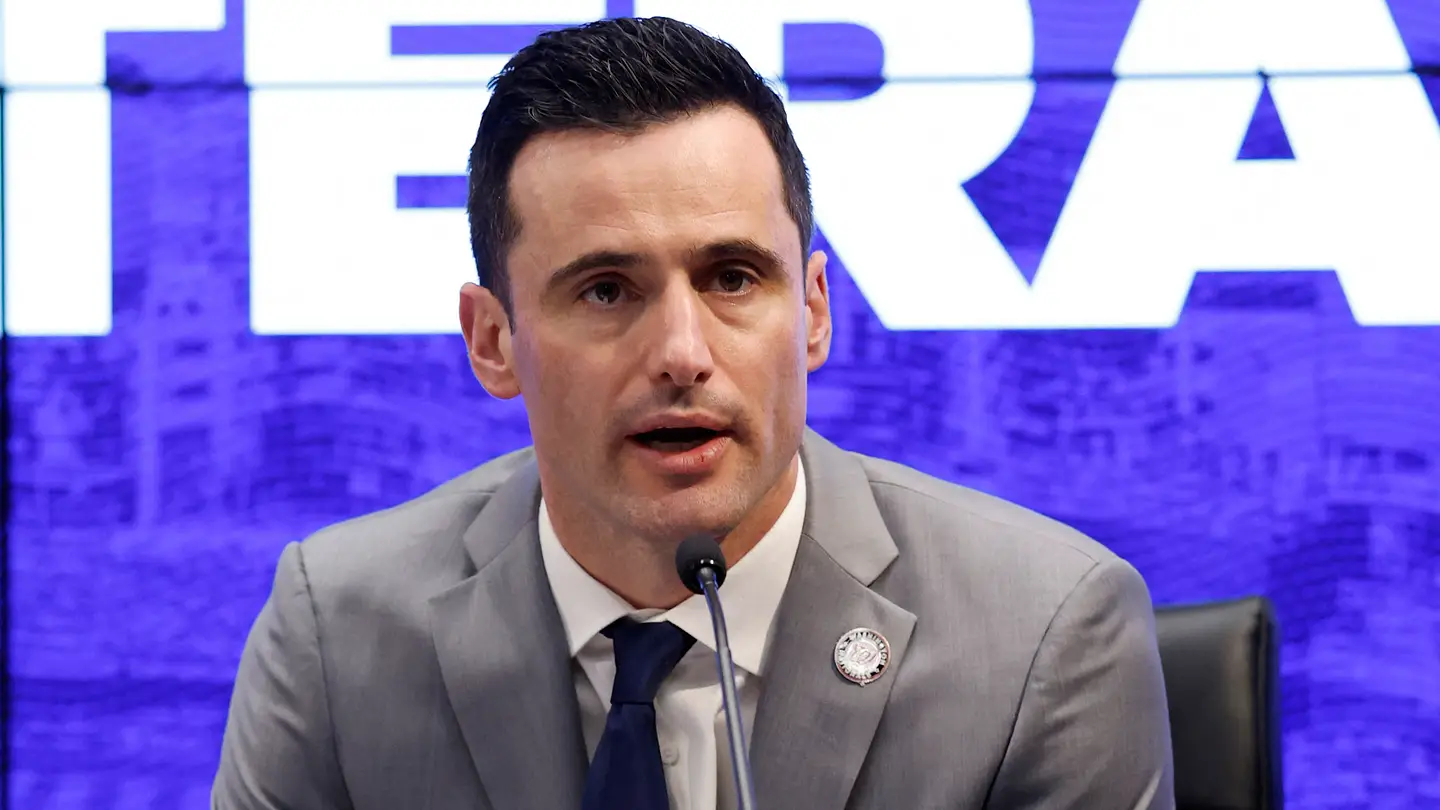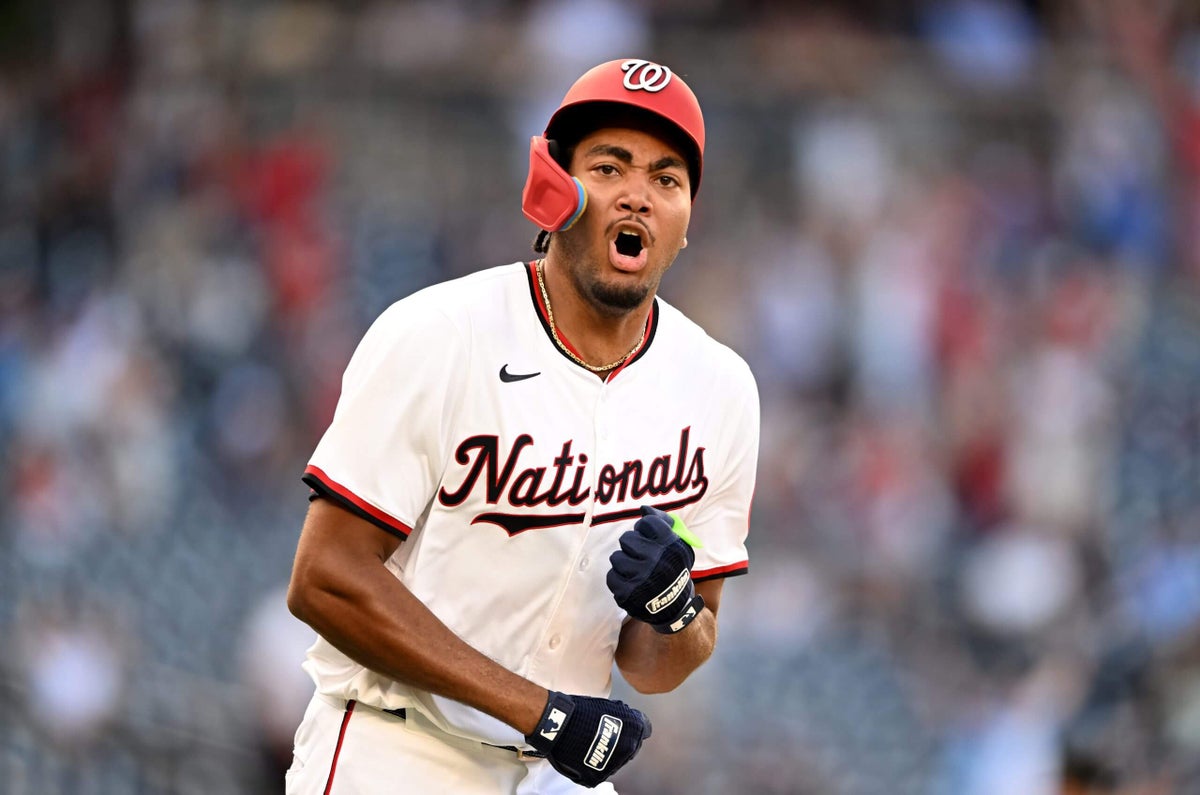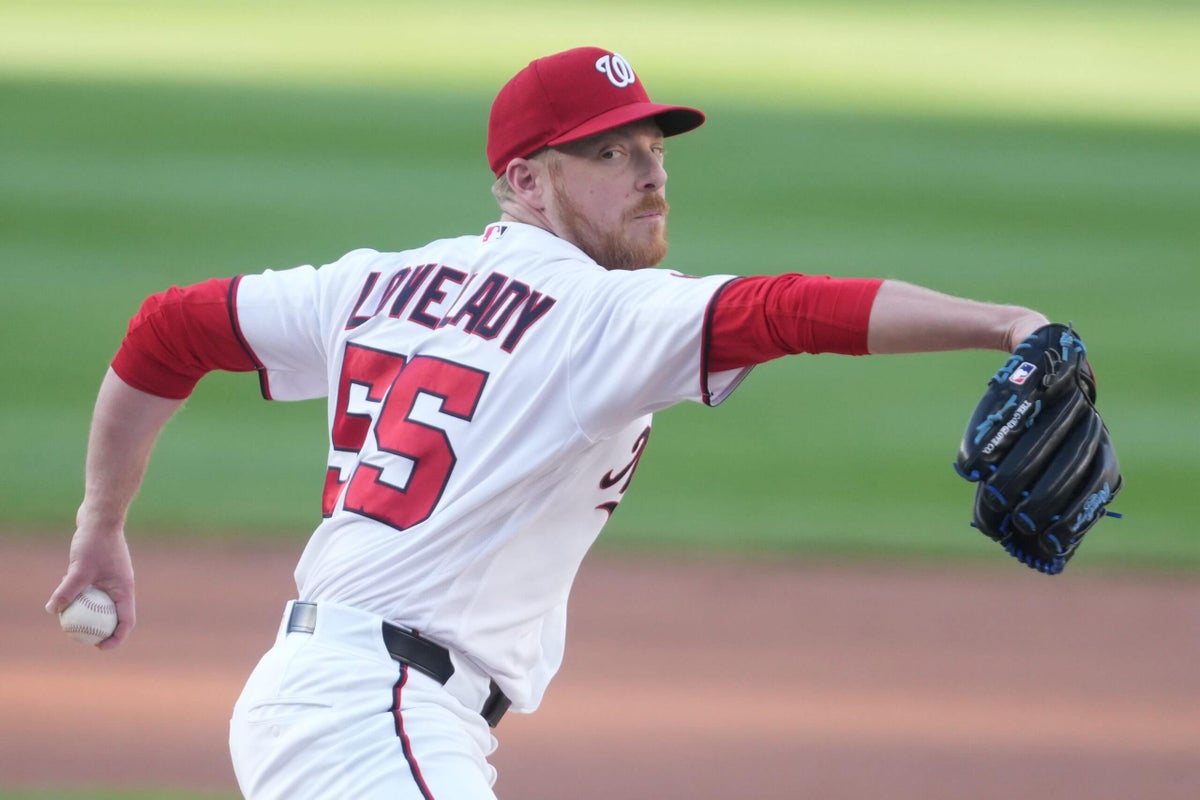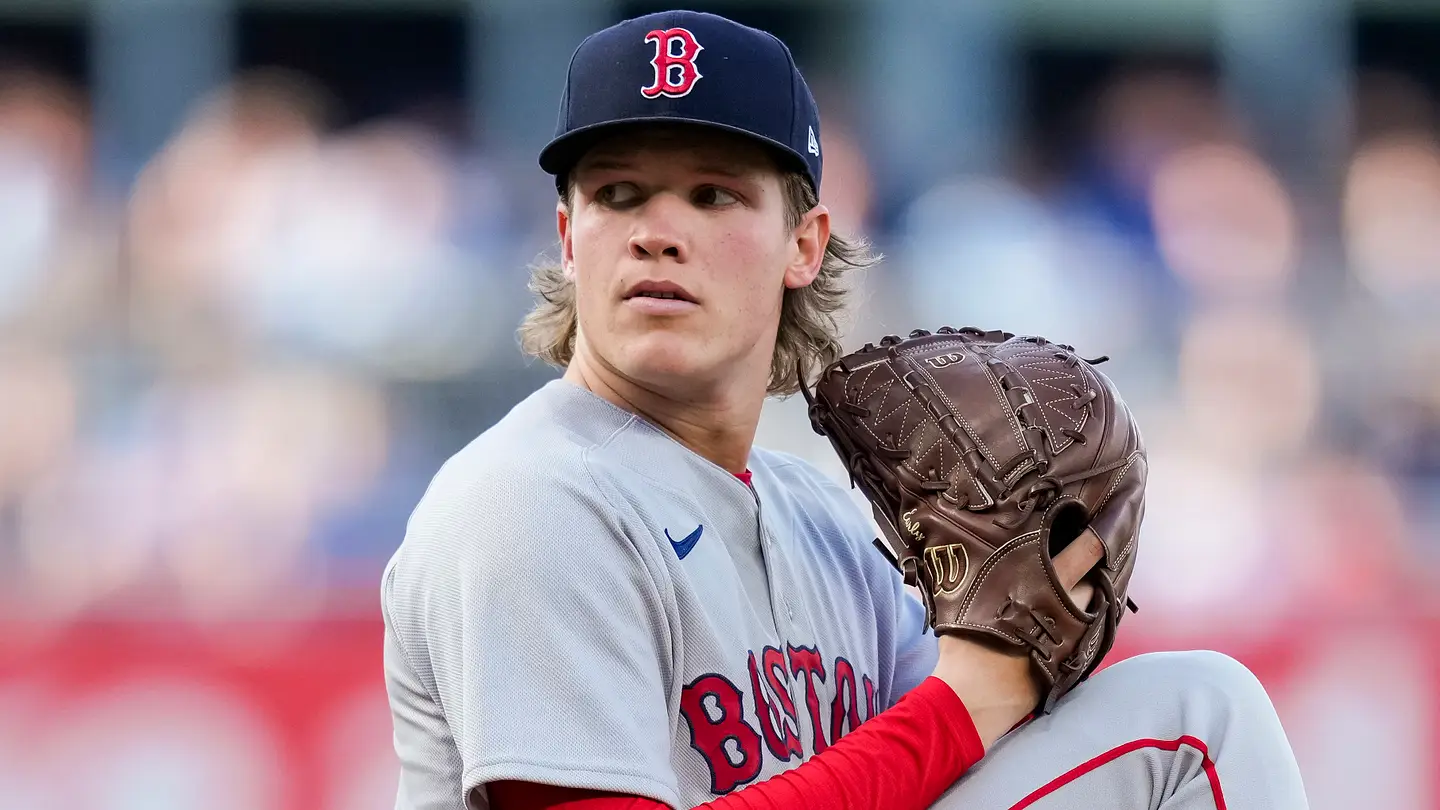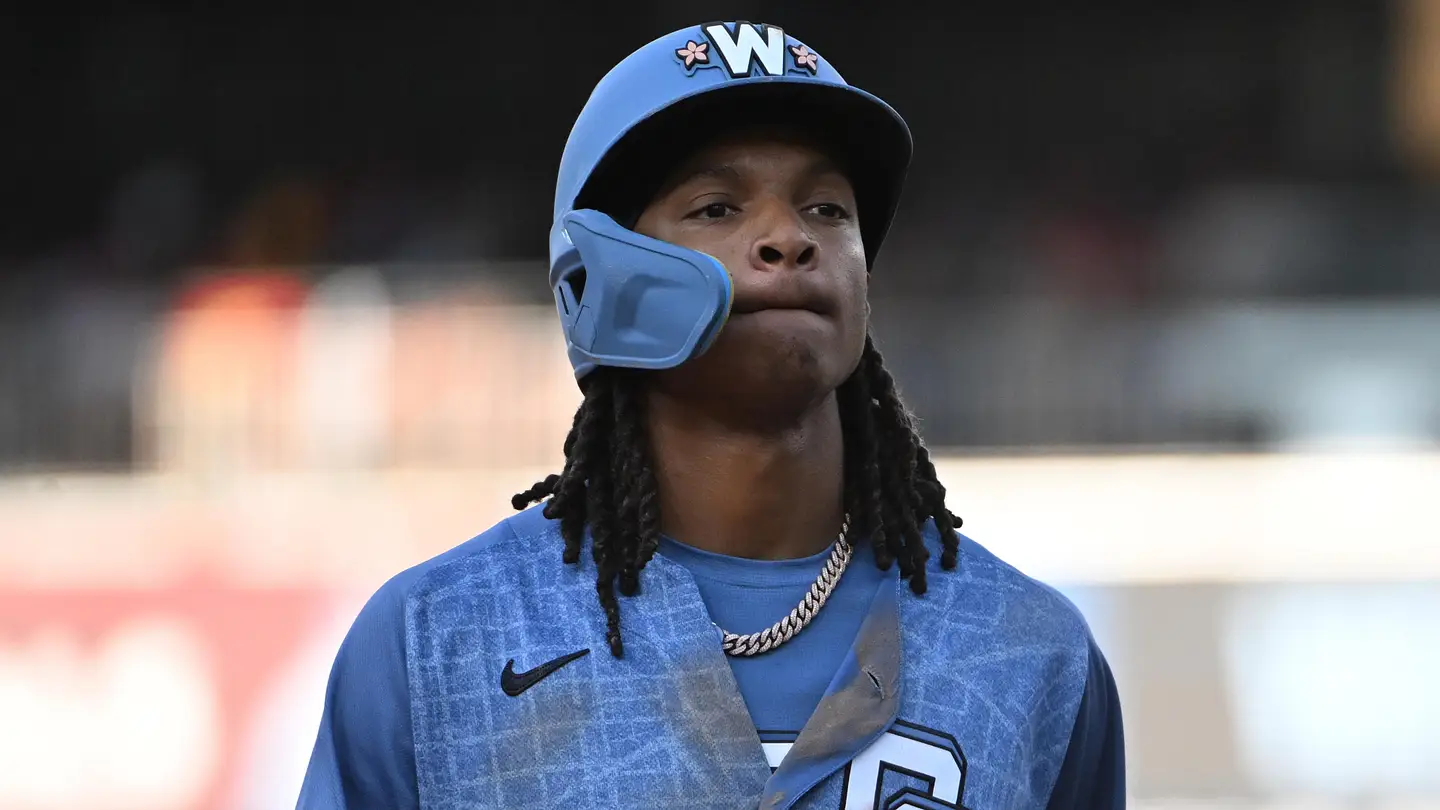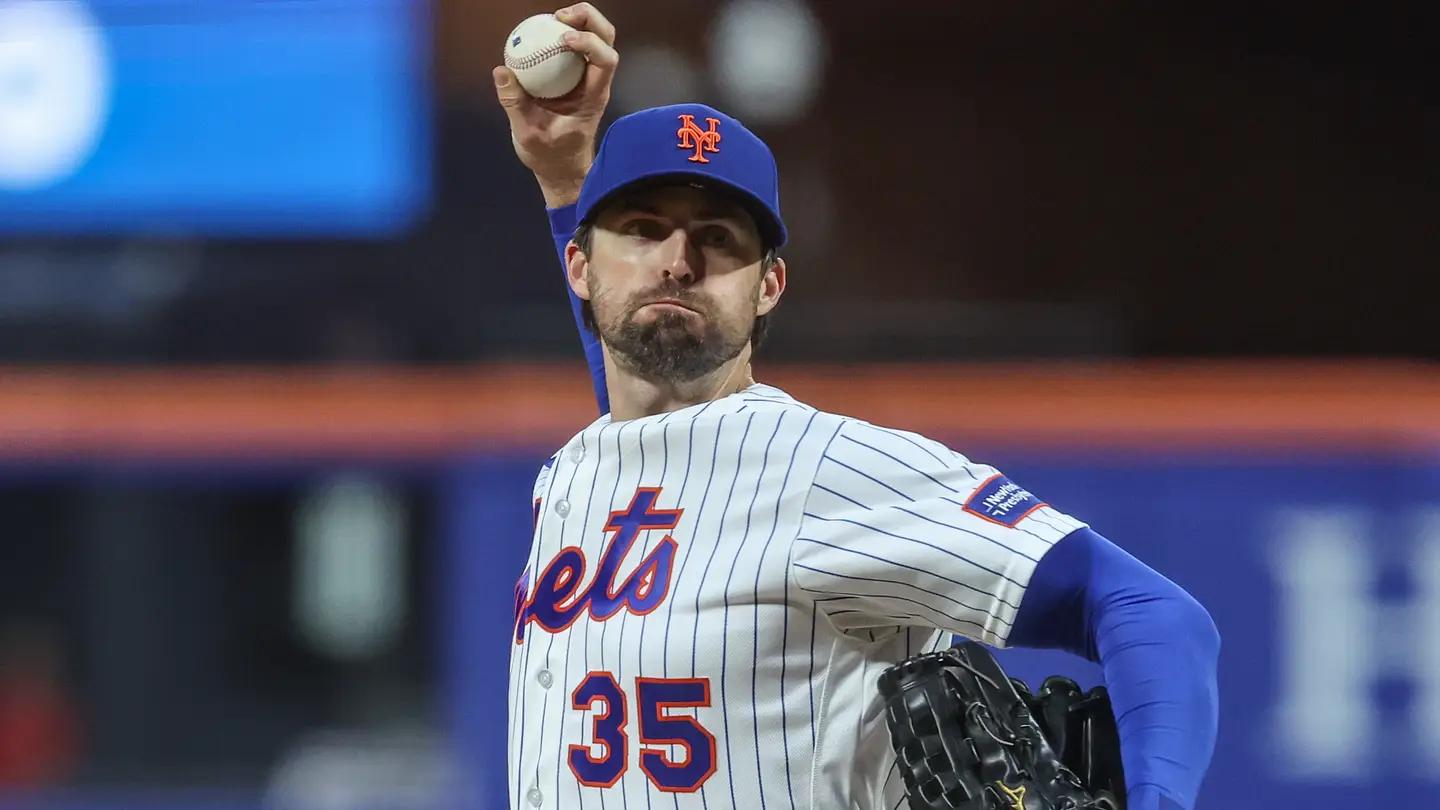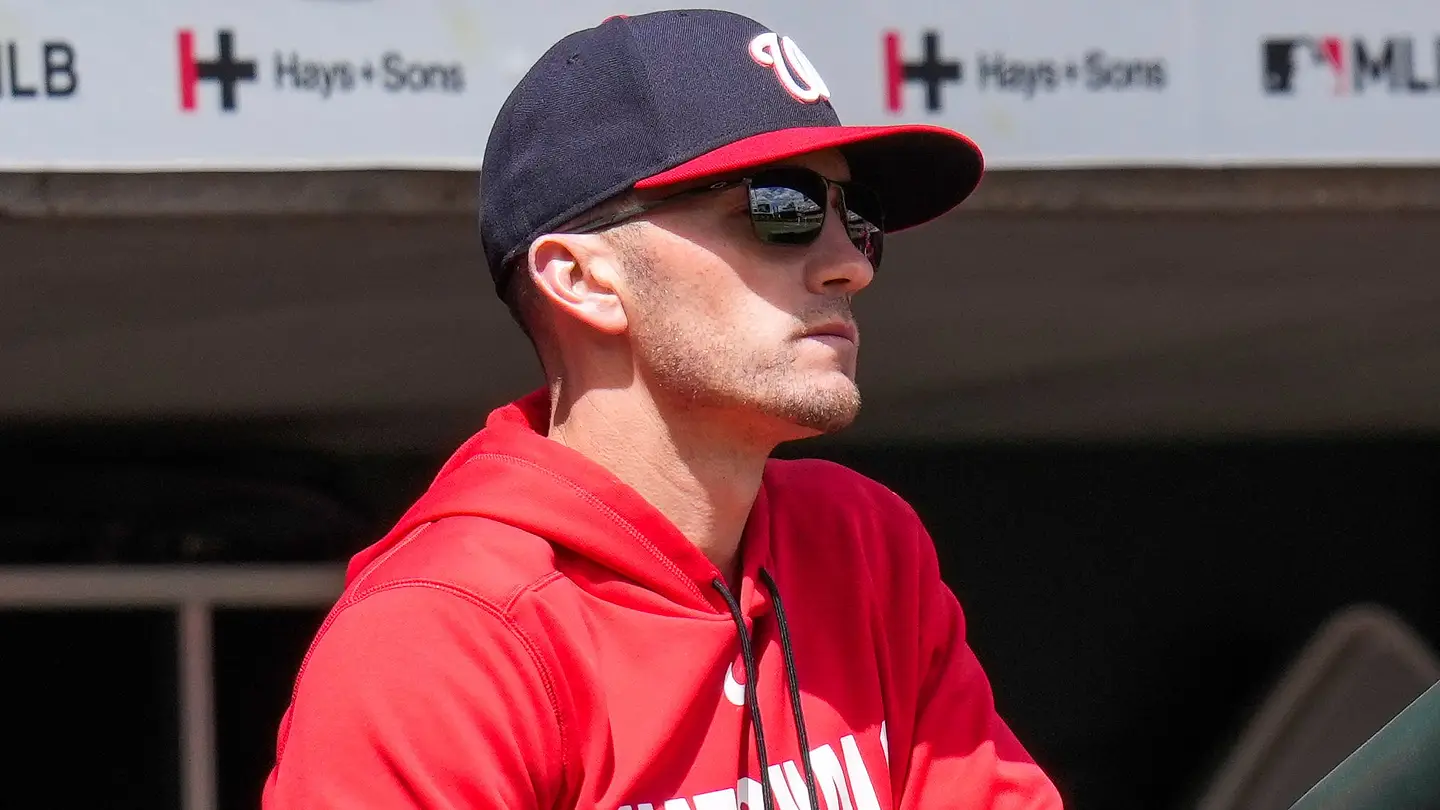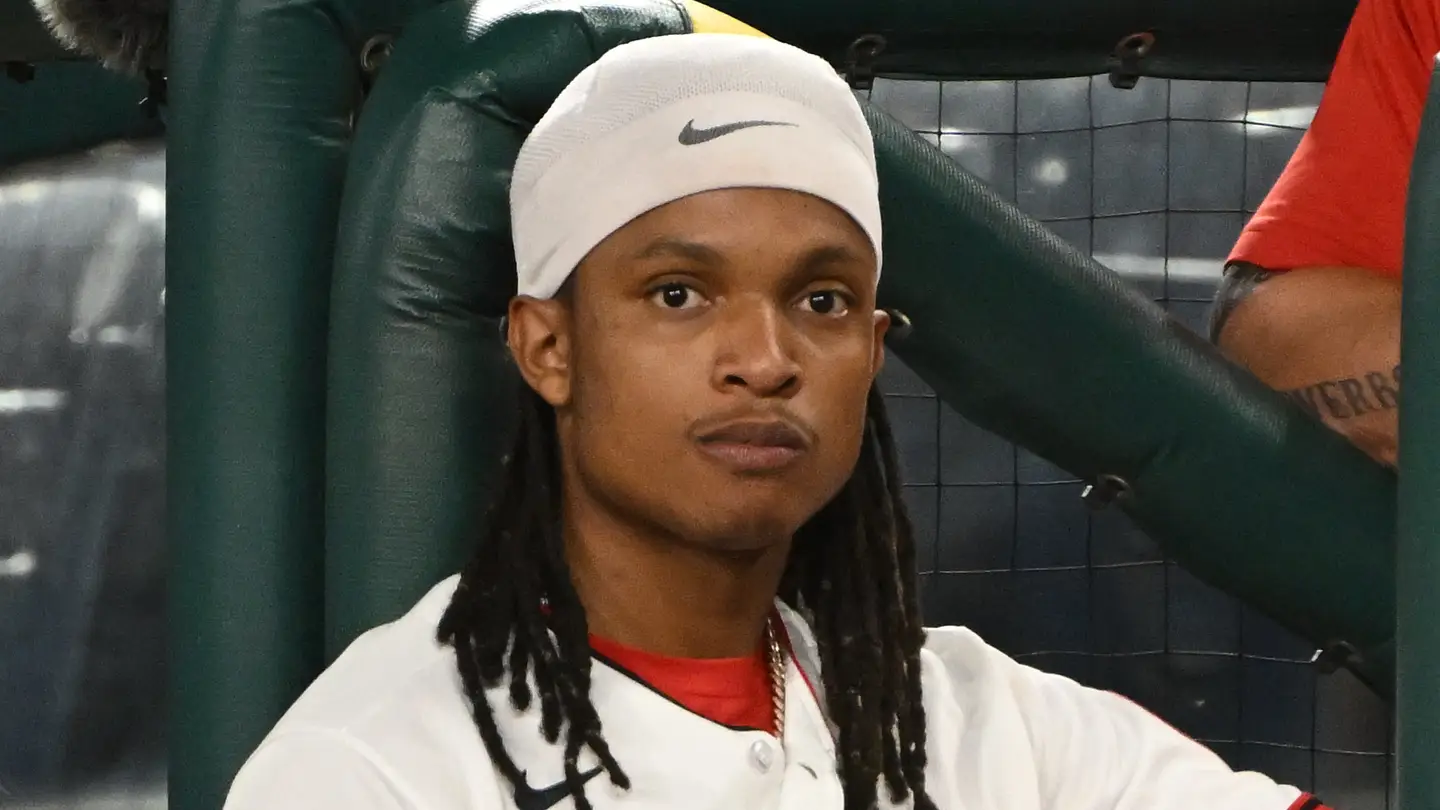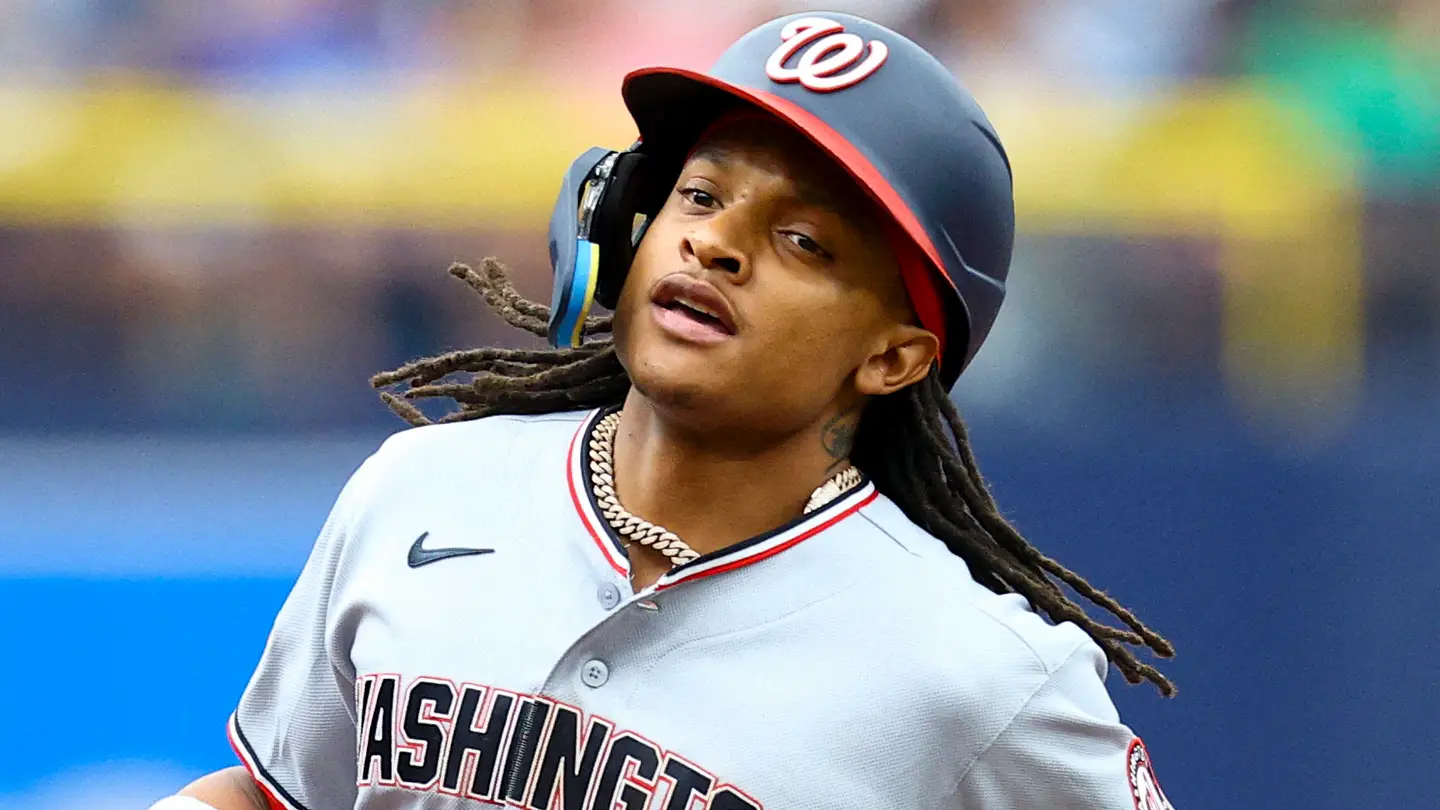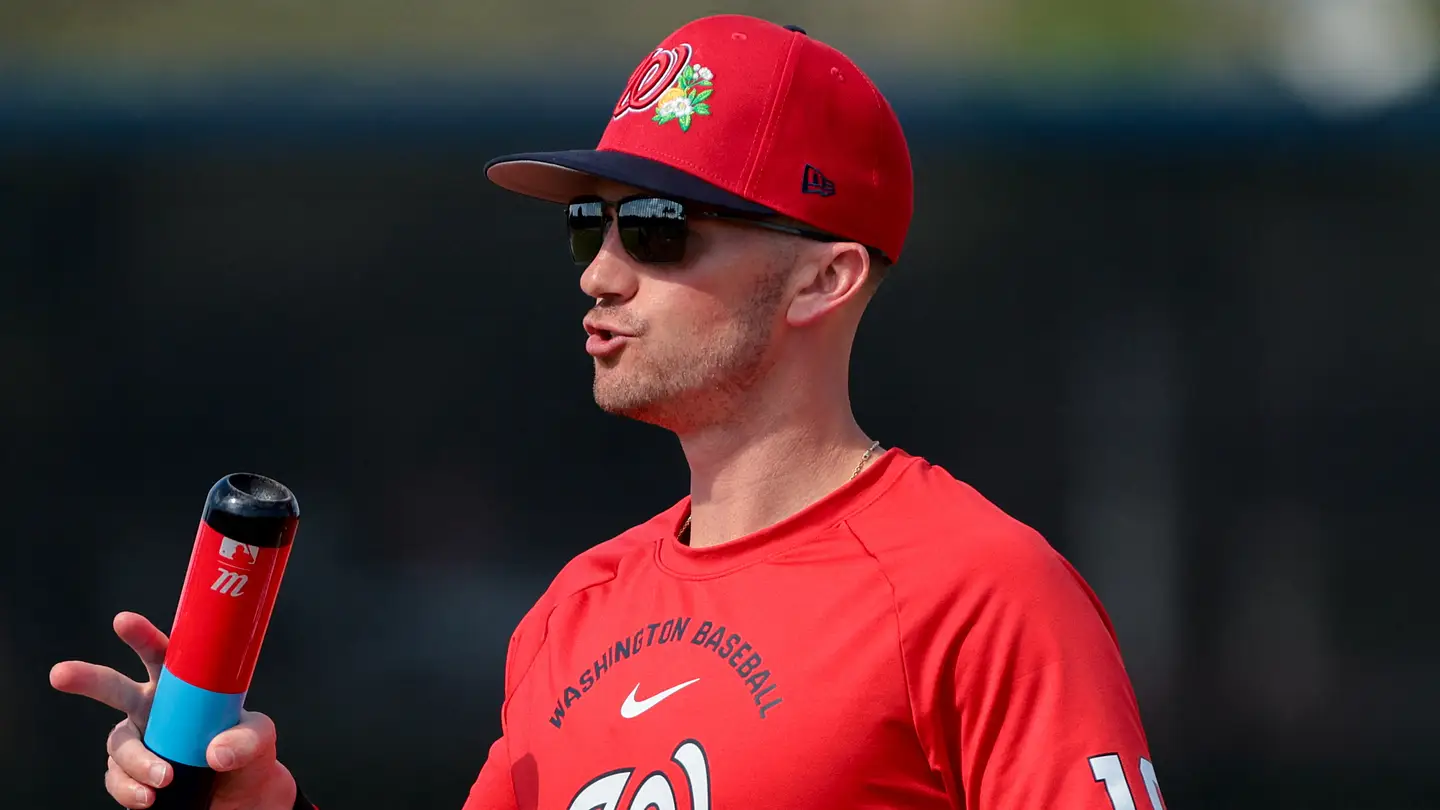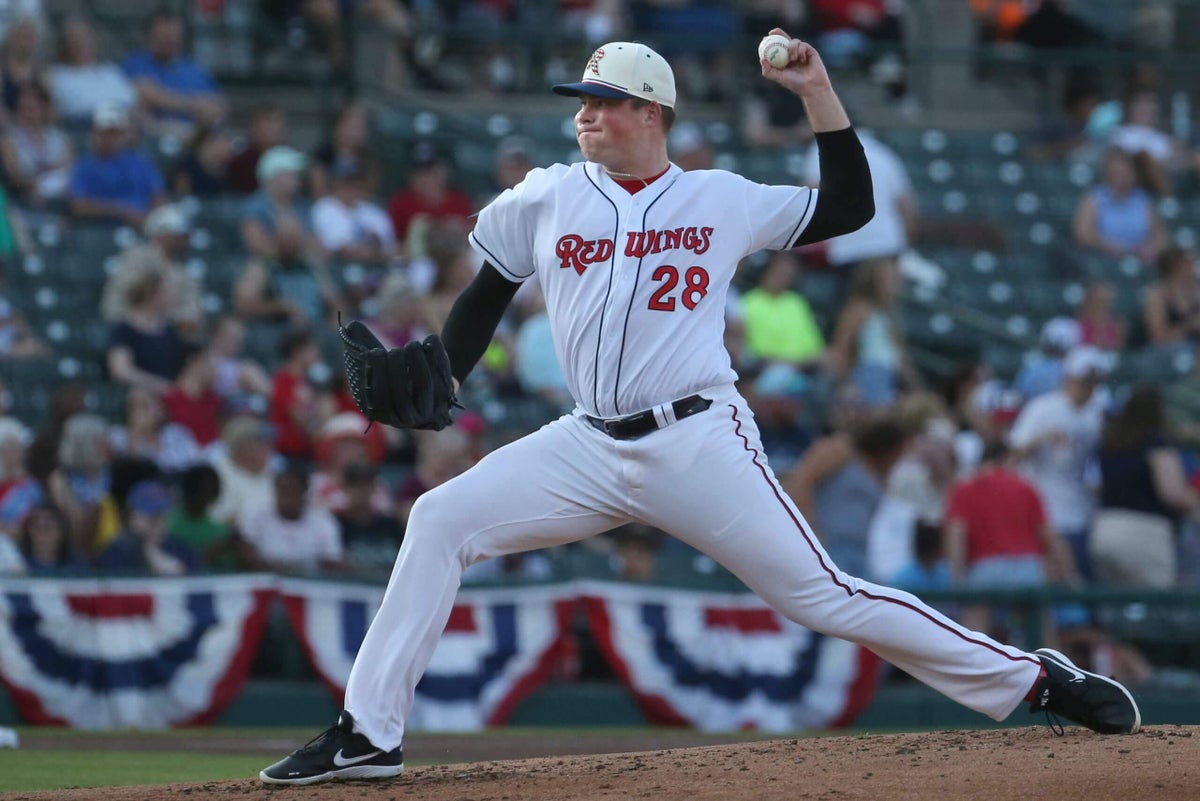
WASHINGTON — You know it. Almost everyone in baseball knows it.The Washington Nationals need pitching. It is why they traded Curtis Mead to the Boston Red Sox on Saturday night for lefty Connelly Early. It is why they erupted for 10 runs on Sunday and still had to sweat until they secured the final out of a 10-7 win over the Arizona Diamondbacks.The question, then, is how quickly could they build a starting rotation that is ready for October baseball? They are 54-52, one game out of the third wild-card spot with a 10.5 percent chance to make the postseason. A path to contention in 2027 appears realistic. At the moment, the starters under control through 2027 who profile as postseason arms are Early, Cade Cavalli and… TBD.On Sunday, I asked president of baseball operations Paul Toboni whether the trade for Early changes how aggressively they will go after controllable starting pitching at the deadline.“It doesn’t, really,” Toboni said.You can never have enough pitching, he stressed. Ultimately, it comes down to what they would have to part with.“This one really hurt,” Toboni said of trading Mead. “My assumption is, if we’re going to do it again, it’s also going to have to really hurt. But maybe not. We’ll just take each deal as they come, or potential deal as they come, and see what makes sense for us.”It’s always easier to find help in the bullpen (where the Nationals rank 27th in ERA) than in the rotation (where they rank 24th in ERA). What, then, are the pathways toward a better starting rotation?Trading CJ AbramsWhen Toboni talks about a move that would “really hurt,” you can bet that he’s thinking, in part, about one of the guys who hit two home runs in Sunday’s win over Arizona.While the Nationals are not shopping Abrams and may very well hold on to him, they will listen to offers, according to a person with the team who spoke with candor in exchange for anonymity. Whether they give serious consideration to any offer is another question.Trading Abrams would be the easiest avenue to add another controllable starter mid-season. Still, the Nats will not pigeonhole themselves to packages that contain controllable starting pitchers. Why?Though the Nats seem to have solved hitting development this season, a lot can change in 12 months. Their postseason odds are too slim to be dogmatic about what type of player they acquire, or how close to the majors they might be. If the Nats are indeed just one arm away next season … that’s when they can start to zero in on big-league-ready arms.The top internal optionsTop prospect Jarlin Susana — you may know him as the guy who throws 102 mph with ease — faced hitters for the first time last week and should get some in-game action soon in the minor leagues, according to a person familiar with his plan. The Nationals still view him as a starter, though we shall see if that holds. It isn’t crazy to suggest that, even as a rookie, his stuff could make him a compelling postseason starter next year, though some evaluators outside the organization believe he profiles more as a closer.Fellow flamethrower Travis Sykora has thrown just 4⅔ career innings above High-A Wilmington and is still recovering from Tommy John surgery. It is not yet clear if he will make any starts in the minor leagues this year. So, even though the Nats believe Sykora can become a frontline starter, he may need more seasoning than some of his peers.Alejandro Rosario (acquired in the MacKenzie Gore trade) is out this season as he recovers from Tommy John surgery. He has just 88 ⅓ career innings in pro ball, so his path toward pitching in the majors next year is probably even more narrow than Sykora’s. Still, his upside is through the roof.Luis Perales has nasty stuff and a 3.66 ERA with Triple-A Rochester, but it’s probably overzealous to assume they would trust him in a postseason series this year, if they made it. He’s trending in the right direction. But they still need to see more swing and miss in his arsenal.Jackson Kent is the only prospect here who, in my estimation, could theoretically start a postseason game for the Nationals this year. It would be a lot to expect. But he has proven himself in Triple A, with 58 strikeouts to 18 walks in 52 ⅔ innings. Keep an eye on him.Jake Irvin, Josiah Gray and DJ Herz could fill out the rotation and have flashed real chops, though they’d need to be healthy (and make a leap) to be October-ready in 2027.Trading from infield depthThe Nats, like many teams, have kicked around the idea that they can trade from a position of strength to address a position of weakness. Swapping Mead for Early certainly fits that criteria. But would they trade from their infield depth in the minor leagues to acquire postseason-caliber pitching?That isn’t known, at least not yet. Toboni has tried to prioritize the team’s long-term window. With the strength of their farm system, it isn’t out of the realm of possibility, though they would have to outbid teams that are far more motivated to buy than they are. The farm’s shortstop depth is among the best in baseball, while their outfield group is a strength as well.What is available in free agencyA tricky subject (looking at ownership, mostly) is made trickier by the uncertainty around a potential lockout in 2027. But for a team with one of the smallest payrolls in MLB, there will be a deep stable of potential options to choose from this winter.Among those compelling arms without an option or opt-out: Foster Griffin, Tarik Skubal, Kevin Gausman, Freddy Peralta, Shane Bieber, Jack Flaherty, Shota Imanaga, Robbie Ray, Trevor Rogers, David Peterson and Casey Mize.Is there any way to keep Foster Griffin?The aforementioned Griffin (2.76 ERA) is set to be a free agent at the end of this season. Several teams have scouted Griffin, including the Philadelphia Phillies and Tampa Bay Rays.That does not mean either team will acquire him, or even that they’re high on him, but it reaffirms the idea that almost every contender needs starting pitching.The Athletic’s Ken Rosenthal and Will Sammon reported last week that some rival executives believe a Griffin trade is inevitable. The Nationals, however, are still assessing whether to deal, extend or keep the starting pitcher through the end of the season. They could also keep him and extend the qualifying offer, which would net draft compensation if he declined.The Nats do not want to overestimate their chances to compete this season. Holding on to Griffin, just to see him depart this winter, might be an case of exactly that.Who else could they move?The Nationals don’t have an obvious big-league asset other than Abrams who would net a controllable starter worthy of starting a postseason game in 2027. It would almost certainly require trading a controllable player whose name hasn’t emerged in trade rumors, such as Dylan Crews or Daylen Lile. That is unlikely, though again, not impossible.
How can the Nationals build an October-ready rotation?
Most of the Nationals’ internal options for starting rotation help aren’t quite ready.
1,181 words~5 min read