As South Africa fights for water security, the Water Research Commission calls for a revolution in agricultural practices to ensure sustainable water usage.
As the CEO of the Water Research Commission, I have the privilege and the sobering responsibility of standing at the forefront of South Africa’s water future. Every day, I see how the availability and quality of this precious resource shape the strength of our economy, the health of our people, and the sustainability of our ecosystems. Nowhere is this reality more evident than in agriculture, where water quite literally feeds our nation.
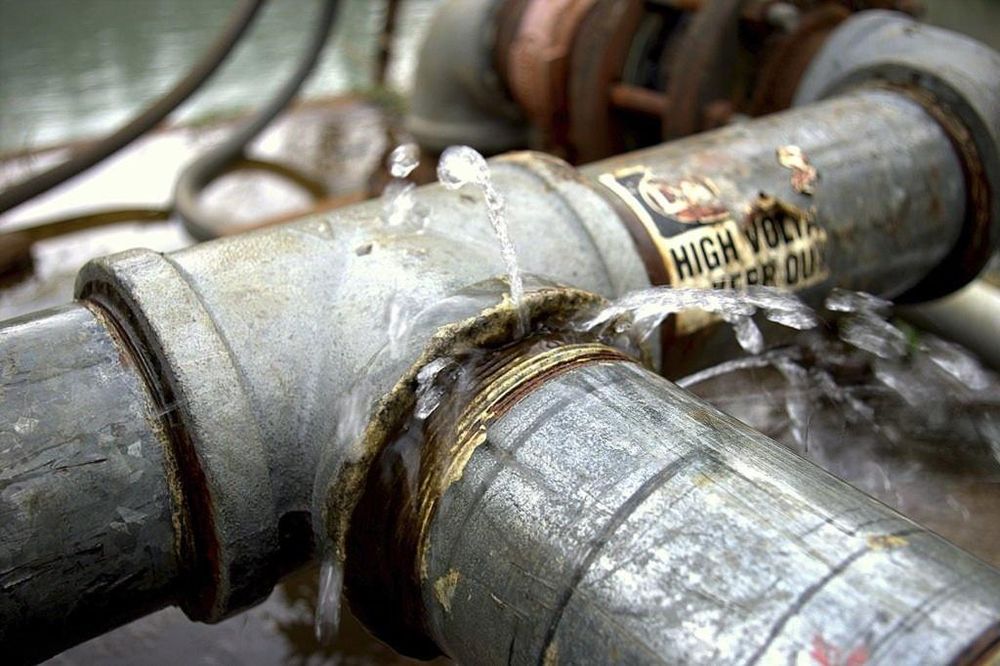
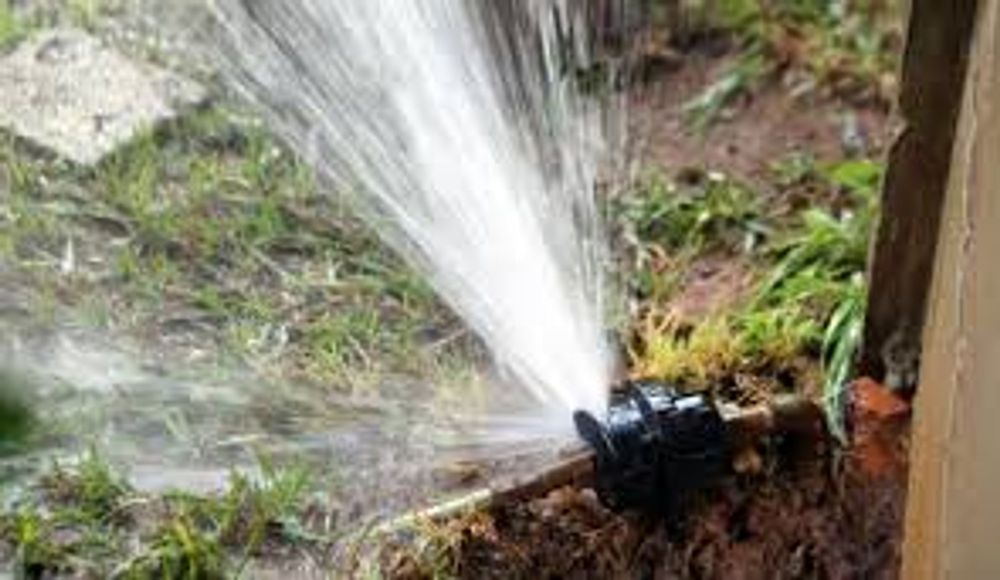
South Africa is one of the driest countries on earth, and the stresses on our water systems are mounting. Climate change is amplifying droughts and floods. Much of our infrastructure is outdated or poorly maintained. Inefficient usage patterns persist across sectors. Together, these forces are pushing us toward a critical tipping point.
Agriculture, which is the backbone of food security and rural livelihoods, consumes between 60% and 62% of South Africa’s water resources. Unless we act decisively, escalating pressures could undermine food production, rural jobs, and the stability of entire communities. Water demand already exceeds supply, and if current trends continue, it could outstrip availability by as much as 17% by 2030. For farmers in Limpopo, the Free State, or the Western Cape, these statistics translate into real-world challenges: harder planting decisions, higher input costs, and vulnerability to ever-intensifying drought cycles.