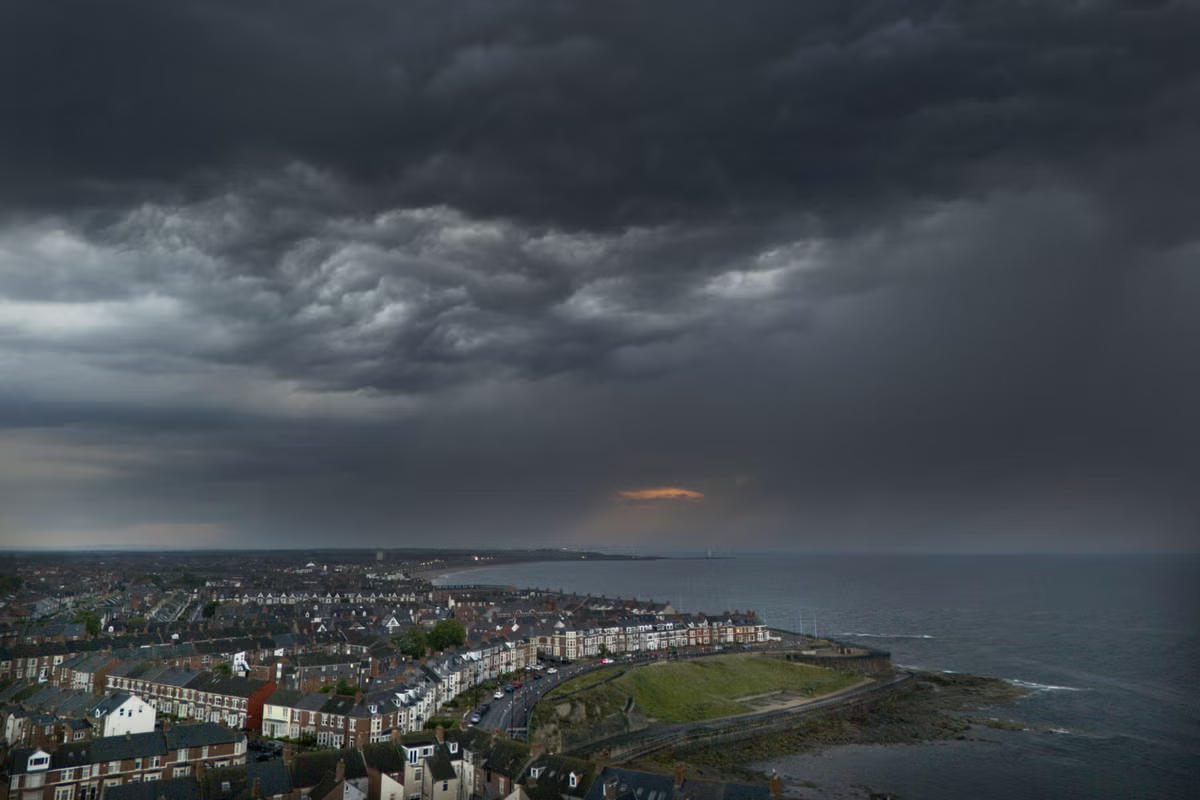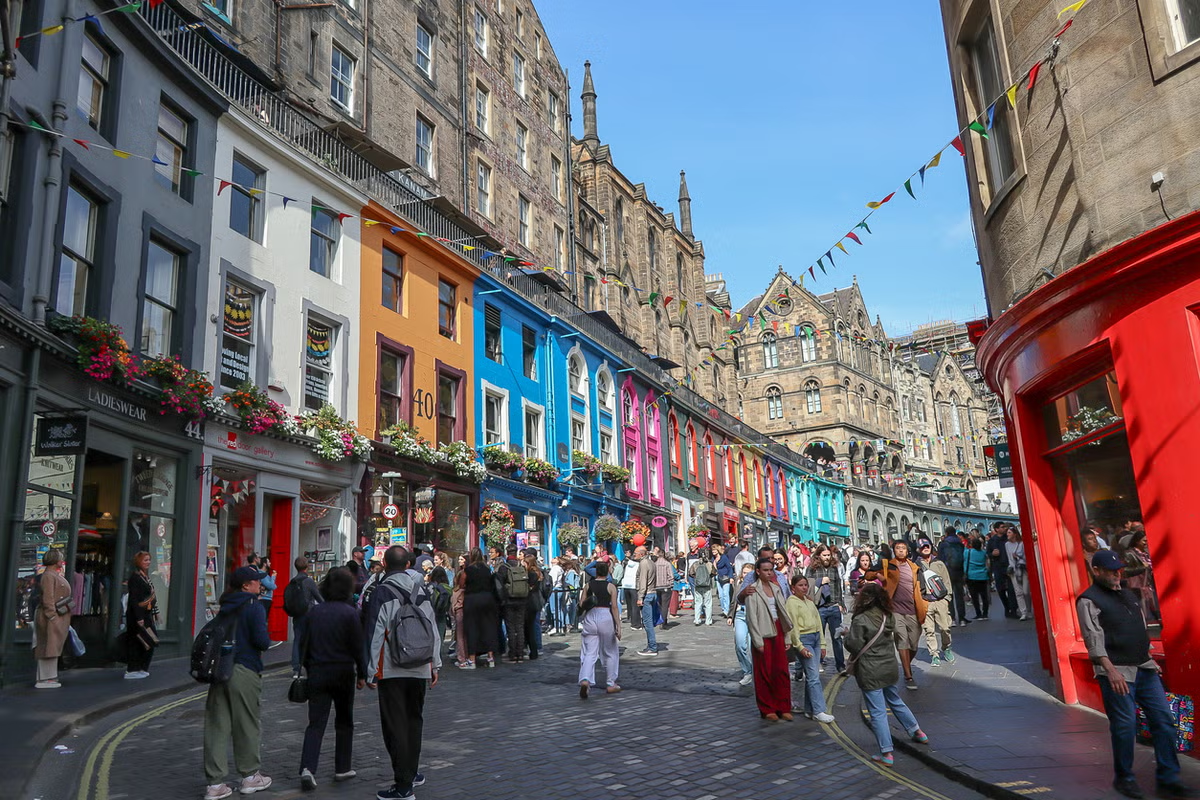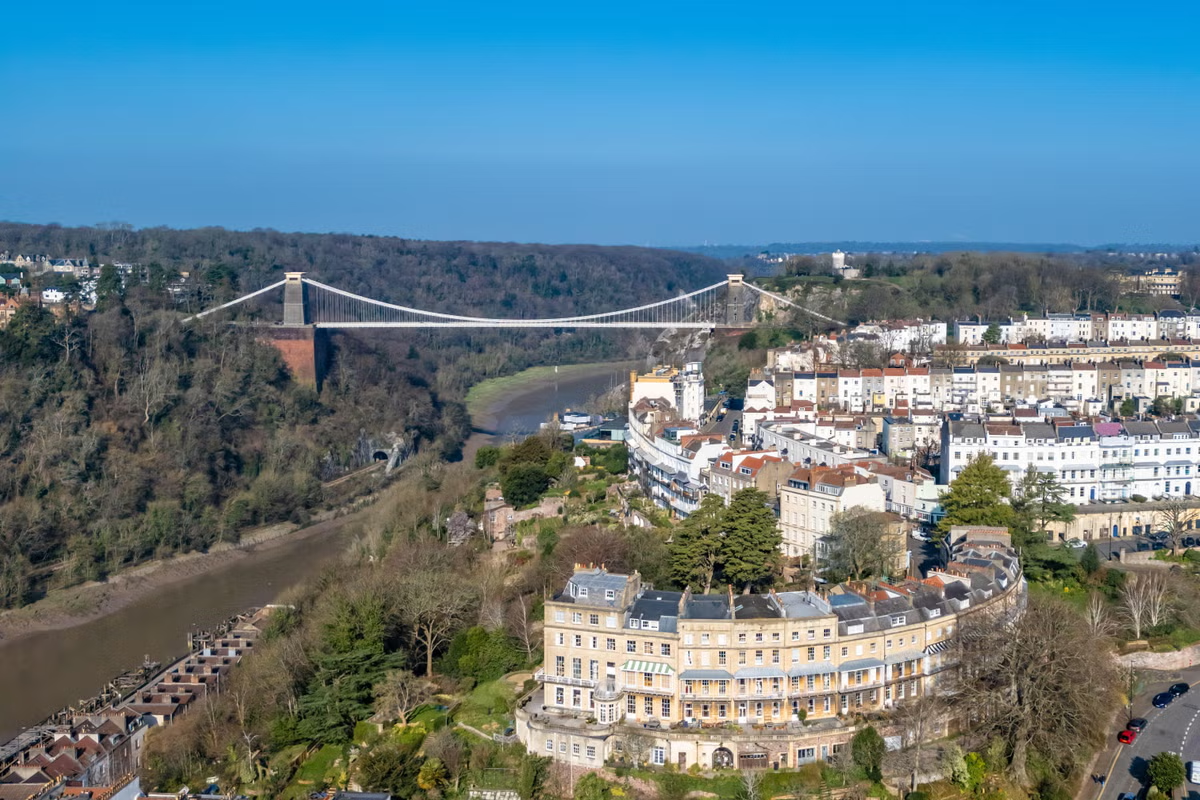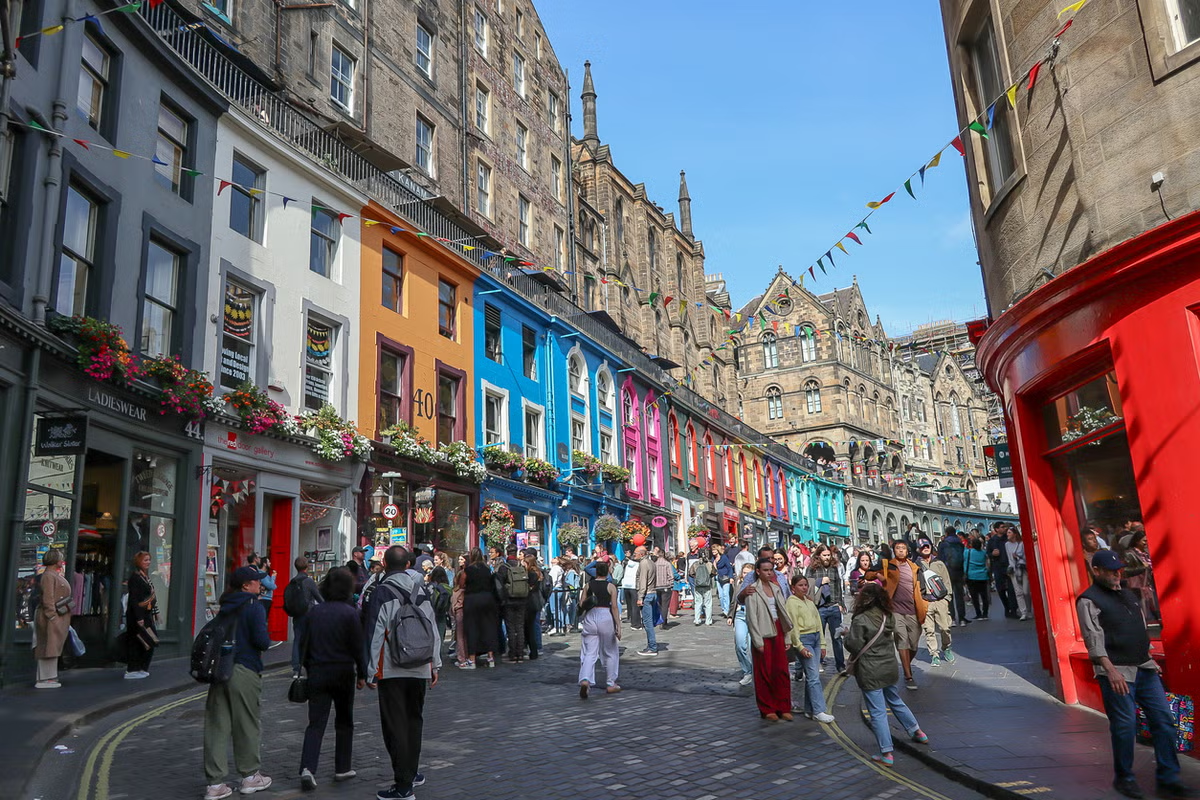
People searching for a property could save significant money by looking next door to pricey postcodes – according to a new study.Lloyds Bank compared higher-value postcodes in different parts of the UK with what it found to be the least costly neighbouring postcodes sitting right next to them.According to Lloyds’ analysis, homes in these neighbouring areas cost 28 per cent less on average, but in many places the gap is significantly wider.In the North East of England, Lloyds found that in the postcode of NE26, encompassing the seaside town of Whitley Bay, the average price was £304,022.Next door in NE24, which takes in the town of Blyth, the average price of a home was £162,075 – £141,947 or 47 per cent less than in neighbouring NE26.The sun rises over a lobster fishing boat near Whitley Bay, Northumberland (PA)Amanda Bryden, head of mortgages at Lloyds, said: “It’s easy to focus on the ‘must-have’ locations when you’re searching for a home, but this research highlights just how much value can sit right next door. Of course, neighbouring areas aren’t always directly comparable and each will have its own distinctive character, housing stock and local appeal.“But in many parts of the country, looking just beyond the most sought-after postcodes can reveal more affordable options while still keeping buyers close to jobs, transport links, amenities and the communities that matter to them.“For first-time buyers in particular, a small shift in location could make a big difference – not just in getting on the ladder, but in what kind of property is within reach.”Lloyds said that in London, NW3 is among the city’s most expensive postcodes, covering locations such as Hampstead and Belsize Park. The average house price there was £778,767.But in neighbouring NW2, including areas such as Cricklewood and Dollis Hill, the average house price was £546,348, buyers here could pay £232,419 less compared to neighbouring NW3 – a saving of around 30 per cent.In Scotland, the EH3 postcode, covering central Edinburgh, including the West End, had an average house price of £374,650.Neighbouring EH11, covering areas such as Gorgie and Stenhouse, had an average house price of £299,315 – a potential saving of £75,335 or 20 per cent compared with the EH3 postcode.In Wales, the average house price in CF64, which covers Penarth, Dinas Powys and Sully, had an average house price of £342,753.Just next door, CF63, which covers Barry, including Cadoxton and Barry Docks, the average house price was £260,234 – £82,519 less.An array of To Let and For Sale signs protrude from houses in the Selly Oak area of Birmingham (Getty)In Northern Ireland, the BT4 postcode covering East Belfast had an average house price of £278,143.In nearby BT16, the average house price was £247,068 – £31,075 less compared with BT4.The analysis was based on the same mortgage approval data used to calculate the long-running Lloyds house price index. House price figures relate to sales completed in 2025.For London, prime central locations were excluded from the research due to being small, highly localised areas.Here are the potential savings to be had when buying next door to postcodes which are relatively expensive for each nation or region, according to Lloyds, with the region, followed by the postcode and location of the more expensive local area and the average house price followed by the postcode and location of the less expensive local area and the average house price, and the potential saving in cash and percentage terms:Eastern EnglandAL5, Harpenden, Kinsbourne Green, £587,884LU1, South Luton and surrounding areas, £351,742Potential saving, £236,142, 40%East MidlandsNN12, Towcester and surrounding areas, £360,453NN11, Daventry and surrounding areas, £300,112Potential saving: £60,341, 17%LondonNW3, Hampstead, Belsize Park and surrounding areas, £778,767NW2, Cricklewood, Dollis Hill and surrounding areas, £546,348Potential saving: £232,419, 30%North EastNE26, Whitley Bay, Seaton Sluice, £304,022NE24, Blyth and surrounding areas, £162,075Potential saving: £141,947, 47%Northern IrelandBT4 East Belfast (Sydenham, Belmont, Stormont), £278,143BT16, Dundonald and surrounding areas, £247,068Potential saving: £31,075, 11%North WestWA14, Altrincham, Bowdon and surrounding areas, £403,621M31, Carrington, Partington, £280,616Potential saving: £123,005, 30%ScotlandEH3, Central Edinburgh, including the West End, £374,650EH11, Gorgie, Stenhouse and surrounding areas, £299,315Potential saving: £75,335, 20%South EastKT6, Surbiton, Tolworth, £625,840KT9, Chessington, Hook, £453,441Potential saving: £172,399, 28%South WestBS8, Clifton, Hotwells and surrounding areas, £510,864BS20, Portishead, Pill, £385,281Potential saving: £125,583, 25%WalesCF64, Penarth, Dinas Powys, Sully, £342,753CF63, Barry (including Cadoxton and Barry Docks), £260,234Potential saving: £82,519, 24%West MidlandsCV32, Leamington Spa (north) and surrounding areas, £392,988CV35, Wellesbourne, Kineton and surrounding areas, £343,030Potential saving: £49,958, 13%Yorkshire and the HumberYO23, York South Bank and surrounding areas, £378,295YO8, Selby and surrounding areas, £243,001Potential saving: £135,294, 36%
The areas where home buyers could save £236,142 in the neighbouring postcode
A new study has compared higher-value postcodes with what it found to be the least costly neighbouring postcodes sitting right next to them
748 words~3 min read