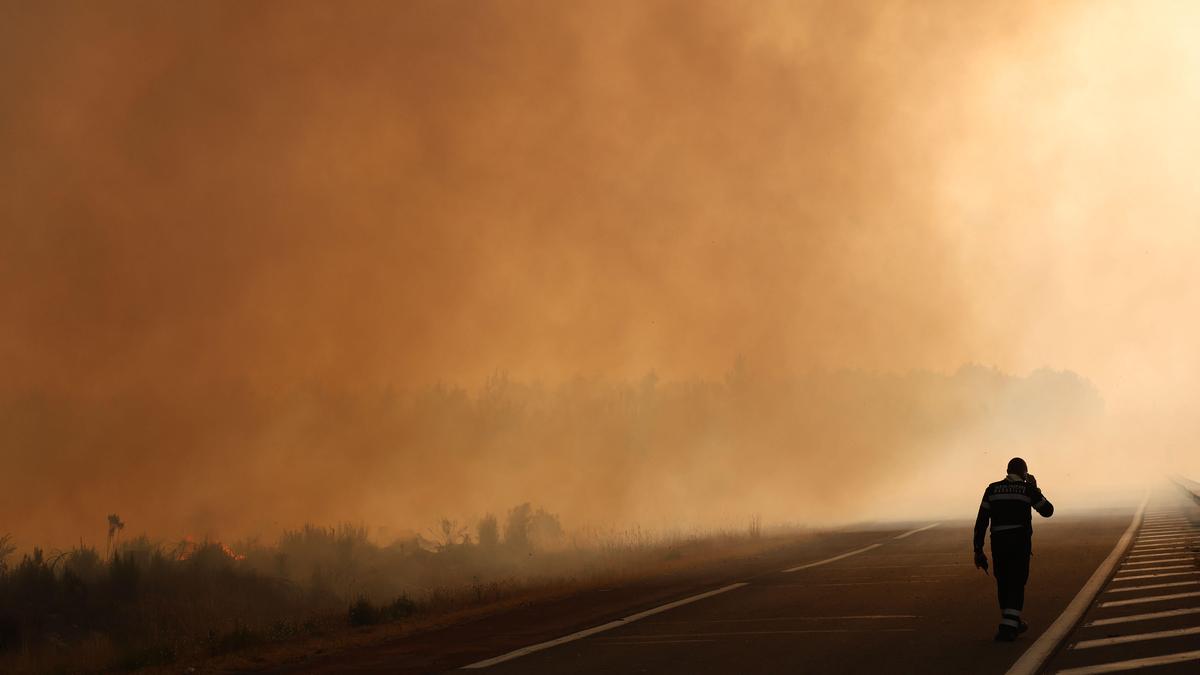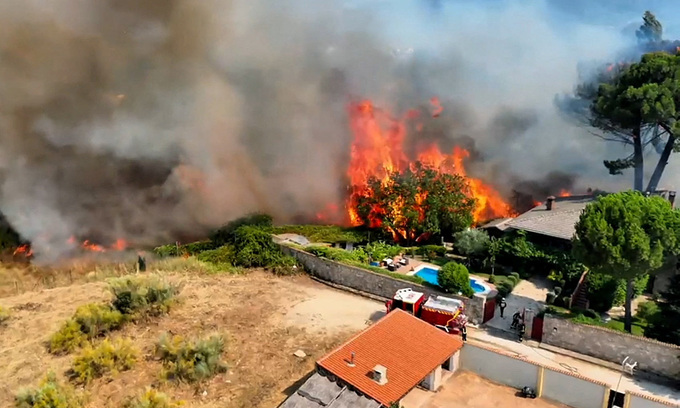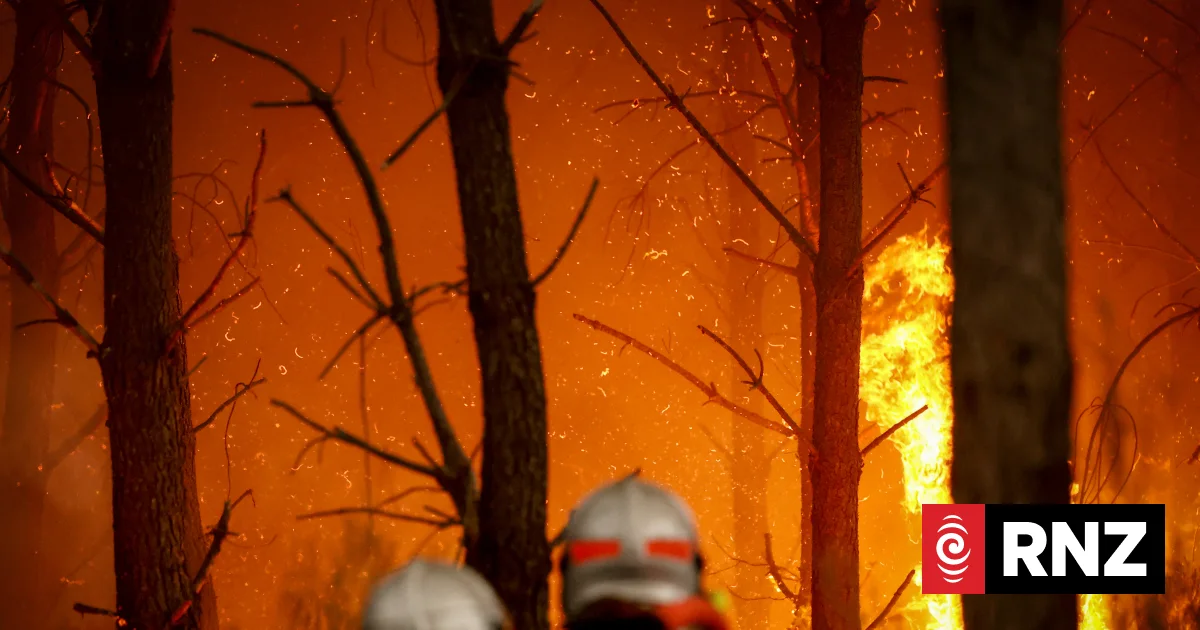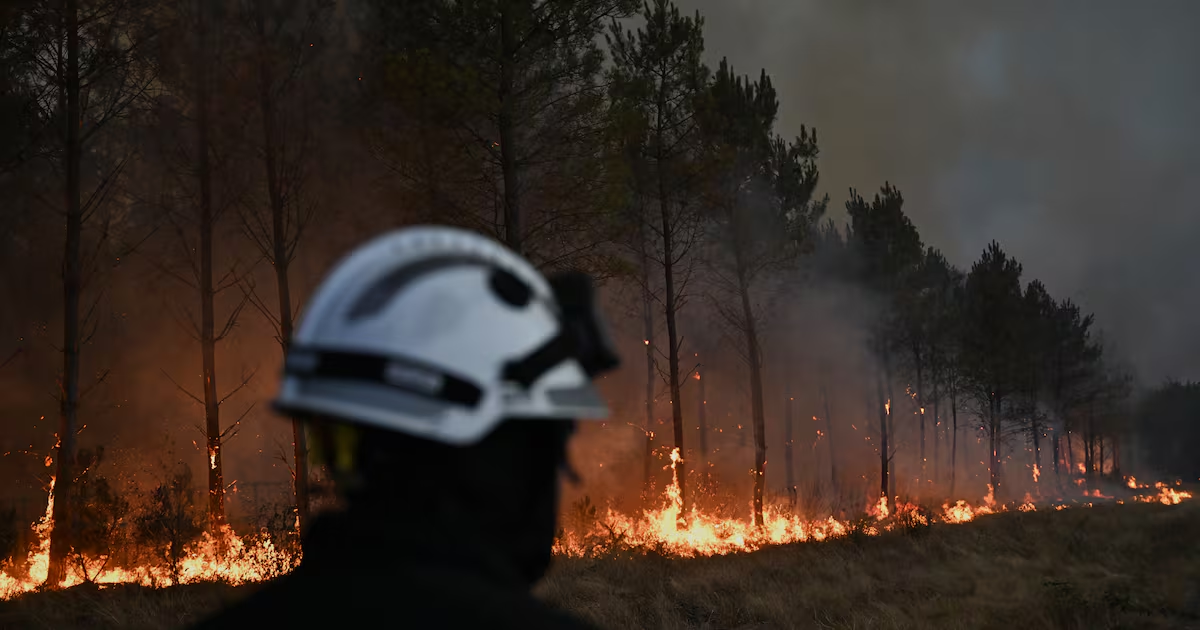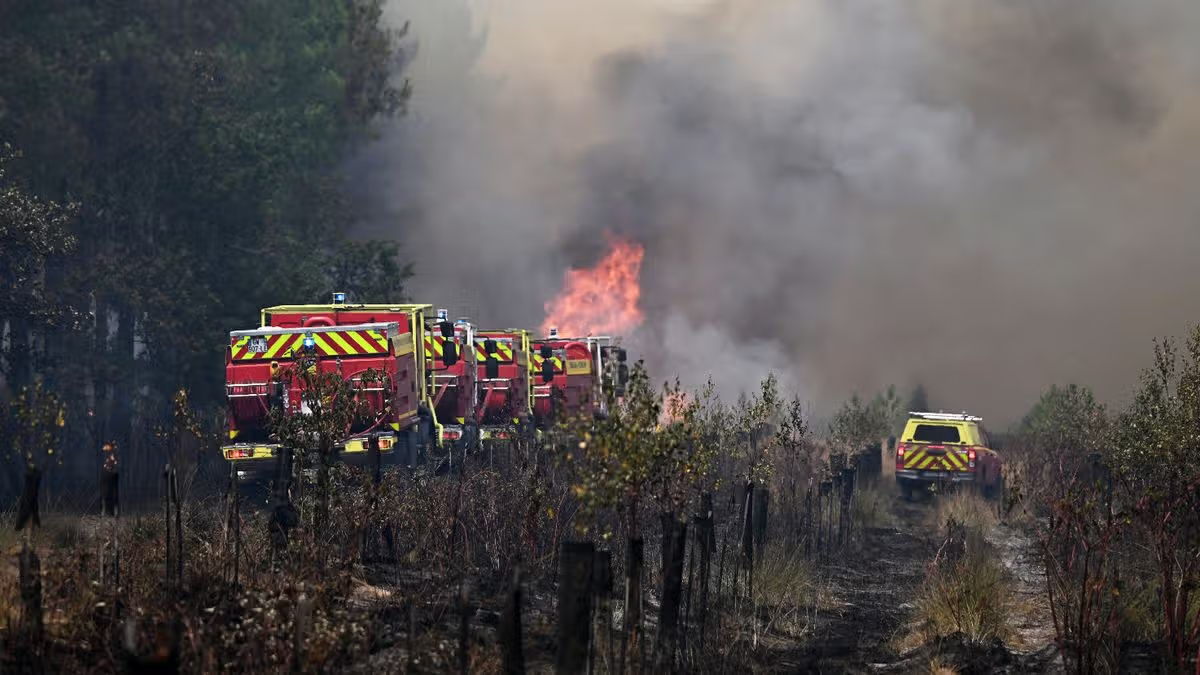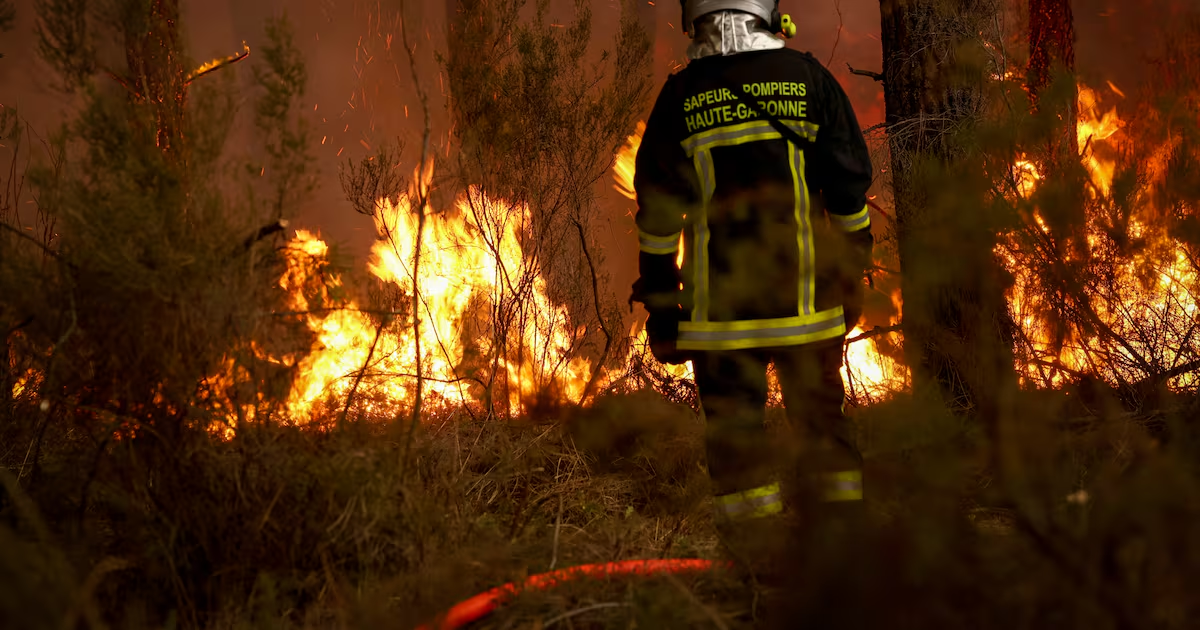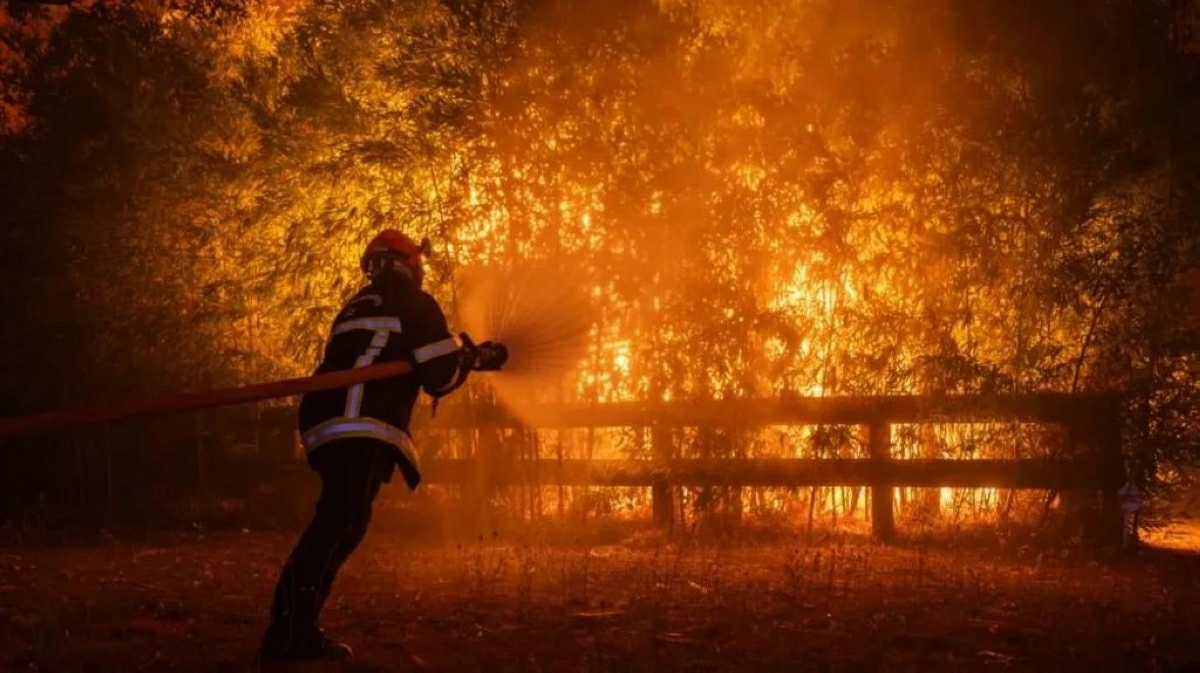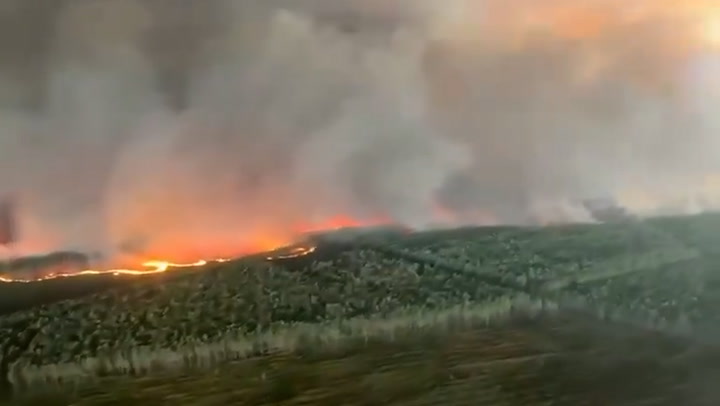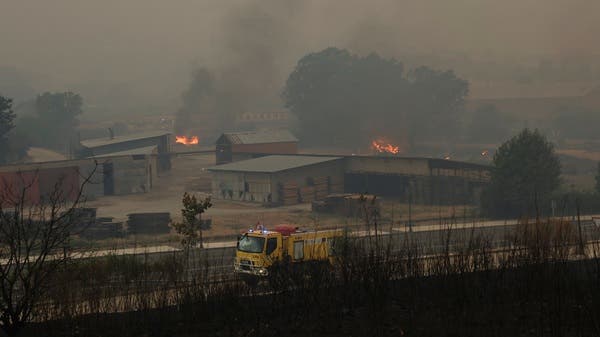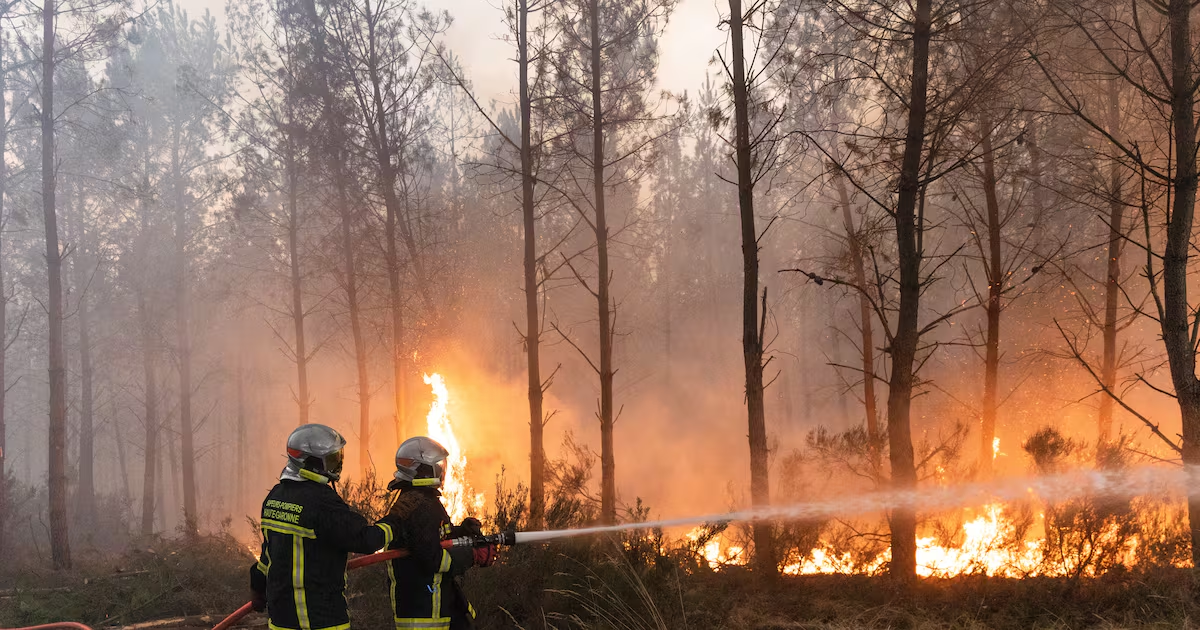
French President Emmanuel Macron is to convene a crisis meeting on Monday as forest fires spread towards the south-western city of Bordeaux.The fires are about 15km from the outskirts of the city, although there are no plans to evacuate its 850,000 residents. “This is a fire of a size never seen before,” said Jerome Steffe, mayor of Cestas, a suburb south of Bordeaux where thousands of residents have left their homes and holiday properties.Local authorities described the fire as generally stable early on Monday, but temperatures are expected to rise again in the next few days. About 220,000 people have been evacuated from the area to temporary shelters. The fires remain out of control, forming dangerous self-fuelling clouds high above the horizon. Jumping firesEurope has suffered a severe heatwave in recent weeks, increasing the fire risk. Neighbouring Spain has moved more than 75,000 people out of danger zones and ordered another 30,000 residents to shelter indoors.“We are dealing with a fire that is currently out of control and at fairly regular intervals shifting direction toward the metropolitan area” of Bordeaux, Interior Minister Laurent Nunez said on Sunday night. “The fire is completely erratic, capable of jumping distances of up to a kilometre at times.”More than 200,000 people have been evacuated from the Bordeaux area to temporary shelters because of the raging fires. AFPInfoFrance has already suffered three heatwaves this summer and is set to enter its fourth this week with temperatures expected to reach close to 40C in Bordeaux.Fires have ravaged the nearby Cap Ferret area, a popular tourist destination on the bay of Arcachon famous for its colourful villages and oyster farming. The village of Le Porge was devastated, with fires passing through it twice last week.Summer camps cancelledResidents will not be able to return until the fire is under control. Summer camps for children in the Gironde region were cancelled overnight. Train services remain suspended. The army has sent in 1,500 military personnel to help firefighters, including with evacuations and opening roads for tanker lorries in forested areas. Military surveillance drones are also monitoring the fires.The blazes have been described by local authorities as “firestorms” – an upward movement of hot air that forms a cloud of fire high in the sky. They are accompanied by lightning and wind that further fuel the flames.Mass evacuations have prevented some casualties but two firefighters were found dead two days ago, one inside and one next to their tanker lorry, after they became surrounded by fire. It appears the tanker's protective water sprinkler system may have failed.The fires near Bordeaux have so far burnt through 42,000 hectares – inching closer to the 66,000 hectares destroyed in the area's worst-ever fires in 2022. The number of people evacuated at the time was much lower than today – at 20,000 – because the fires burnt through forests far from residential areas. The French village of Le Porge was devastated by fires. AFPInfoThe pine forests in the area were planted in the 19th century to replace marsh lands. They are particularly vulnerable to fires, with highly flammable trees – as are the peat and sand soils. A 1949 fire destroyed roughly 50,000 hectares of forest.But giant fires have become the norm in the past years with hotter summers and drier winters fuelled by climate change.The Bordeaux fires come just two weeks after the worst fire ever in the Fontainebleau forest just south of Paris. About 2,000 out of 25,000 hectares burnt.Both France and Spain have activated the EU’s civil protection mechanism, which allows the pooling of firefighting capacities. Croatia, Portugal, the Czech Republic and Slovakia have sent aerial units such as Canadair water-bombing aircraft and helicopters to France.Spain is fighting multiple blazes including those threatening areas west of Madrid and near Valencia. Officials warned that strong and unpredictable winds could cause flames to spread quickly, with some fires potentially merging into larger fronts.Prime Minister Pedro Sanchez visited affected areas near Madrid and said authorities were prioritising the protection of lives and populated areas.Smoke reached Madrid, where air quality worsened, particularly in western districts of the capital.
'Out of control' French forest fires threaten Bordeaux | The National
Army deploys 1,500 personnel and surveillance drones to help fight blazes
682 words~3 min read