When we were children, it wasn’t unusual to hear about a kid wiping out on a bike, skateboard, or roller skates and coming home with scrapes, bruises, and occasionally broken bones that needed to be fixed. While painful, those injuries generally matched the speed and physics of childhood play and rarely led to permanent injuries.
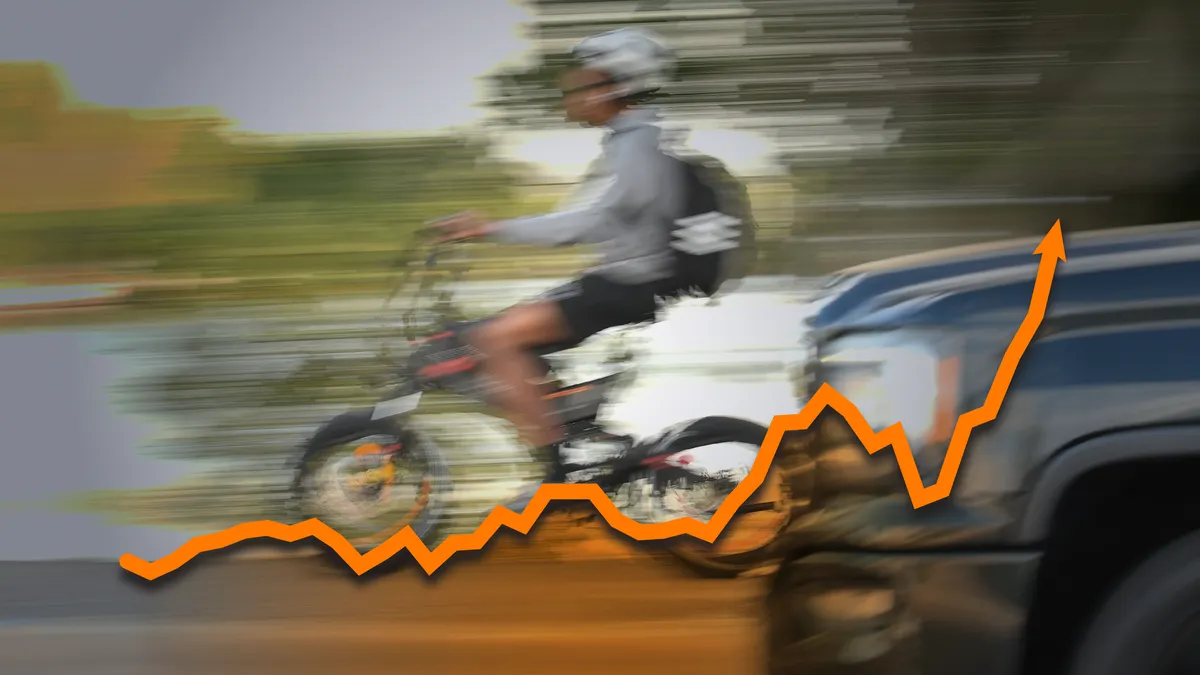
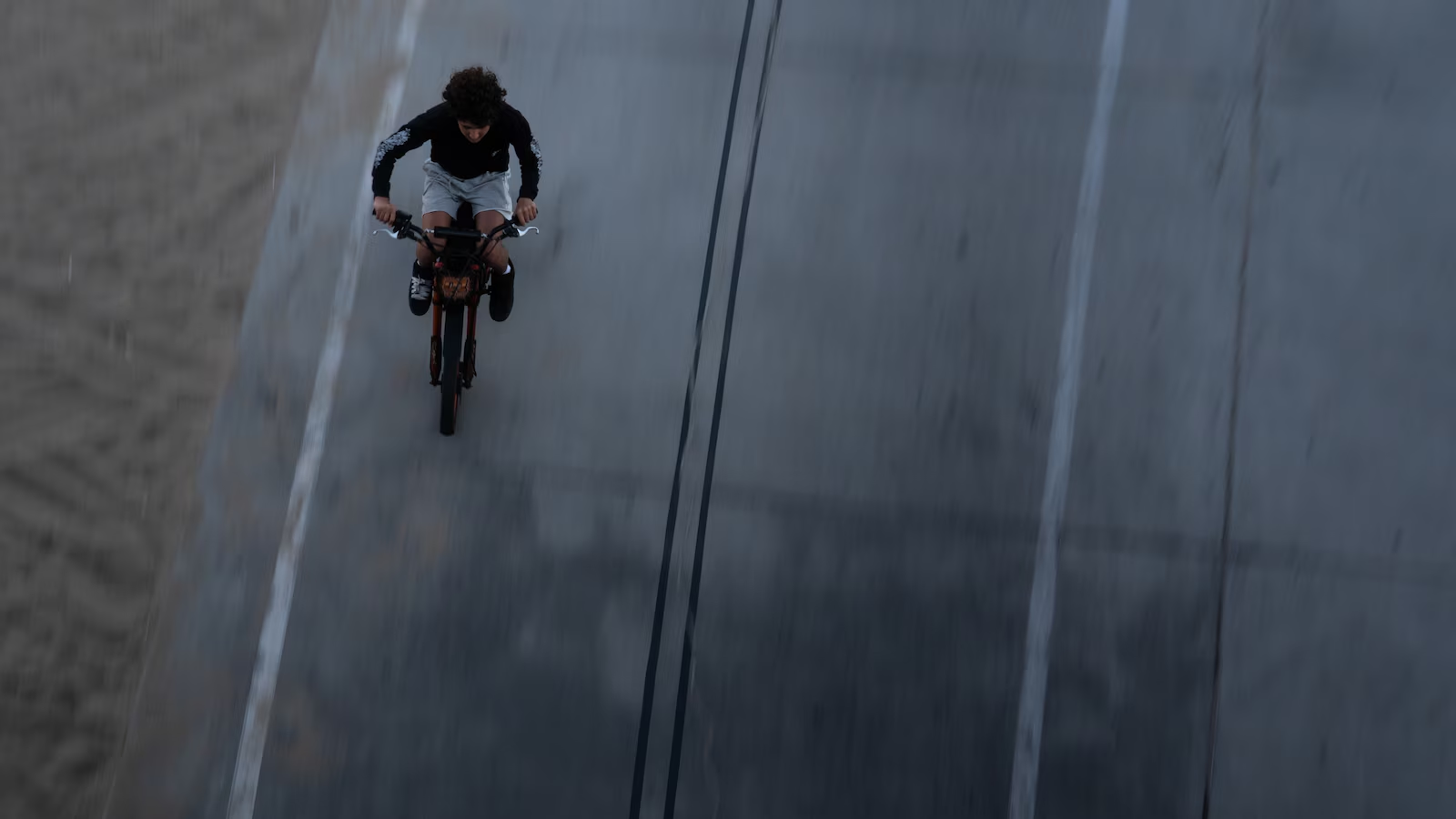
However, now, with the increasing prevalence of electric bicycles and scooters, known as e-bikes and e-scooters, the equation has changed for children and teens.
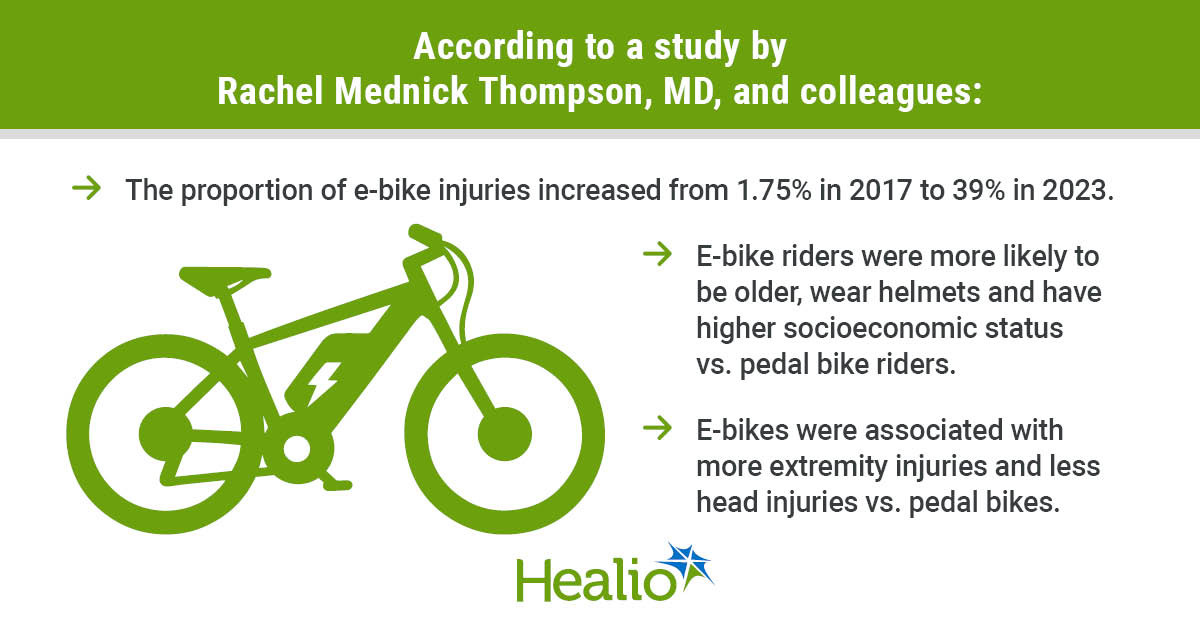
While caring for children in the orthopedic department at a prominent children’s hospital, we’ve noticed a rapid increase in e-bike and e-scooter use among children and teens, and a corresponding rise in serious injuries. These motorized devices accelerate and travel faster than traditional bikes and scooters, leaving less time for kids to react and generating much greater impact when things go wrong. As a result, we see more accidents with severe and life-threatening injuries.
To be clear: E-bikes and e-scooters are not villains. For many, they provide an environmentally friendly way to commute, run errands, or extend mobility. Our concern is specific to children and teens because the evidence increasingly suggests that we’ve created a perfect storm: powerful devices, widespread availability, and persuasive marketing targeted at brains that are not yet built for risk management.