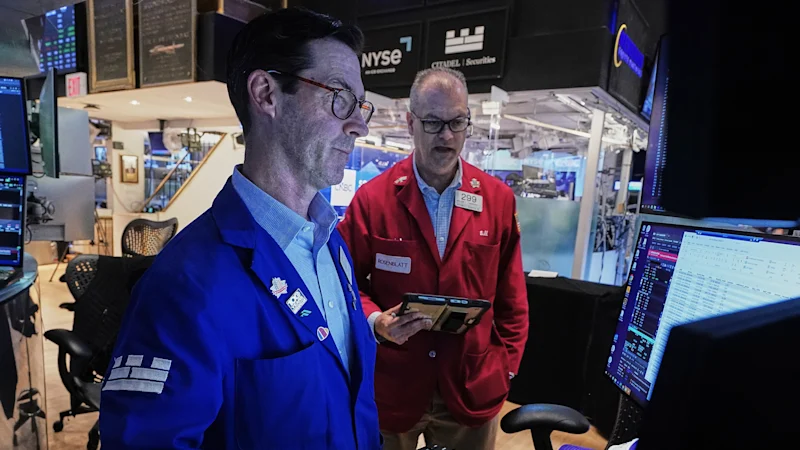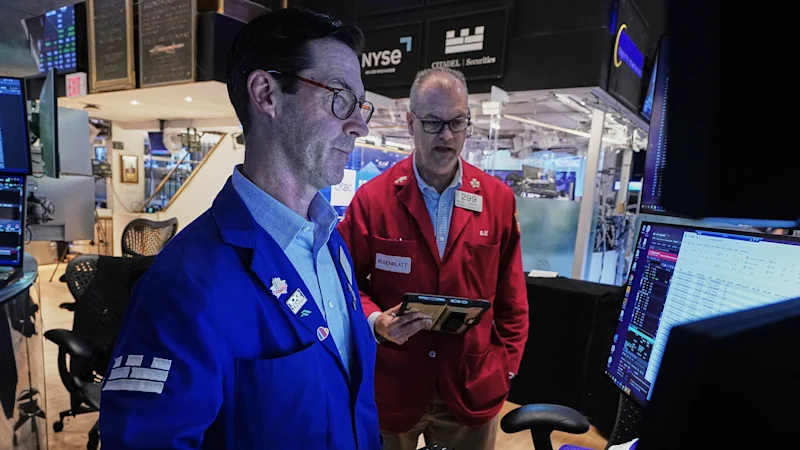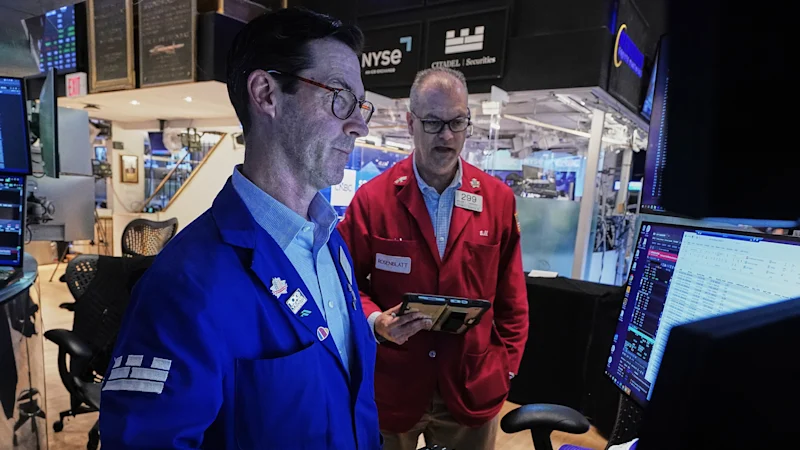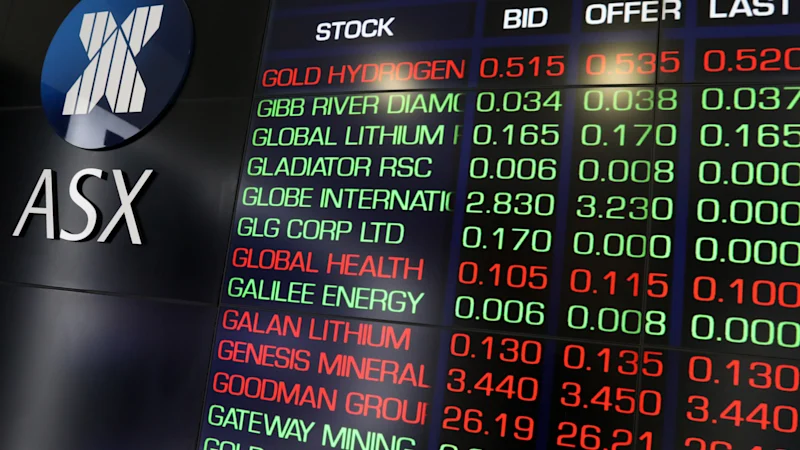
Adrian BlackUpdated July 27, 2026 — 10:44am,first published July 27, 2026 — 5:25amThe Australian sharemarket has had its best session since mid-June after oil prices retreated on reports Iran and the US have halted fighting after almost two weeks of air strikes.The S&P/ASX200 jumped 121.7 points on Monday, up 1.39 per cent to 8894, as the broader All Ordinaries rose 122.3 points, or 1.37 per cent, to 9063.8.The Australian sharemarket enjoyed a strong day on Monday.Getty ImagesOil prices have fallen more than 12 per cent since the weekend on news the US and Iran had paused hostilities after 13 days of attacks, with Brent Crude dropping to $US86.40 a barrel from a peak above $US102 on Thursday.Australian equities and indices across Asia have made a strong start to the week, but whether the detente could support a sustained peace agreement was yet to be seen, Moomoo market Strategist Michael McCarthy said.“The reality of this is that it’s going to be very difficult for the US to end the Middle East conflict on any terms that they’re going to like, and the bond market is sending clear signals that the impact on inflation is its big worry,” McCarthy said.Bond traders sold down US treasuries last week, pushing 10-year yields to their highest levels this year, as inflation concerns weighed on the appeal of fixed-income assets.“It’s a divergence at the moment - interest rate traders are saying one thing and share traders are saying another, and unfortunately I think the bond traders are going to be right,” McCarthy said.Materials stocks carved out a 2.4 per cent gain, tracking with mega miners BHP and Rio Tinto despite largely steady copper and iron ore futures, while gold producers also advanced.Gold itself hovered just below $US4100 ($A5849) an ounce, as potential peace prospects struggled to lift the precious metal as inflation and interest rate worries loomed.“The spot gold price has moved up, but I think it is likely range-bound in the near term until we see a meaningful resolution between the US and Iran,” Global X ETFs investment strategist Justin Lin said.The heavyweight financials sector jumped 1.2 per cent in a broad-based rally, while IT, real estate trusts, industrials and health care stocks also posted solid gains.Consumer-facing sectors improved, with cyclicals and staples up more than 0.7 per cent.In company news, Myer shares tumbled by 12 per cent after deteriorating consumer sentiment and higher promotional costs weighed on its June quarter sales growth.“Whilst performance in the first four months of [the second half of fiscal 2026] was mixed, including a stronger May, we observed a material downturn in sentiment,” said Myer executive chair and chief executive Olivia Wirth.Evolution Mining will acquire Carnaby Resources in a $213 million scrip deal, propelling Carnaby’s share price almost 60 per cent to just shy of Evolution’s offer of 77c per share.Financial services group Perpetual Ltd also advanced after receiving an improved offer from Swedish private equity firm EQT, valuing it at roughly $2.7 billion.The Australian dollar was buying US70.06¢ on Monday afternoon, up from US69.83¢ on Friday at 5pm, as currency traders keenly await Wednesday’s June inflation figures for indications of the Reserve Bank’s path ahead on interest rates.On Wall Street, the S&P 500 barely budged on Friday in a day of uneventful trading. The index notched its second consecutive losing week, which hasn’t happened since March. The Dow Jones rose 0.5 per cent and the Nasdaq fell 0.6 per cent, to 24,975.82. It was weighed down by sharp losses from several big tech stocks.Micron Technology fell 7 per cent and Broadcom fell 2.7 per cent. Both companies have large market values that tend to weigh more heavily on the market. They were big reasons for the technology-heavy Nasdaq lagging the market, and also why the market’s gains were kept in check despite more stocks rising than falling within the S&P 500.The Fed meets this week and has been closely monitoring prices and their impact. Rising inflation dashed hopes earlier this year for an interest rate cut. Wall Street has since leaned more toward a potential rate increase, which the central bank can use to help cool inflation.Wall Street is anticipating at least one rate hike by the end of the year, with a nearly 38 per cent chance that could happen at the upcoming meeting next week, according to CME FedWatch.Higher energy costs threaten to take a bigger chunk out of household budgets, which means a shift in spending toward more basic needs, like gasoline. Nationally, a gallon of gasoline costs $4.10 per gallon, according to AAA. That’s still lower than this spring as the conflict in Iran expanded, but it’s almost a dollar higher than last year at this time.Investors are worried about the impact to companies profits. Those profits and expectations for more growth are what typically justifies a stock’s value. The latest round of corporate earnings showed that companies are still notching growth, but concerns are growing.Worries about the sustainability of broader profits are on top of lingering concerns about AI-focused tech companies. Companies like Alphabet and Nvidia have been spending heavily on AI technology. Investors are increasingly questioning whether those investments will produce profits to justify the large stock values that have been steering the broader market higher throughout the year.AAP with AP, Bloomberg The Market Recap newsletter is a wrap of the day’s trading. Get it each weekday afternoon.From our partners
ASX surges after US pauses strikes against Iran; Myer tumbles
The Australian sharemarket has jumped as oil prices took a dive, as the US paused an almost two-week run of strikes against Iran.
898 words~4 min read