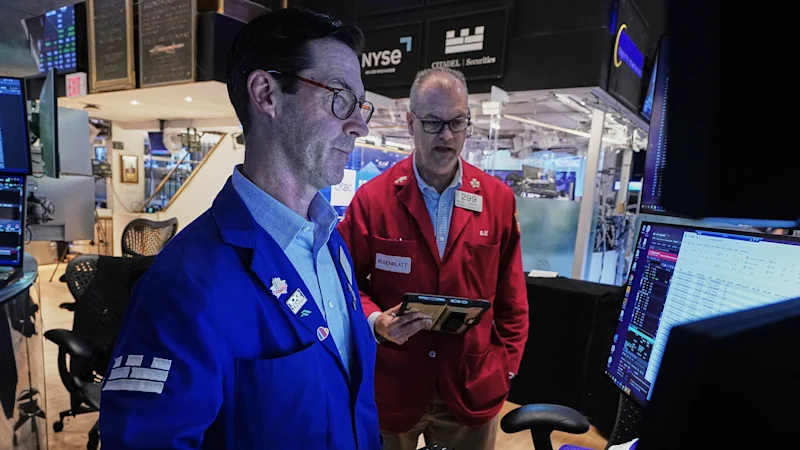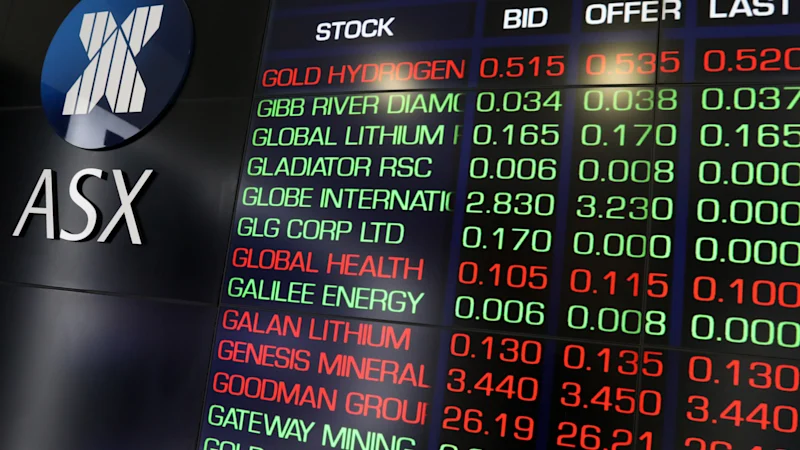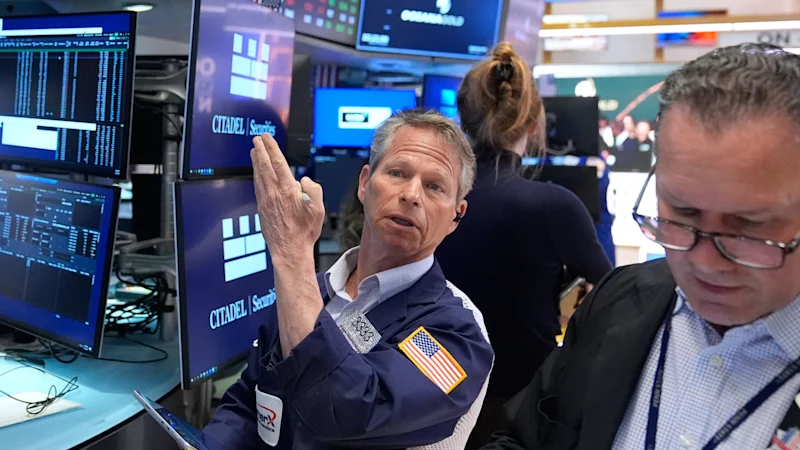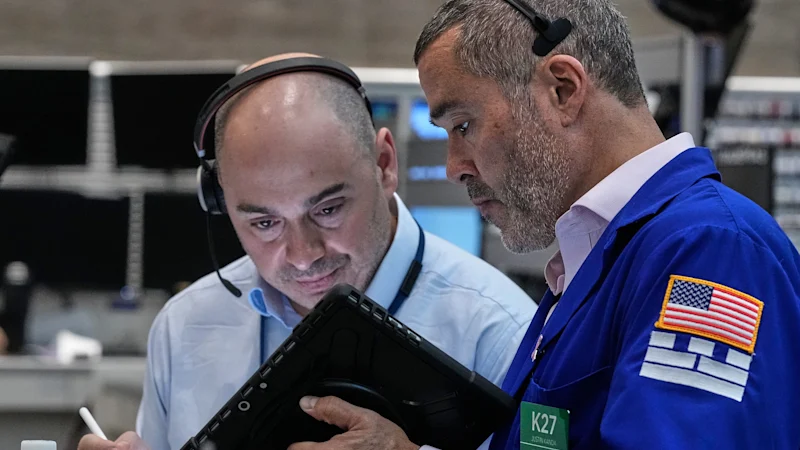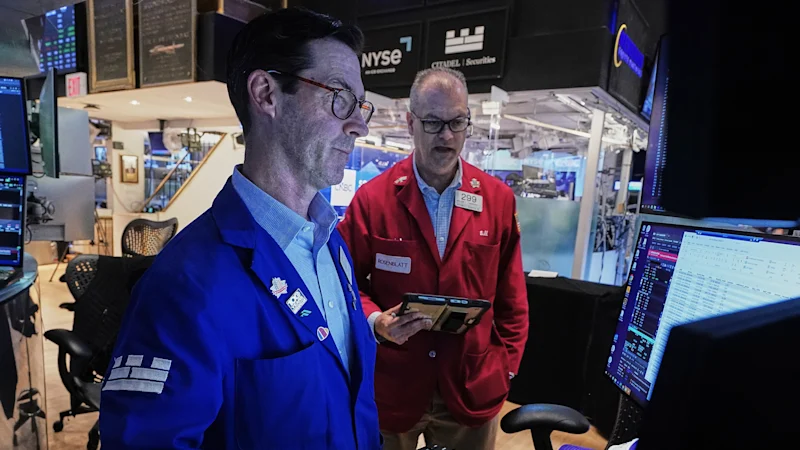
Staff writersUpdated July 27, 2026 — 10:44am,first published July 27, 2026 — 5:25amThe Australian sharemarket has jumped higher at the open with oil prices diving as the US paused an almost two-week run of strikes against Iran while the Islamic Republic signalled it was refraining from any retaliatory attacks and held talks with Oman over the Strait of Hormuz.The S&P/ASX 200 was up 77.8 points, or 0.9 per cent, to 8850.1, in early trade, with nine of 11 industry sectors in positive territory.Wall Street had a mixed session on Friday. APAfter striking Iran for 13 straight days, the US has held fire since Friday (US time) without any explanation or announcement, raising questions over President Donald Trump’s next move. Iran’s army said Tehran had halted its responses as a result.The easing tensions sent oil prices lower over the weekend and they continued to fall in early Asian trade on Monday. Brent crude, the international standard, fell 4.2 per cent this morning to $US92.02. It was above $US100 on Friday. West Texas Intermediate lost 5.2 per cent this morning to $US86.48. Energy stocks slumped in early trade with Woodside Energy down 3.1 per cent and Santos shedding 3.6 per cent. Refiners Ampol (down 2.7 per cent) and Viva Energy (down 2.4 per cent) also lost ground.“The pause in strikes and reports of progress in talks has raised expectations of a de-escalatory pathway emerging again, which could lead to a rebound in flows through the Strait of Hormuz and the Red Sea,” said Saul Kavonic, senior energy analyst at MST Marquee.“However, all of the key issues, including Iran’s control over the strait, and its missile and nuclear programs, remain intractable, and there is a high risk any ceasefire proves merely temporary,” Kavonic added.Mining stocks bounced higher with BHP jumping 2.1 per cent, Fortescue adding 1.6 per cent and Rio Tinto rising 2 per cent. Gold miners also advanced with the price of the precious metal steadying above $US4000 ($5716) per ounce with the developments in the Middle East easing inflation fears. Northern Star jumped 2.7 per cent and Evolution Mining surged 3.2 per cent.Financial stocks climbed, with Commonwealth Bank up 0.3 per cent, National Australia Bank 1 per cent, Westpac 0.6 per cent and ANZ Bank 0.1 per cent.Technology stocks bounced higher with WiseTech jumping 2.6 per cent, Xero 5.1 per cent, Technology One 3 per cent and NEXTDC 2.3 per cent.Myer tumbled 11.2 per cent on the back of disappointing sales figures with the retailer saying it has had to promote more aggressively to combat growing reluctance among Australians to spend money due to cost-of-living pressures.“Whilst performance in the first four months of [the second half of fiscal 2026] was mixed, including a stronger May, we observed a material downturn in sentiment,” said Myer executive chair and chief executive Olivia Wirth.Myer’s total sales grew 11.3 per cent to hit nearly $4.1 billion for the 2026 financial year, according to unaudited figures. Operating gross profit is expected to fall within $1.6 and $1.61 billion.The Australian dollar was trading at US70¢ at 10.36am AEST.On Wall Street, the S&P 500 barely budged on Friday in a day of uneventful trading. The index notched its second consecutive losing week, which hasn’t happened since March. The Dow Jones rose 0.5 per cent and the Nasdaq fell 0.6 per cent, to 24,975.82. It was weighed down by sharp losses from several big tech stocks.Micron Technology fell 7 per cent and Broadcom fell 2.7 per cent. Both companies have large market values that tend to weigh more heavily on the market. They were big reasons for the technology-heavy Nasdaq lagging the market, and also why the market’s gains were kept in check despite more stocks rising than falling within the S&P 500.The Fed meets next week and has been closely monitoring prices and their impact. Rising inflation dashed hopes earlier this year for an interest rate cut. Wall Street has since leaned more toward a potential rate increase, which the central bank can use to help cool inflation.Wall Street is anticipating at least one rate hike by the end of the year, with a nearly 38 per cent chance that could happen at the upcoming meeting next week, according to CME FedWatch.Higher energy costs threaten to take a bigger chunk out of household budgets, which means a shift in spending toward more basic needs, like gasoline. Nationally, a gallon of gasoline costs $4.10 per gallon, according to AAA. That’s still lower than this spring as the conflict in Iran expanded, but it’s almost a dollar higher than last year at this time.Investors are worried about the impact to companies profits. Those profits and expectations for more growth are what typically justifies a stock’s value. The latest round of corporate earnings showed that companies are still notching growth, but concerns are growing.Worries about the sustainability of broader profits are on top of lingering concerns about AI-focused tech companies. Companies like Alphabet and Nvidia have been spending heavily on AI technology. Investors are increasingly questioning whether those investments will produce profits to justify the large stock values that have been steering the broader market higher throughout the year.With AP, Bloomberg The Market Recap newsletter is a wrap of the day’s trading. Get it each weekday afternoon.From our partners
ASX jumps as oil prices dive; Myer tumbles
The Australian sharemarket has jumped higher at the open with oil prices diving as the US paused an almost two-week run of strikes against Iran.
TL;DRAI
ASX jumped 0.9% as Brent crude plunged 4.2% to $92 after US halted 13-day Iran strikes and Tehran signaled de-escalation. Tech valuations wobble: Micron -7%, Broadcom -2.7% reflect doubt on AI capex ROI amid geopolitical shocks and Fed tightening signals.
878 words~4 min read