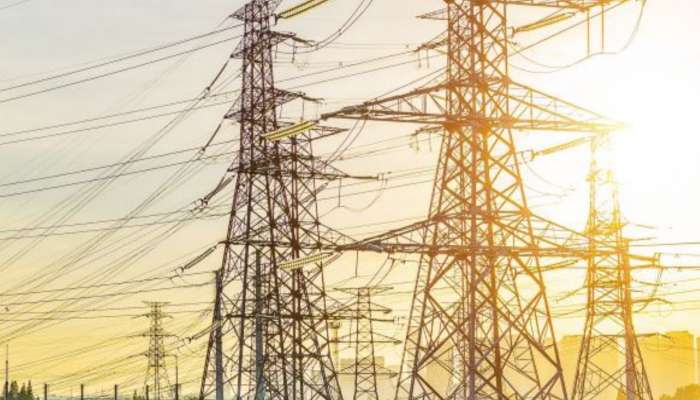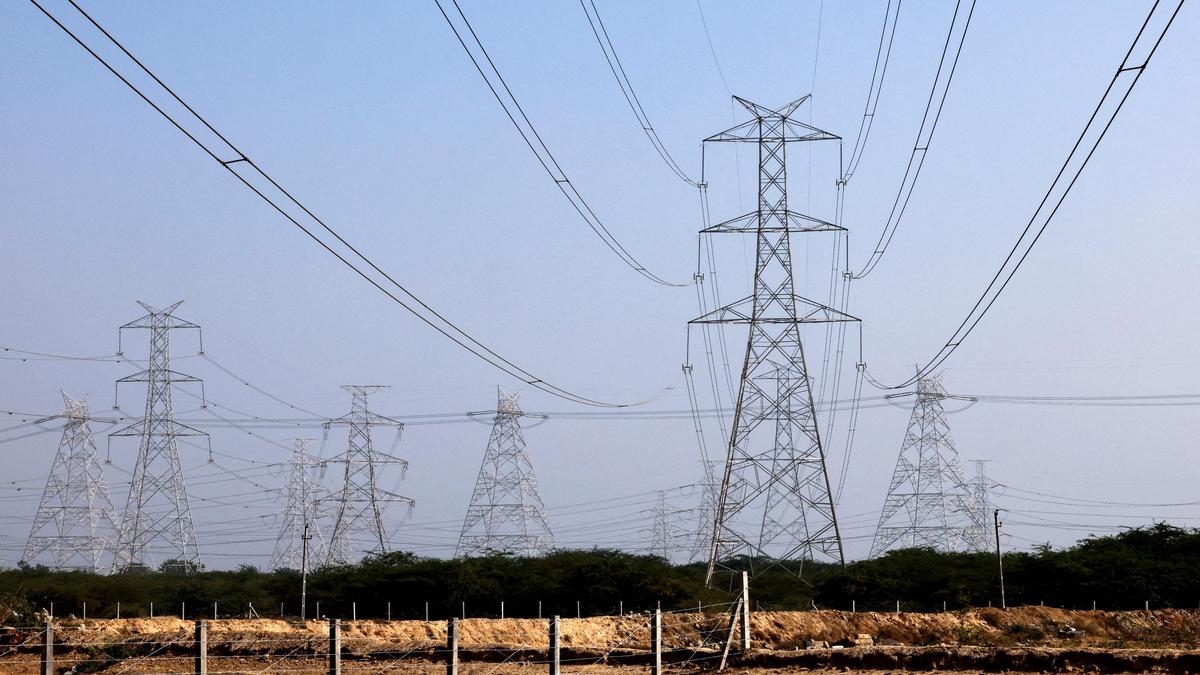
India’s electricity demand rose about 6% in the first half of 2026, driven by industrial activity and prolonged heatwaves, according to the IEA.
| Photo Credit:
iStockphoto
India’s power demand rose in the first half of the current calendar year, led by strong industrial activity and heatwaves, with electricity shortages more than doubling on an annual basis during January-May 2026, said the International Energy Agency (IEA).In its mid-year electricity market review, the agency noted that electricity demand rose by around 6 per cent in H1 2026, led by stronger activity in industry and services and by heatwaves sweeping the country between mid-April and early June.May saw an 11 per cent y-o-y increase, as cooling degree days were also 7 per cent higher in India. Intense summer heat resulted in peak electricity demand hitting record-high values for four days in a row between May 18-21, with peak load reaching 270.8 gigawatt (GW) on May 21, it added.Peak demand was fully met thanks to higher thermal and renewable capacity, with solar PV covering 22 per cent of the daytime peak (60 GW).Electricity shortages increase despite adequate peak capacity‘However, growing summer peak net load (i.e. excluding load covered by Variable RE) in evening hours requires rapid ramp up of coal-and gas-fired generation during the day, in some cases leading to electricity shortages, which more than doubled in Jan-May 2026 compared to the same period last year,’ IEA said.States in the Northern Region of India’s national grid, such as Punjab, Haryana, and Uttarakhand, showed the highest levels of energy not supplied, reaching up to 2 per cent of monthly demand in April.Second half outlookIEA expects electricity demand in India to rise at a higher pace for the remainder of the year, reaching an annual growth rate of 7 per cent for the full year, supported by economic expansion and accelerating electrification.This is against an unusually subdued increase of just 1.6 per cent y-o-y in 2025 due to the early onset of the monsoon.Weather conditions are expected to continue to play a major role in electricity demand growth trends this year. The monsoon onset was declared on June 4, three days later than the average, and the India Meteorological Department (IMD) forecasts rainfall during the monsoon season to be the lowest in eleven years.‘This could lead to increased electricity consumption in the agricultural sector for irrigation pumps, as well as higher cooling demand across the country,” it added.JM Financial sees prolonged high-demand seasonJM Financial emphasises that power demand is more closely correlated with wet-bulb temperature (heat + humidity, typically high during El Niño) than with dry-bulb temperature (heat + dryness).In a recent commentary, the brokerage said that as El Niño conditions intensify mid-July onwards, below-normal precipitation, elevated daytime and nighttime temperatures are expected.“As per our analysis of the 2023 El Niño, higher humidity led to spikes in wet-bulb temperature and continued cooling demand beyond the usual May-June. Notably, FY24 power demand peaked in September (243 GW) versus the usual May/ June (224 GW). The El Niño not only raises peak, but also extends high-demand season,” it added.Supply constraints may widen the deficitIt also expects more shortages mid-July onwards as wind generation is likely to weaken seasonally over July-September, with peak wind supply likely falling from 15–18 GW to around 10 GW by August-September. Hydro power also looks constrained with reservoir energy content down 50 per cent y-o-y.“Thermal is already stretched with on-stream capacity operating at over 90 per cent PLF. Gas can support modestly to absorb the incremental peak. So, the deficit is likely to extend and increase during mid-July to end-August,” JM Financial added.Published on July 27, 2026