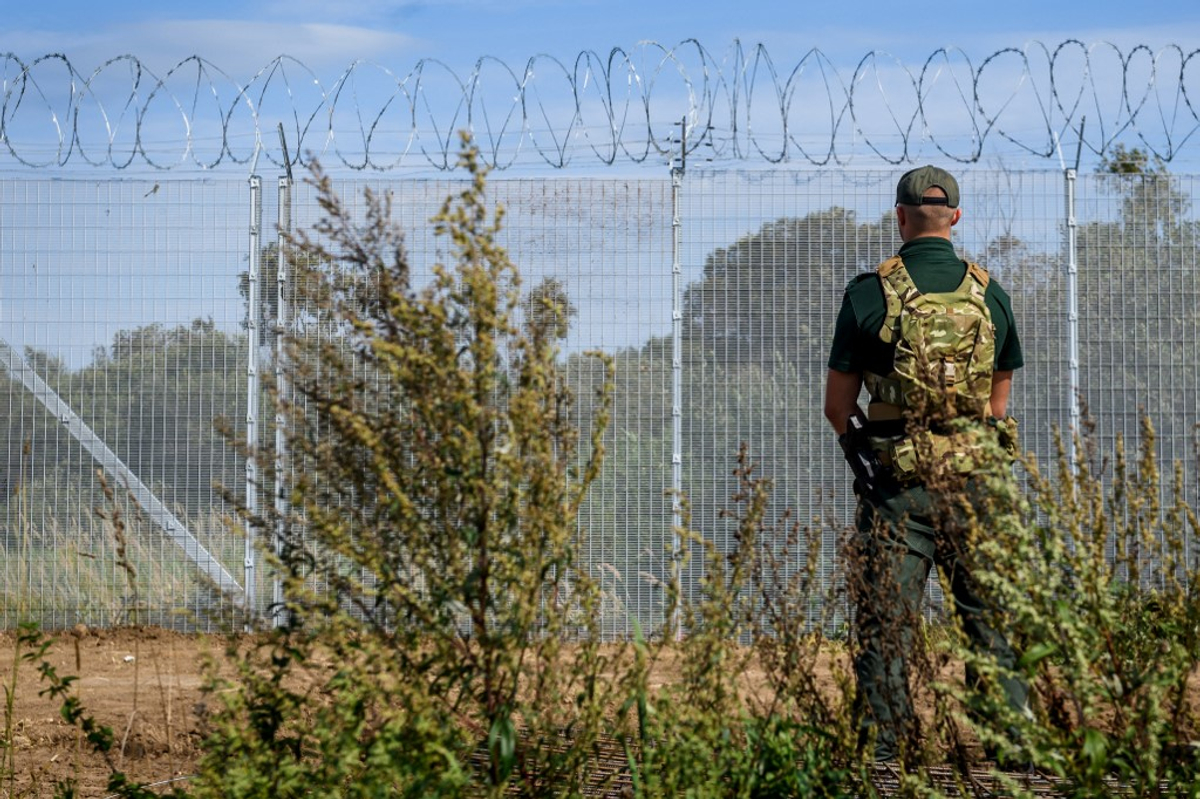
Hybrid operations have become a regular feature across NATO’s eastern flank. Western intelligence agencies warn that Russia and Belarus are not merely continuing such activities – they are intensifying them and steadily pushing them closer to the threshold of open warfare. That is precisely why it is becoming increasingly important to call things by their proper names. The spectrum of activities commonly described as “hybrid” is remarkably broad, ranging from seemingly harmless incidents to actions that pose a direct threat to human life.JOIN US ON TELEGRAMFollow our coverage of the war on the @Kyivpost_official. Examples include: military aircraft flying over the Baltic Sea with their transponders switched off, intercepted by NATO fighters; warehouse fires; railway sabotage; explosive devices hidden in cargo shipments; migration pressure orchestrated on the Belarusian border; GPS jamming; the presence of Russia’s so-called shadow fleet – or, more accurately, a fleet of rusting vessels – in the Baltic; cognitive operations aimed at weakening public support for Ukraine; provocations and politically motivated graffiti. For years, Russia has sought to expand this spectrum of supposedly “hybrid” activities. But where does it end? The growing frequency and intensity of these operations have made them disturbingly familiar. Increasingly dangerous incidents are becoming part of everyday reality, dulling public sensitivity to escalation.
Why Calling Russia’s Actions ‘Hybrid Warfare’ Is a Dangerous Mistake
Beyond Ukraine’s borders, Russia is pushing the boundaries below the threshold of war. But lumping everything under “hybrid warfare” risks normalizing acts resembling state-sponsored terrorism.
799 words~4 min read