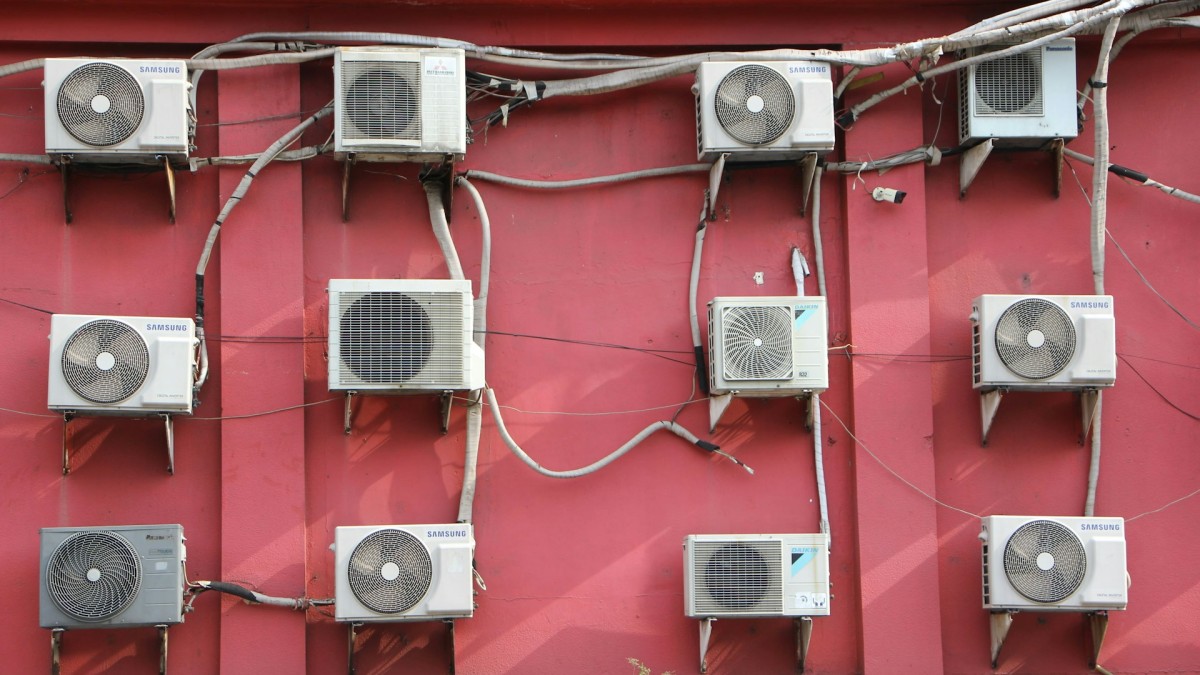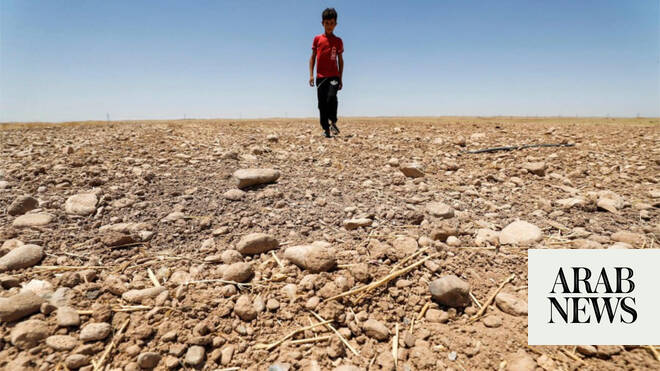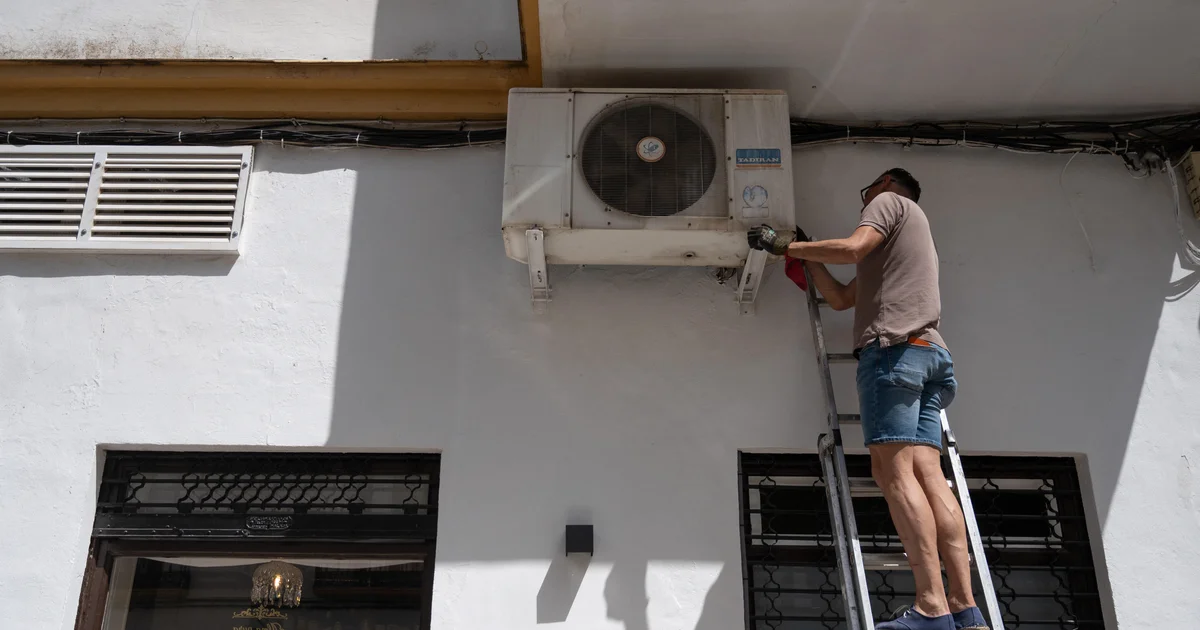
As global temperatures break new records, a stark disparity in climate resilience is unfolding, and this has been flagged off time and again. No surprises then when a new global report from the Climate Impact Lab (CIL) showed that “climate change is projected to cause more AC adoption for the wealthy and shorter lives for the poor.”CIL, housed at Energy Policy Institute, University of Chicago, is a collaborative research initiative that quantifies the real-world economic and social costs of climate change across communities worldwide.Climate change’s unequal impacts highlight the urgent need to discover innovative adaptation strategies in today’s poor and hot countries, according to the report released on Monday. Climate-driven temperature change is projected to cause about 430,000 more deaths a year by 2050, with 10 times more of these deaths in poor countries than in wealthy ones, it said.This report, with a focus on energy use -- Measuring the impact of rising temperatures on energy consumption to target adaptation planning -- is the second in the Lab’s Adaptation Roadmap series that takes as its starting point the urgent need to embrace adaptation as a central part of the strategy to confront climate change, alongside greenhouse gas emissions mitigation.On India, the report’s country-level data show electricity consumption projected to grow 12 per cent above current levels by 2050 - one of only two countries in Asia projected to cross 10 per cent growth. The report also looks at what that demand growth means for India’s power infrastructure, and what current grid reliability looks like heading into it.CIL report finds that many of the regions most impacted by extreme heat will also lack the resources to power the cooling needed to adapt. “Air conditioning is a life saver, and climate change will no doubt lead to more AC adoption in today’s wealthy countries,” Michael Greenstone, a co-founder of the CIL and the Milton Friedman Distinguished Service Professor in Economics at the University of Chicago said.“Our research finds, however, that in too many countries around the world people will not be able to respond in the same way. The result is one of climate’s great cruelties—lots of death in the very countries that have contributed the least to climate change,” he said.“These findings are a clarion bell that many countries do not have much time to improve the functioning of their electricity markets so they deliver inexpensive and reliable energy and identify other successful adaptations that can save lives,” he added.Asked how does the local projections in the report separate general atmospheric global warming from localised urban heat island effects caused by the physical exhaust heat of the AC units themselves, Ashwin Rode, Director, Scientific Research, Energy Policy Institute at the University of Chicago, and Fellow at the CIL and a co-author of the report, told businessline that “While our projections account for various factors that lead to increased energy consumption on hot days, they do not account for feedback effects such as additional localised warming generated by AC usage. These compounding feedbacks will impose further stress on the electricity grid.”On how should wealthy nations, who historically caused the most emissions, financially support cooling adaptation infrastructure in equatorial nations bearing the brunt of the heat, he said “The study doesn’t address the mechanisms by which wealthy nations should financially support cooling adaptation infrastructure. But for financial support to be effective, we need to understand the places that need support the most. This report pinpoints those locations and provides adaptation strategies that could be most effective.”As the world warms, many middle-income countries will see their economies grow enough and their energy markets mature enough to support greater consumption of electricity and access to cooling. Electricity used for cooling is projected to grow seven times more in middle-income than in low-income countries due to climate change.In fact, the growth of electricity use per person due to a warming climate in low-income countries is projected to be so small it would only be enough to power a single LED bulb for four months. The same poor countries projected to see so little increase in electricity also tend to be hotter than other countries.The report identifies areas in 18 countries—home to 676 million people—that are trapped in this deadly combination of extreme heat and lack of cooling. Due to hotter temperatures and little projected increase in energy consumption, around 377,000 people in these areas are set to die annually by 2050.These people mostly live in northern sub-Saharan Africa such as Niger, Mali, Burkina Faso and Chad. The rest live in Southern Asia, including Pakistan, Bangladesh, Nepal and Myanmar. These trapped countries sit in stark contrast to their wealthier neighbours, the report said.CIL is developing a global playbook of data-driven, adaptation priorities and tested adaptation strategies for funders national and local governments, and the people that will increasingly face climate risks. “The approaches proven thus far to be effective are available in the Lab’s Adaptation Inventory” he said.Published on July 27, 2026
‘AC for some, shorter lives for others’: The unfair toll of global warming
Global warming is projected to cause 430,000 additional annual deaths by 2050, disproportionately affecting poorer nations.
825 words~4 min read