Checks and balances are tools of good governance in any democracy. Nigeria’s 1999 Constitution, as amended, therefore, is replete with provisions where the Executive, Legislature and the Judiciary arms have been empowered to give effect to this principle, for the public good.
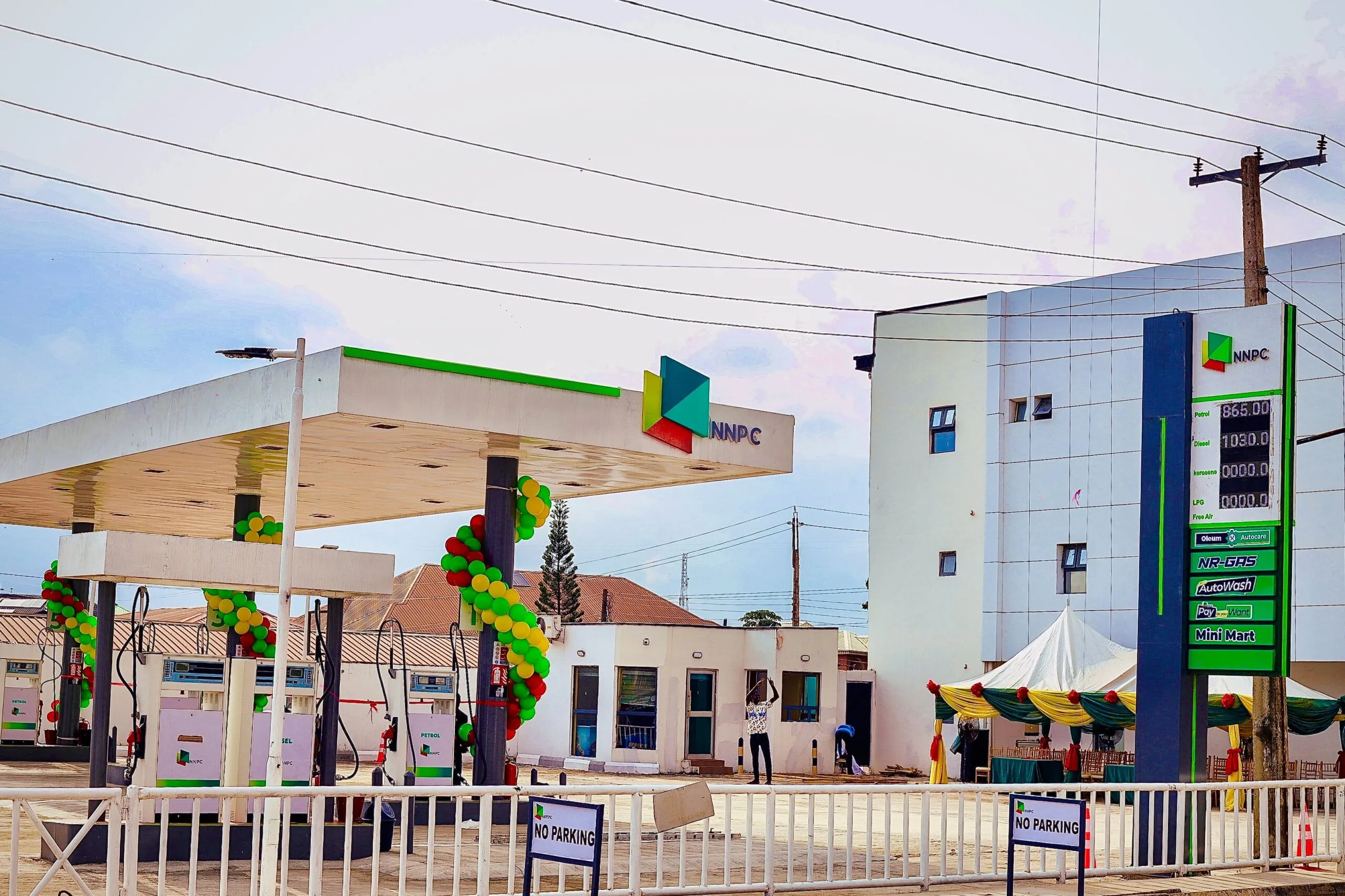
Sadly, the National Assembly’s duty to discharge this critical responsibility has become an illusion, due to the unwillingness of government agencies to be subjected to scrutiny where necessary. Two recent notorious cases, which involve the Nigerian National Petroleum Company Limited (NNPCL), are embarrassing and quite telling on the integrity level that is brought to bear on the management of the country’s most strategic asset.
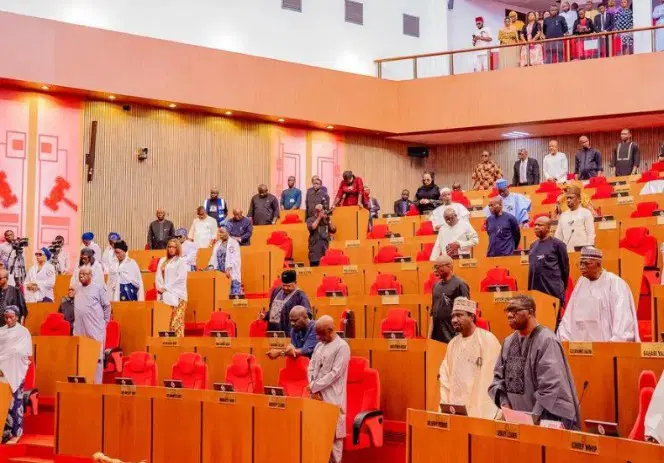
As enshrined in Section 89 of the 1999 Constitution, as amended, the National Assembly is empowered to have “oversight” of or “investigate” any matter it has the power to legislate on, while Section 88 (a) is its enabler to issue a “warrant to compel the attendance of any person who, after having been summoned to attend, fails, refuses…” to do so.
Not willing to tolerate the NNPCL’s unremitting breach of this constitutional provision, the Deputy Chairman of the Senate Committee on Petroleum Resources (Upstream), Allwell Onyesoh, staged a walkout of a meeting, penultimate week. The agency’s top management had repeatedly ignored summons to crude oil theft hearing sessions. Besides, the oil sector governance framework is undergoing a review aimed at strengthening it; hence the necessity of its presence at legislative sessions.