By Moshood Oshunfurewa
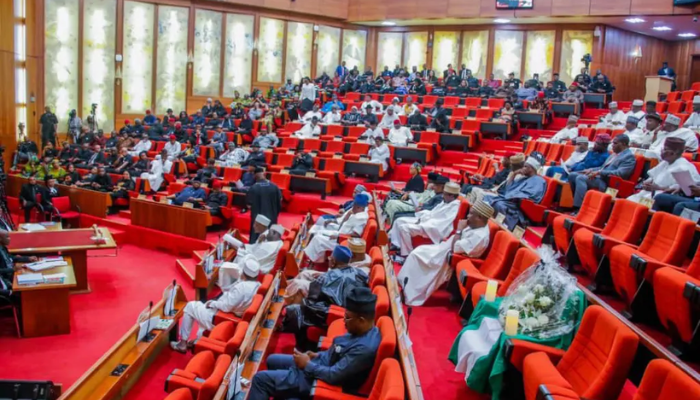
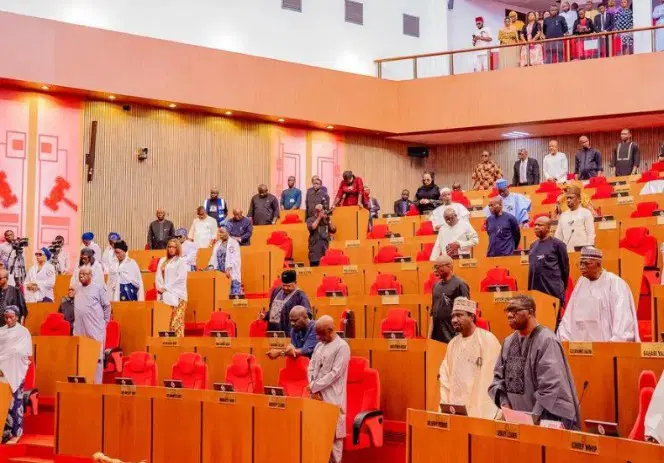
The 10th Senate under President Godswill Akpabio presents a compelling case study of democratic corrosion masked as efficiency. In just two years, this chamber has introduced 844 bills, a figure trumpeted as unprecedented, yet these raw numbers obscure a deeper institutional crisis. The Senate has become the executive’s most reliable political vassal, a body where opposition is not so much defeated as it is rendered irrelevant.
According to some lawmakers and political observers, the circumstances surrounding the emergence of the 10th National Assembly leadership raised questions about legislative autonomy. Following the inauguration of the Assembly on June 13, 2023, President Bola Tinubu publicly endorsed Senator Godswill Akpabio for Senate President and Tajudeen Abbas for Speaker of the House of Representatives. Senator Victor Umeh of Anambra Central has argued that this endorsement influenced the leadership-selection process and reduced the likelihood of robust legislative scrutiny of executive policies. He further claimed that lawmakers who opposed the executive-backed arrangement faced public criticism and pressure, creating an environment in which dissenting voices became less influential.