Get the latest news and updates from Dawn
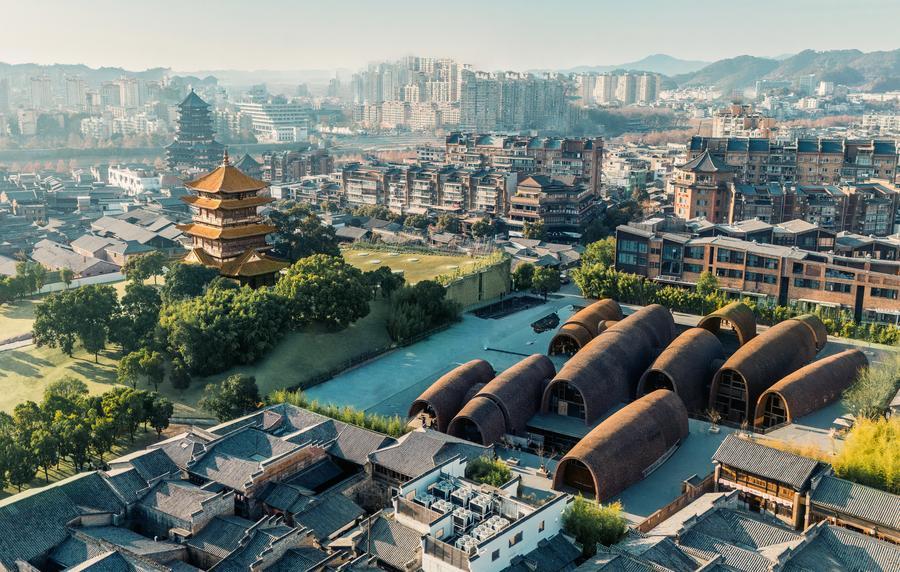
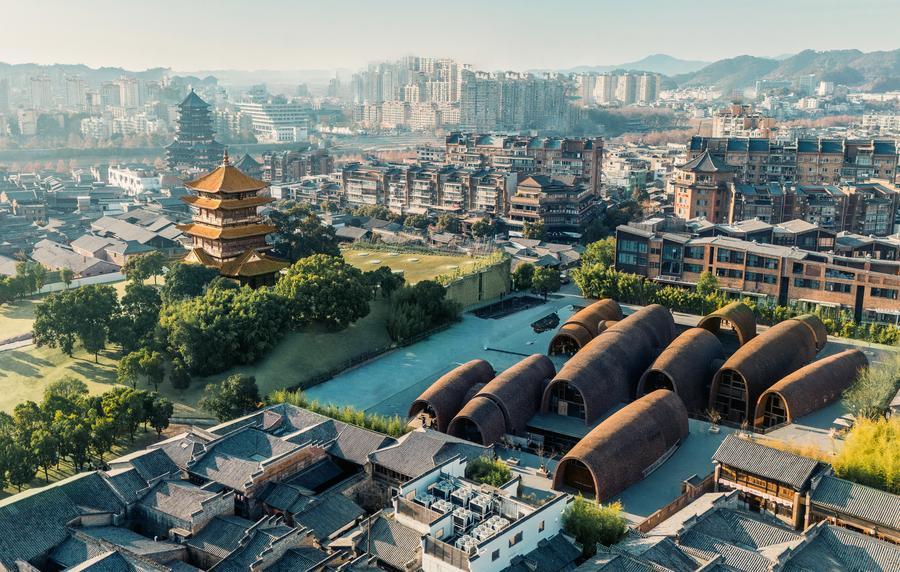
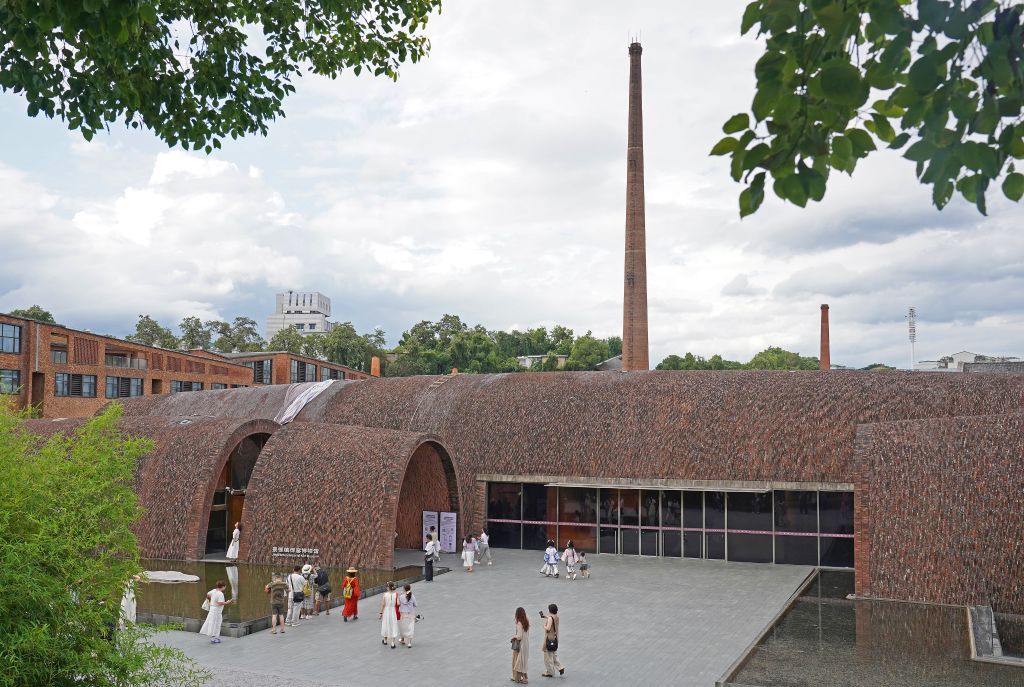
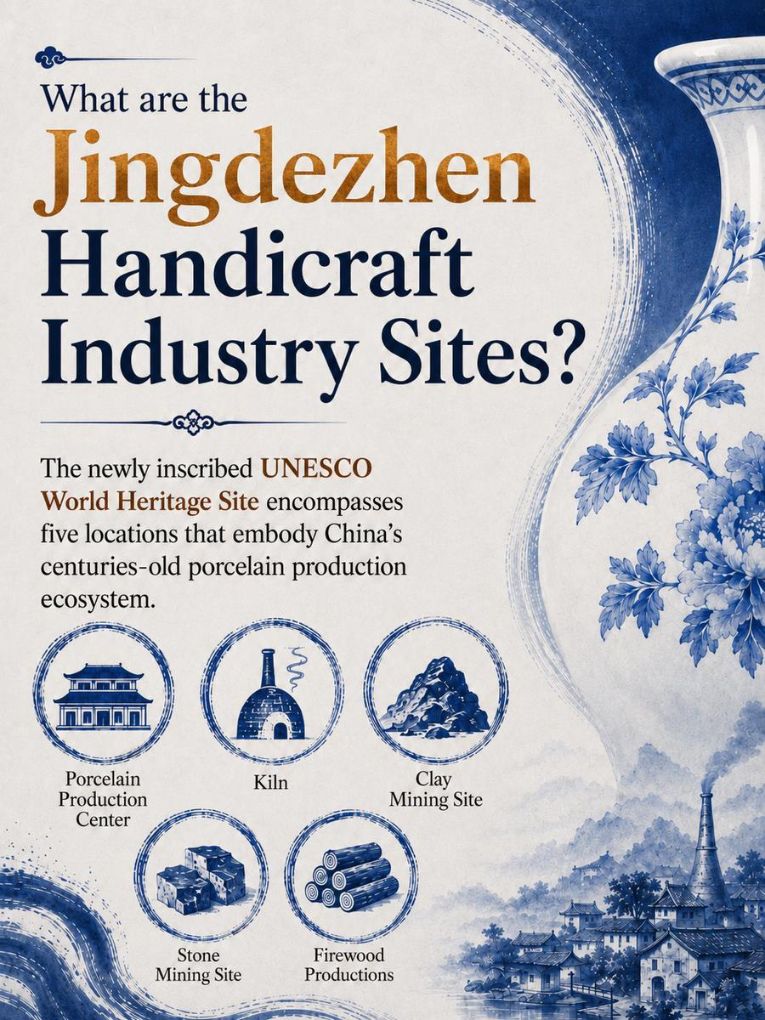
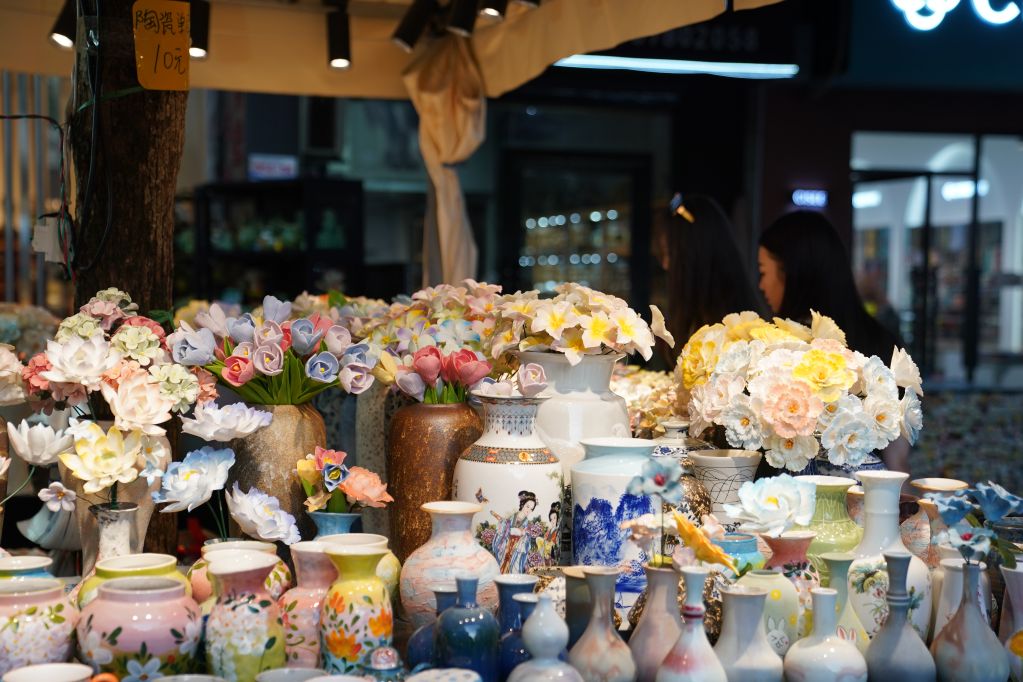
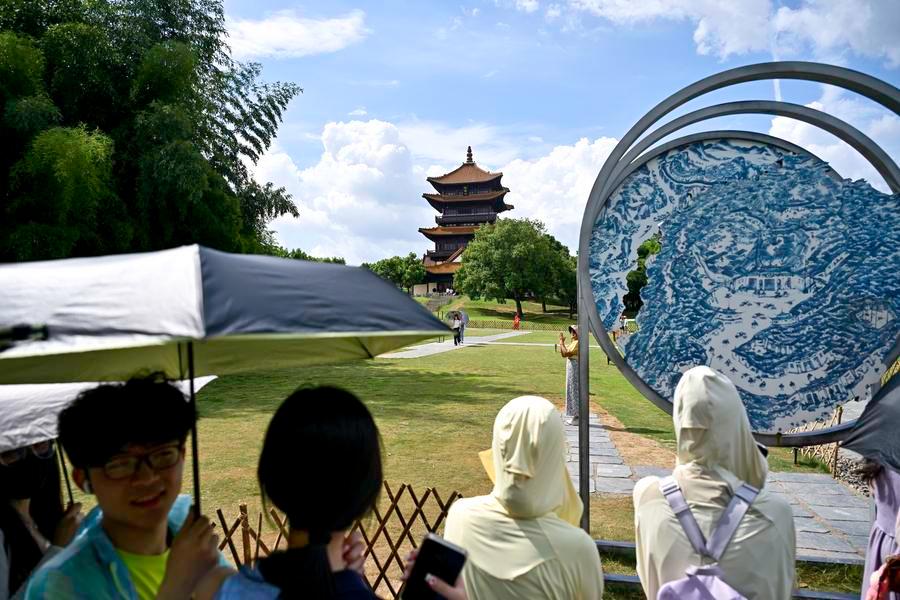
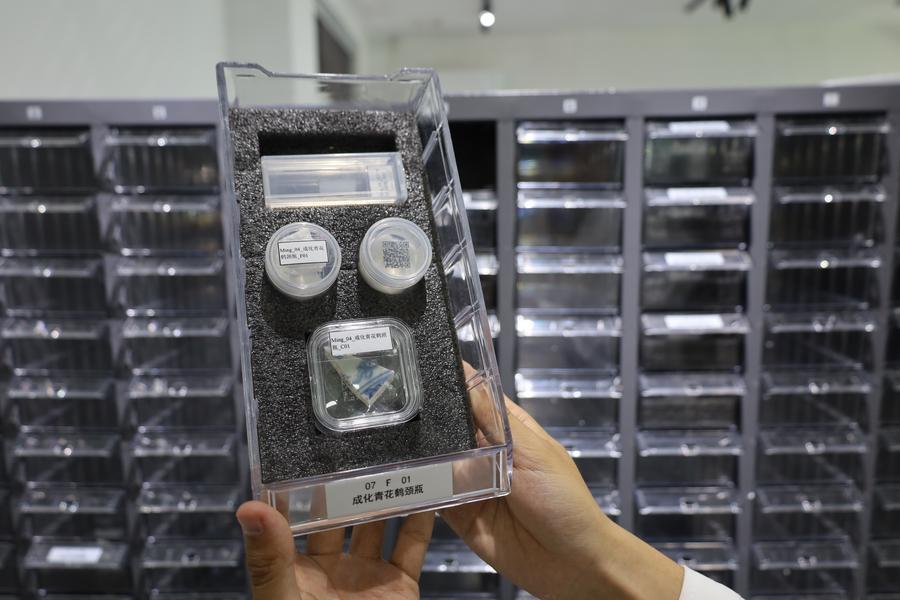
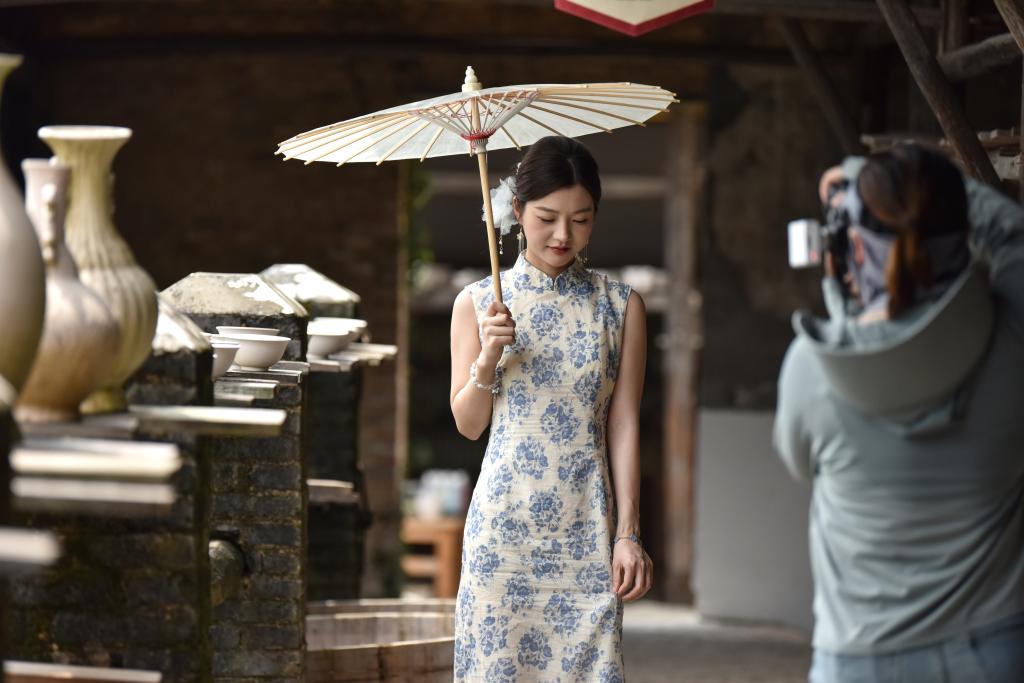
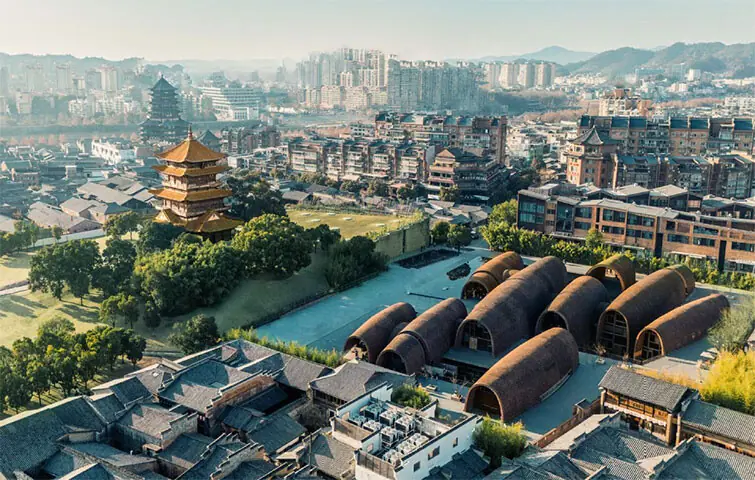
NANCHANG: For more than 2,000 years, kiln fires have burned in China’s Jingdezhen, transforming humble clay into exquisite works of art. This is no ordinary city.
Situated in a corner of East China’s Jiangxi province, the world-renowned “porcelain capital” has long been the heart of Chinese ceramic culture. Its storied history, in many ways, embodies the enduring continuity of the Chinese civilisation itself a living tradition preserved, reshaped and renewed through generations.
The essence of Jingdezhen’s millennia-old heritage lies in the hands of its artisans. As described in the Chinese scientific classic “The Exploitation of Nature’s Works,” or “Tian Gong Kai Wu,” the porcelain-making process here entails 72 steps, with each demanding patience, precision and skill.
These very qualities continue to define craftsmen such as Sun Lixin. The 59-year-old began his apprenticeship more than four decades ago, learning every stage of porcelain production, from freehand delineation and the painting of classical motifs to clay forming and the compounding of glazes.