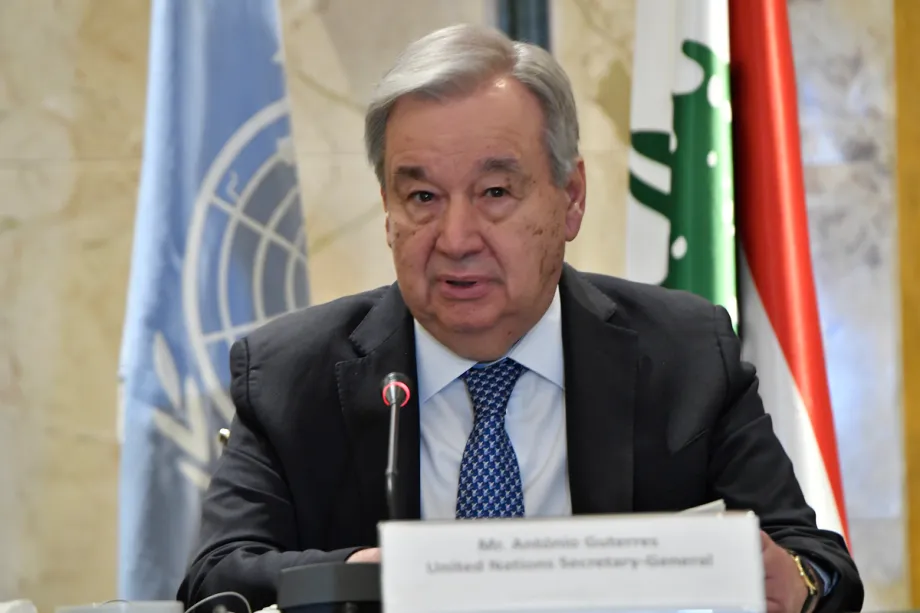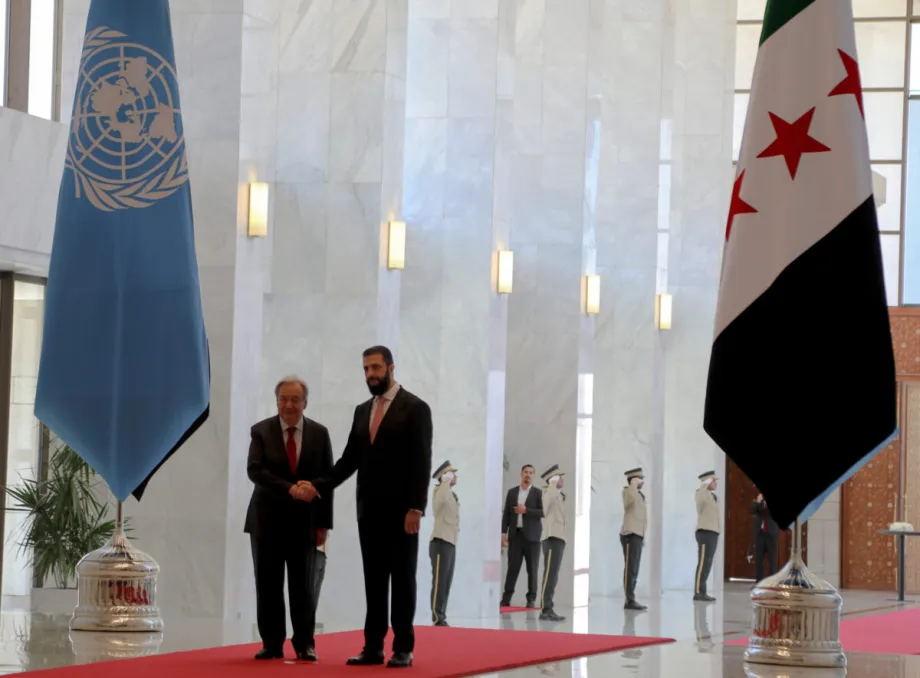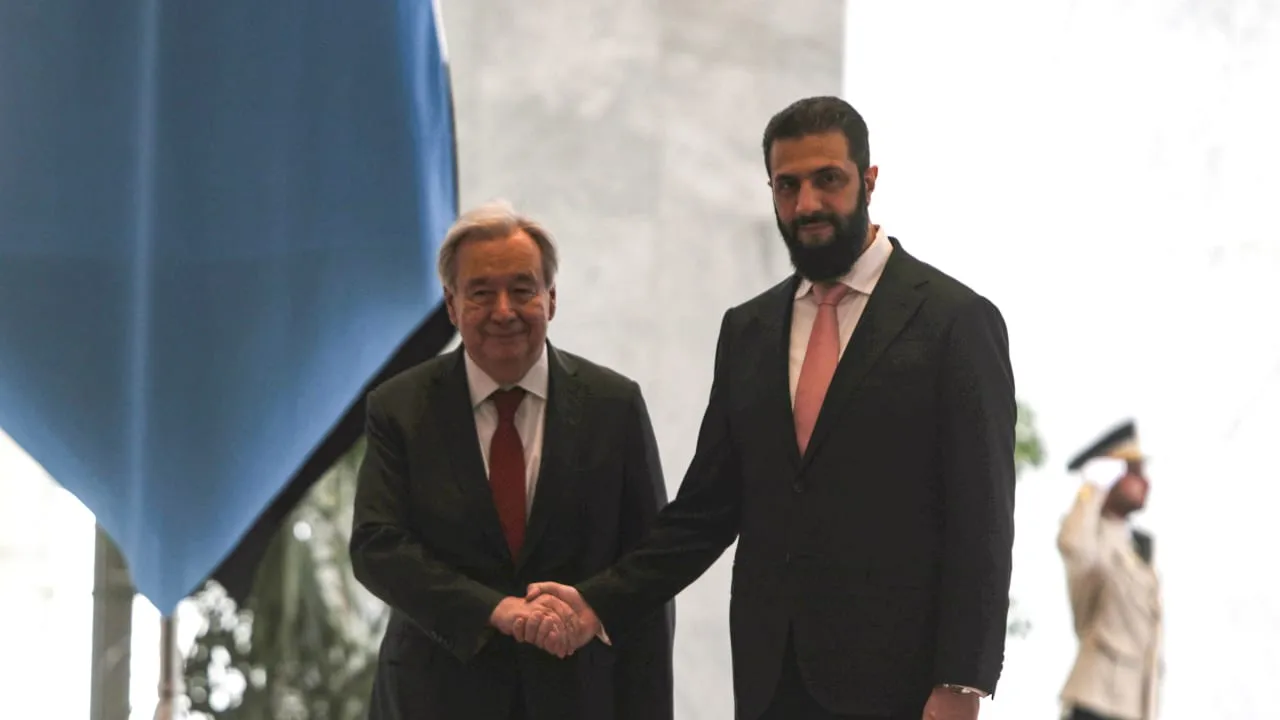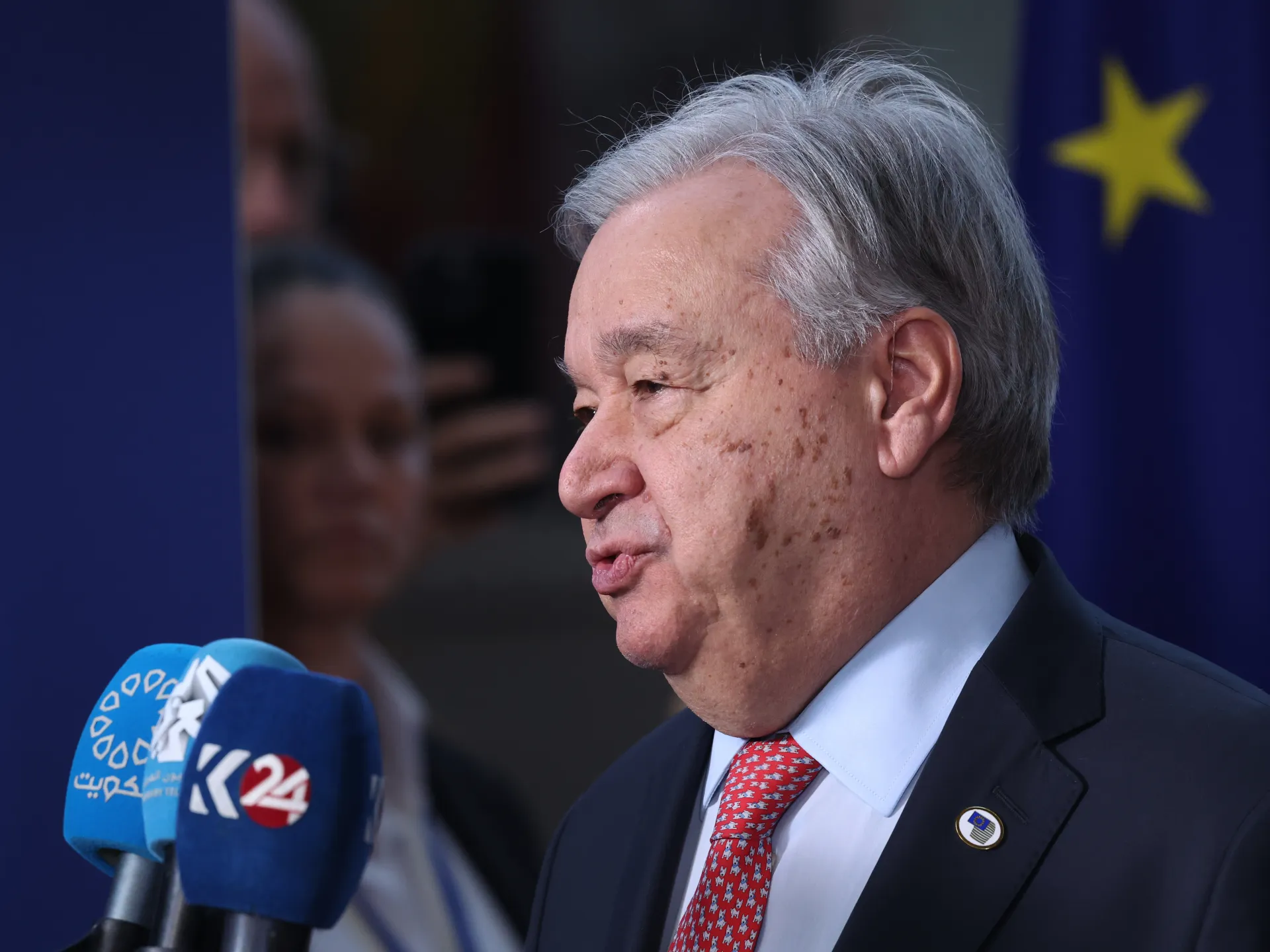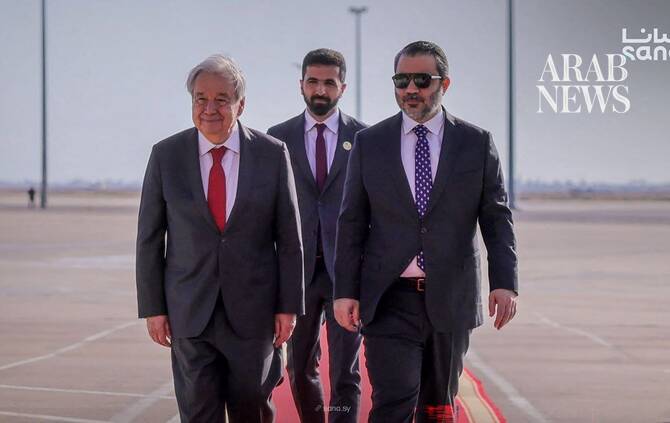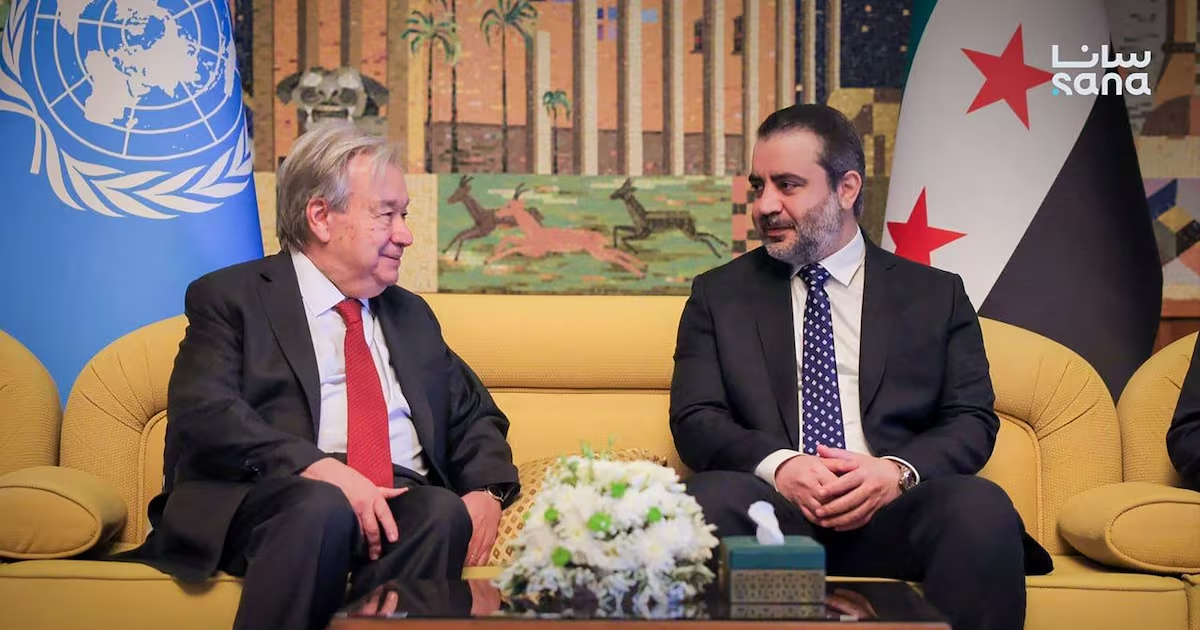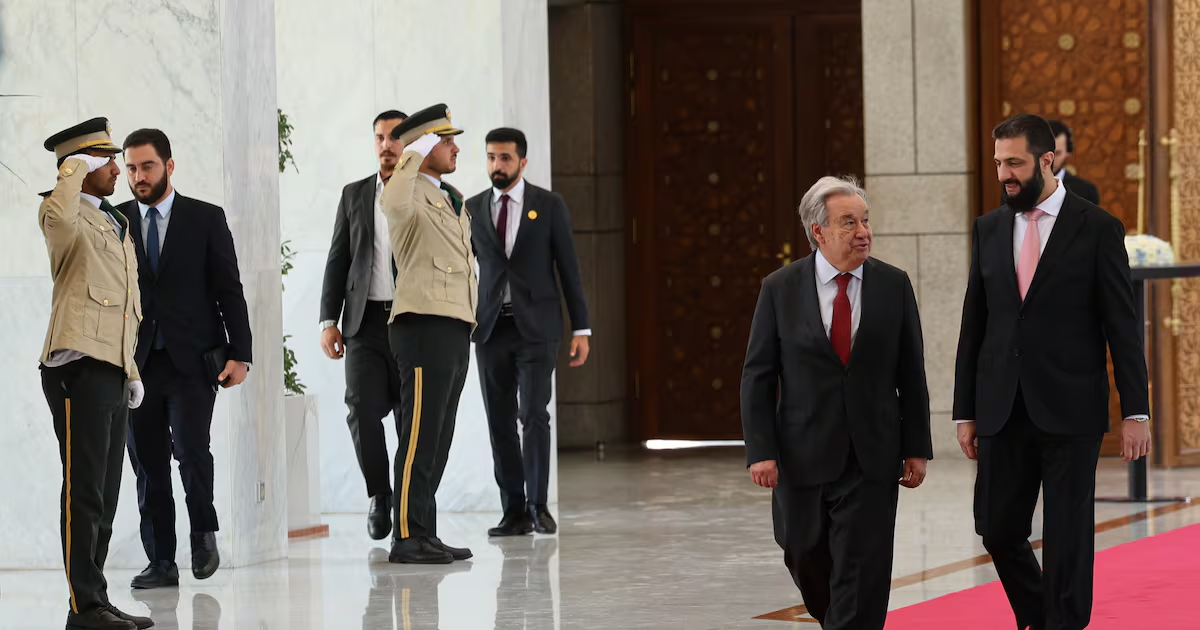
Antonio Guterres’s arrival in Damascus over the weekend made him the first UN secretary general to visit Syria in 17 years. He was received by Foreign Minister Asaad Al Shibani and went on to meet President Ahmad Al Shara, with recovery projects and the future of UN peacekeeping on the agenda. In a year crowded with such moments – Mr Al Shara in the Oval Office, Emmanuel Macron in Damascus, sanctions relief arriving in stages – it would be easy to file this as one more photo op. But there was much more to Mr Guterres’s visit than symbolism.The country he arrived in bears little resemblance to the one his predecessor saw. When Ban Ki-moon visited in 2009, Bashar Al Assad was being courted by European capitals, Syria sheltered one of the region’s largest refugee populations and the uprising was still two years away. Its people were hosts to millions of Palestinian and Iraqi refugees then. They are now among the world’s most displaced. The UN’s role, in the eyes of many Syrians, is not without controversy. Throughout the civil war, it maintained its links with the Assad regime and accepted its terms for delivering aid, even as chemical weapons were used against rebel-held areas and civilians were besieged. Relief routed through Damascus was too often exploited by the regime.At the time, there were few other options. Empowering the UN to deliver aid into opposition areas without the regime’s consent would have required a mandate from the deeply divided Security Council, which hampered most efforts to do so. Any serious efforts to negotiate a political solution to the civil war required continued engagement with the regime. That of course angered many Syrians who suspected that UN engagement gave the Assad government legitimacy without bringing an end to the war.With Mr Guterres’s visit, however, the UN’s leadership returns to the country hoping to engage with all Syrians, and to bring unique capabilities. Syria has successfully courted Gulf investors to help rebuild ports and power and has made headway in getting Washington to lift designations. With the UN, it hopes to revive talks with Israel, which has seized large swathes of Syrian territory since the Assad regime fell. Damascus wants a return to the previous, UN-backed status quo, which created a demilitarised boundary between Syria and Israel, monitored by UN peacekeepers.QuoteGuterres undoubtedly wants to demonstrate that the UN can still be a catalyst for progress in the regionMr Guterres also has a personal stake. He ran the UN refugee agency from 2005 to 2015; in the latter years of his tenure, Syrians fleeing Mr Al Assad became the world’s largest displaced population, and he spent them pressing European governments to open their borders and donors to fund Syria’s overstretched neighbours. Few officials made the Syrian case more insistently. Mr Guterres undoubtedly wants to demonstrate that the UN, whose ineffectiveness in dealing with the Gaza and Iran wars has caused its reputation to suffer in the Middle East, can still be a catalyst for progress in the region.The humanitarian case for UN engagement in Syria today is stark: two thirds of its 23 million people need aid, 5.5 million are displaced at home and landmines are killing returning families. Damascus says it will let UN agencies operate if they stop hiring former regime associates. That is only the start of the tests the UN will face in Syria. In weaker states, the UN is often accused of supplanting government institutions, even inadvertently, rather than supporting them. That is something Syria’s new authorities want to avoid as they build up their state's capacity.Mr Guterres’s return may begin a new chapter for the UN and Syria. For Syrians, it is another, important step in their efforts to reclaim their place on the world stage. For the UN, it is a chance to set many things right.
Guterres's visit to Damascus is a chance for the UN to reset with Syria | The National
The world body has a troubled history in Syria, but it can still be a catalyst for much-needed progress there
641 words~3 min read