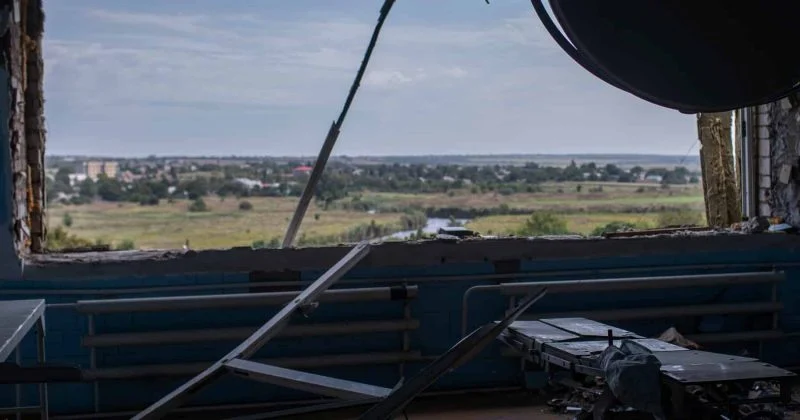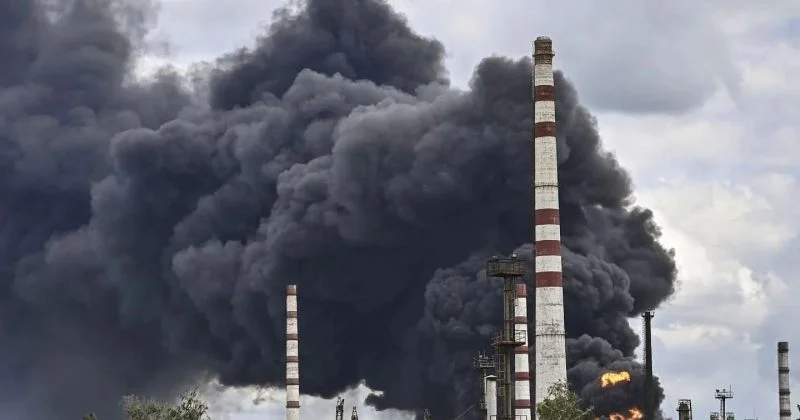
A recent strike by Ukraine on the Russian city of Rostov-on-Don has resulted in two fatalities, according to official reports. This incident is part of the ongoing cross-border hostilities in the Russo-Ukrainian war, where both nations have been engaging in drone and missile attacks. Rostov-on-Don, a significant southern Russian hub, has been a frequent target in this conflict, with recent strikes impacting industrial and transport infrastructure. The attack underscores the persistent escalation in military tensions, reducing prospects for a ceasefire.
In the wake of this strike, prediction markets have responded by adjusting the perceived likelihood of a ceasefire agreement being reached by the end of 2026. Currently, the probability of a formal ceasefire by December 31, 2026, stands at 35.5% for the main market, marking a slight decrease from previous levels. This adjustment in pricing suggests that market participants view the ongoing military activities as inconsistent with scenarios leading to a peaceful resolution in the near term.
Key Takeaways
The strike on Rostov-on-Don appears to reduce the likelihood of a ceasefire agreement by the end of 2026.
Recent pricing suggests market participants view the ongoing conflict as consistent with continued military escalations.