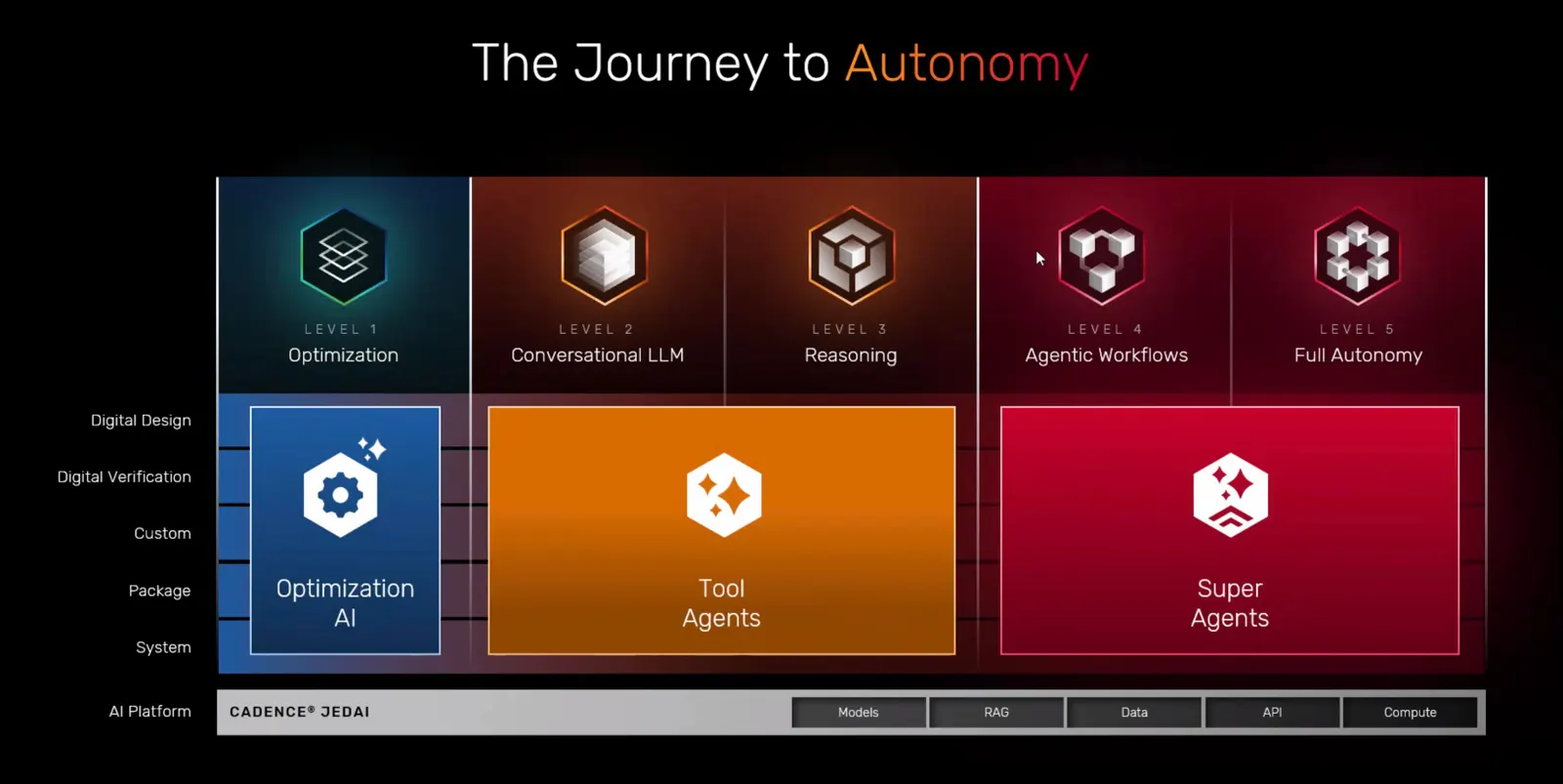
Modern chip design is increasingly limited by engineering time. Register transfer level (RTL) development and verification require specialized hardware knowledge, precise reasoning, and repeated interaction with electronic design automation (EDA) tools. LLMs have accelerated code generation, and AI agents extend their impact by using verification feedback to iteratively correct errors.
This is critical for RTL, where correctness depends on precise temporal behavior and many bugs appear only during tool-based validation.
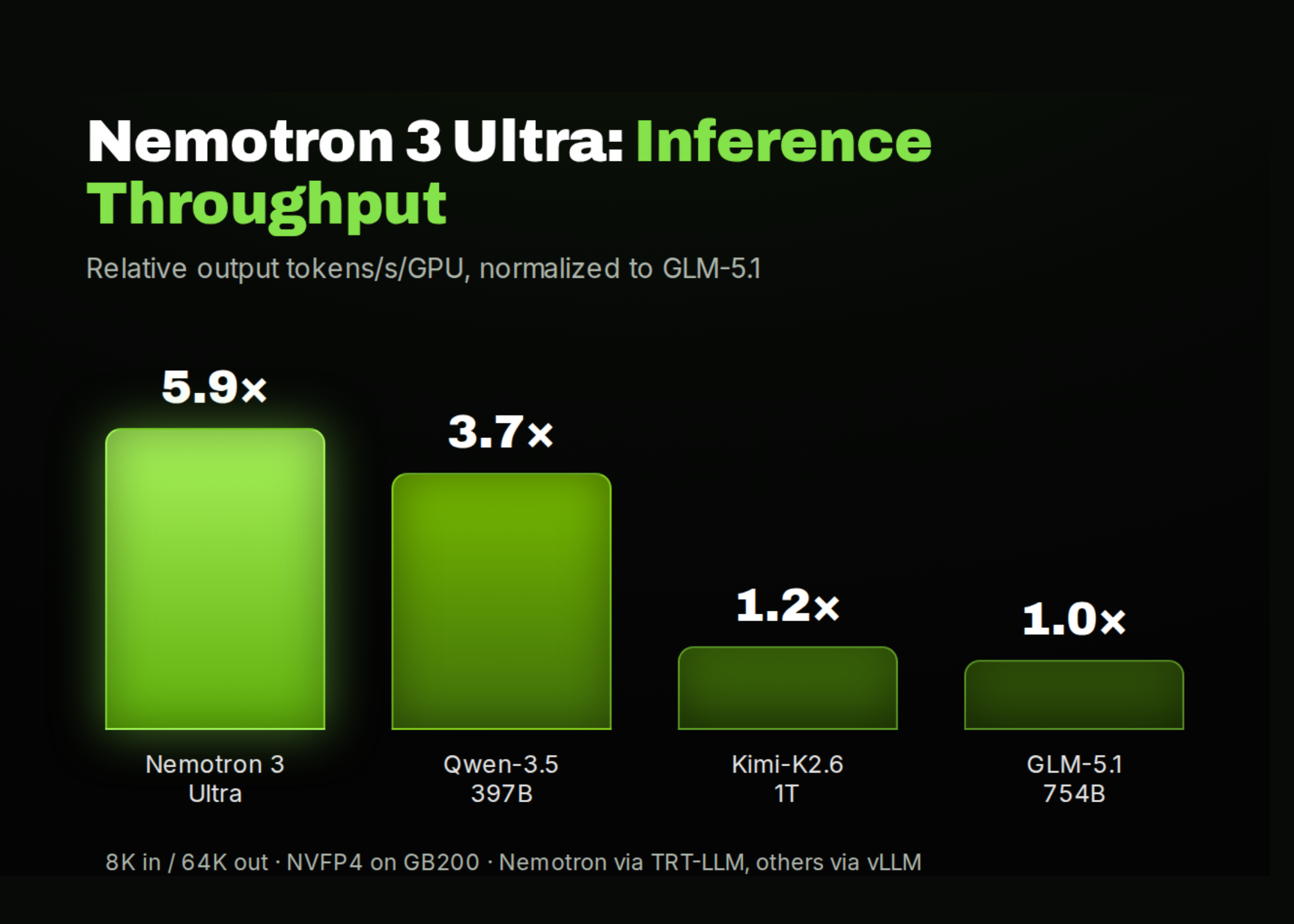
In this post, we discuss how the agentic context evolution (ACE)-RTL agent and NVIDIA Nemotron 3 Ultra work together to deliver leading accuracy and efficiency on agentic RTL tasks. ACE-RTL provides an iterative generate-test-reflect workflow, while Nemotron 3 Ultra contributes long-context reasoning and training aligned with RTL generation, editing, and debugging.
The CVDP benchmark
The comprehensive Verilog design problems (CVDP) benchmark evaluates LLMs on realistic RTL generation, modification, debugging, and verification tasks. Unlike earlier benchmarks built around short, self-contained Verilog prompts, it better reflects practical hardware design problems.