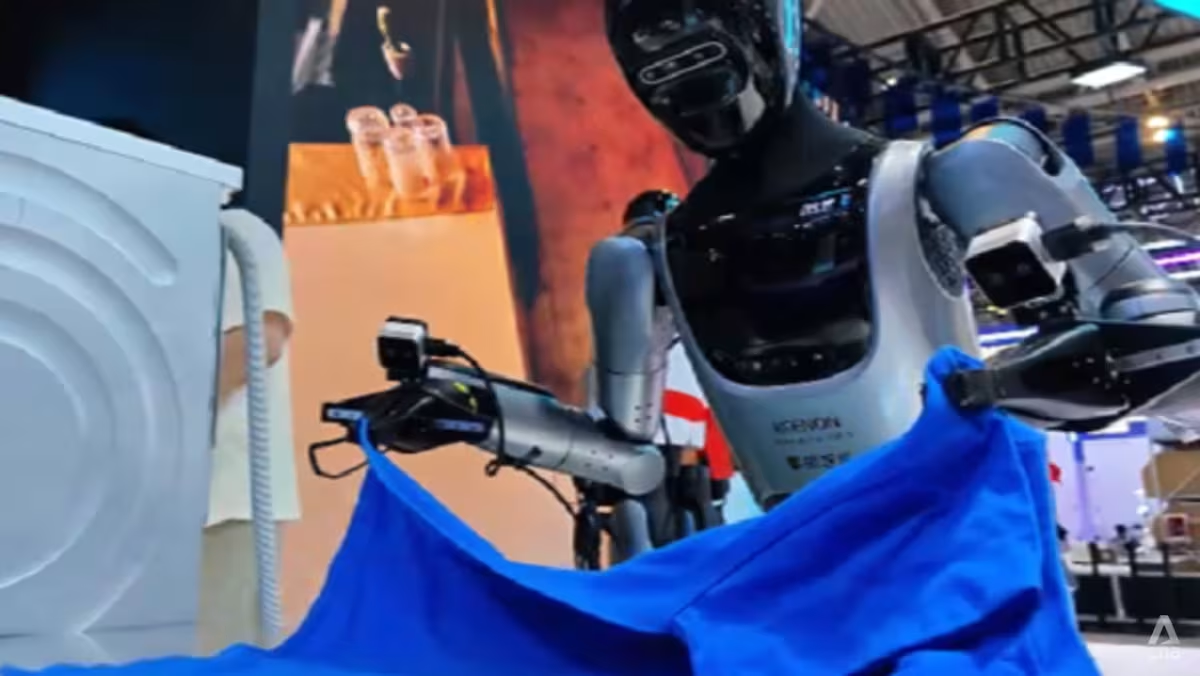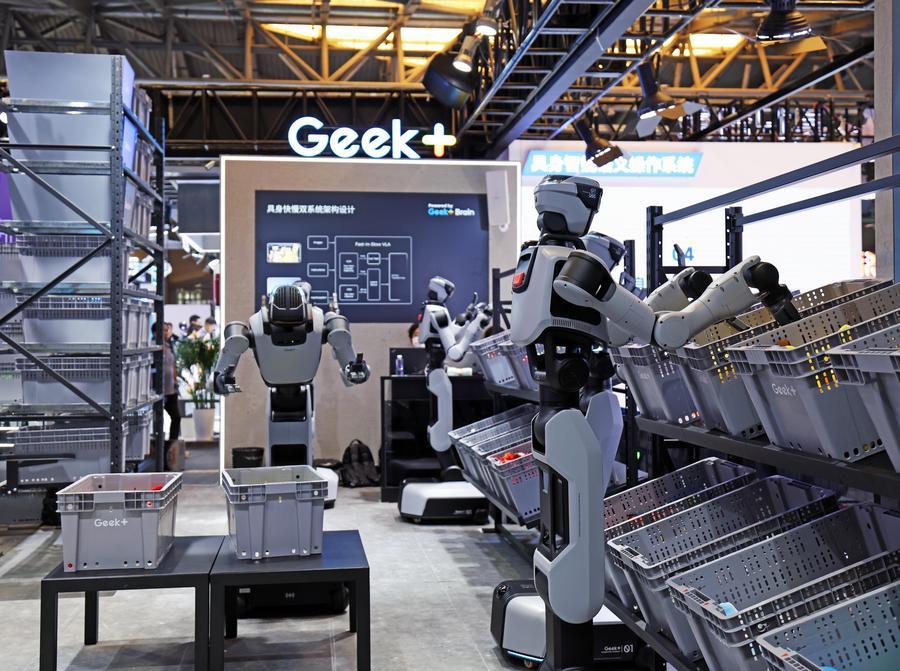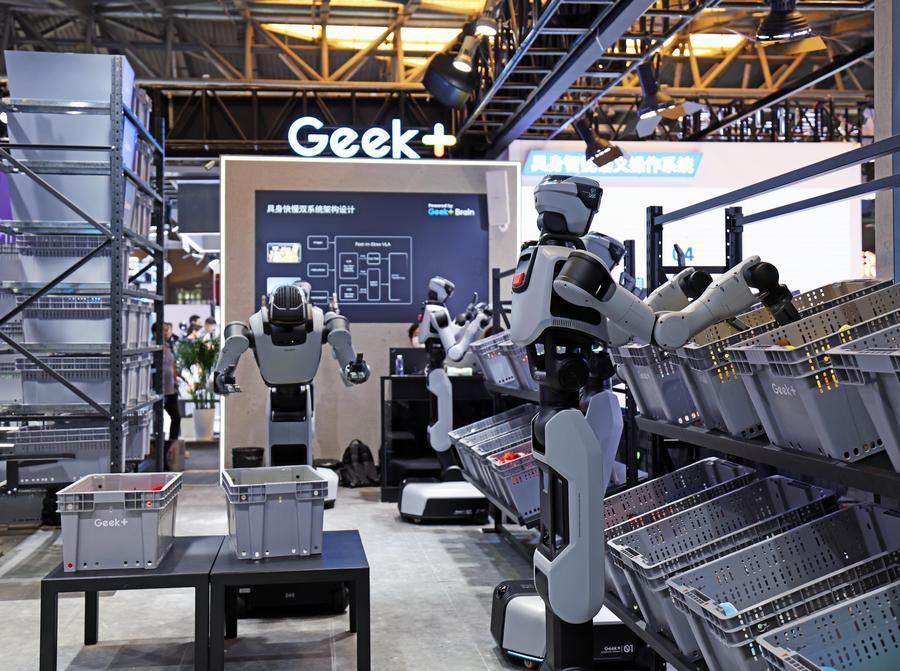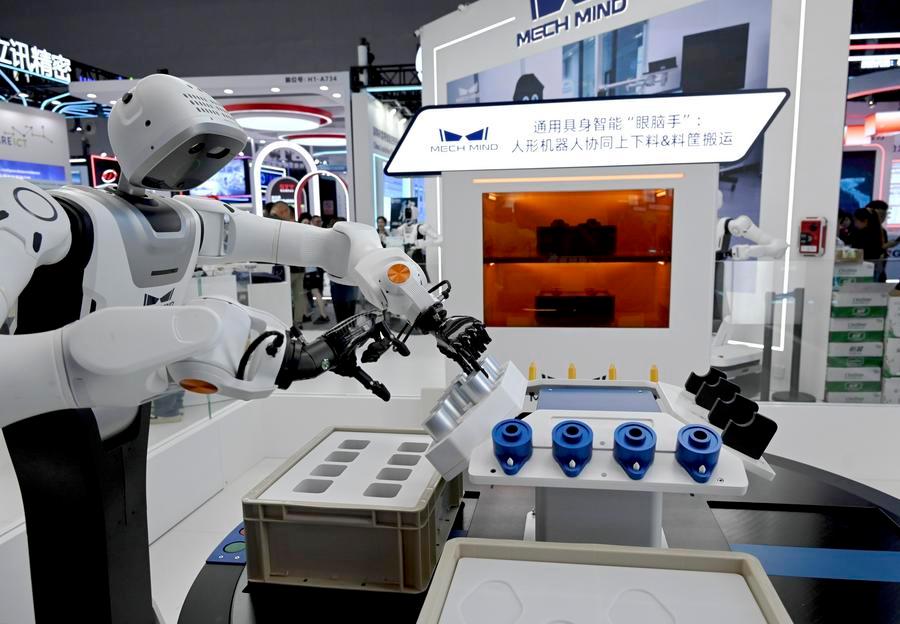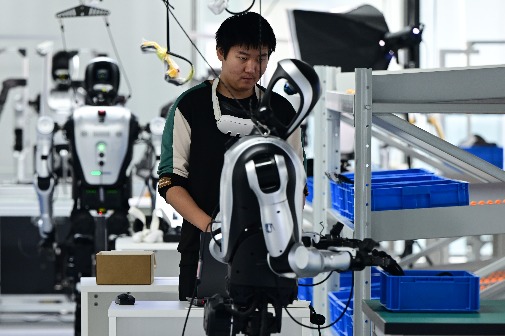
My most unforgettable moment at the 2026 World Artificial Intelligence Conference was not on a glamorous stage, but at Leju Robotics' booth. There was no static display — instead, a 1:1 factory production line had several humanoid robots destacking cartons, moving plastic bins and feeding small parts into machines, with a digital timer clocking their "work hours".
I watched as they autonomously corrected tilted boxes and misaligned grips — no staff intervened. The numbers told the real story: carton-destacking achieved 95.8 percent success over eight continuous hours at a warehouse, with a 28-second cycle time; plastic-bin handling hit 92 percent at the factories of Chinese car companies FAW and JAC; small-part feeding reached 94.3 percent across a dozen component types.
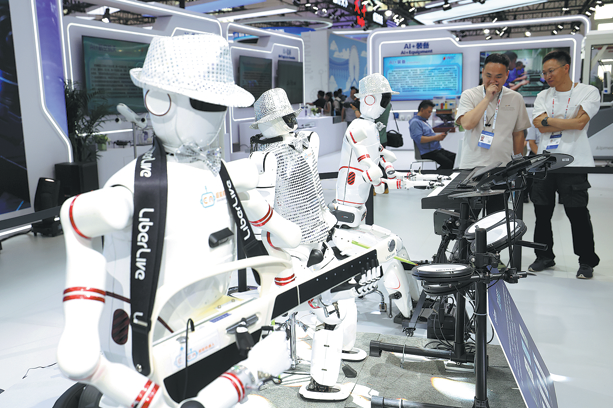
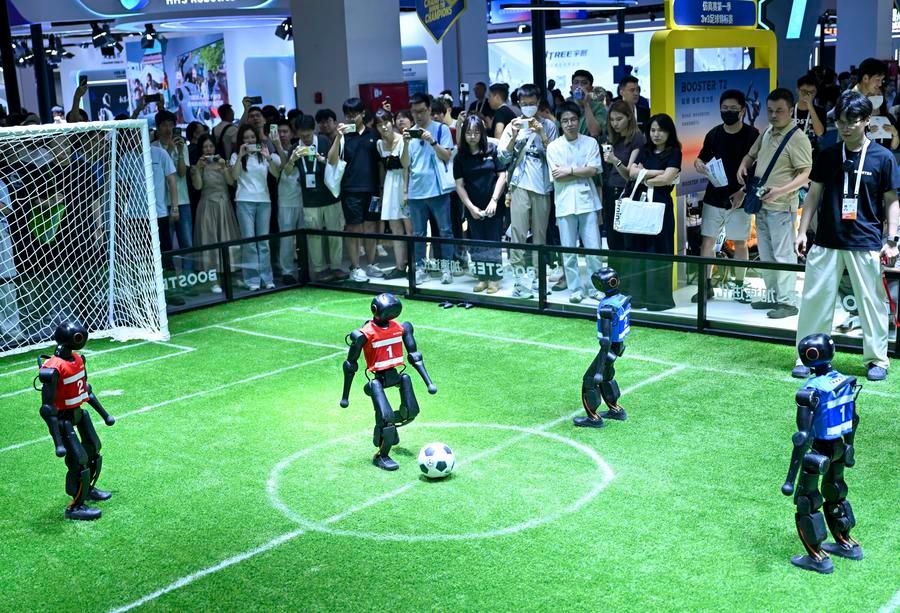
These were not choreographed dance moves. They were messy, repetitive industrial tasks — the kind that require precision and endurance. That, I realized, was WAIC's real narrative: AI and robotics are leaving the lab and entering the grit of the physical world. The shift from "robots that dance" to "robots that work" signals that the industry now obsesses over reliability, stamina and real-world problem-solving. Those percentage points are more compelling than any flashy demo.