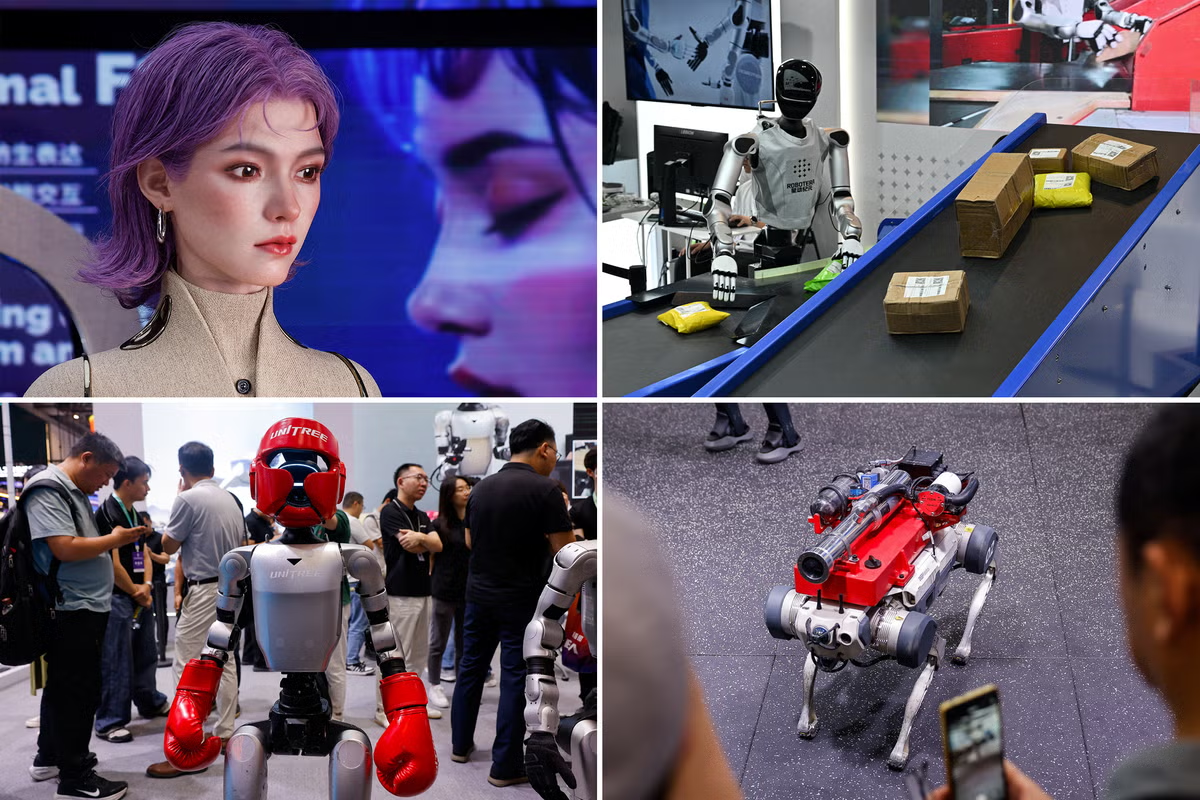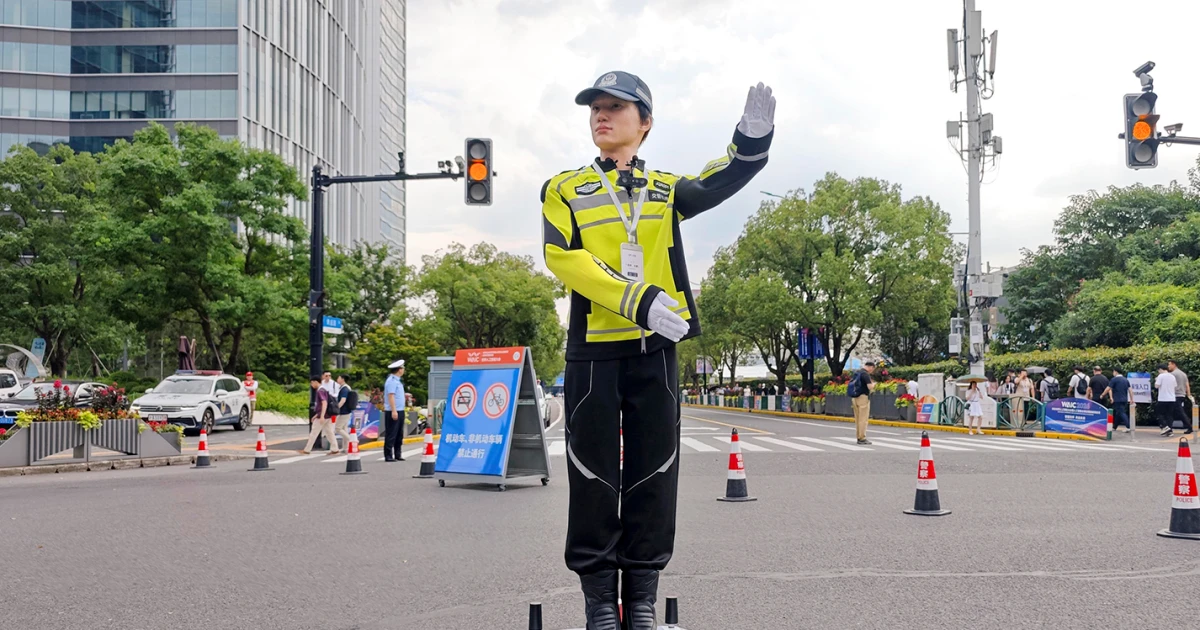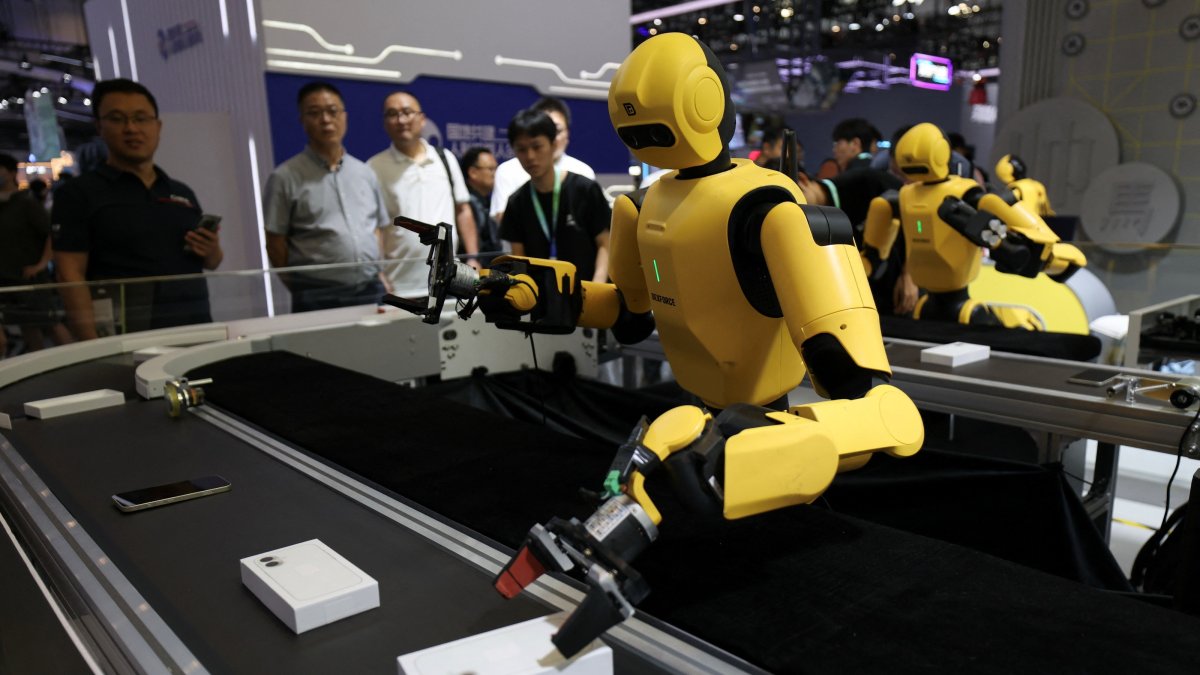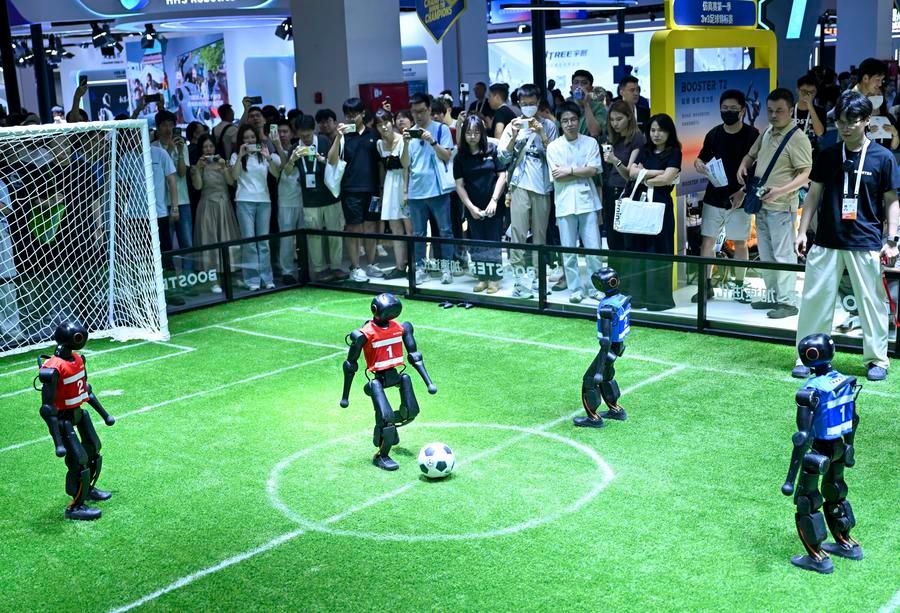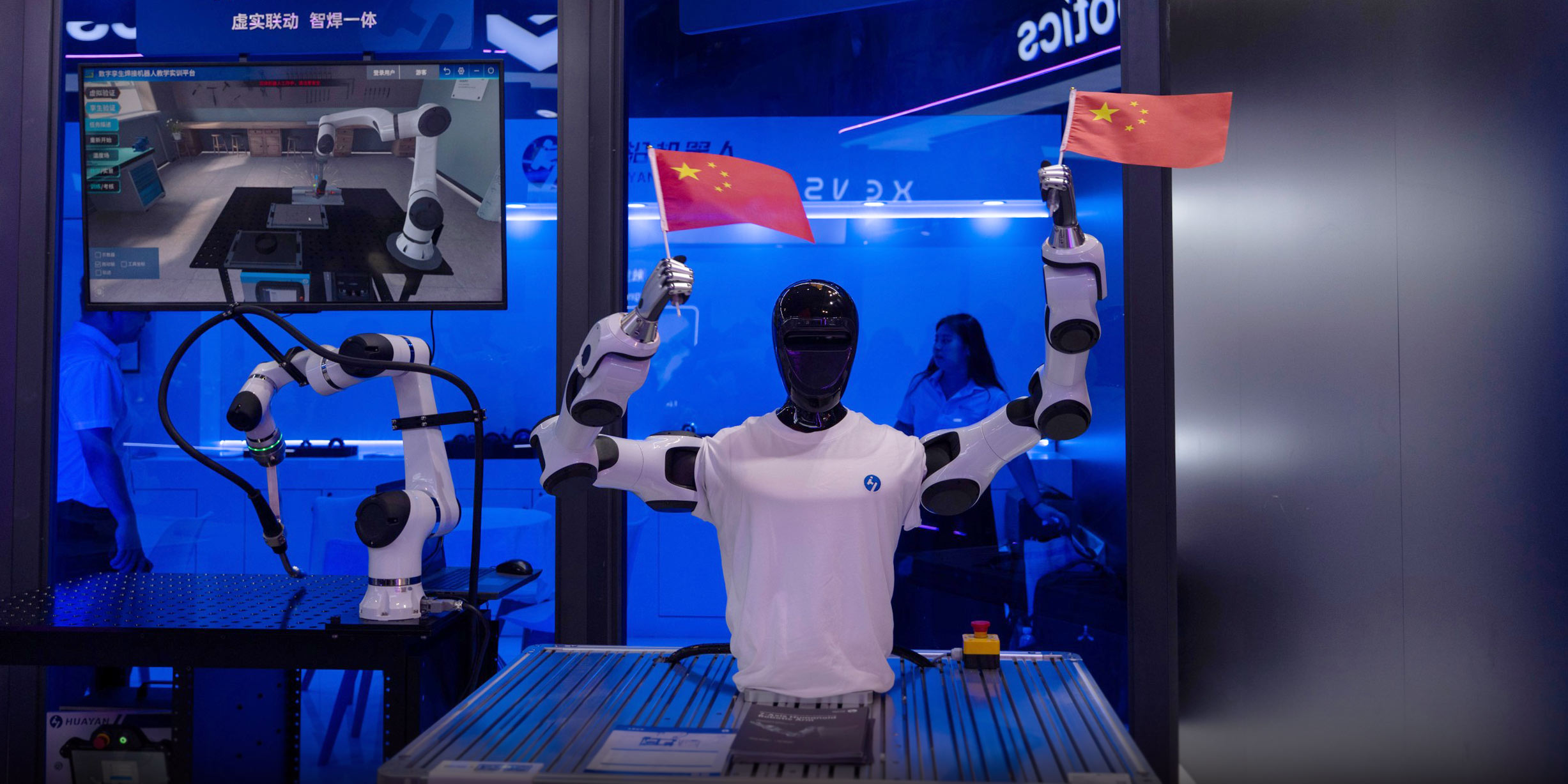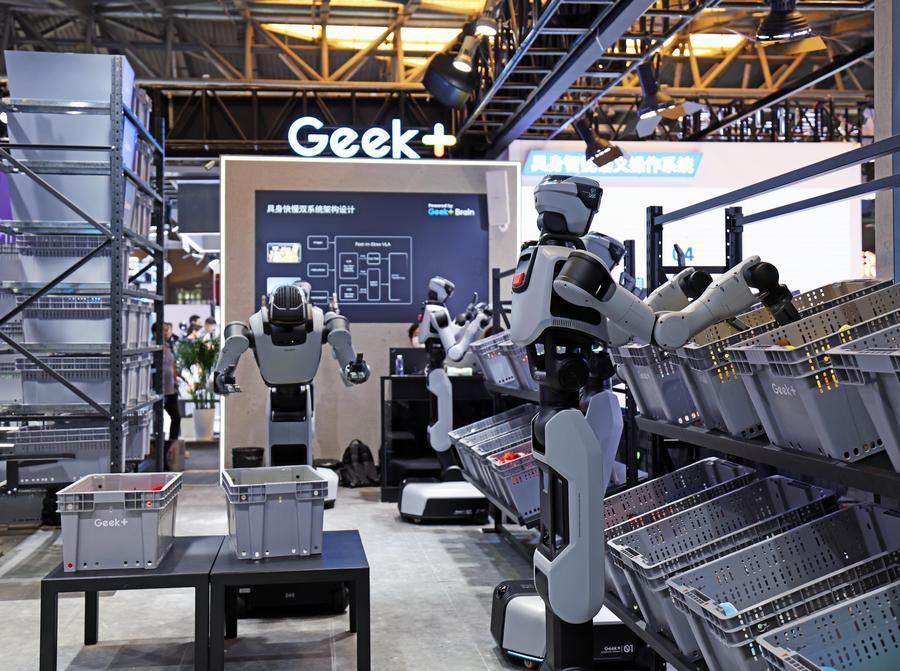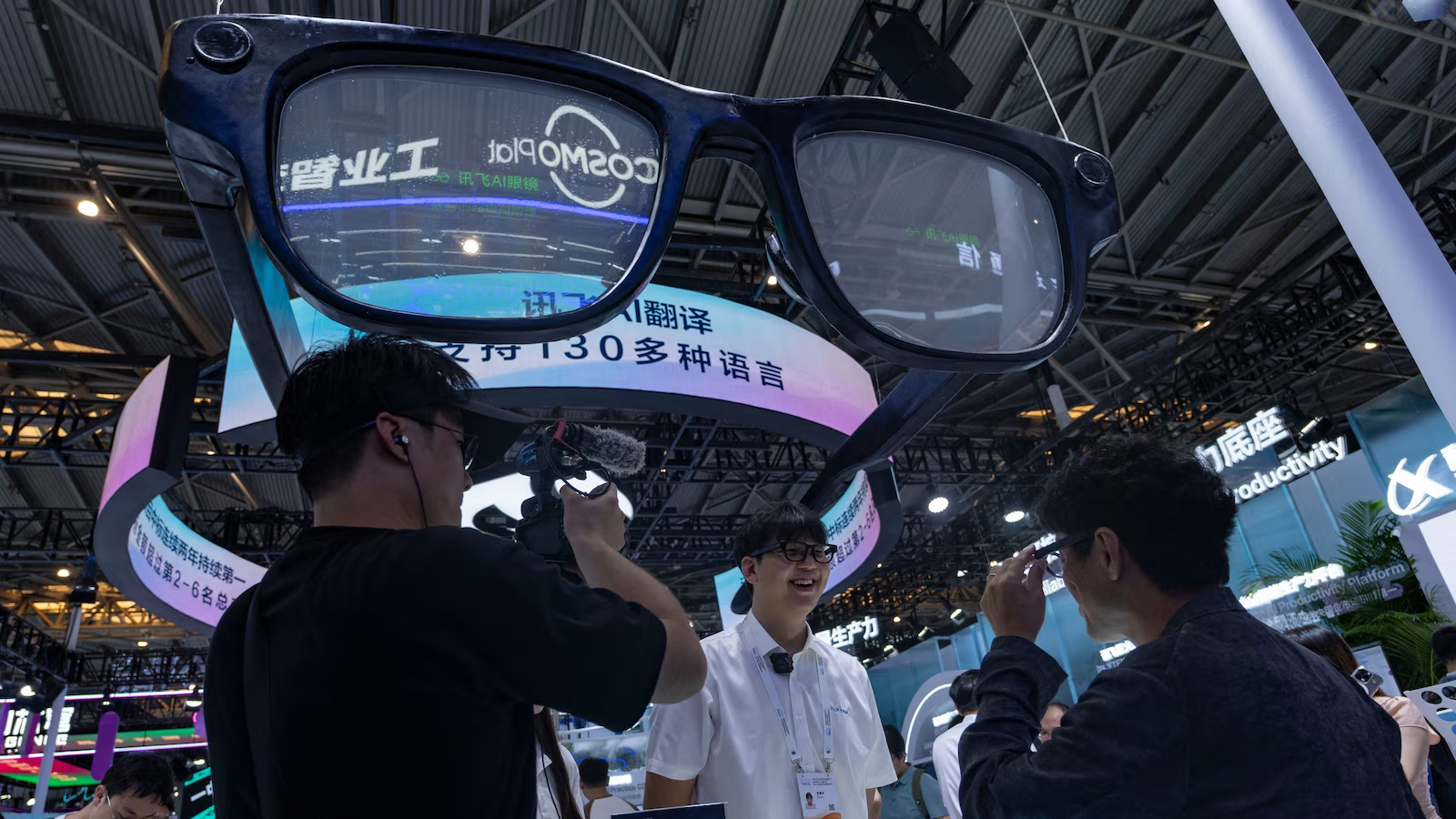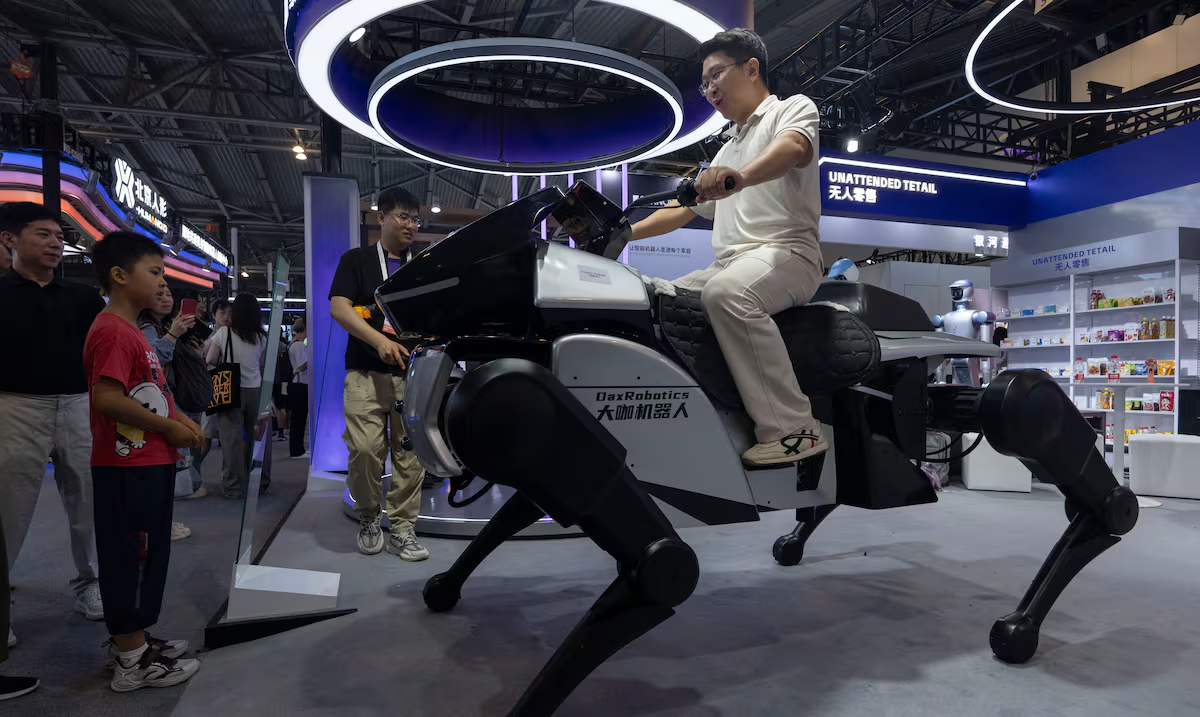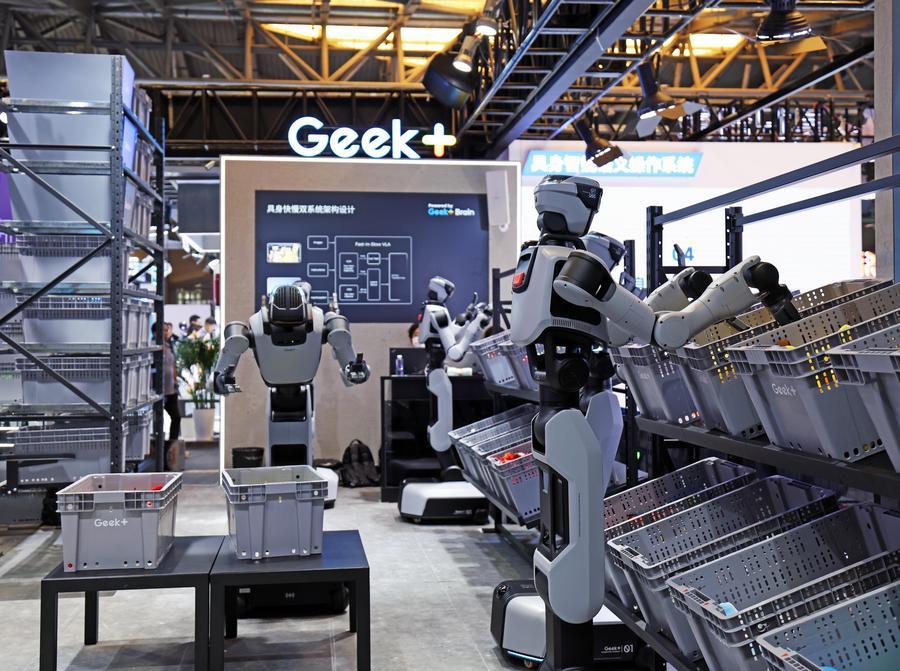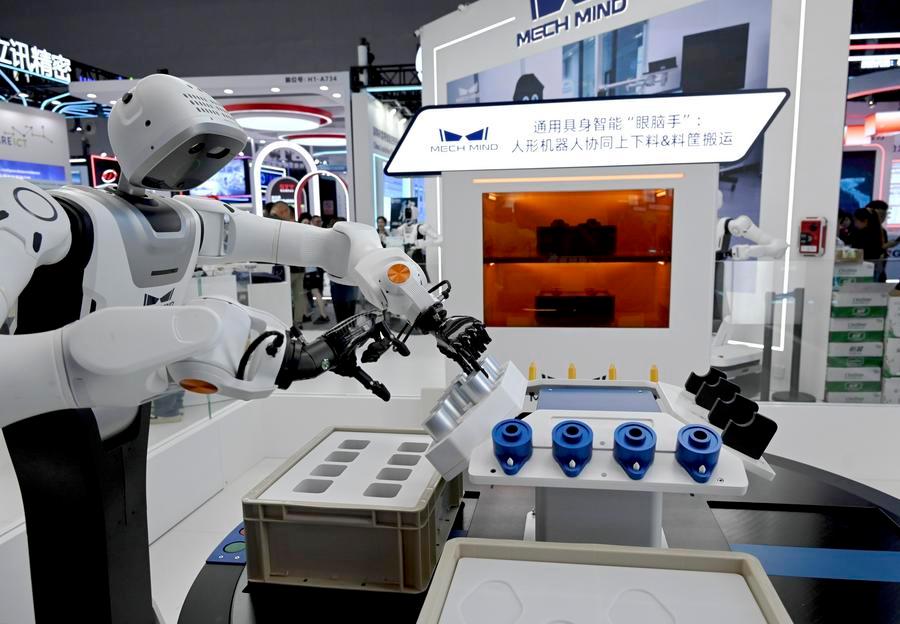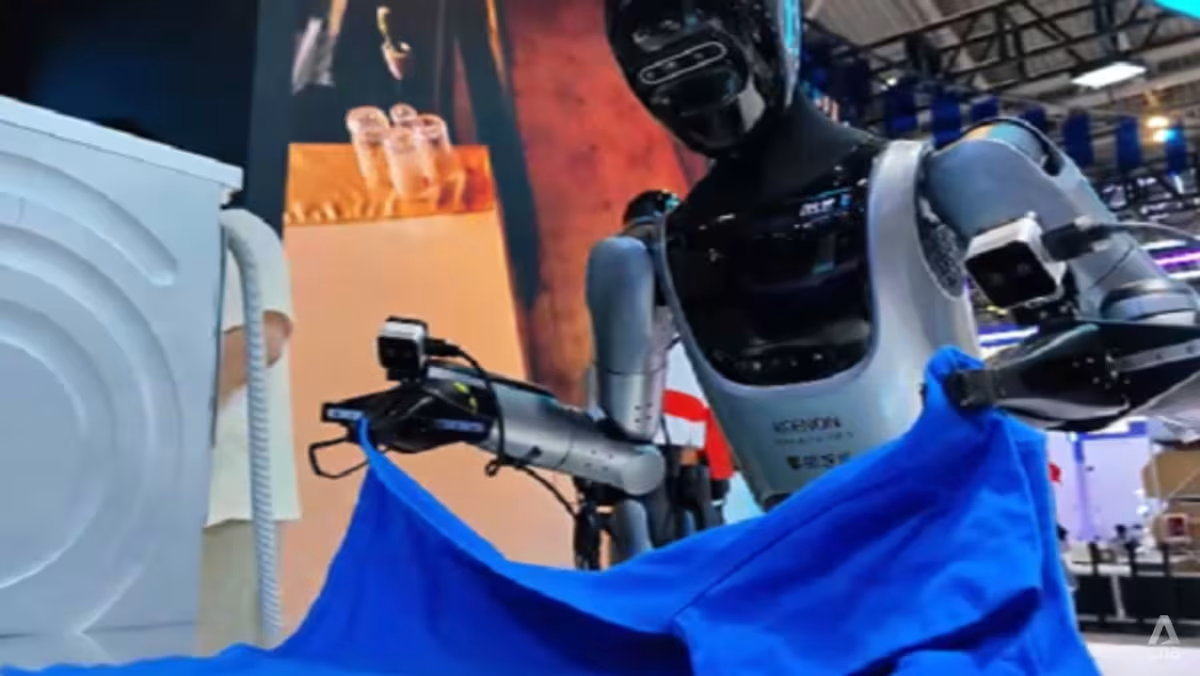
SHANGHAI: It was just a few years ago when China's dancing robots captured global attention. At this year's World AI Conference in Shanghai, held from Jul 17 to 20, humanoids are one step closer to being used in daily life. The annual showcase for cutting-edge artificial intelligence breakthroughs featured robots capable of dispensing items from shop shelves, sorting groceries and making Chinese tea. Among the exhibits was Keenon Robotics’ XMAN-R1, which is being trialled in hotels in China. The humanoid can walk to hotel rooms, collect dirty linens, transport them to the laundry room and even fold them after being washed.The firm is one of China’s earliest providers of service robots for hotel operations, including food deliveries to rooms — a feature now ubiquitous across hotels nationwide.
More than half of its business comes from overseas markets, particularly developed economies such as the United States, Europe, Japan and South Korea, where there are labour shortages and staff costs are high. "Robots exist primarily to assist humans at work," said Keenon Robotics' chief operating officer Wan Bin."It can cover shifts during staff breaks and extend business hours. Robots and humans therefore function as complementary partners rather than direct substitutes."China is home to about 140 humanoid robot makers and has developed more than 400 complete models, according to official statistics. In the first half of this year, the country exported more than 10,000 AI bionic robots – machines designed to resemble humans or animals – to 90 countries."The industry is still in its high-growth phase with massive, concentrated capital input and output," said Wan.He said that the humanoids have hit commercial viability in some real-world applications, although wider adoption across other sectors will take more time.For now, robots are capable of operating independently in controlled environments such as restaurants, hotels and office buildings. But more improvements are needed before they can function in more complicated settings such as outdoor spaces.ROBOTS FOR RETAIL SHOPSRetail was another sector where exhibitors showcased how humanoid robots are being deployed in China.Chinese AI giant SenseTime has 20 robot-manned convenience kiosks called SenseMart Go, and plans to eventually have hundreds of these stores across China. At such stores, a robot shopkeeper greets a customer with a handshake and wave before taking orders, retrieving products and restocking shelves.Liu Hengyi, chief technology officer at SenseTime SmartGo – the unit overseeing the stores – said each convenience store can break even within about a year. The costs of the humanoids are declining due to the growing completeness of China’s industrial chain, he said. "In the future, we hope to allow customers to step inside (our stores) and interact more closely with the robots," he said. "I believe this day will come soon.”