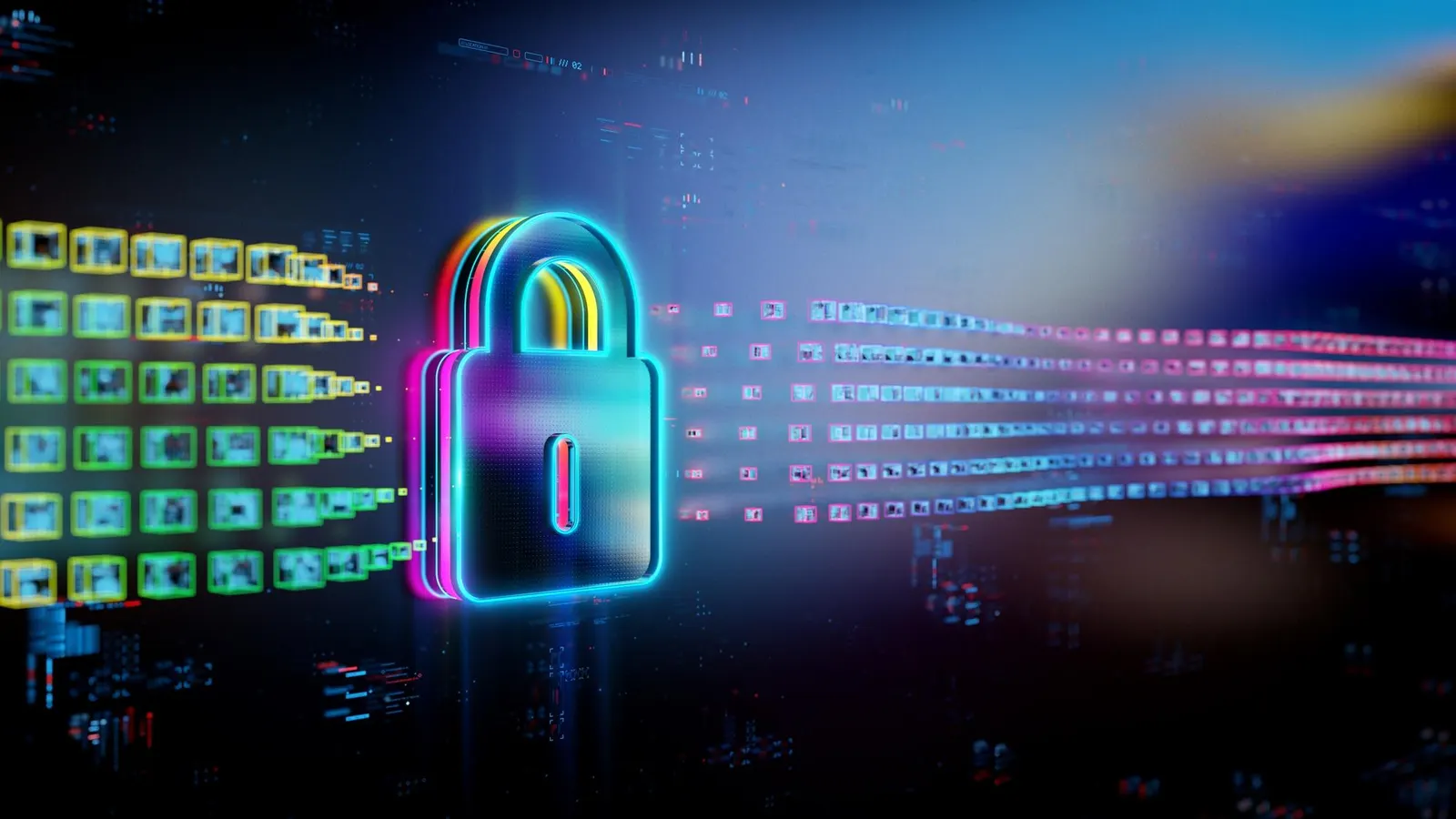
Encrypted data stored in cloud archives today will outlive the mathematical algorithms guarding it. In enterprise architectures that handle long-term records, like construction risk logs or employee compliance platforms, data retention schedules often span twenty to thirty years. When building cloud pipelines that move this information across services, we depend heavily on asymmetric encryption, which is a security method using one public key to lock data and a separate private key to unlock it.
Standard public-key algorithms rely on mathematical problems that are nearly impossible for classical computers to solve within a reasonable human timeframe. Quantum computing changes this equation entirely. Quantum computers leverage quantum mechanics, the physical rules governing subatomic particles, to perform calculations at speeds fundamentally unimaginable with traditional silicon processors.
While powerful quantum systems are still in development, the security threat to distributed systems exists today. Hostile actors do not need to crack modern security algorithms in real time. Through a pattern known as Harvest Now, Decrypt Later, adversaries can capture and store encrypted network traffic right now. They simply wait until future quantum hardware becomes capable of running the formulas required to decrypt that stolen history.