The crypto industry has long treated quantum computing as a tomorrow problem. Tomorrow just got a lot closer.
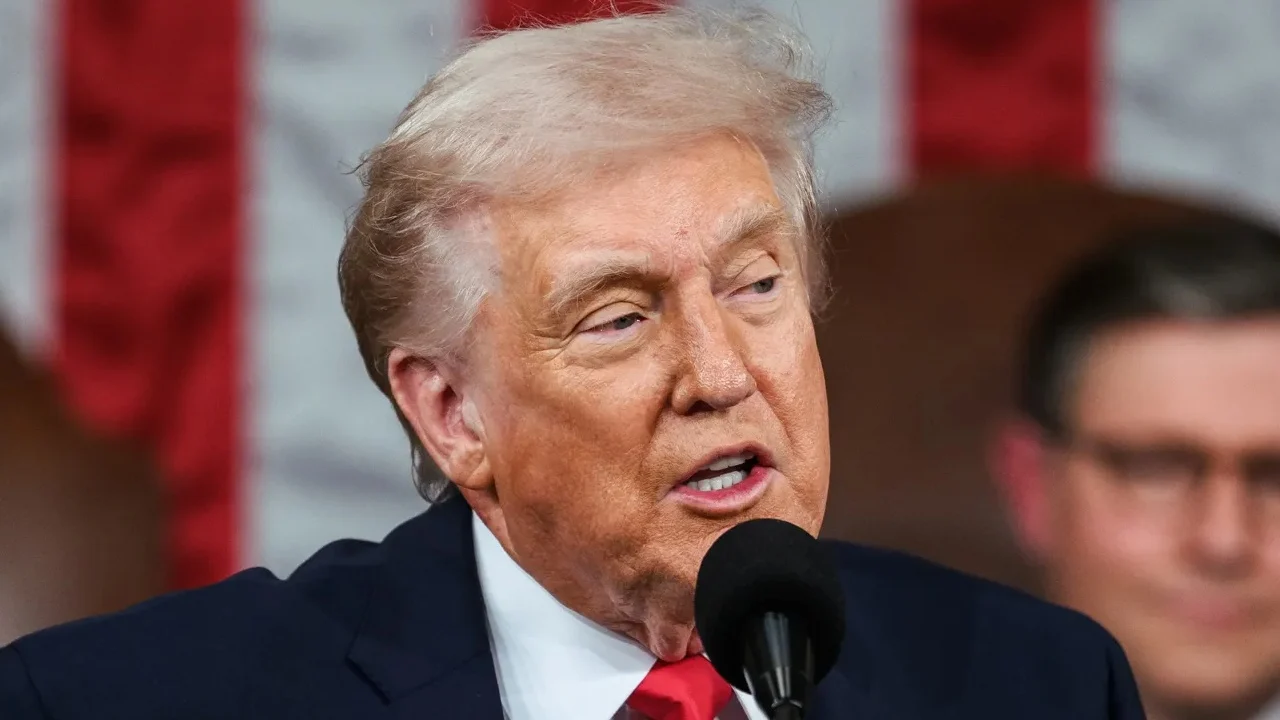
On June 22, 2026, President Trump signed Executive Order 14412, mandating that US federal systems migrate to post-quantum cryptography (PQC) by the end of 2030 for key establishment and by the end of 2031 for digital signatures. The order uses NIST-approved PQC algorithms as the benchmark, and while it technically only applies to federal agencies, it’s sending shockwaves through every corner of crypto that relies on the same cryptographic foundations now deemed insufficient for the quantum era.
Here’s the thing: the encryption securing most blockchains today, elliptic curve cryptography (ECC), is built on math problems that classical computers find impossibly hard. Quantum computers don’t find them nearly as difficult. And the industry is now racing to swap out its locks before someone builds the right key.
The scale of what’s at risk
The numbers are sobering. Approximately 6.7 million BTC could be vulnerable to quantum attacks, a figure that includes addresses linked to Satoshi Nakamoto. At current prices, that represents a staggering portion of Bitcoin’s total market cap sitting in wallets that use older cryptographic formats particularly susceptible to quantum decryption.