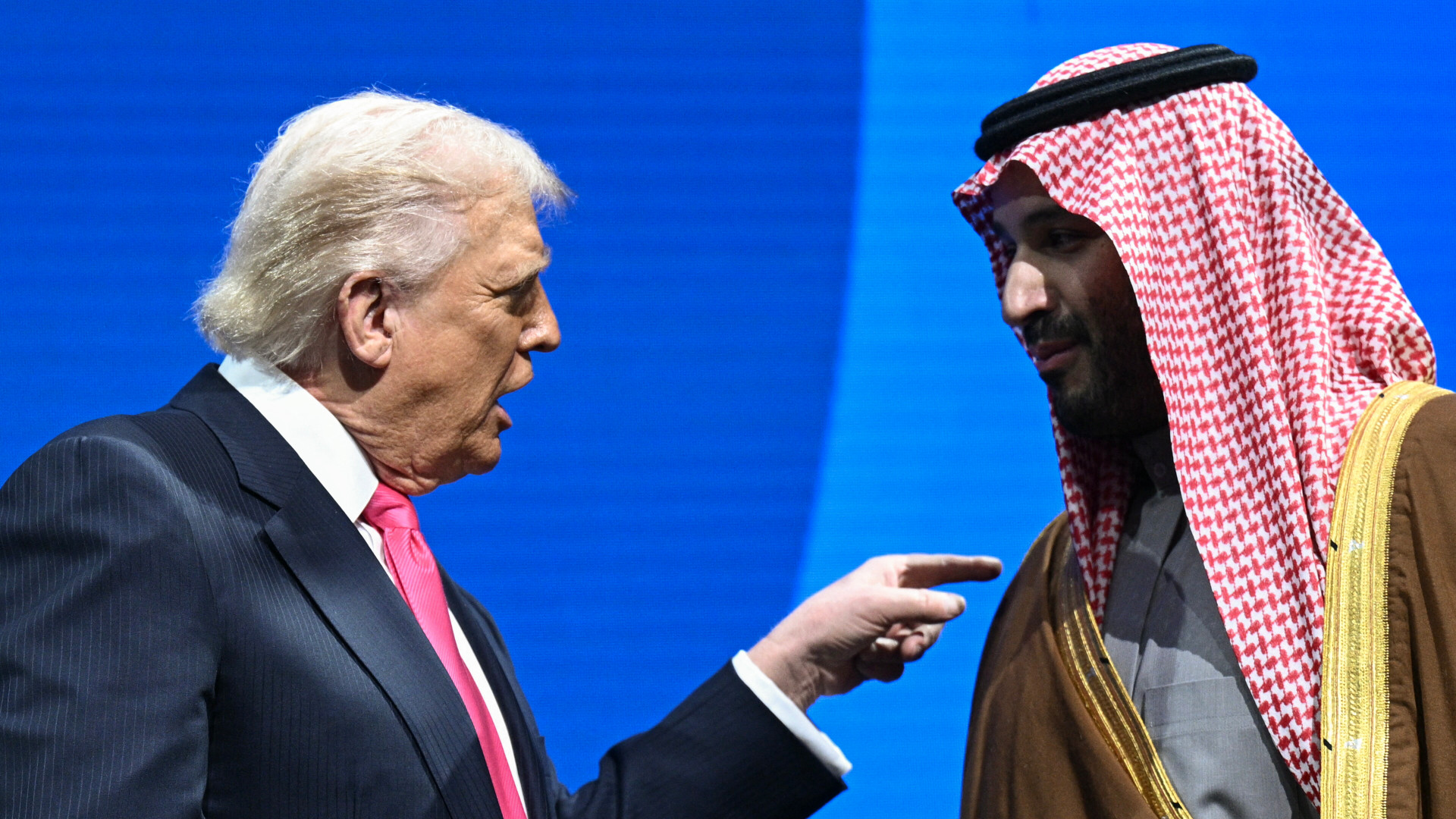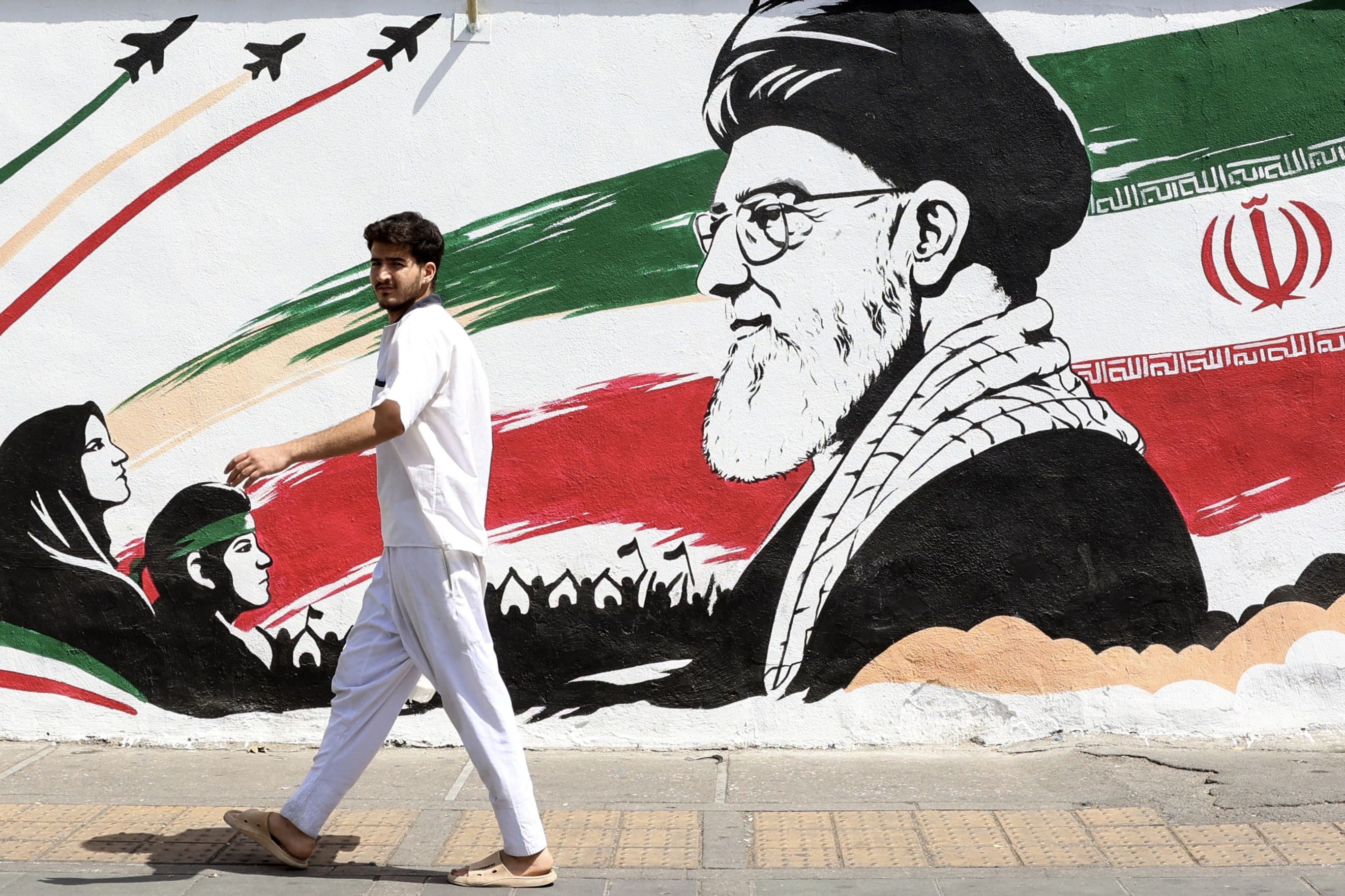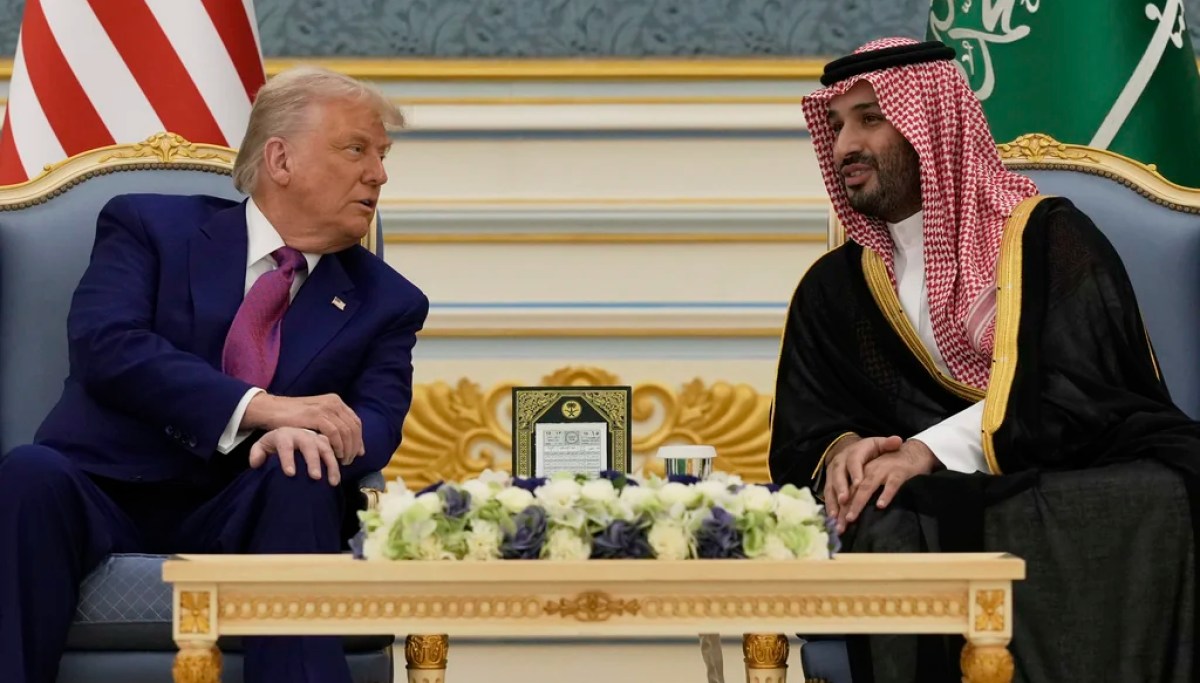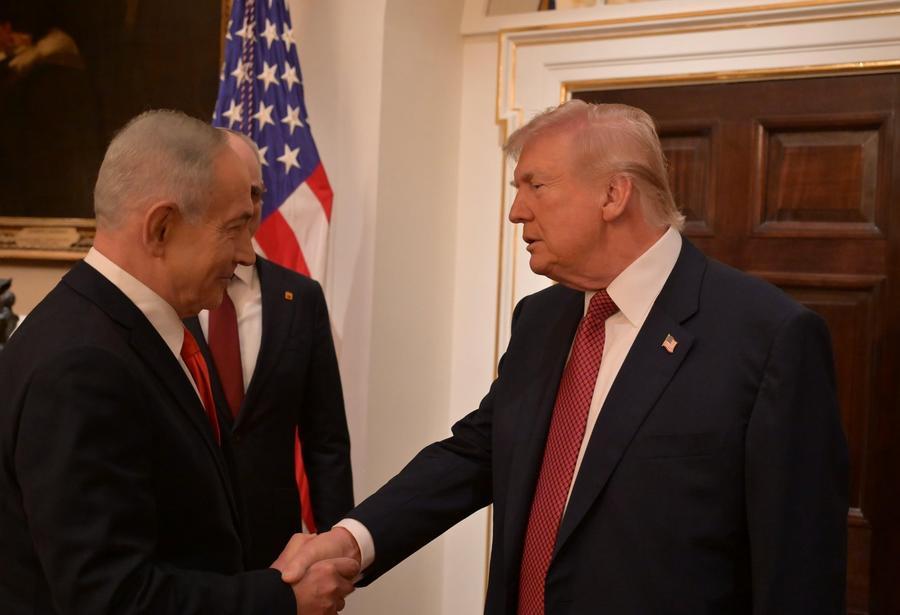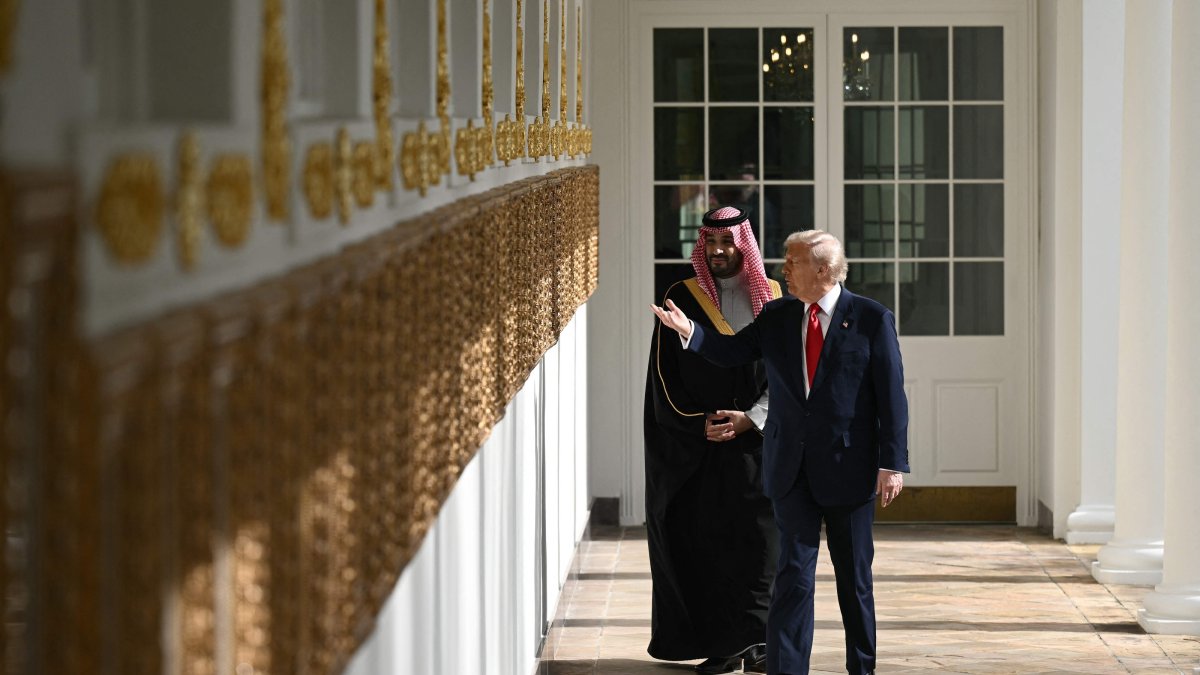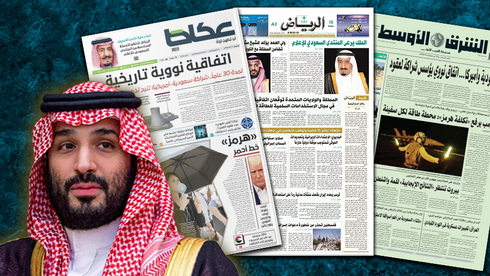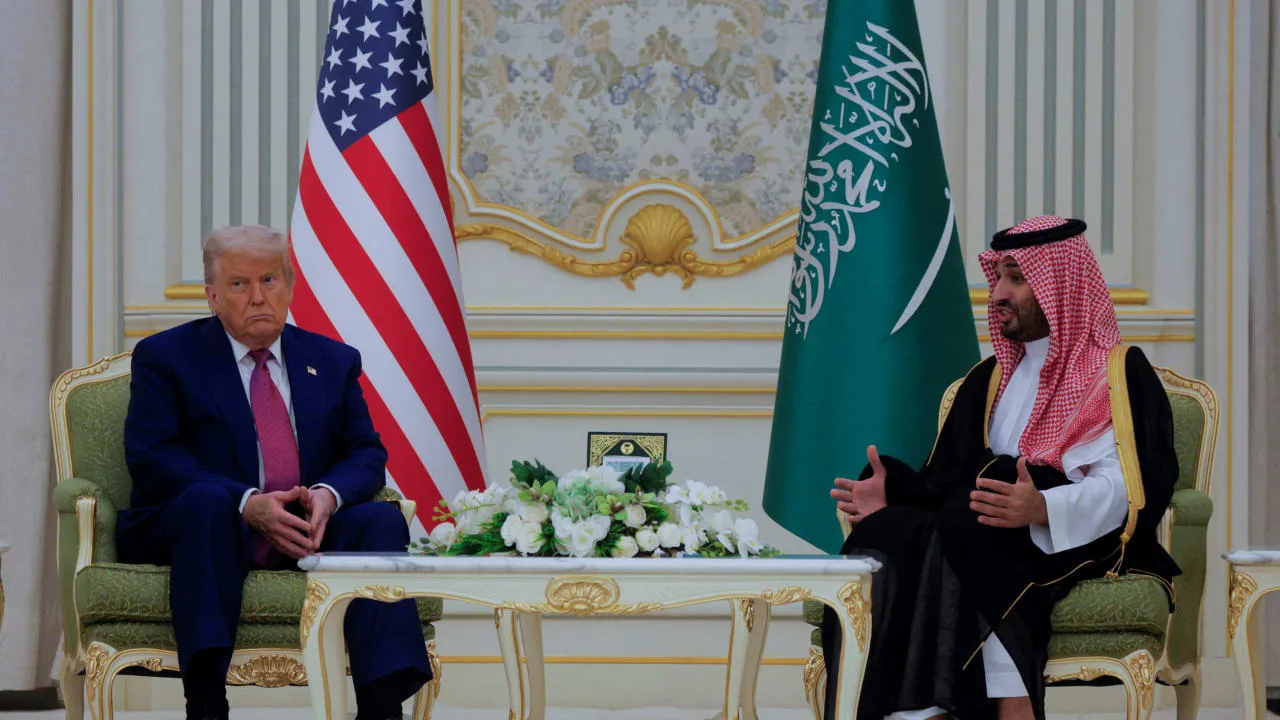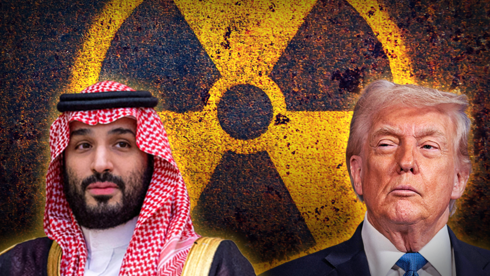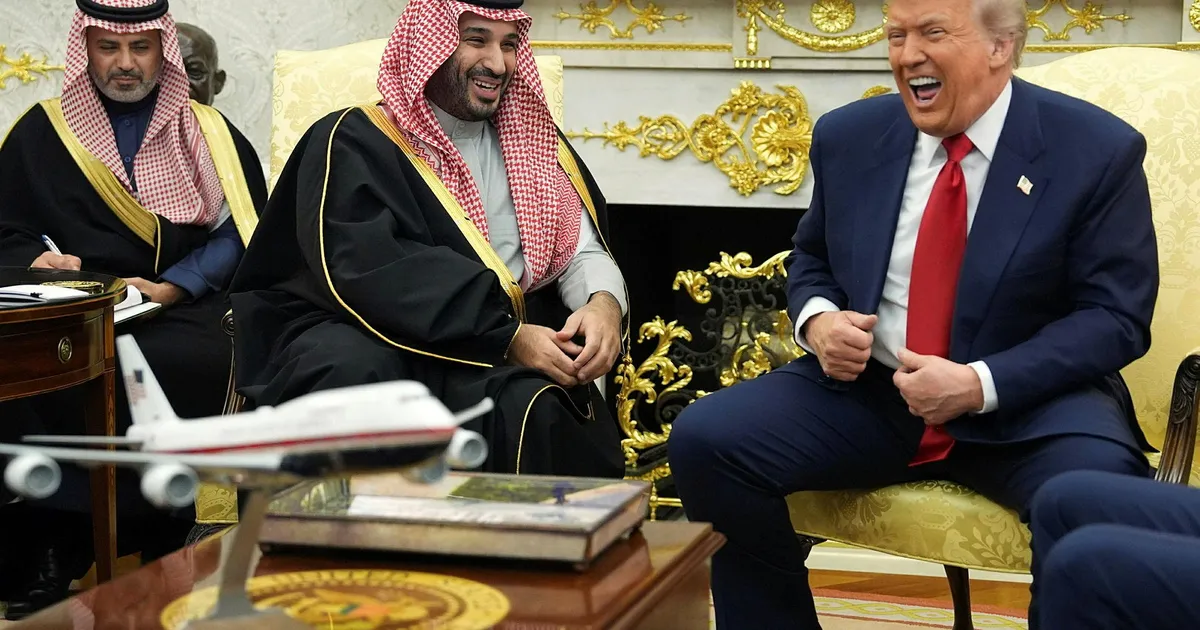
The agreement between Washington and Riyadh could create a regional nuclear arms race, while forgoing the only advantage Israel wanted to gain from it: Saudi normalizationOr Rabinowitz09:36 PM • July 26 2026 IDTSaudi Arabia and the United States signed a landmark civilian nuclear cooperation agreement last Wednesday. Although its text has not been released, reports indicate that it includes a thirty-year American commitment to develop the Kingdom's civilian nuclear sector, including the construction of nuclear power plants and the option of establishing uranium-enrichment facilities on Saudi soil, contingent on a two-year economic feasibility study. Loading...Click the alert icon to follow topics:Saudi ArabiaNuclear weaponsAbraham AccordsMiddle EastCommentsLoading...In the NewsIn the News: Live UpdatesWest BankNetanyahuIranHasbaraKarim KhanIsrael ElectionsHaQuizHaaretz PodcastFor Israel, the U.S.-Saudi Nuclear Deal Is a Major Strategic FailureDefense Minister Katz Visits Jailed Settler Suspected in Violent West Bank RaidNetanyahu: IDF Ready to Expand Operations Against 'Terror Nests' in West BankSyrian President: Syria Seeking Security Deal With Israel to Pave Way for PeaceIn D.C., Netanyahu Will Send Off Both Graham and Unconditional U.S. SupportRemembering and rebuilding two years laterICYMIThe Original Ozempic Society of Ancient Rome'Choose Hope': Natalie Portman Backs Arab-Jewish Party Ahead of Israeli ElectionIsrael's Far Right Is Repeating the Sin That Brought Down the TempleAn Israeli Election Surprise Called the DemocratsEd Miliband, the U.K.'s New Foreign Secretary – and His History With IsraelBiden Officials Now Regret What They Let Israel Do in Gaza. Does It Matter?
Opinion | For Israel, the U.S.-Saudi nuclear deal is a major strategic failure
The agreement between Washington and Riyadh could create a regional nuclear arms race, while forgoing the only advantage Israel wanted to gain from it: Saudi normalization
233 words~1 min read