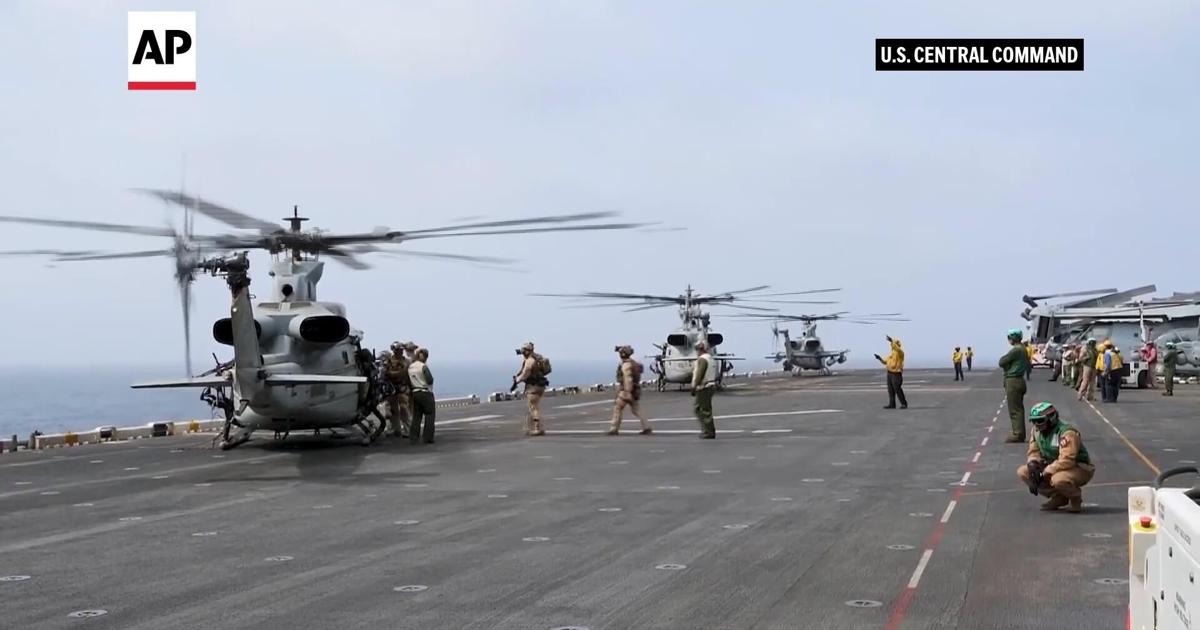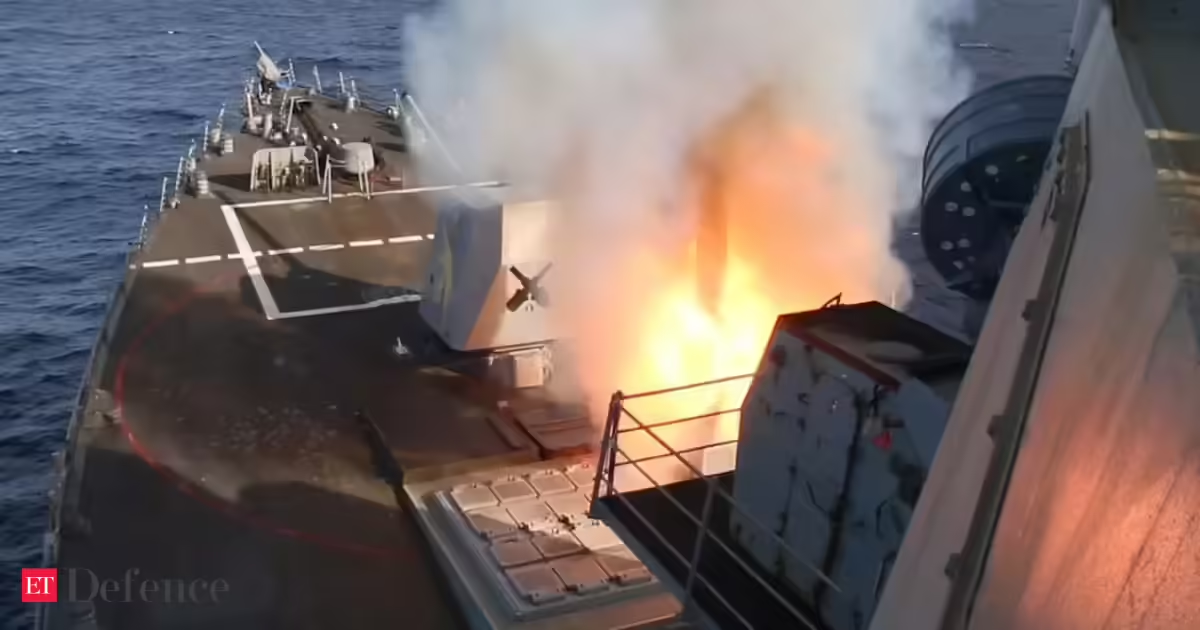
The U.S. military has paused its airstrikes on Iranafter nearly two weeks of intensifying bombing, while diplomatic effortshave pushed forward to try to avert a return to all-out war.
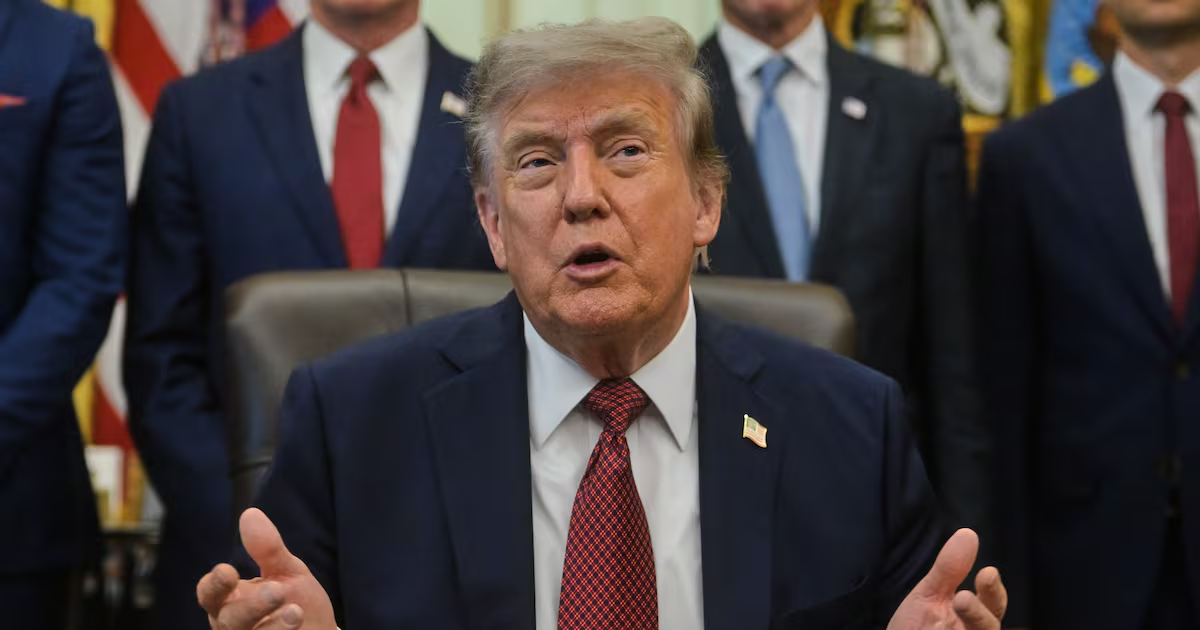
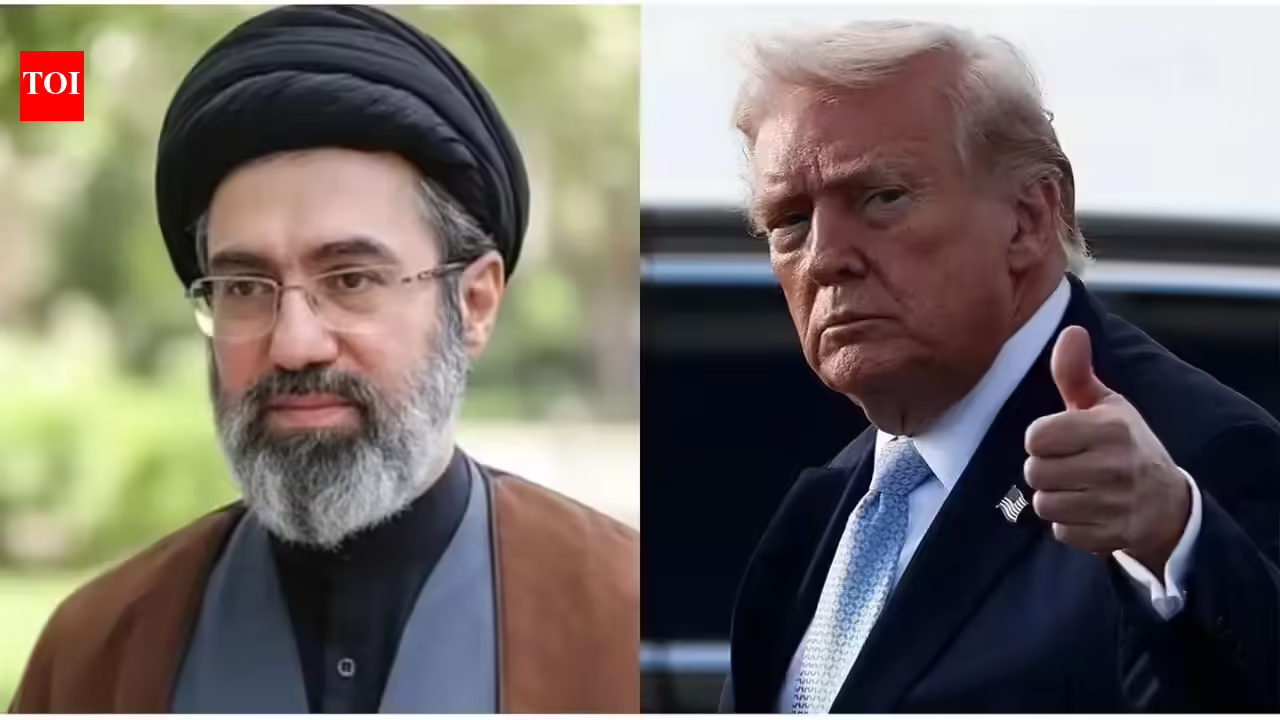
But it remains to be seen whether the U.S. and Iran are at an inflection point in a mercurial conflict that will reach the five-month point Tuesday. President Donald Trump both has threatened more strikes and said talks are pressing on, all while brushing off concerns that rising gas prices tied to the fighting could hurt Republicans in November’s midterm elections.
Adding to the uncertainty is the impact of Israeli Prime Minister Benjamin Netanyahu’s planned visit with Trump next week in Washington. Israel, which launched the war alongside the U.S. on Feb. 28, has been notably absent from the renewed American attacks over Iran’s effective closure of the Strait of Hormuz, a vital shipping corridor through which 20% of the world’s oil normally flows.
“The Iranians understand that perhaps it could get worse because Israel could come into the conflict,” said Michael Singh, managing director at the Washington Institute for Near East Policy. On the other hand, Israel’s lack of involvement so far “may signal to the Iranians that we’re looking to limit the conflict.”