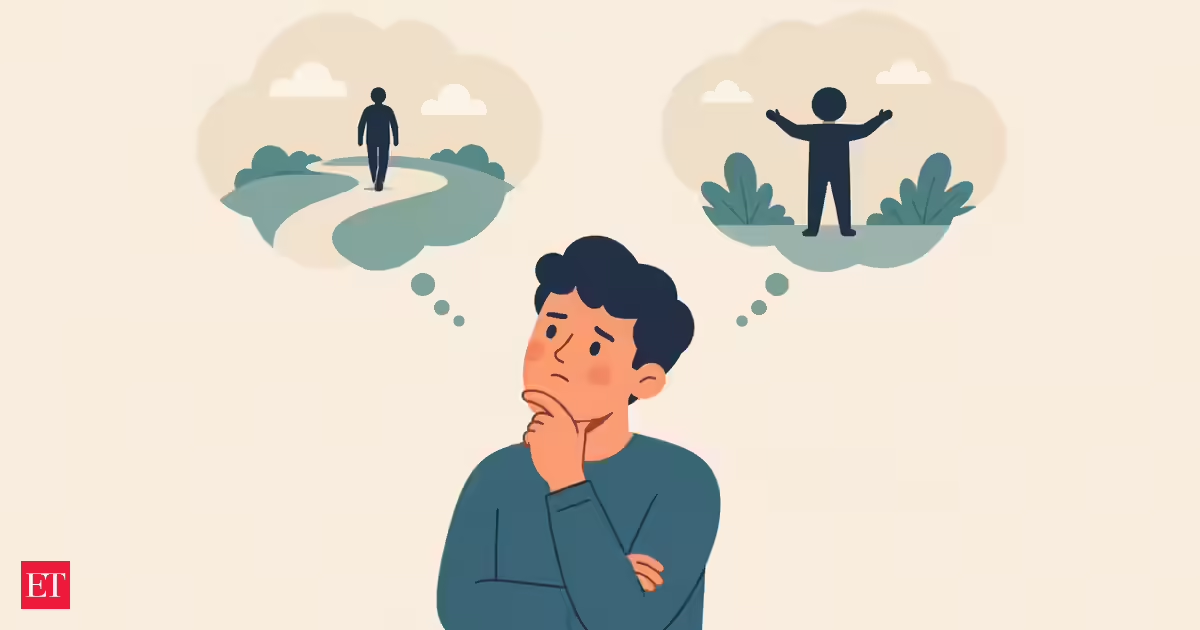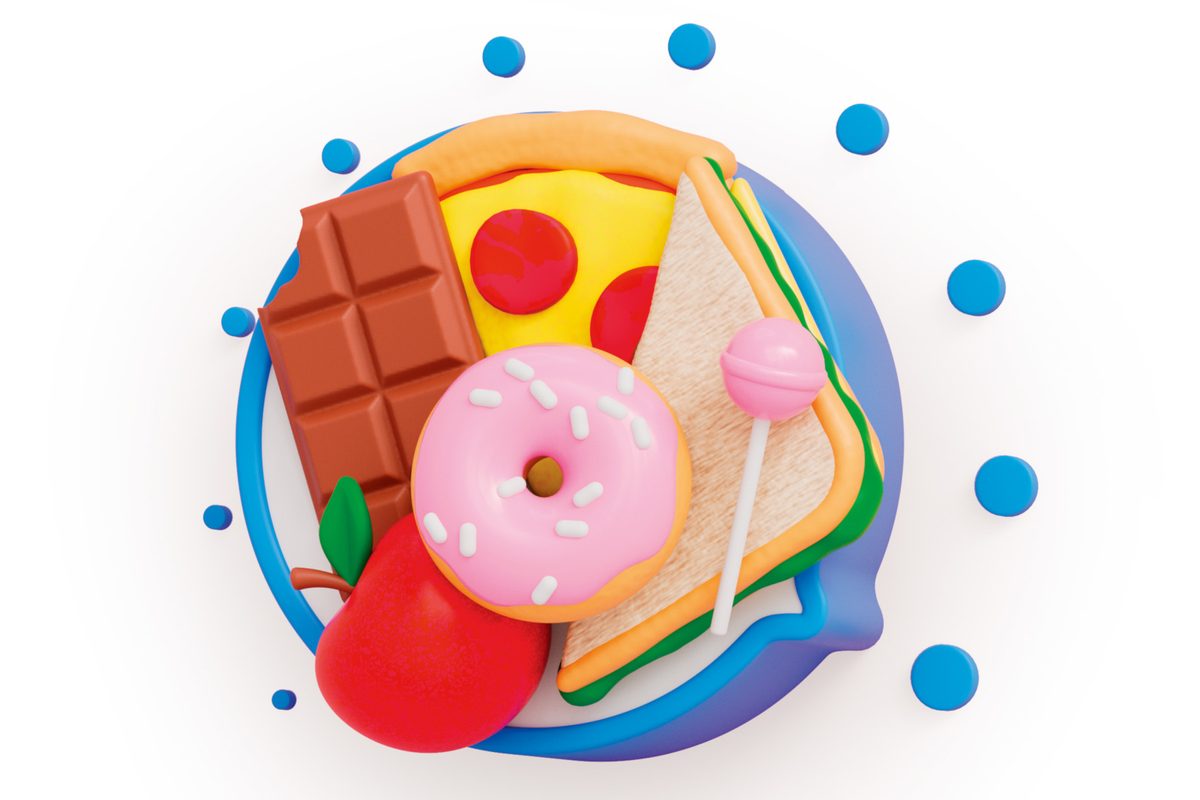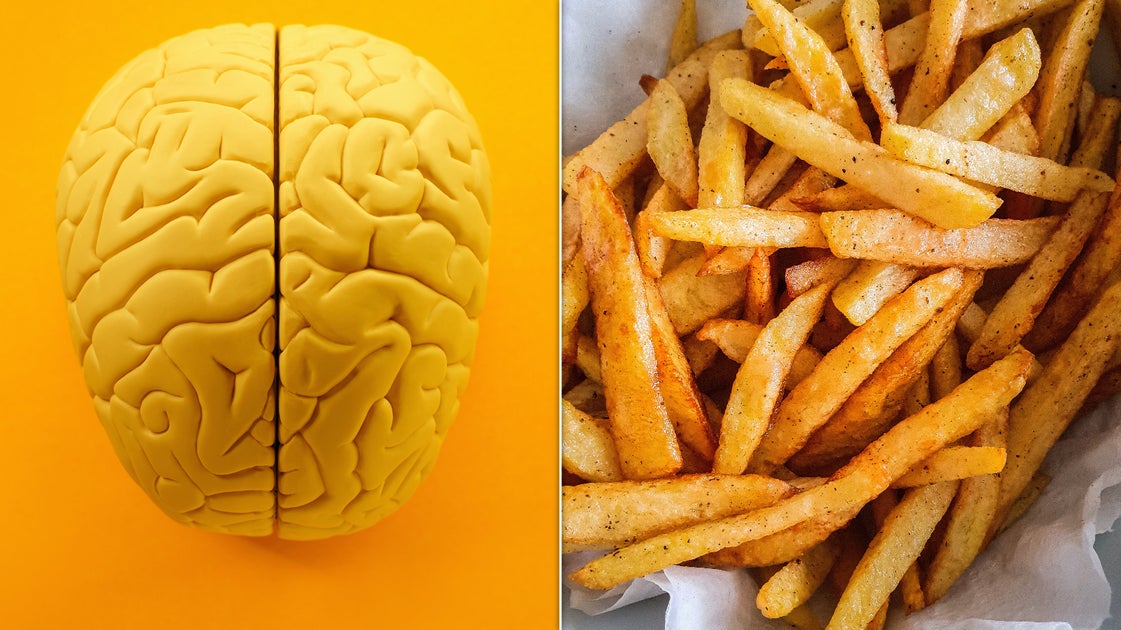
We’ve all done it. After a few days of successfully exercising self-restraint, the stresses of work and daily life gets the better of us. Our willpower cracks and the chocolate cupboard gets raided. Those plans to turn a daily trip to the gym into a habit get kicked into touch and we revert to sticking on a boxset and bidding farewell to the outside world.
Psychologists have coined a term for this all-too-common phenomenon: willpower depletion. It’s the idea that the more we put our willpower under strain, whether it’s through working hard or trying to stick to an exercise plan, the more it gets drained.
And the more it gets drained, the less self-control we have to resist other temptations, such as junk food, binge-watching a boxset or spending money on things we don’t need. Willpower depletion has been the conventional wisdom for decades.
© Getty Images
But the more researchers are learning about it, the more they’re finding that rather than being a finite commodity that gets depleted as we use it, the extent of our willpower is actually something that we can control.