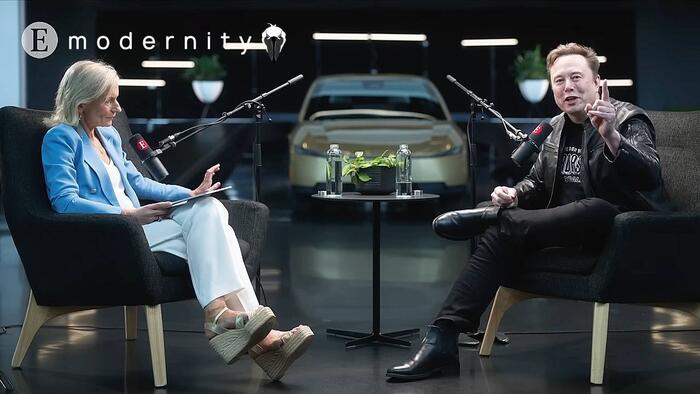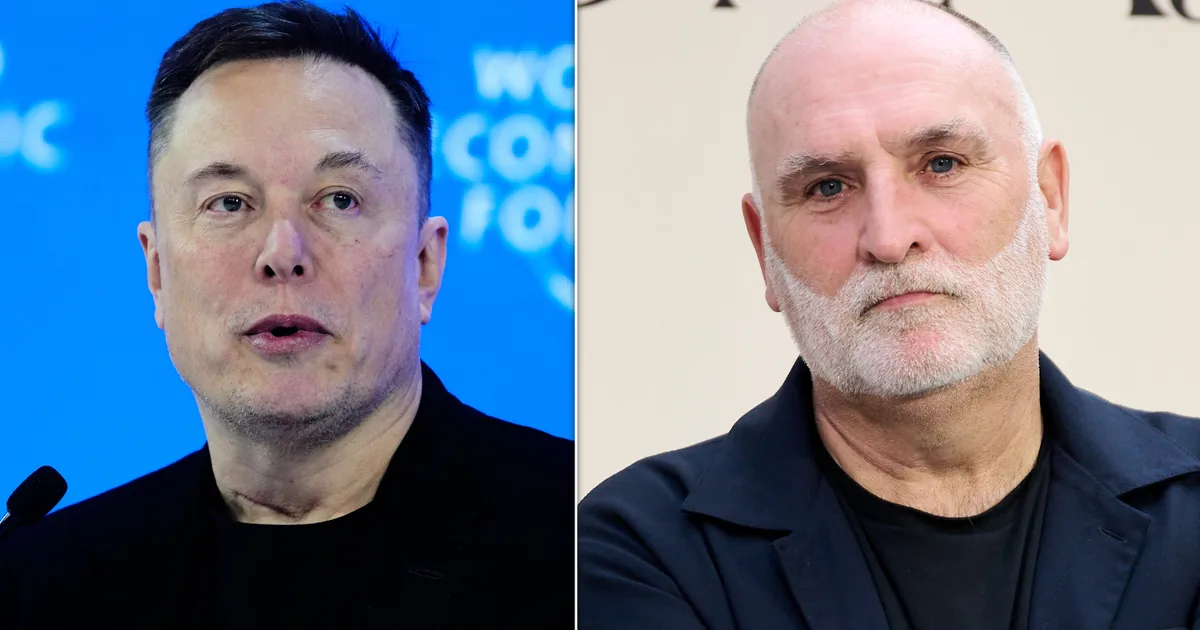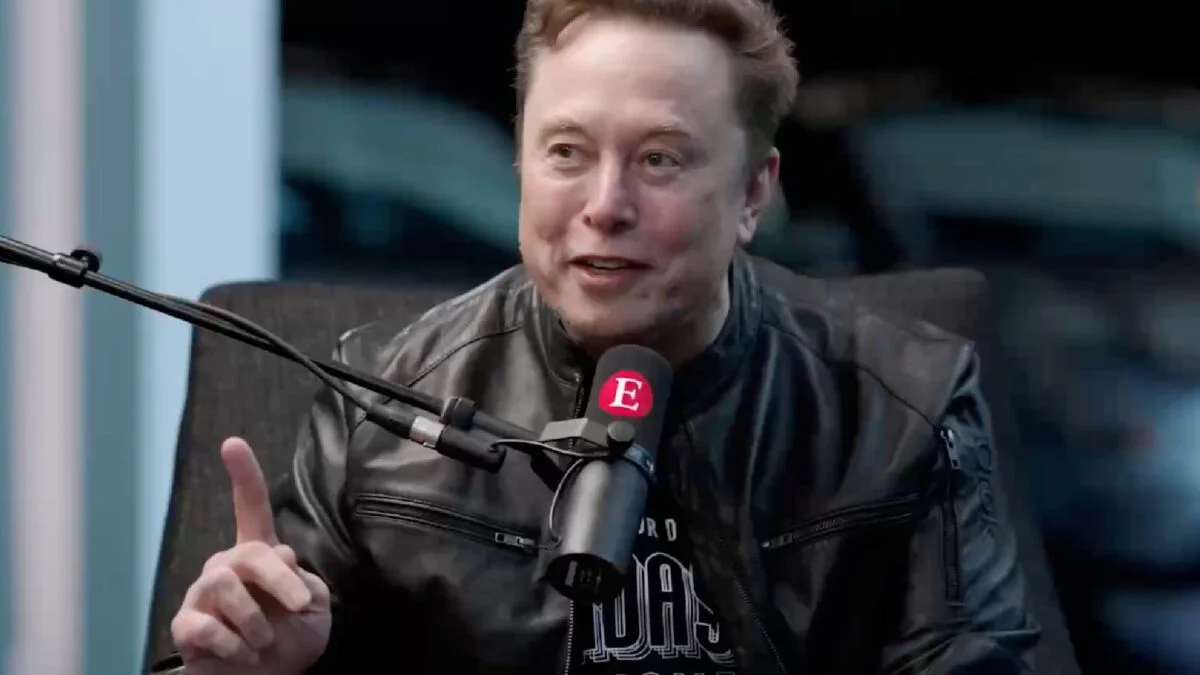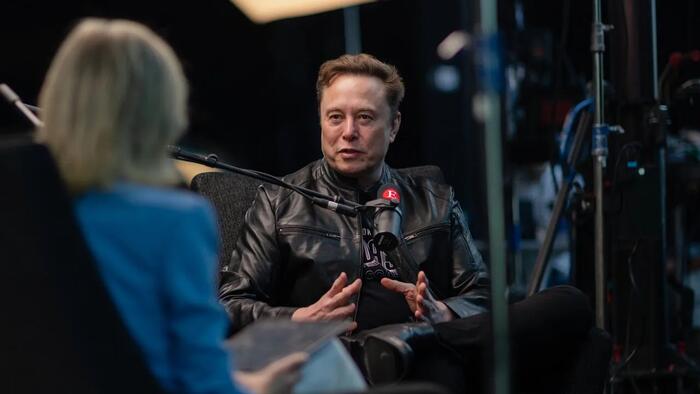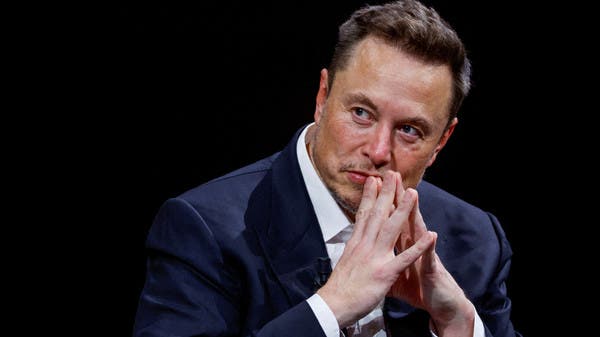
Is Elon Musk anti-Muslim? The answer to that question is, of course, no. Anyone familiar with Elon Musk’s life and career knows that he is far removed from religious or racial prejudice. His companies employ people from a wide range of religious and ethnic backgrounds, and there is no evidence that he discriminates against any particular race or religion. We do not know of a single person who has been persecuted by Musk because of their race or faith.In an interview with The Economist, Musk was asked a similar question because he frequently raises sensitive issues related to immigration, cultural integration, and Western civilization. These topics are uncomfortable for many political and intellectual circles, and many people avoid discussing them for fear of being accused of racism, ethnic superiority, or extremism.But let us examine the main issues he talks about.When it comes to immigration, Musk has consistently opposed illegal immigration. If that position is considered racist, then all of us would have to be considered racists. Every country has the right to protect its borders, and those who wish to immigrate should follow legal pathways for entry and residency.On the issue of cultural integration, Musk has spoken about extremist Islamist groups that seek to isolate Muslims in the West from integrating into their new societies. What exactly is extremist about raising that concern? It is a point we have made repeatedly ourselves. Islamist organizations, both Sunni and Shia, operating in Europe and North America are dangerous because they encourage extremism and hatred. They build intellectual and psychological barriers around Muslim communities, leading to their isolation from the societies they have joined. We know of extremist figures who fled Gulf countries and Egypt only to continue inciting hostility against those same countries from London, New York, and Montreal under the claim that they are defending Islam. In other words, they carried the microbes of hatred with them from East to West. Nor did they stop there. From their new countries, and through social media platforms, including X, they continue to promote hatred and violence. When Musk speaks about this, he is not saying anything new. It is a reality many people already recognize. That does not make him hostile to Islam as a religion. Rather, he is critical of extremists who have multiplied under the banner of multiculturalism, as though society should simply allow them to spread hateful ideas among Muslim children because challenging them would supposedly interfere with their culture or limit their freedoms.When Musk talks about Western culture and its values, he is not calling for a civilizational or cultural clash. He is referring to principles such as tolerance, coexistence, integration, respect for human rights and women’s rights, respect for the rule of law, and freedom of thought. These are the values of modern civilization. While they first emerged in Europe during the Renaissance, the Enlightenment, and later the modern era, they have since evolved into universal values embraced across the world, including in the United States, Japan, South Korea, Canada, and many other countries. Belief in these principles is essential for progress and successful integration into today’s developed world, and there is nothing inherently incompatible about them and Islam. Values such as tolerance and coexistence are found throughout the Quran, and the golden age of Arab and Islamic civilization was built on learning, philosophy, and tolerance. Of course, the world has advanced since then. Freedom of thought has expanded, and we have entered the age of artificial intelligence. Yet, at the same time, some scenes in London’s public squares can appear to belong more to the Middle Ages than the twenty-first century. In fact, Musk often criticizes what he sees as excesses within modern Western culture, including same-sex marriage, gender transition, and what he calls “wokeism.” In that respect, he is actually closer to the views of many Muslims, as he advocates for marriage and the preservation of traditional family values. In that sense, he represents a more traditional form of Enlightenment thinking.What Elon Musk says is not only correct, but also useful. We need people who are willing to speak candidly, rather than politicians who exploit Muslim communities for electoral gain by reinforcing narratives of persecution and conspiracy to manipulate emotions, or intellectuals and journalists who prefer to portray themselves as noble defenders and moral heroes while the underlying problems continue to spread unchecked.There are, of course, genuine anti-Muslim voices in the West, and they are themselves extremists and racists. They feed off the rhetoric of extremist leaders who distort the image of Islam. The best way to weaken these anti-Muslim extremists is to weaken the influence of Islamist extremists, remove the authority to define Islam from groups such as the Taliban, Hezbollah, the Muslim Brotherhood, the Popular Mobilization Forces, and extremist ideologues in both the East and the West, and instead promote the values of tolerance, coexistence, and freedom of thought. According to the author, these are the very same values that Elon Musk advocates.Read more:
Is Elon Musk anti-Muslim?
Is Elon Musk anti-Muslim? The answer to that question is, of course, no. Anyone familiar with Elon Musk’s life and career knows that he is far removed from
830 words~4 min read