Nicole Xu for NPR
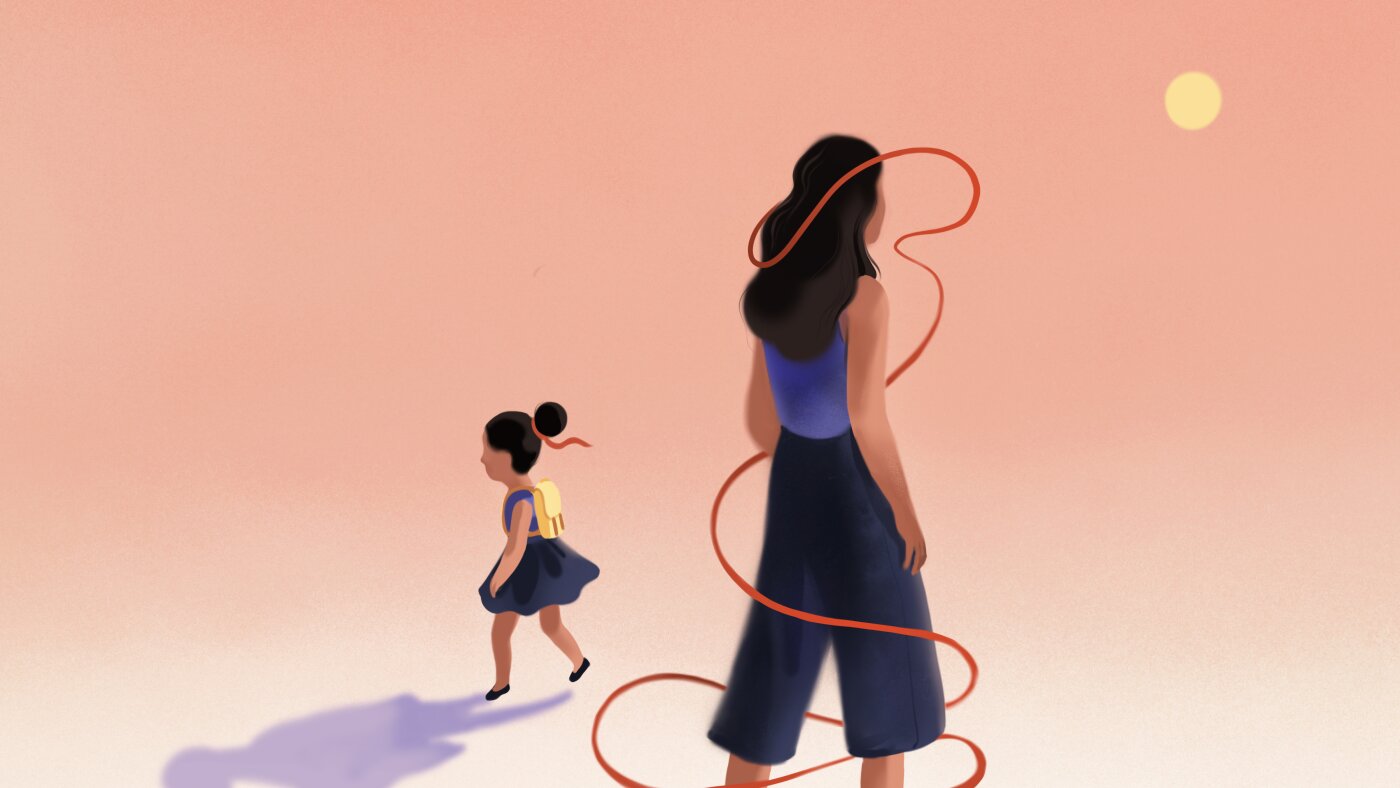
School used to be pretty easy for Kate Jarvis when she was a little girl, back in the 1980s. She was a straight-A student, creative, and so organized that she'd even prep her toothbrush with toothpaste each night before school. She says her mother used to call her "bright-eyed and bushy tailed."
Then puberty hit, and everything started to fall apart. She found it harder to focus in school, and her grades slipped. "It really hit my self-esteem badly. I felt pretty awful about myself," she says. In high school, she was diagnosed with anxiety and depression. She struggled to fit in. She says it stung when teachers would write comments like, "Kate has so much potential, if only she'd apply herself." "So it felt like character flaws rather than what it really was, which was undiagnosed ADHD," says Jarvis, who didn't get a diagnosis until her late 30s.
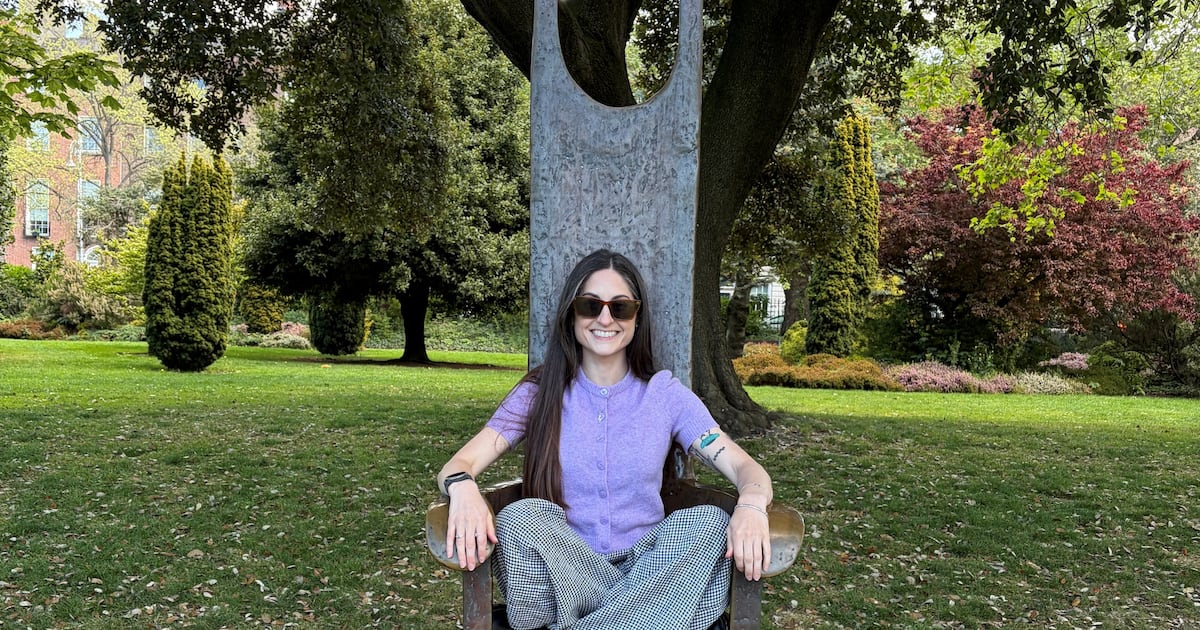
Kate Jarvis says that her diagnosis of ADHD in her 30s felt revolutionary. "Something I had been wrestling with for 25 years had a name, causes, symptoms and effects." However, the diagnosis came with challenges as well. "Just because you know what something is, doesn't mean you can immediately fix it. And that's what I felt - like I needed to fix myself."