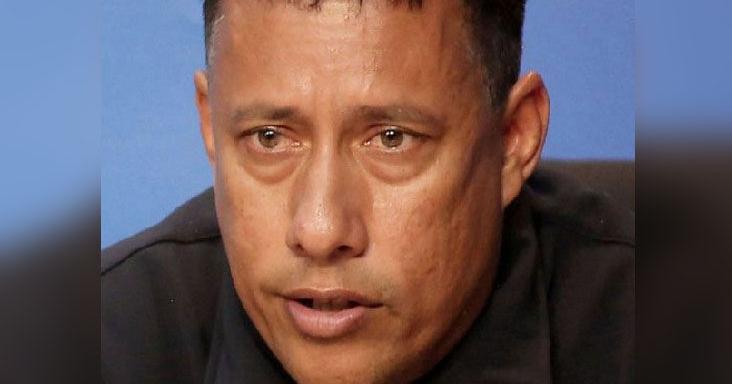
Former police commissioner Gary Griffith has warned that the leaking of a State intelligence intercept could represent “one of the gravest breaches of national security and intelligence confidentiality” in Trinidad and Tobago’s history.Griffith made the statement while calling for an independent investigation into how the recording entered the public domain.In an audio statement posted to social media yesterday morning, Griffith said the controversy surrounding the leaked audio recording should not centre on the conversation itself but on the apparent breach of the country’s intelligence systems.“Whether the alleged statements amount to treason, sedition, conspiracy, a threat against a public official, or no offence at all, that is for the police, the DPP and the courts to decide, not for politicians, social media commentators or the public,” Griffith said, adding, “If offences were committed, those responsible must face the law. If the recording was distorted, exaggerated, or taken out of context, those who exploited it must also be held accountable.”However, he argued that the more pressing issue was how an alleged intelligence intercept, supposedly protected under the strictest levels of secrecy, found its way into the public domain.Griffith said if the recording had indeed originated from the Strategic Services Agency (SSA), its disclosure would constitute a serious failure of the country’s intelligence framework.“If this recording came from the State’s intelligence apparatus, its release would represent one of the gravest breaches of national security and intelligence confidentiality in the history of Trinidad and Tobago,” he said.He warned that such a breach should concern every citizen, regardless of their views on those heard in the recording.The recording is a purported conversation between “Genna” and Star Sabga, who has been detained under a Preventive Detention order (PDO) in connected with an alleged murder conspiracy against the Prime Minister and government members.Extraordinary powers ► sub head ◄According to Griffth, intelligence agencies are entrusted with extraordinary powers to safeguard the country and not to embarrass citizens or advance political interests.He added that intelligence gathered through private interceptions must be safeguarded and disclosed only through lawful channels.Griffith maintained that the motive behind the alleged leak was secondary to the breach itself.“Whether it was intended to embarrass someone, influence public opinion, advance a political narrative, undermine an investigation, or prove that no events occurred, that is all irrelevant. The breach remains the same,” he said.He warned that the release of intelligence material could compromise ongoing investigations, expose intelligence-gathering methods, damage relationships with local and international partners and erode public confidence in the SSA and the wider national security system.Calling for what he described as an independent, immediate and transparent investigation, Griffith said investigators should determine whether the recording is authentic, whether it originated from a State intelligence agency, who accessed, copied or distributed it, whether security and evidential procedures were followed, and whether any political official, public officer or intelligence officer authorised, facilitated or benefited from its release.He argued that the enquiry should not be conducted solely by the institution whose systems may have been compromised, and added that if the recording originated from the SSA, the agency’s leadership should also face disciplinary and criminal investigation.Griffith also called on the Minister of Homeland Security, who has responsibility for the SSA, to explain how highly sensitive intelligence material reached the public.He warned that the incident should not be dismissed as political controversy or social media gossip, describing it instead as a potential collapse of the safeguards designed to protect citizens from the misuse of the State’s most intrusive powers.Griffith said the SSA should undergo an urgent review, including its leadership, operational systems, access controls, oversight mechanisms and political independence.
Griffith calls for probe
Former police commissioner Gary Griffith has warned that the leaking of a State intelligence intercept could represent “one of the gravest breaches of national security and intelligence confidentiality” in Trinidad
599 words~3 min read