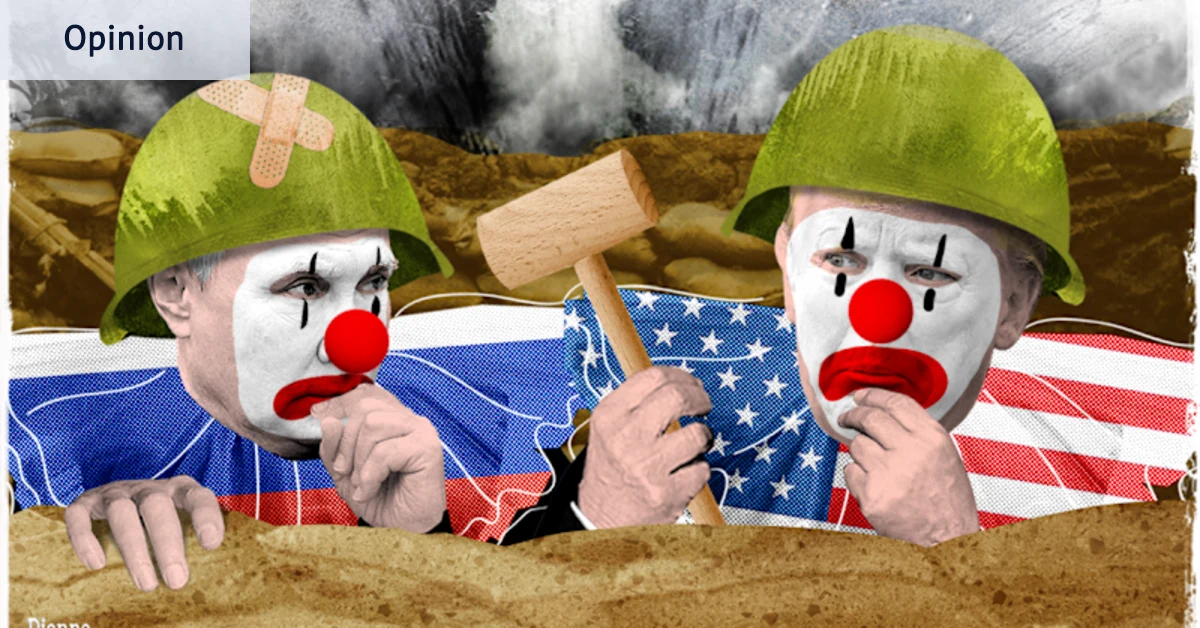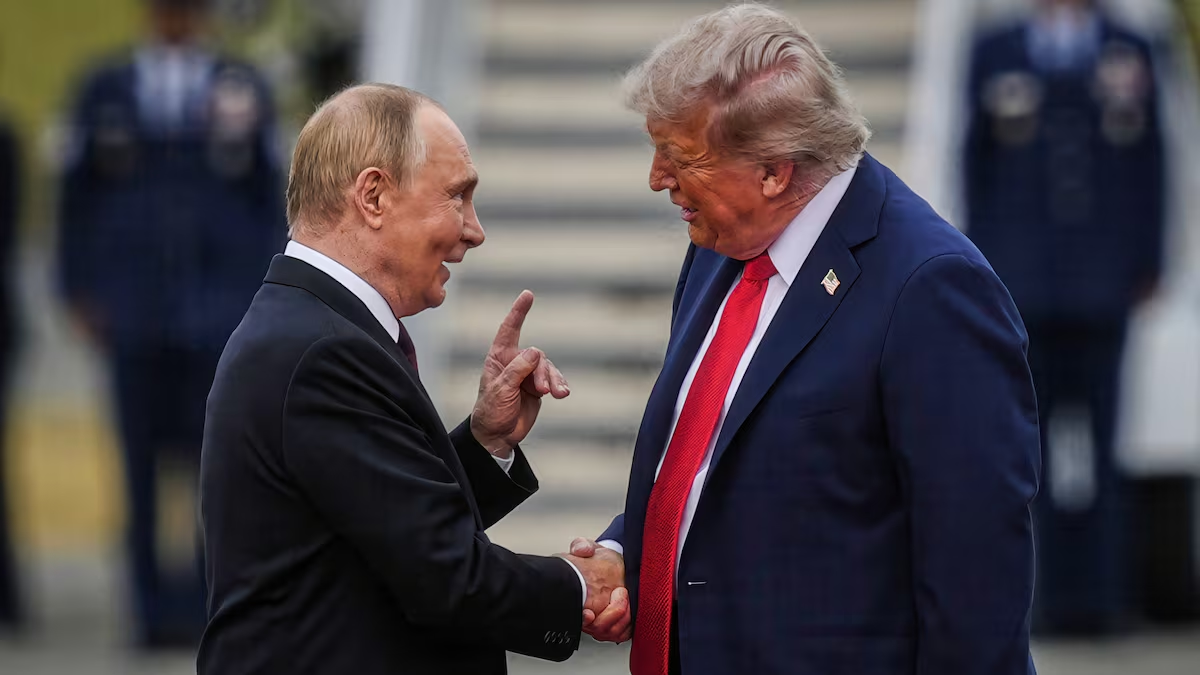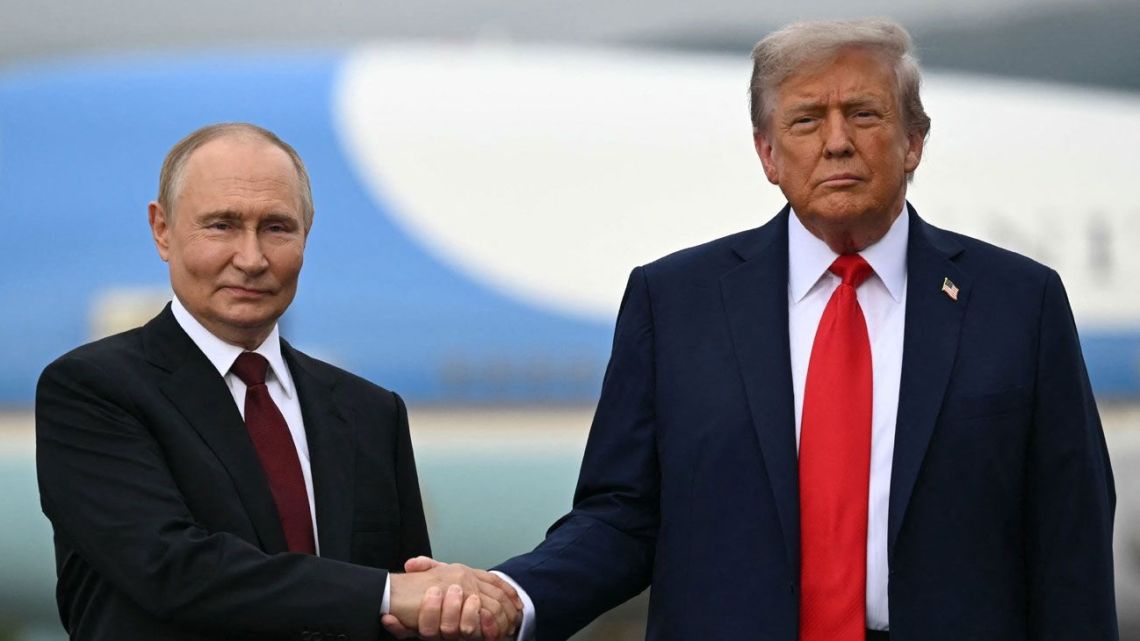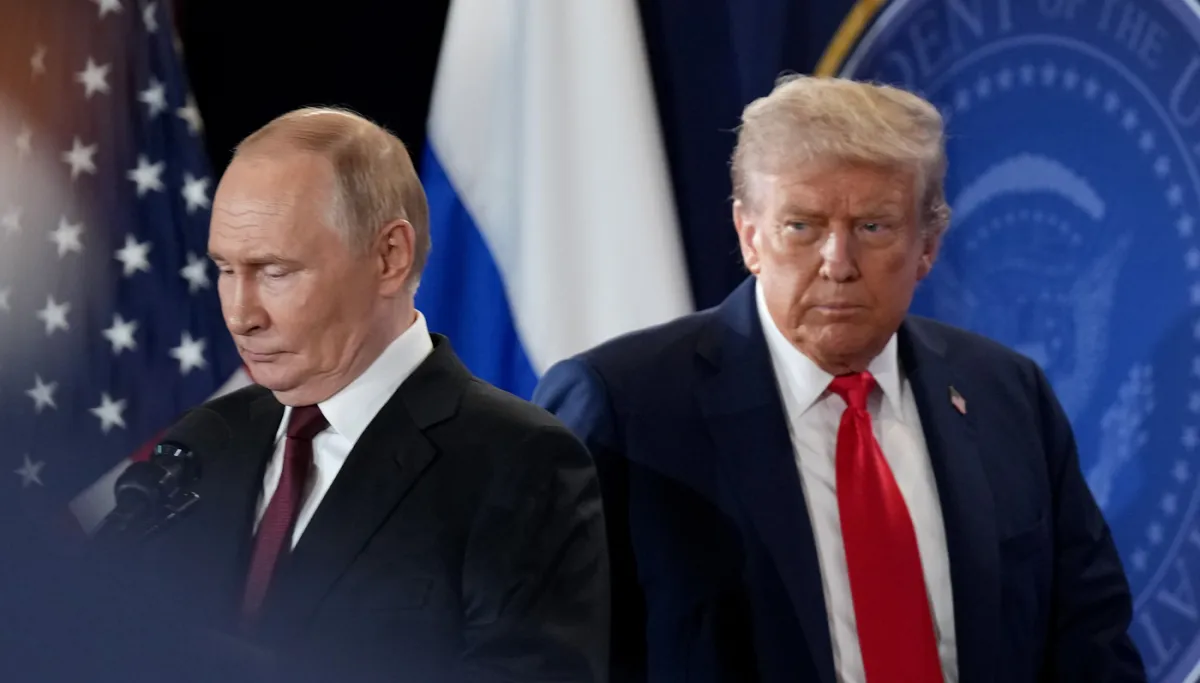
President Donald Trump and his Russian counterpart, Vladimir Putin, are facing similar predicaments after starting wars of choice only to discover that, despite commanding an overwhelmingly superior military force, the quick, decisive, total victory they anticipated has proven frustratingly elusive.In the case of Putin — who, like Trump, is a big fan of being told what he wants to hear — the Russian leader was by all accounts poorly served by his generals and spies in Ukraine who advised him that in the face of a Russian invasion the Ukrainians would fold, President Volodymyr Zelesnsky would flee or be captured, and in a matter of days, all of Ukraine would be under Russian control.That was four-and-a-half years ago.
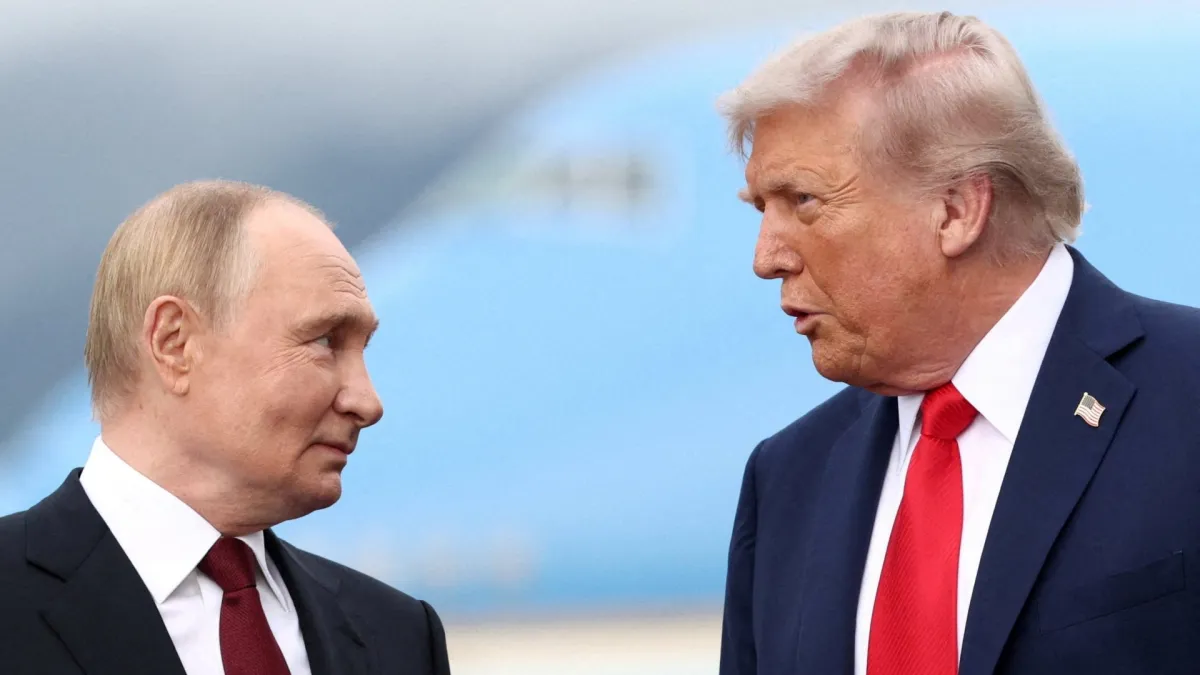
In contrast, Trump wasn’t misled by his adviser as much as by his own gut instincts, which he trusts more than so-called experts. As Trump often boasts, “I know more about (you name it) than anyone.”CIA Director John Ratcliffe, Secretary of State Marco Rubio, and Vice President JD Vance all counseled Trump not to fall for Israeli Prime Minister Benjamin Netanyahu’s rosy scenario that Iran’s radical Islamic regime would fall under the weight of a combined bombing campaign by the U.S. and Israel.Ratcliffe called it “farcical.” Rubio said it was BS. Joint Chiefs Chairman Gen. Dan Caine cautioned that unlike the quick in-and-out commando raid on Venezuela, war with Iran would be a different order of magnitude and, without allied support, would further stress depleted U.S stocks of munitions while risking closure of the vital Strait of Hormuz — “a scenario Trump dismissed on the assumption that the regime would capitulate before it came to that,” according to Regime Change, the best-selling book by New York Times reporters Maggie Haberman and Jonathan Swan.Russia’s President Vladimir Putin and President Donald Trump. (Alex Brandon/AP)