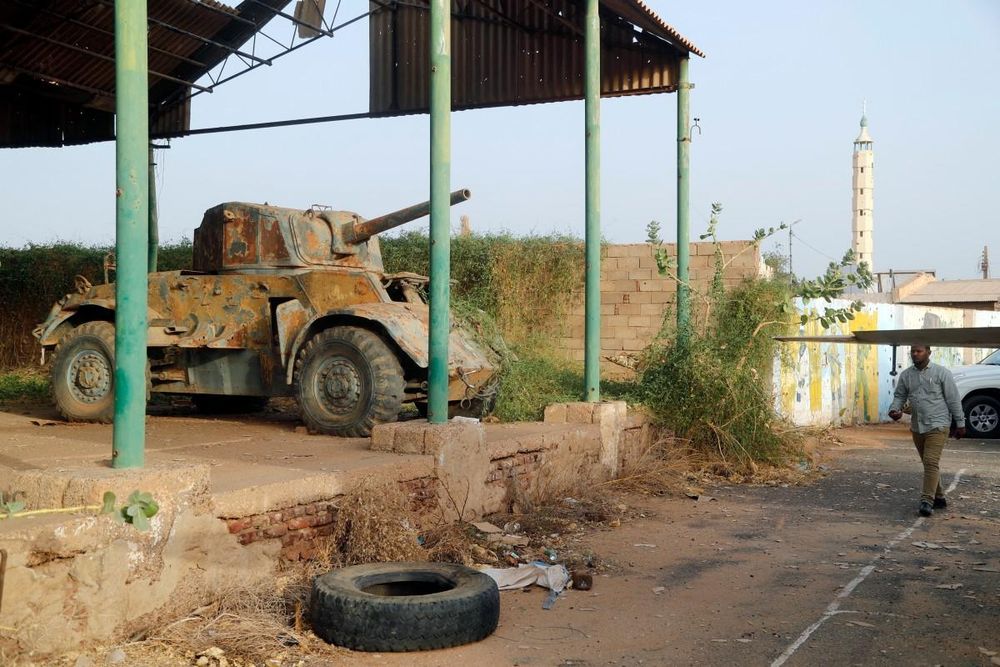
Flattened houses and rubble where a school once stood: These are the scenes that have appeared in footage of the Sudanese city of El Obeid published by Ayin Network, a nonpartisan Sudanese media outlet. Drone attacks by the paramilitary Rapid Support Forces (RSF) have caused enormous damage to civilian infrastructure, including power grids, transformers, water treatment plants, schools, universities and hospitals in the capital of North Kordofan.
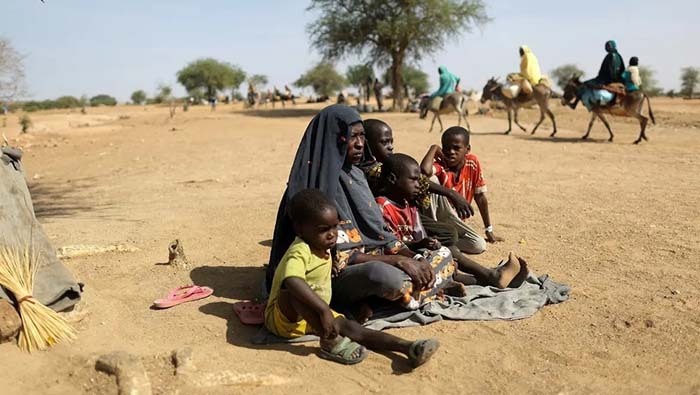
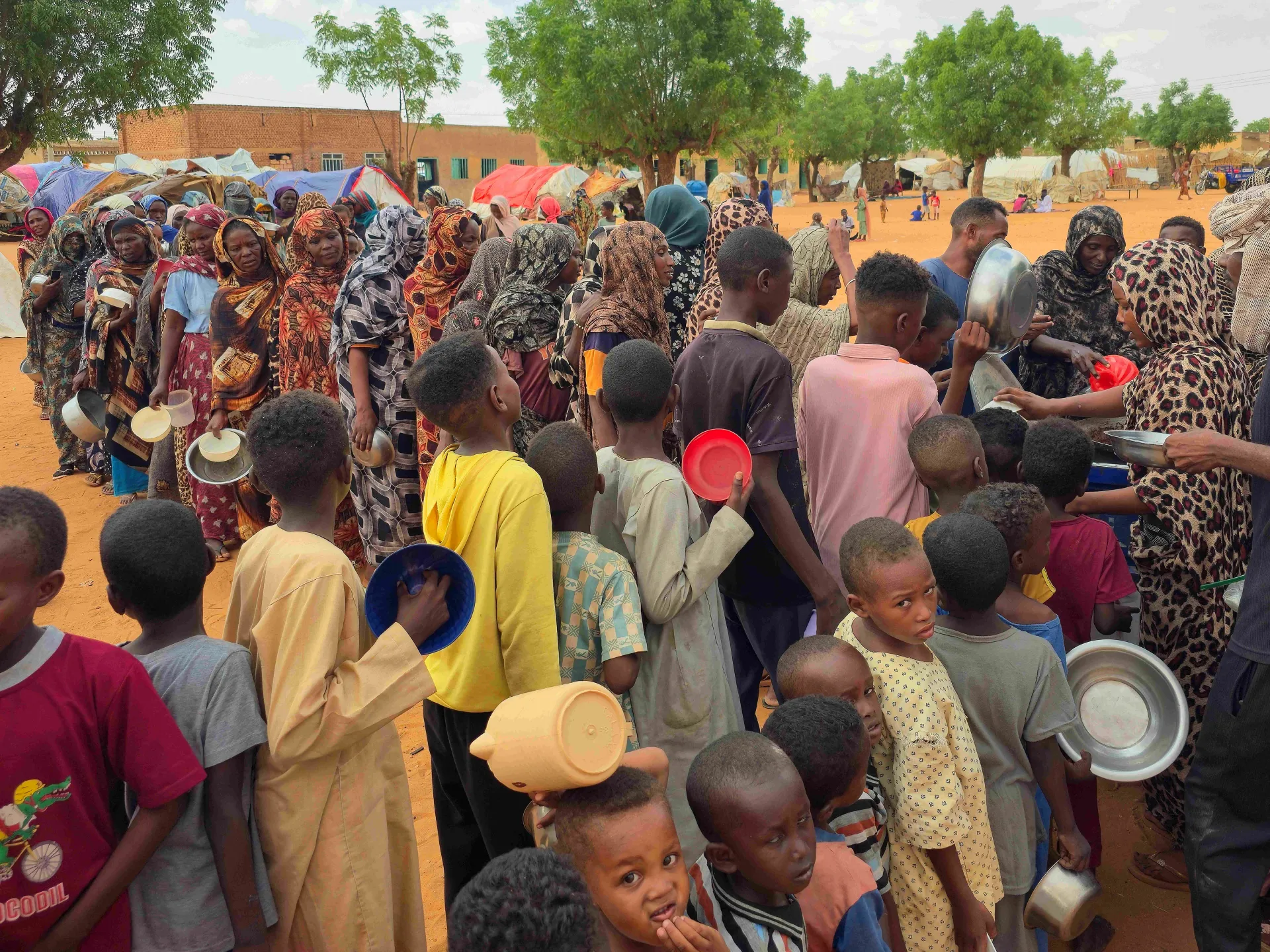
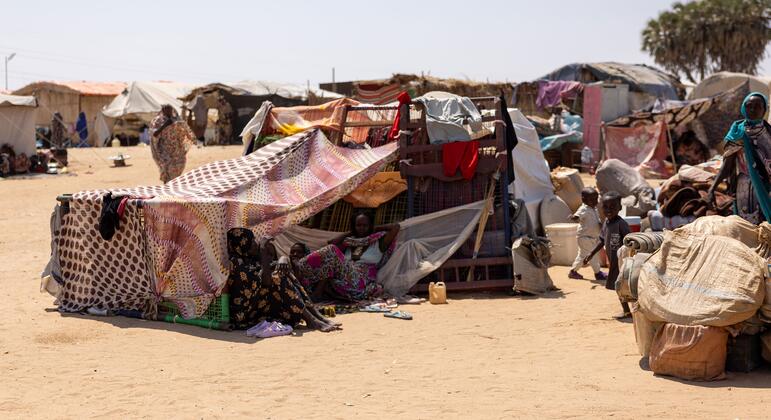
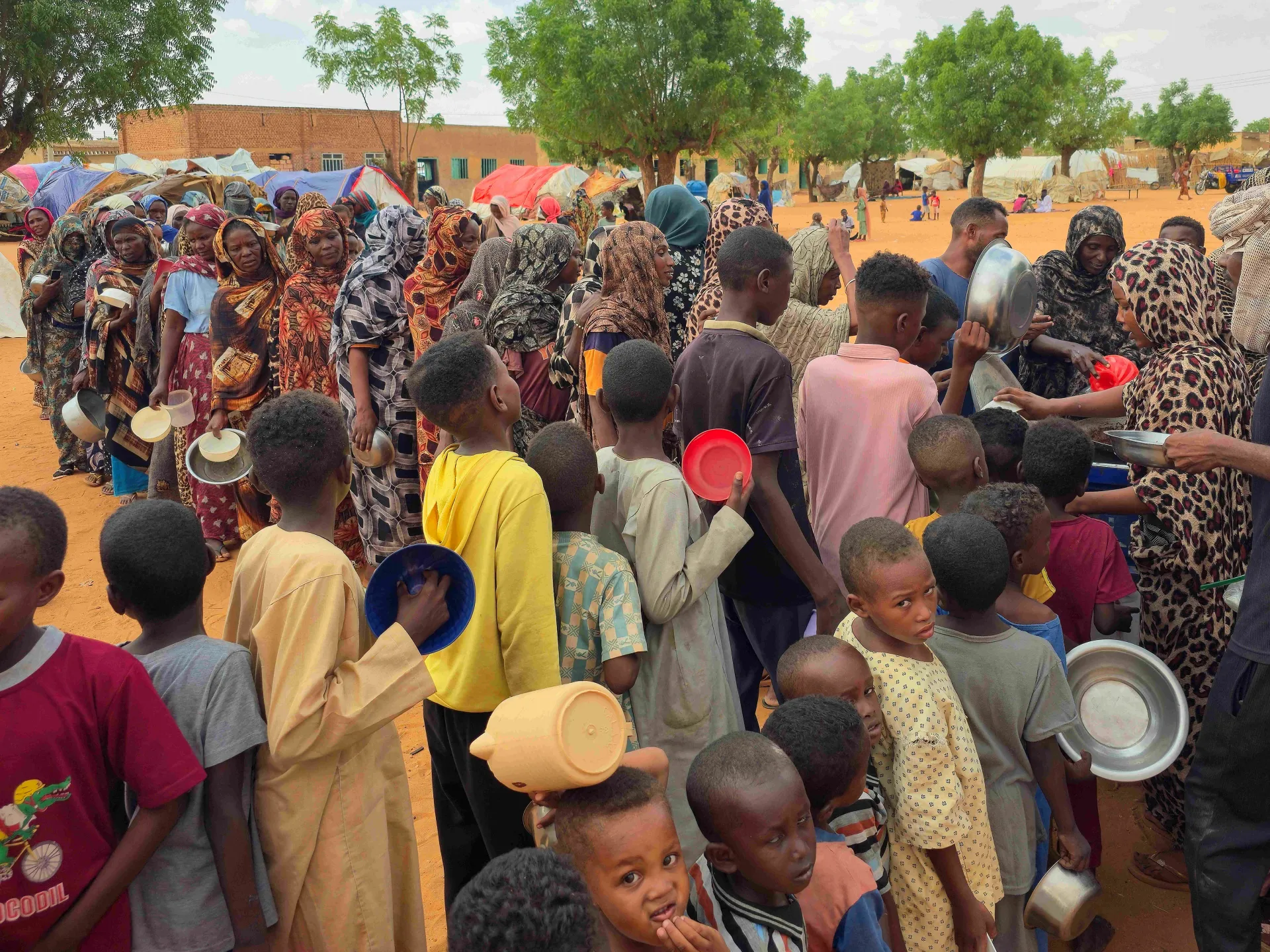
The local population is struggling to survive, according to Ahmed Awad, project manager for the UK children's rights organization Plan International, and a native of El Obeid. The city — whose population previously numbered half a million but has now become home to several hundred thousand internally displaced persons (IDP) — is under siege, he added.
There is a shortage of medical supplies as well as food and safe, clean water, and Awad said he saw long queues of IDPs at just one water pump: "Sometimes you can spend all day to get one liter of water for two or three days."
He added that a drone had hit a primary school and killed three children, which had caused trauma among other children, many of whom no longer dared go to school.
"One of the mothers said three of her children cannot sleep because always they are in fear of something happening again," he said, adding that Plan International tried "to provide psychosocial support" for people scared of drones that could hit a classroom at any time.Sudan's civil war — the limits of humanitarian aidTo view this video please enable JavaScript, and consider upgrading to a web browser that supports HTML5 video