During the Order of the Thistle ceremony at St Giles’ Cathedral in Edinburgh last month – the ancient ceremony at which the King bestows Scotland’s most senior order of chivalry – those filing in for the honours could not avoid the message spelt out in giant capital letters on the other side of the road: “WHAT DID YOU KNOW CHARLES?”
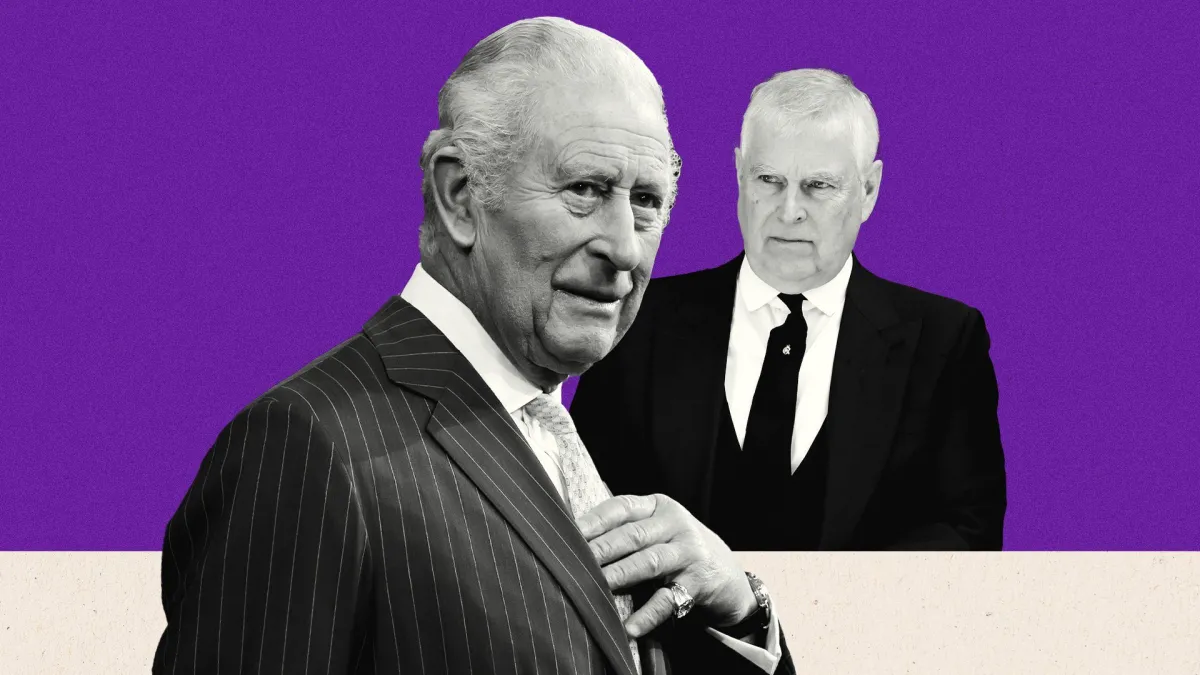
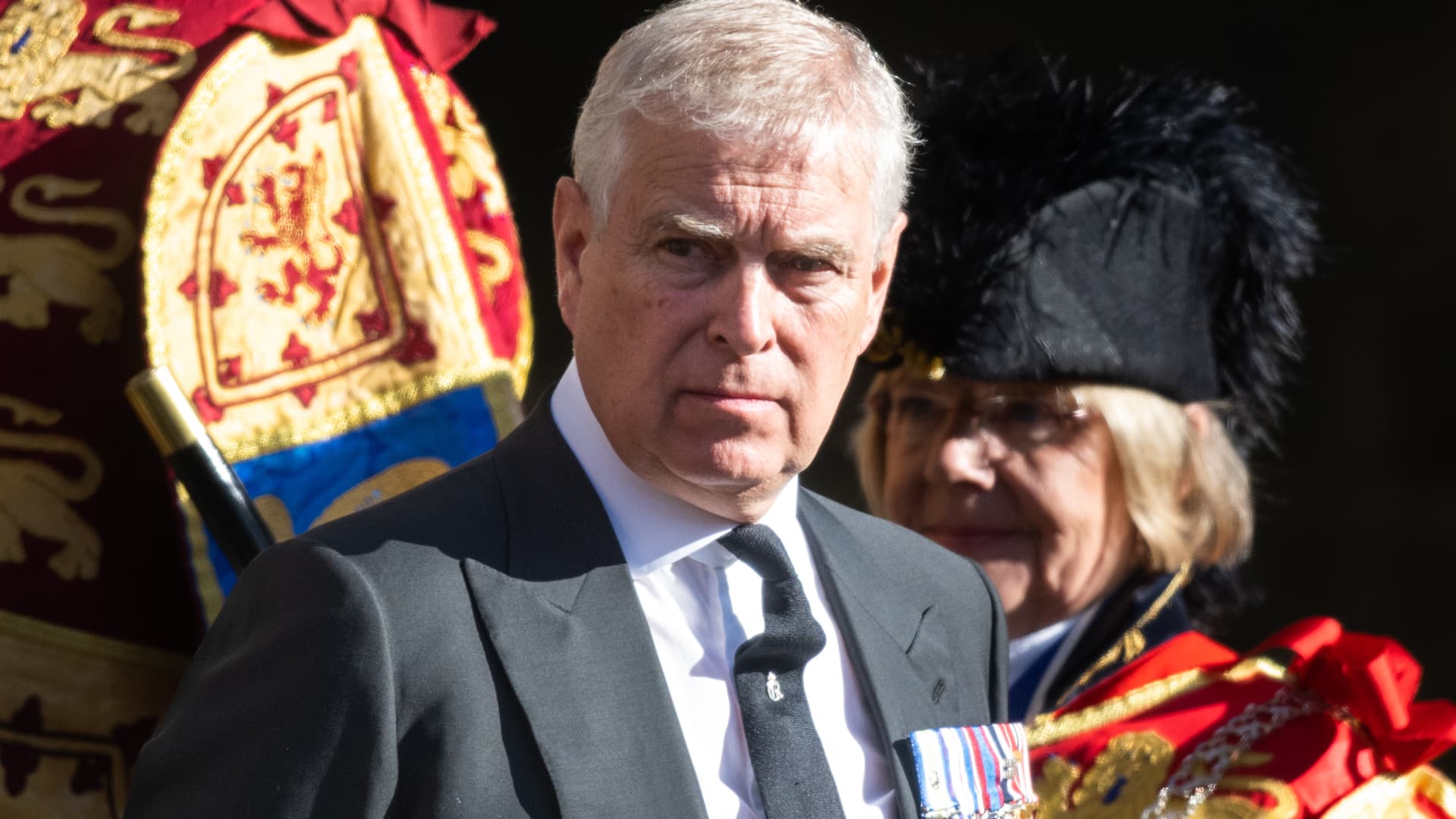
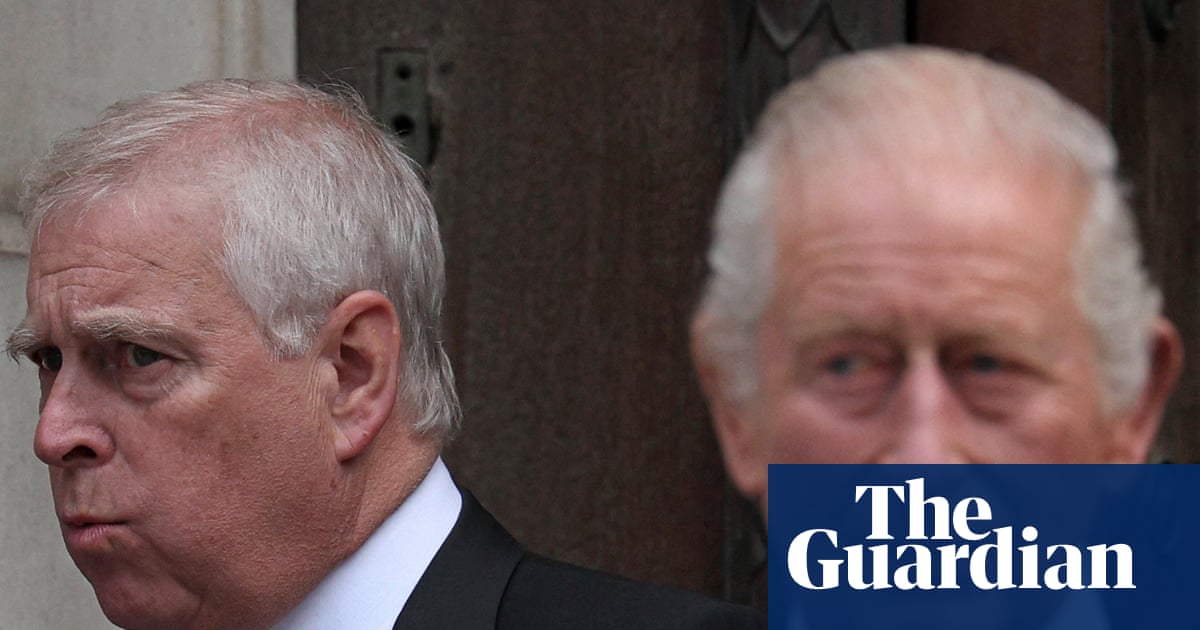
This referred, of course, to the King’s disgraced brother, Andrew Mountbatten-Windsor. The Royal Family have tried desperately to build a firebreak between the ex-duke of York and the rest of the family. His public appearances have been ended, his titles and honours stripped away, and he has been dispatched into a kind of internal exile in Norfolk, as far from the public gaze as they can manage. Yet still the flames are lapping at the royal door.
“This may take quite a while, but the real damage to the monarchy has not yet happened,” a well-placed Westminster source told me. Some even believe that if the net finally closes around the ex-prince, he could yet settle abroad – potentially in the Middle East.
It is a measure of how the ground has shifted.
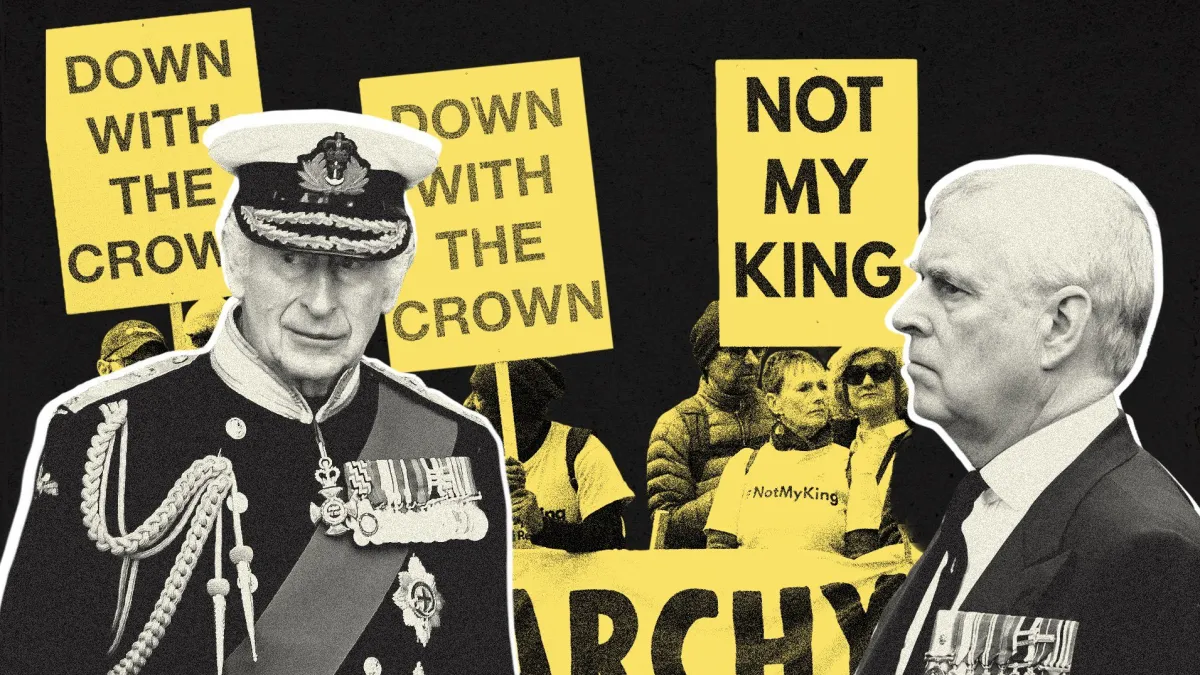
The respected British Social Attitudes survey shows that while more than 88 per cent of people in 1983 thought it “very” or “quite” important to have a monarchy, by 2024 that figure had fallen to 51 per cent. Almost half – 46 per cent – now say having a monarchy is “not very” or “not at all” important, including a majority of those aged 44 and under.