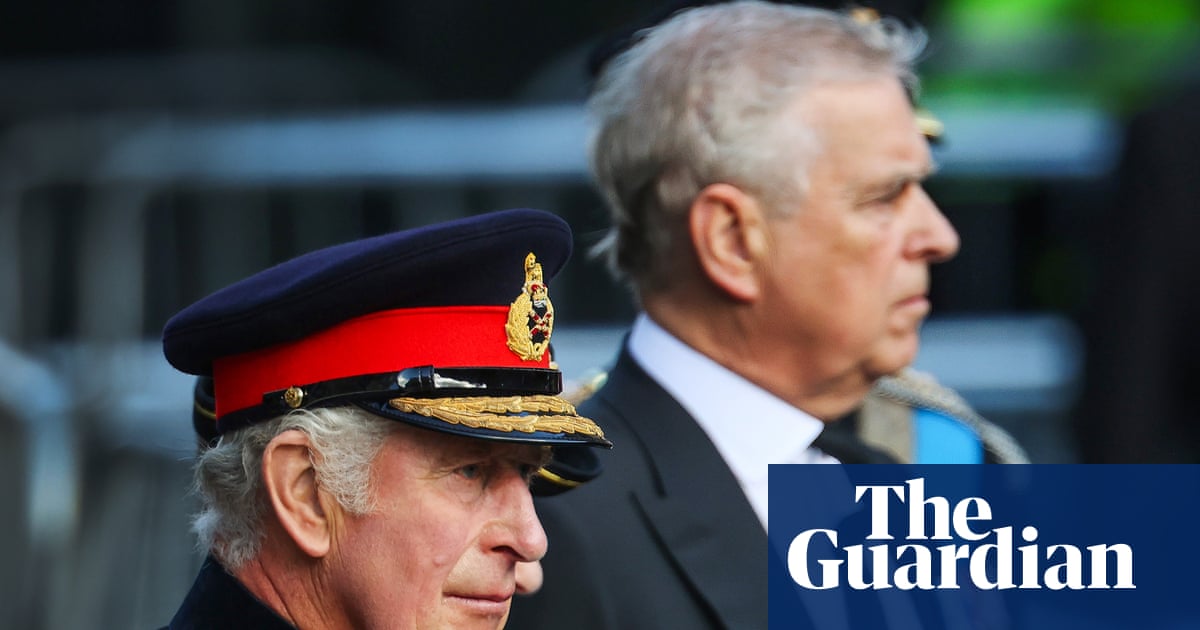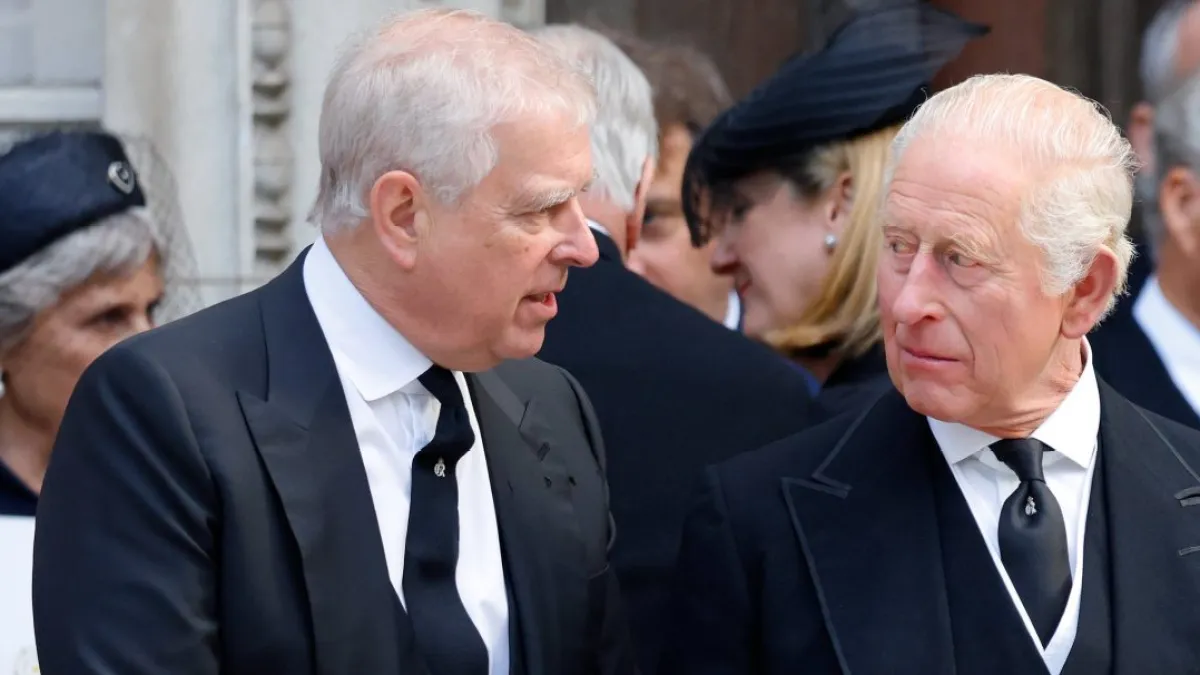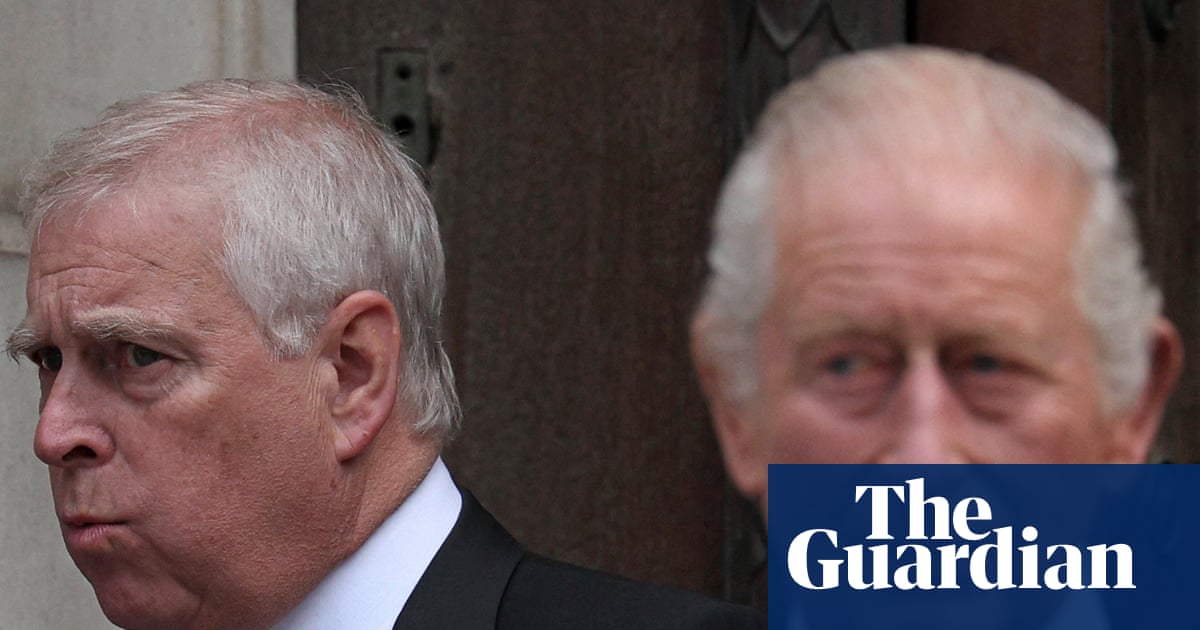
Former prince’s arrest was most damaging event for the family firm in centuries – and the questions keep coming
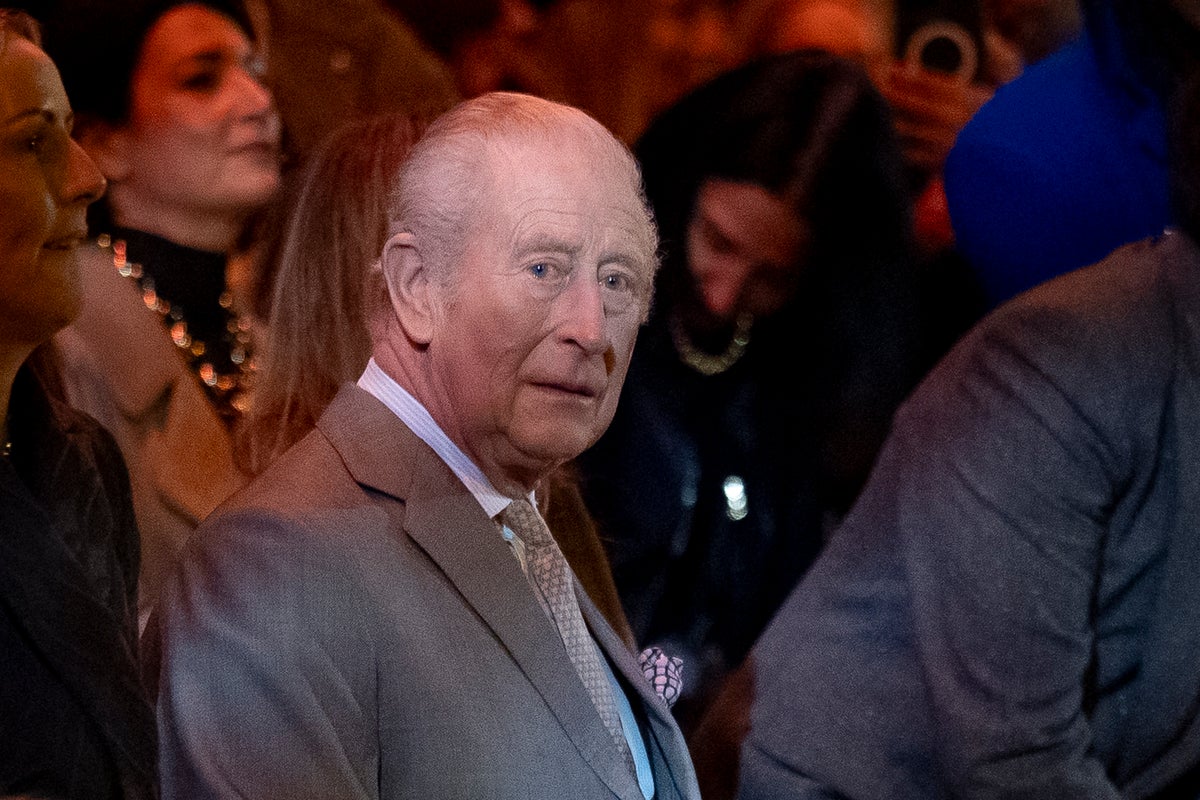
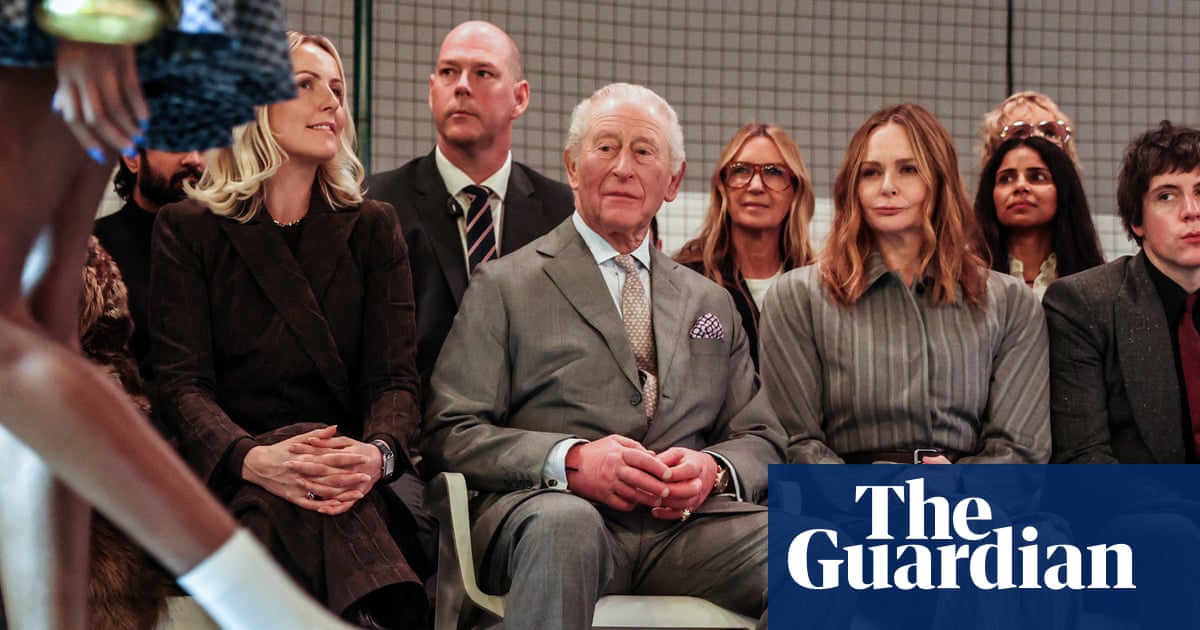
London fashion week was probably the last public place King Charles III wanted to be on Thursday, admiring the suits and costumes that no one he knows would dream of buying, and making light conversation with designers he would have difficulty in recognising at a royal garden party.
Charles must have been contemplating the crumbling of all his plans and hopes for his reign. He always knew it would be short, even before his cancer diagnosis, but he probably never thought it would be upended by the alleged behaviour of his own brother.
Thursday was the most consequential and damaging day for the family firm in centuries, perhaps since the Glorious Revolution of 1688, or the capture of King Charles I in 1647 and his execution two years later. Certainly it is worse than Diana’s death and more threatening than the 1936 abdication crisis, because it undermines the institution itself.
The Andrew crisis has not been over in a week or a fortnight – it just goes on posing questions, not only containable ones limited to Andrew’s apparent behaviour, but wider ones seeping through whole aspects of the monarchy: its money, its privacy, its unaccountability, its character and, crucially, its popularity with the public.