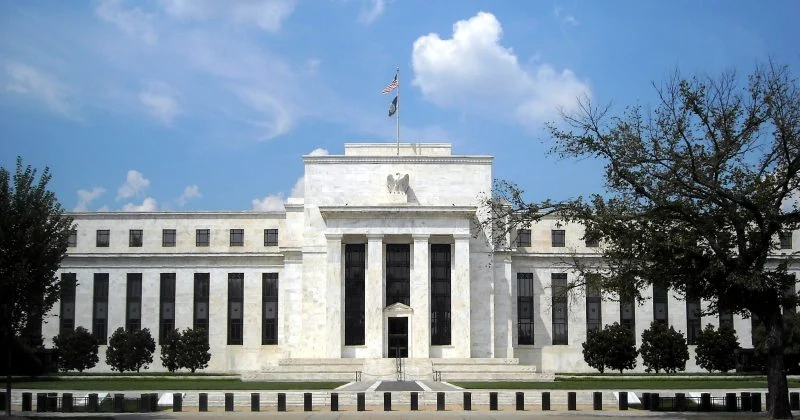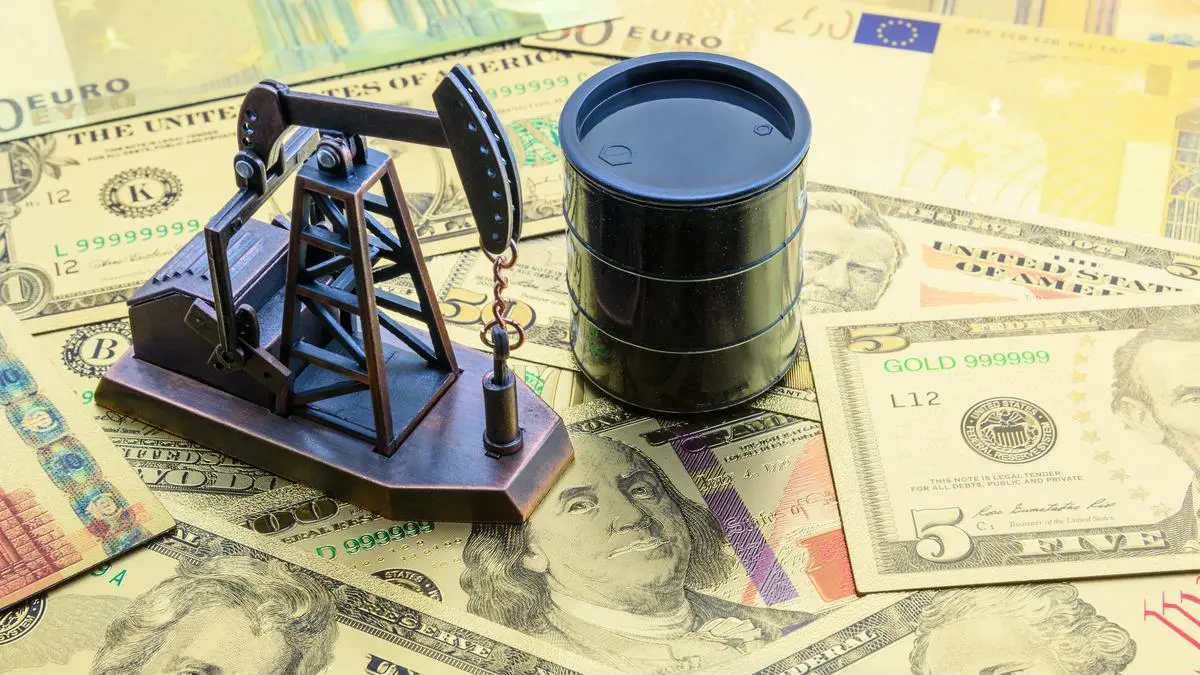
From Washington to London to Tokyo, central bankers are set to reveal just how worried they are about a return of oil to about $100 a barrel.Three days of Group of Seven rate decisions, starting with the Federal Reserve on Wednesday, followed by peers at the Bank of England and Bank of Japan, may show varying degrees of vigilance at the prospect of more energy-driven inflation, even if none is predicted to act on that for now. Together with the European Central Bank’s signal of its readiness to hike interest rates again, investor bets point to possible moves as soon as September within much of that club, even if economists are less sure. Crude oil’s brief foray above the $100 level it last exceeded two months ago is just one of the potential inflation risks confronting policymakers.Aside from gains in other energy categories such as gas, investors are honing in on the implications of massive investment in artificial intelligence, as well as US President Donald Trump’s bid to rebuild a wall of tariffs after setbacks at the Supreme Court. Global bond markets point to some alarm among investors, with yields having jumped across the G7. On Friday, the US 30-year yield was just below its highest since 2007. Other ripples from the renewed cost-of-living hit may be seen in central bank decisions around the world, with more than a dozen scheduled for the coming week. Elsewhere, euro-zone growth and inflation numbers, Tokyo consumer prices, and South Korean exports will be among the highlights.Click here for what happened in the past week, and below is our wrap of what’s coming up in the global economy.US and CanadaThe Fed’s July 29 rate decision is approaching with more suspense than many anticipated after June consumer price data in the US came in much cooler than expected. That’s been overtaken, however, by renewed hostilities in the Middle East.The resulting surge in oil prices has boosted expectations for dissent from some officials — possibly Dallas Fed President Lorie Logan and Cleveland’s Beth Hammack — who favor a rate increase now. It’s also sparked widespread discussion over whether new Chairman Kevin Warsh might surprise investors with a hike.What Bloomberg Economics Says:“We expect a hawkish hold. Warsh is likely to stress that inflation remains too high and keep a September hike in play, but the soft CPI data should be enough to prevent action this month.”—Anna Wong, Andrew Sacher and Eliza Winger. For full analysis, click hereOn Thursday, a day after the decision, investors and policymakers will get an updated look at the state of economic activity, the Fed’s preferred inflation gauge, and consumer spending.Government data is projected to show gross domestic product rose at an annualized 2.1% pace in the second quarter, fueled by consumers and business investment. A separate report is forecast to show a key inflation measure slowed in June amid lower gasoline prices that have since turned higher.AsiaIt’s another busy week for the Asia-Pacific region, with several important monetary policy decisions and trade releases.First up is a rate decision from Singapore’s central bank, a chance to dust of your protractors so you can check the slope of the currency band which is their policy tool. Pakistan’s central bank will also announce its policy rate.Friday morning brings a data dump from Japan, with industrial output, retail sales and jobless data for June as well as inflation in Tokyo for July.The latter figure is a leading indicator for the nation and should give some guidance about what the Bank of Japan will decide later the same day. Taiwan will also announce second-quarter GDP on Friday. Earlier in the week Australia reports June consumer inflation, and on Thursday Reserve Bank of Australia Deputy Governor Sarah Hunter is scheduled to speak. That comes after June data showed the labor market still going strong, upping expectations for more rate hikes.It’s a big week for trade data, with South Korea releasing its July trade stats on Saturday. Before that comes June figures for Hong Kong, the Philippines, and Thailand. Asian countries including South Korea have been reporting record export numbers almost every month due to the soaring AI trade, and July looks like it will be more of the same, with foreign shipments up more than 50% on year in the first 20 days of July.Europe, Middle East, AfricaOfficials in the euro zone will get an initial batch of data to help them gauge if they should deliver another rate hike. GDP likely rebounded with a 0.2% increase in the second quarter, while inflation picked up to 2.9% in July, according to the median forecasts of economists. Those numbers are scheduled for Thursday and Friday, respectively.Belgium and Ireland kick off the release of growth data on Wednesday. Other national numbers the following day may show a 0.1% increase in Germany, a return to expansion in France, stagnation in Italy, and continued robust momentum in Spain. The reports are likely to confirm the backdrop that European Central Bank President Christine Lagarde pointed to in her remarks on Thursday, with the economy showing “some improvement” and an inflation shock from the Iran war “yet to play out.”Germany’s Ifo survey may draw scrutiny too. Aside from pointing to the ongoing impact of the Iran conflict, the business index, due on Monday, may reveal if economic reforms unveiled in Berlin have buoyed sentiment at all. Aside from further policy announcements from new Prime Minister Andy Burnham, the UK highlight is likely to be the Bank of England rate decision on Thursday. While no change is anticipated, a minority faction voting to hike borrowing costs is also likely.Some other monetary decisions are on the schedule around the region:
Oil near $100 puts fed and peers in interest-rate spotlight
Crude oil nearing $100 raises inflation concerns, influencing central bank decisions globally amid potential interest rate hikes.
1,347 words~6 min read