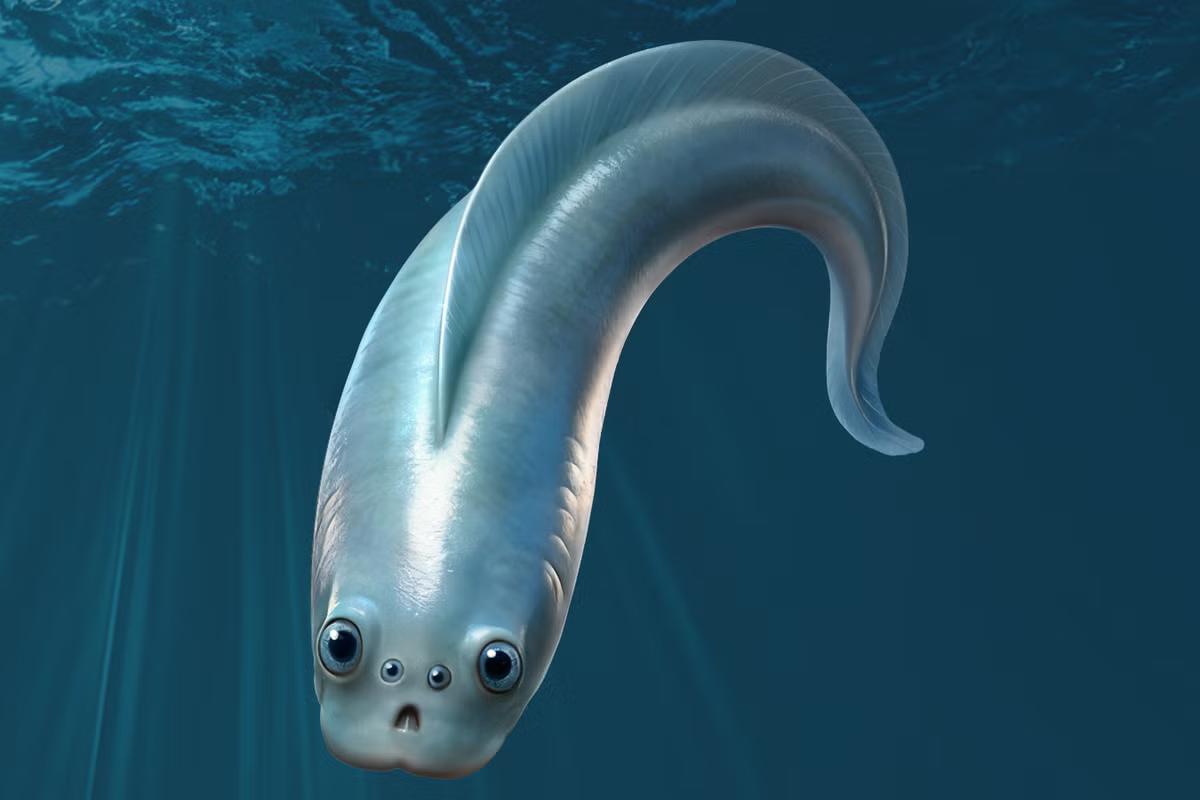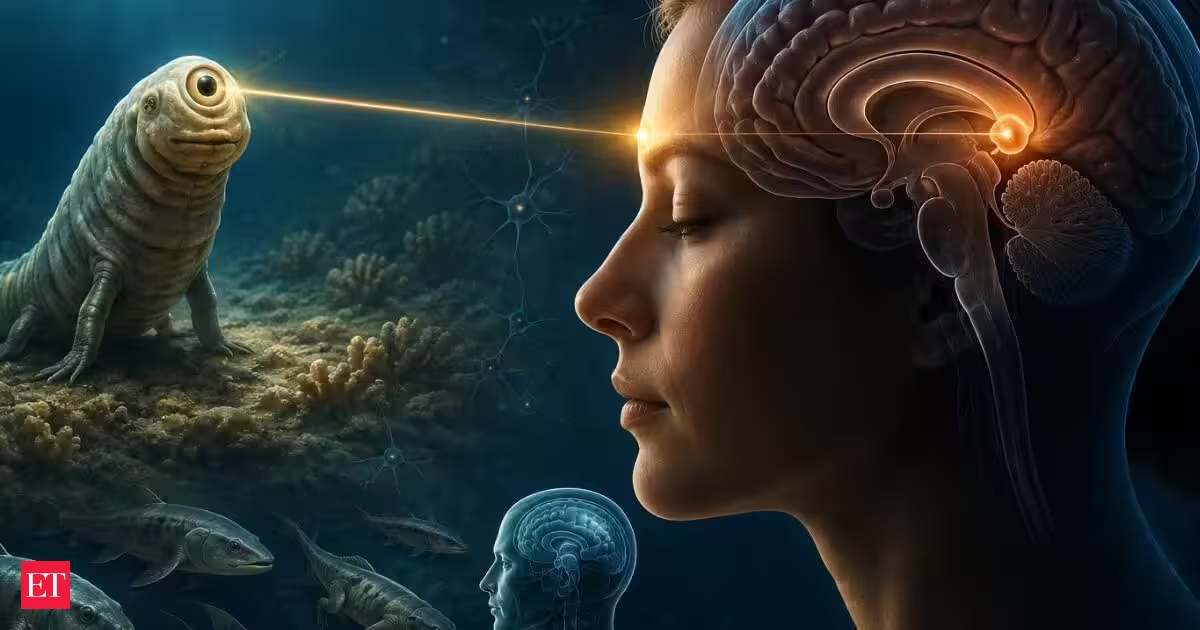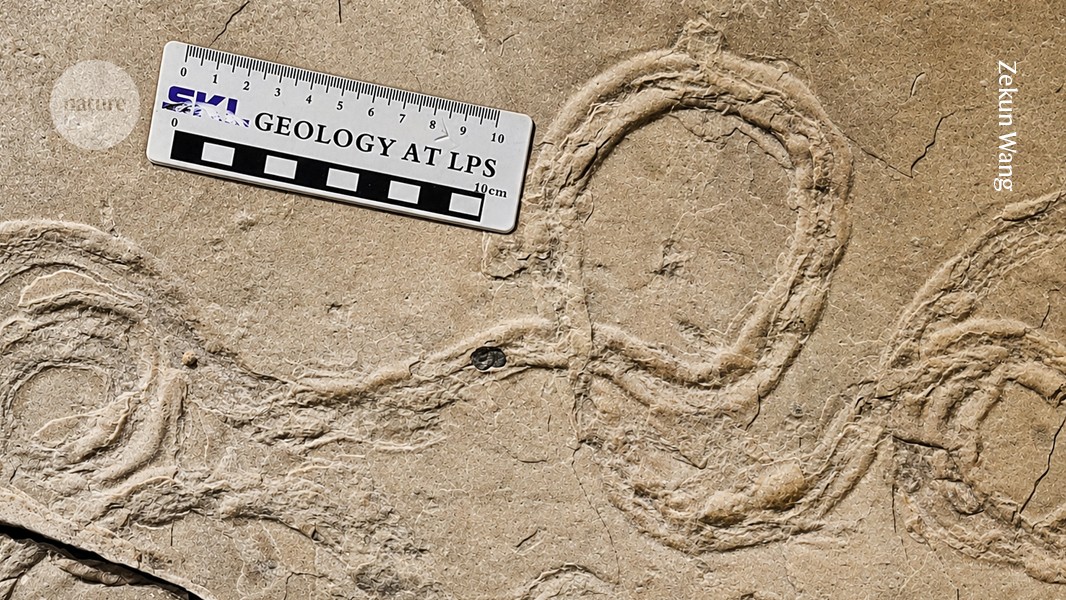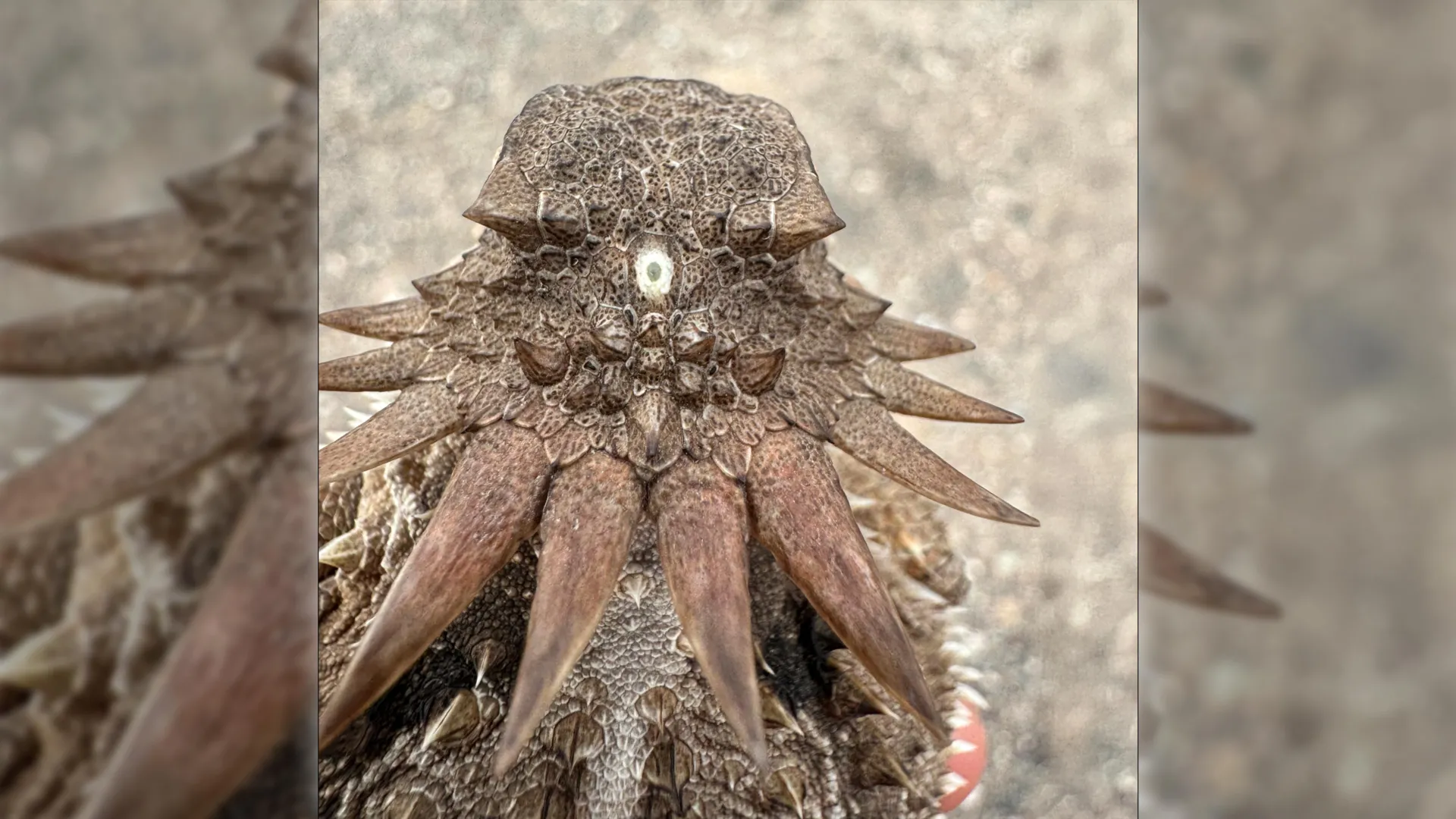
Humans and every other vertebrate may share an astonishingly strange ancestor: a tiny creature with a single eye centered on the top of its head.
Recent research from Lund University and the University of Sussex proposes that the earliest ancestor of vertebrates passed through a cyclops-like stage nearly 600 million years ago. According to the researchers, this animal's central eye eventually contributed to the development of the paired eyes used by vertebrates today.
Even more remarkably, part of that ancient visual system may still survive inside the modern brain as the pineal gland, an organ that helps regulate sleep.
"The results are a surprise. They turn our understanding of the evolution of the eye and the brain upside down," says Dan-E Nilsson, professor emeritus in sensory biology at Lund University.
A Tiny One-Eyed Ancestor