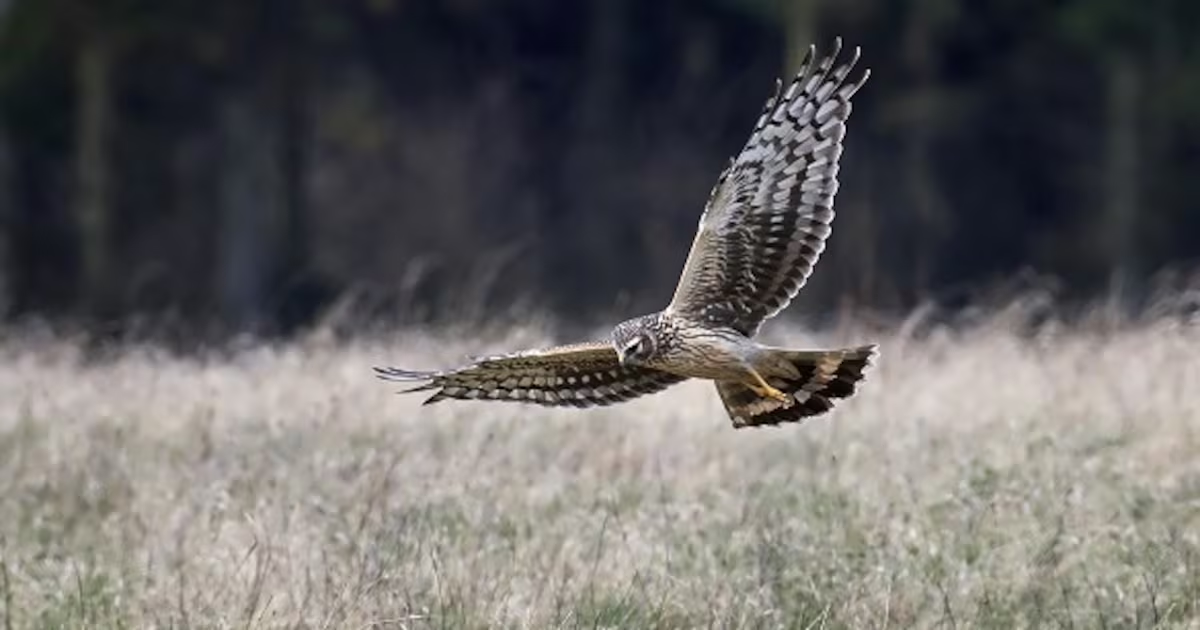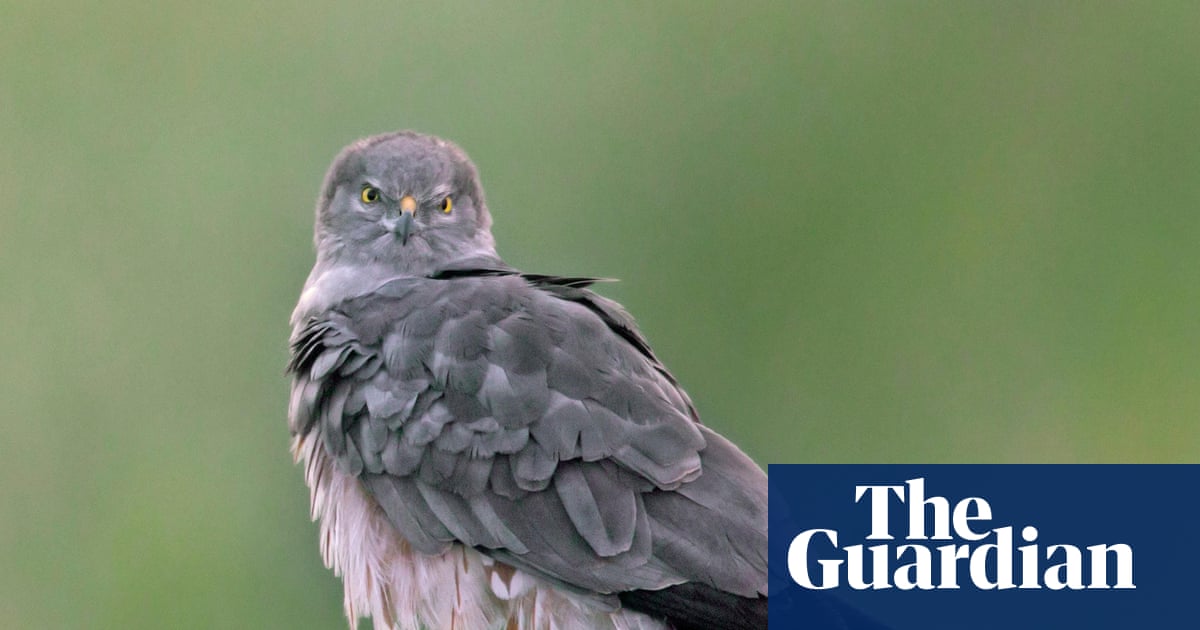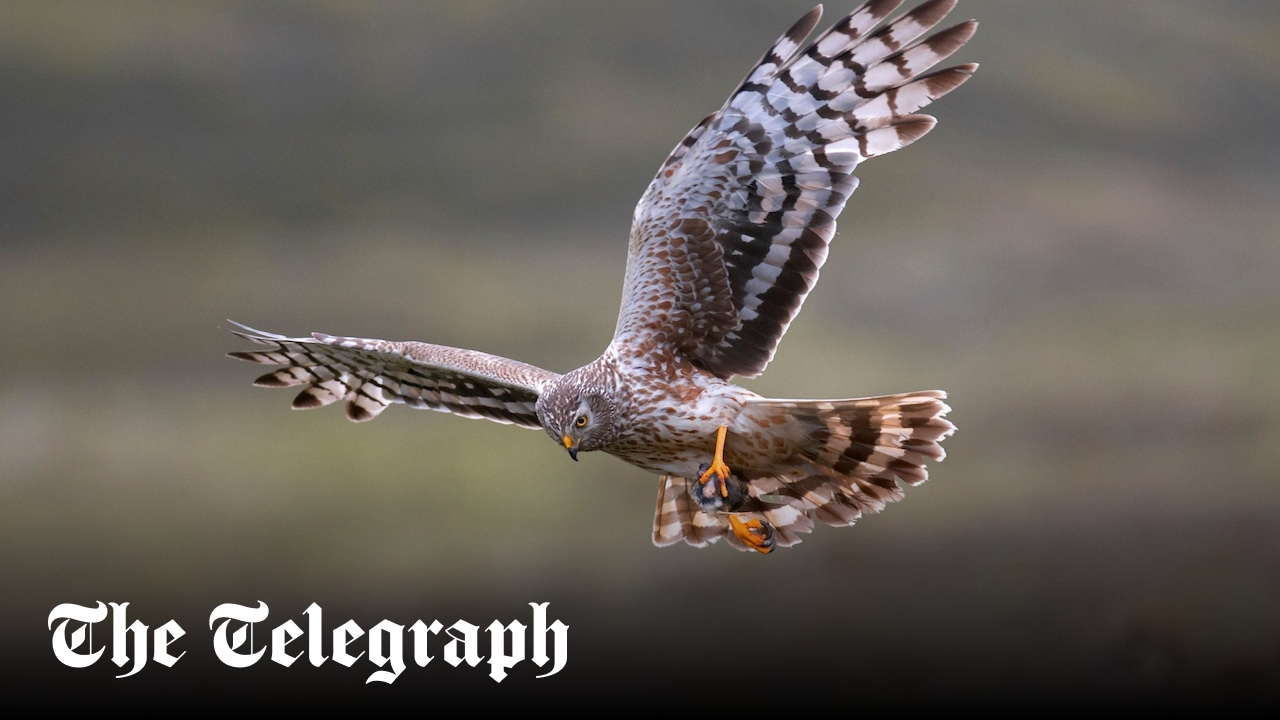
This image is of a female hen harrier aerial food pass to a juvenile in Co Clare on July 9th. It was photographed under licence from the National Parks and Wildlife Service. John Glynn, Kilrush Lovely picture – proving at least one successful breeding event is happening in 2026. The hen harrier is critically endangered now in Ireland. The 2022 National Hen Harrier Breeding Survey showed that the population had declined by one third since 2015, to an estimated maximum of 106 breeding pairs, and that its breeding range had contracted by 27 per cent for the same period. Monitoring of breeding activity is continuing in order to inform work on Ireland’s Nature Restoration Plan to restore habitats. Despite their name they don’t harry hens but hunt rodents and small birds. They are ground-nesting birds of moorland and mountains. Longhorn beetle. Photograph via Deirdre Burns My son Sam spotted this unusual insect while mowing a lawn in the countryside outside Ashford. We are wondering if it is Leptura aurulenta, the hornet beetle/golden-haired longhorn beetle? It was 3-4cm in length. Deirdre Burns, Ashford, Co WicklowKathleen Gleeson found one too on a log of timber in Clasheen, Killarney, and feared for the safety of her honeybees. The insect in both cases does seem to be that longhorn beetle, all right, so the honeybees are safe. The National Biodiversity Data centre has 56 records of this species, which shows that it occurs across the south of the country from Wicklow to Kerry. The larvae feed on freshly dead wood of broad-leaved trees, especially oak, and it is associated with ancient woodland. Pale tussock moth. Photograph via J Carroll We found this moth in our garden, hidden under some weeds in a planter that contains an acer tree. From our online research we think it could be a gypsy moth and are worried that our young tree could be damaged. J Carroll, Shankill, DublinFear no more. It is not a gypsy moth, which is a rare vagrant moth that was only ever recorded once in Ireland in 2004. This is a female pale tussock moth, one of the few moth species where males and females look different, the female being larger and paler.Painted lady butterfly. Photograph via Mary McCarrick There are lots of butterflies at the moment, but this painted lady appeared in our garden during a warm spell in May. Mary McCarrick, Rathgar, DublinThe painted lady is one of our migrant butterflies who visit us each summer from continental Europe. It is usually never as abundant as the black, red and white red admiral, but this year it seems to be here in droves and arrived early too. It flies strongly and is quite capable of flying here directly from Spain and coming in off the sea in large numbers. It feeds on the nectar of thistles, knapweed, scabious and red clover and so it does its bit for pollination. It will do reverse migration southwards in the autumn or at least its grandchildren will, as it breeds here and the caterpillars feed on nettles and thistles. Leaf-cutter bee holes. Photograph via Lee Hogan Kerrigan My sister took these images of the rose leaves in the bottom of my garden in Baldoyle in late June. We think what happened to them might have been made by the leaf-cutter bee. We’ve never heard of them before. Are we right? Lee Hogan Kerrigan, BaldoyleThis is entirely possible. We have five different species of leaf-cutting bees in Ireland. Females use their jaws to cut round or oval sections of leaves, particularly rose leaves, and carry them back to the nest cavity, which is usually in a deep crevice or in a hole in timber. There she uses them to make sausage shaped cells for her grubs.Please submit your nature query or observation, ideally with a photo and location, via irishtimes.com/eyeonnature or by email to weekend@irishtimes.comPlease submit your nature query or observation, ideally with a photo and location, using the form below or by email to weekend@irishtimes.com
This picture proves at least one successful breeding event is happening in 2026
Your notes and queries for Éanna Ní Lamhna
670 words~3 min read