Get the latest news and updates from Dawn
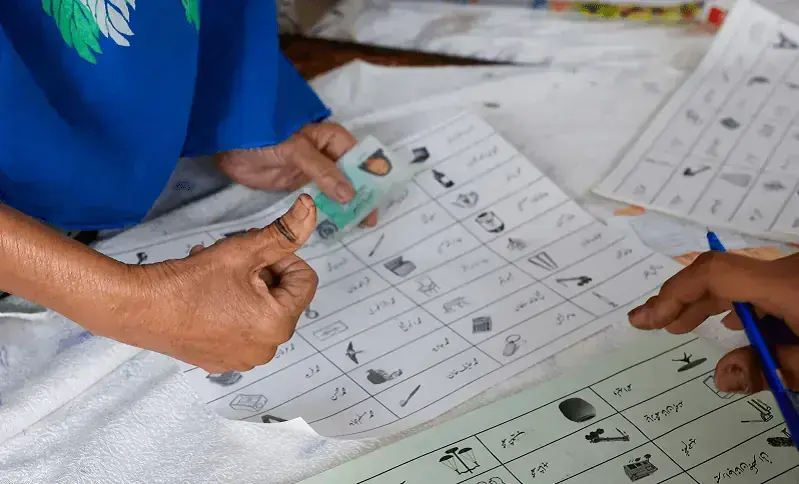
IT seems that the upcoming general election for the legislative assembly of Azad Jammu and Kashmir and its aftermath will be critical both for the AJK, Pakistan and the broader region, unlike any other of the past 11 elections since 1970.
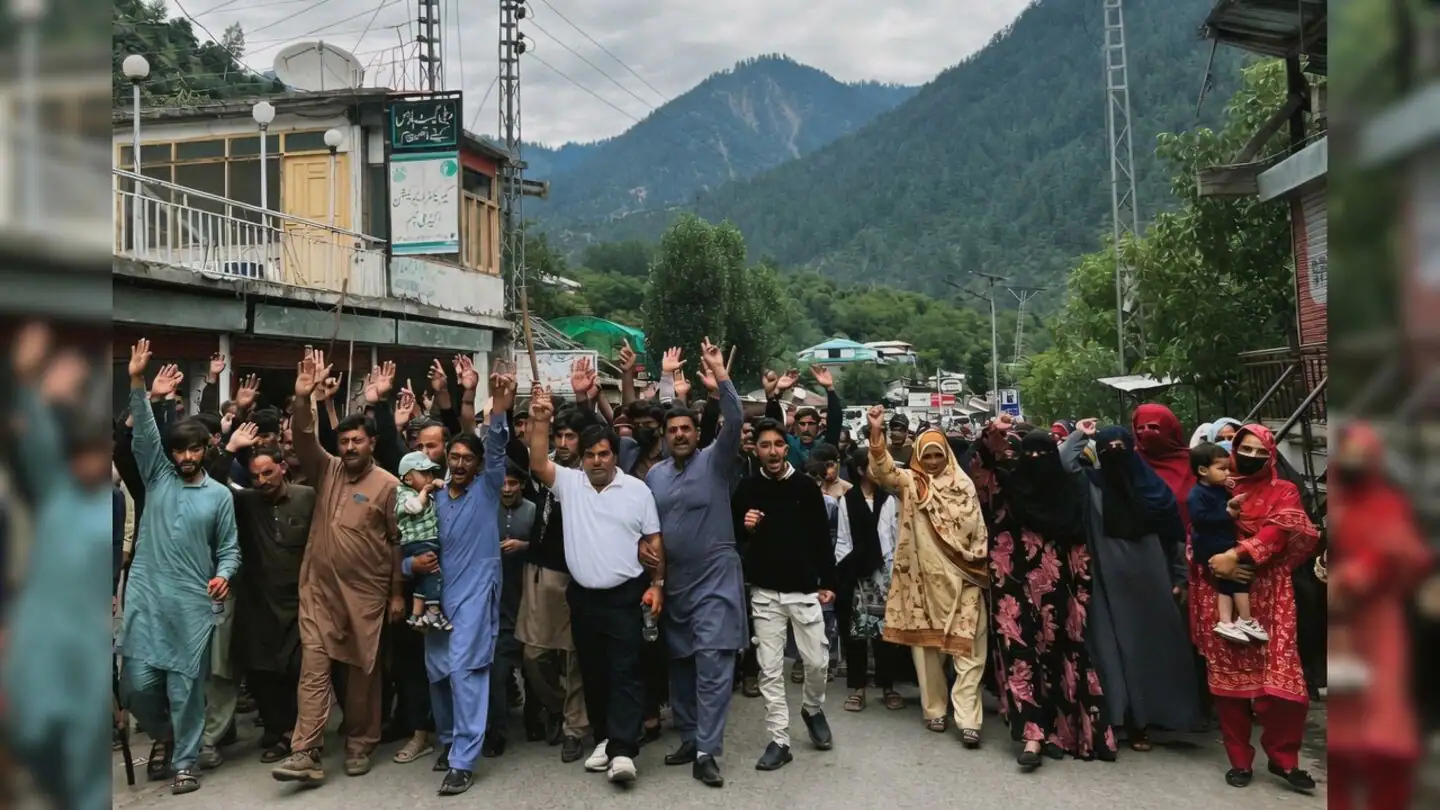
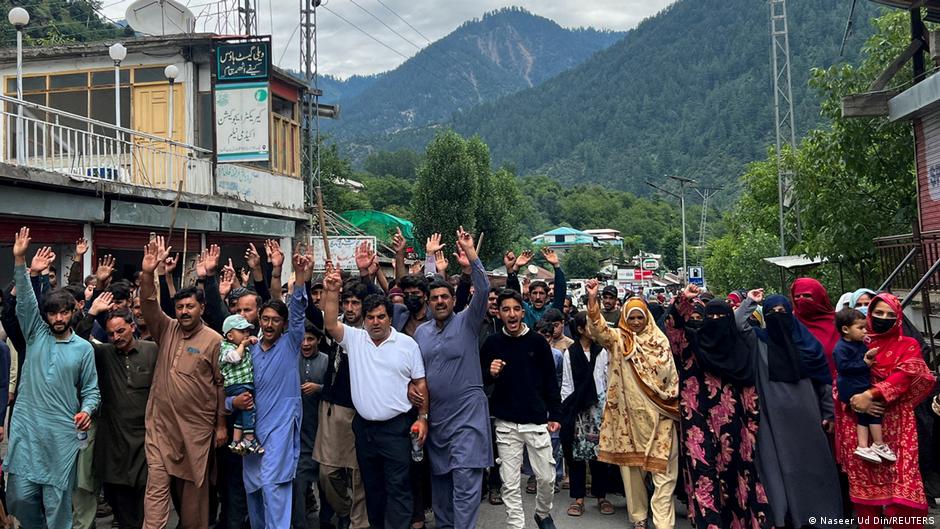
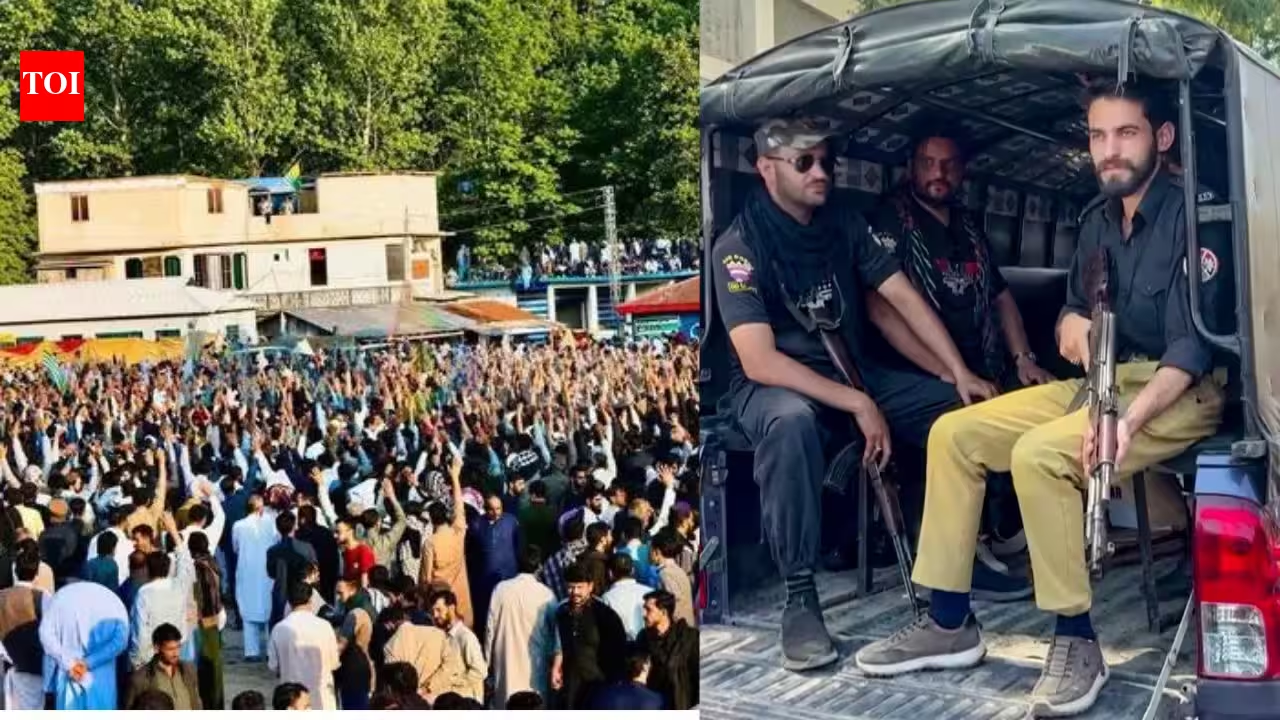
First, the general election 2026 is taking place under the overhang of violent protests organised by the now defunct Joint Awami Action Committee. Although the ongoing agitation is the fourth wave of such protests, it seems to be the most violent and severe. A number of fatalities among both civilians and law-enforcement personnel is just one aspect of the crisis. Although the JAAC has now been declared unlawful under the anti-terrorism law and some of its leaders have been taken into police custody, and despite the fact that at least a part of the leadership adopted a very irresponsible and extremist posture, it is difficult to deny that the JAAC and its 38-point people-centric and anti-elite charter of demands attracted a large segment of the Kashmiri population including the youth (particularly its Gen-Z component).
Second, the election is being conducted in the absence of two of the most popular groups. The defunct JAAC is not among the registered political parties of AJK and therefore not contesting. Some of its leaders and members tried to submit their nomination papers for the election as independent candidates but these were reportedly not accepted on one pretext or another. The other popular entity that is not contesting is the PTI which has decided to boycott the election as they see no prospect of a free and fair election. In the AJK elections of 2021, the PTI had secured the largest share (31.4 per cent) of the votes and had formed the government. AJK’s anti-defection law is not as stringent as it is in Pakistan, and, following the PTI’s ouster from the seat of power in Islamabad, many PTI legislators in AJK joined other parties. As a result, the PTI government was ousted from AJK as well. The absence of these two popular forces will likely impact the legitimacy and representative character of the legislative assembly.