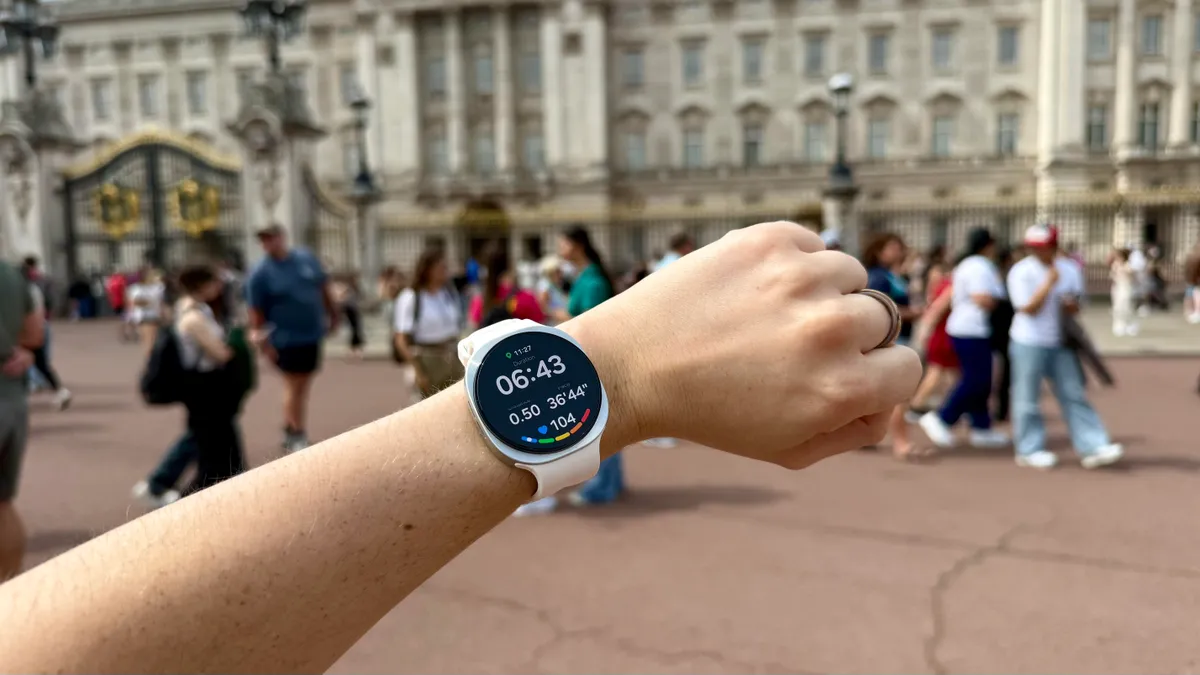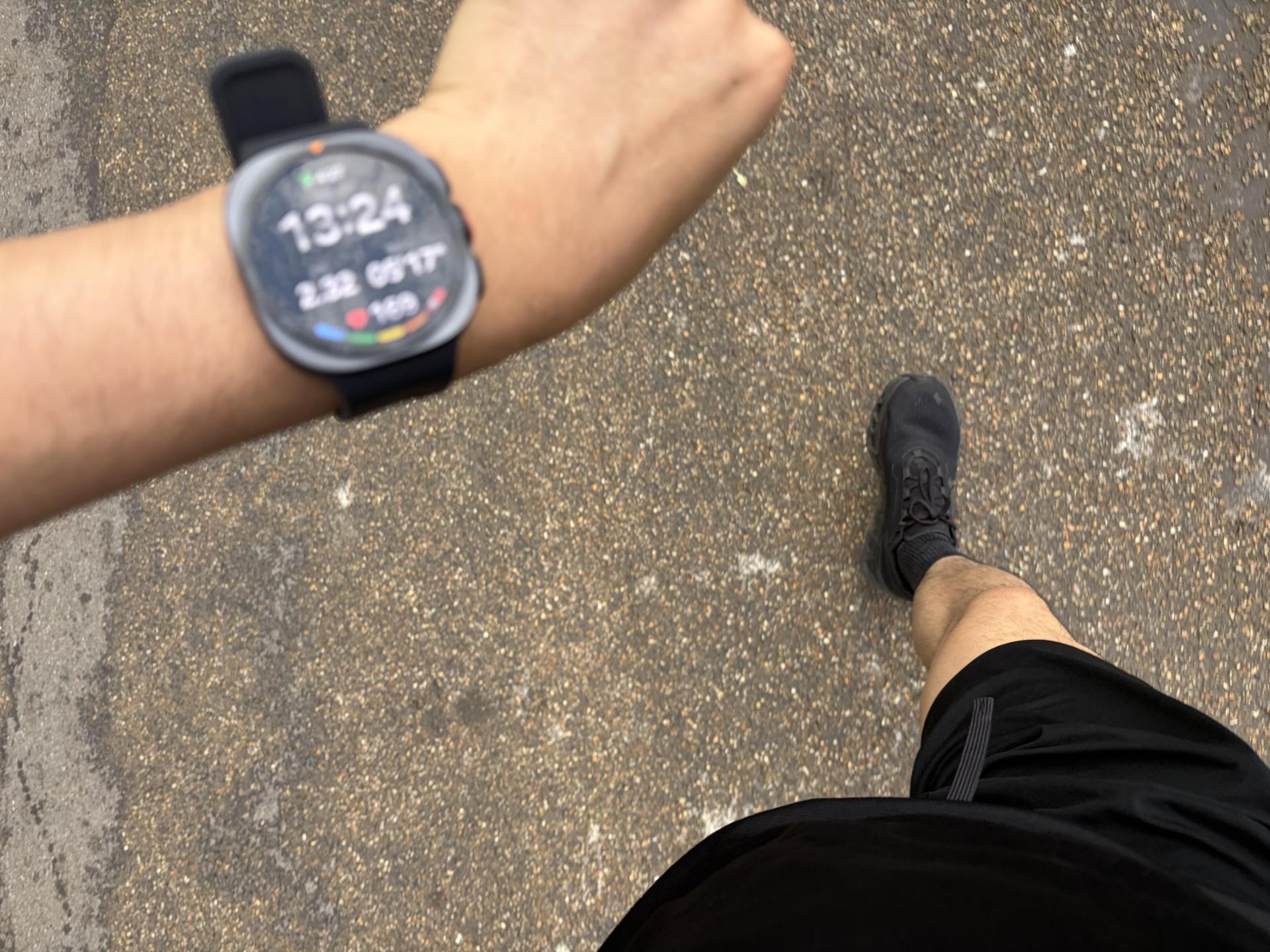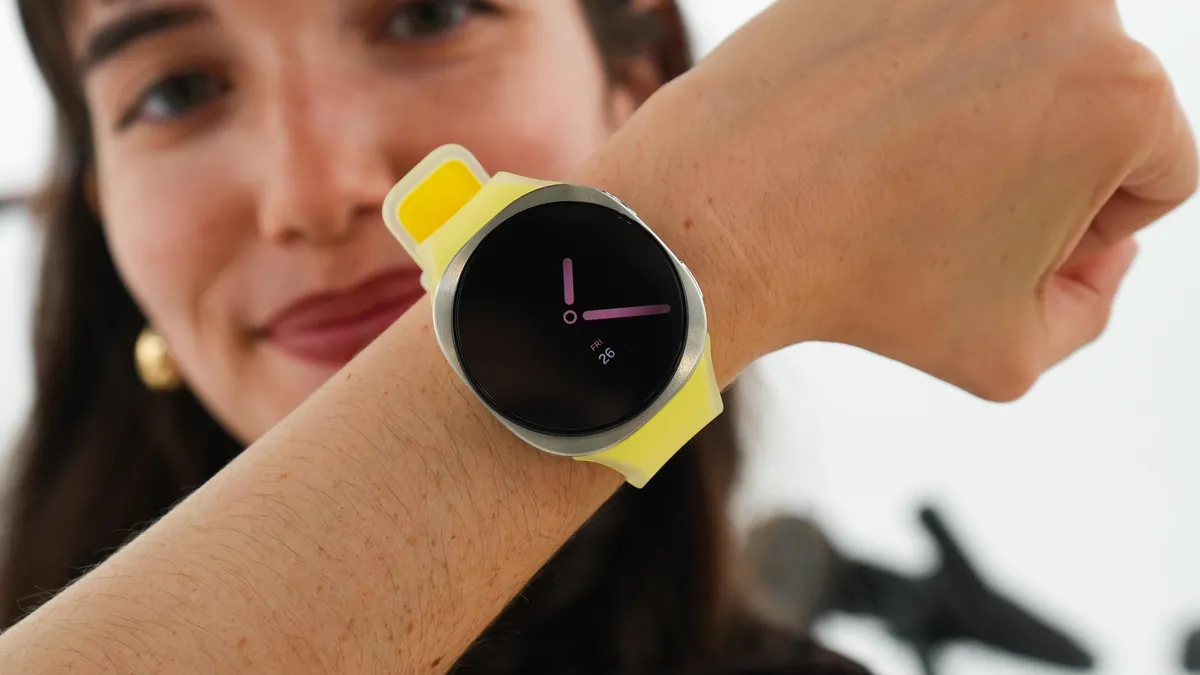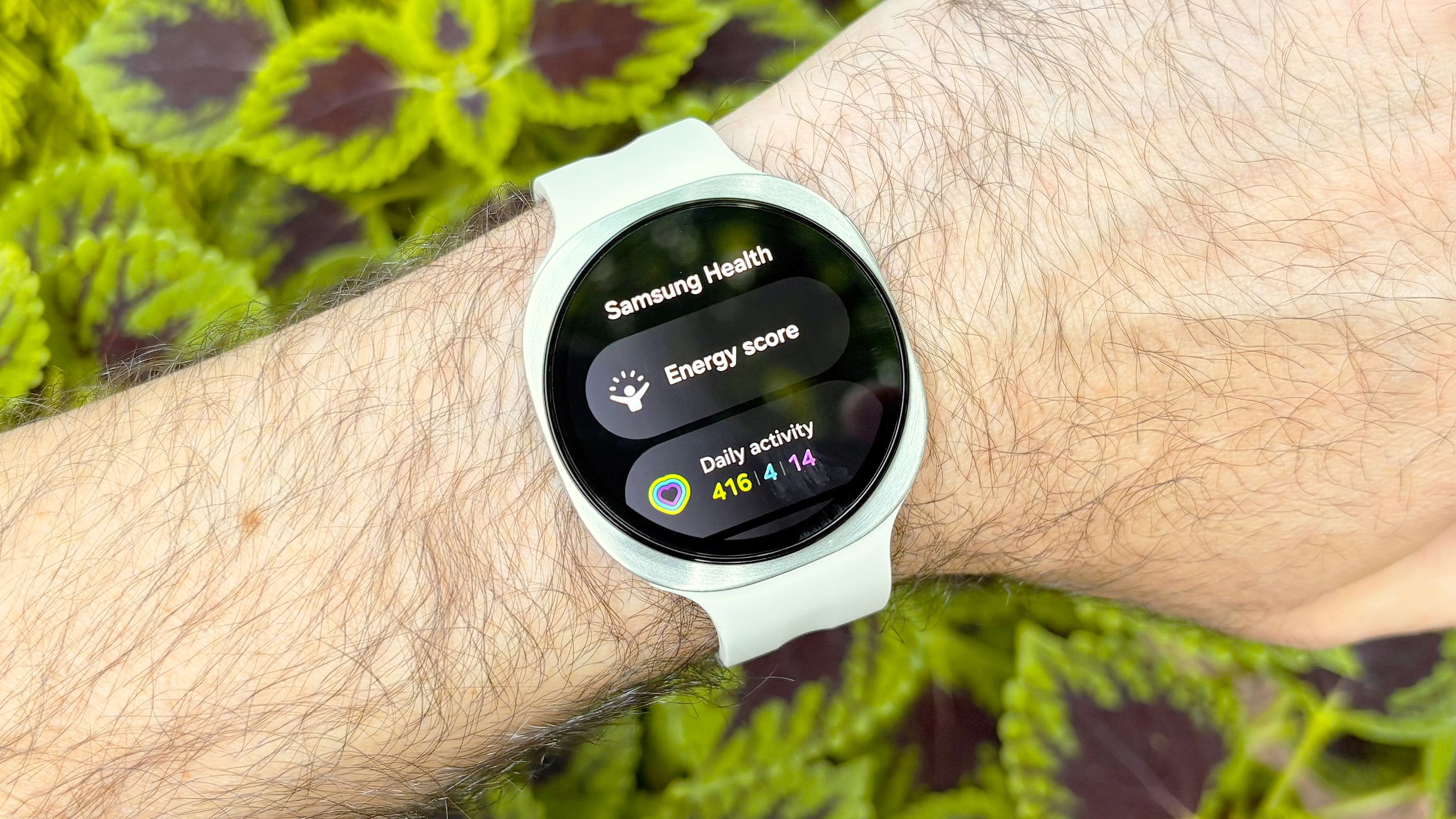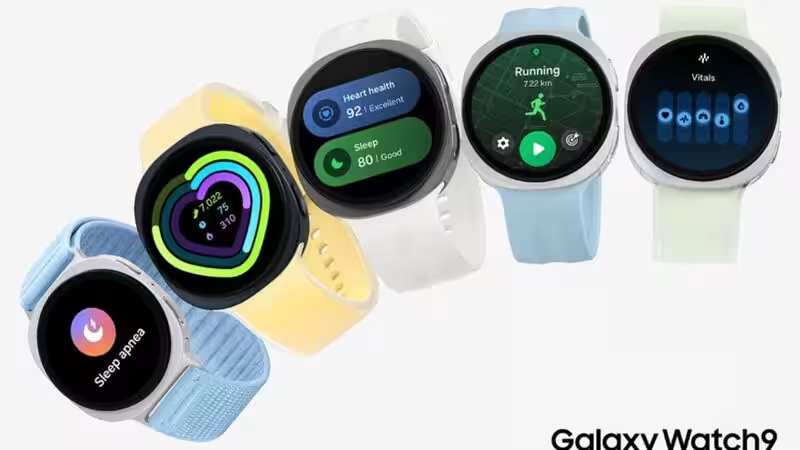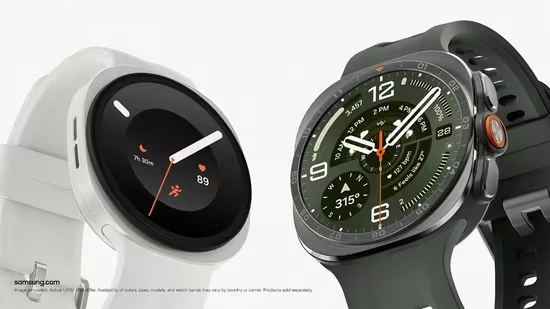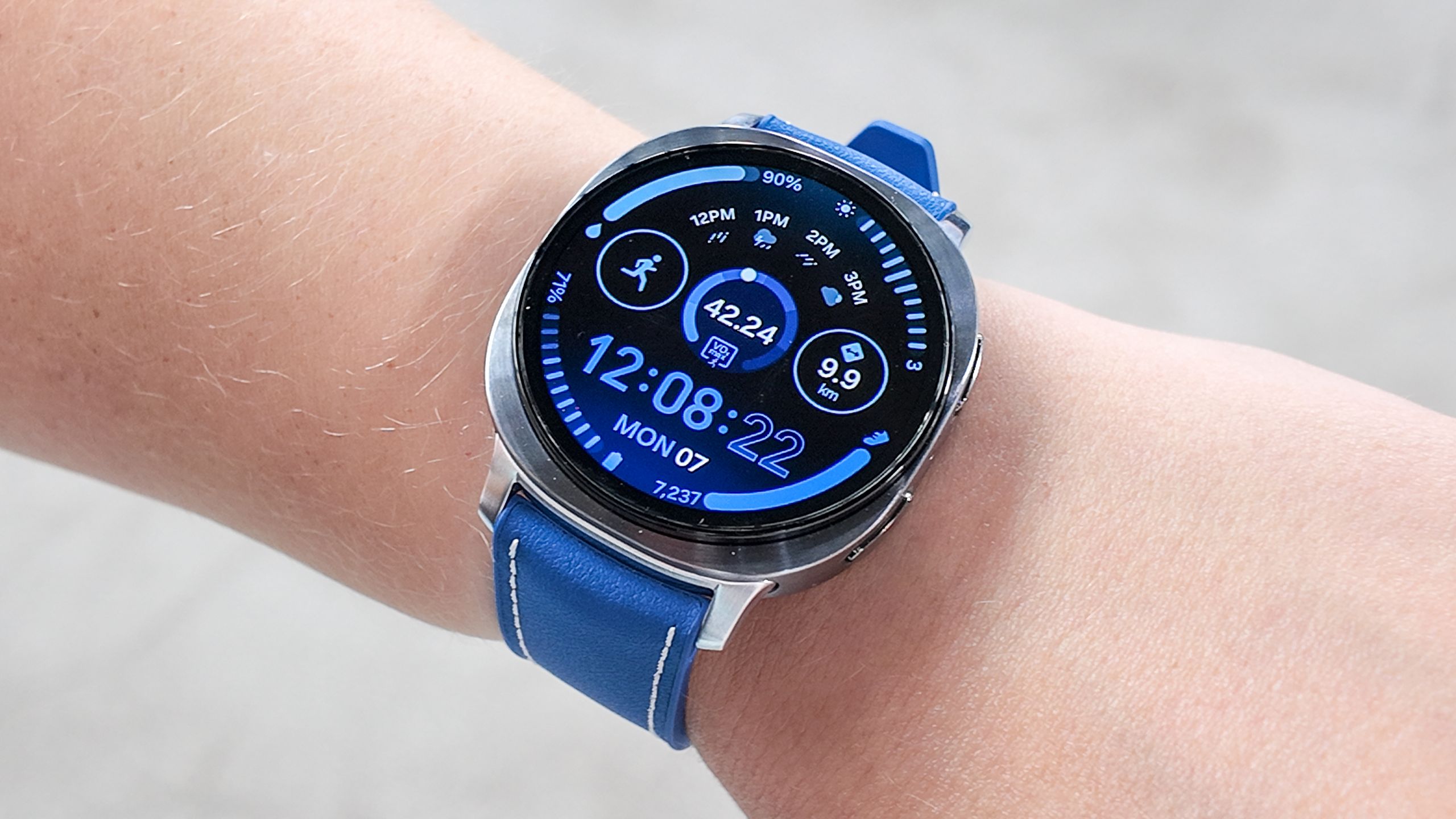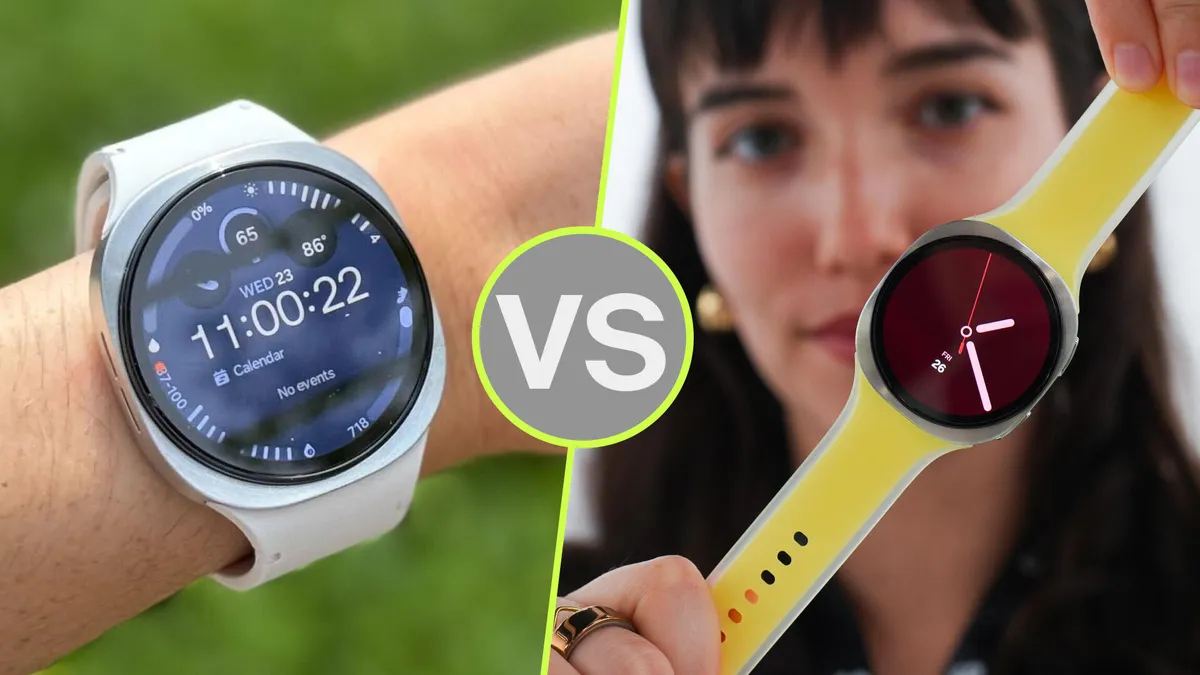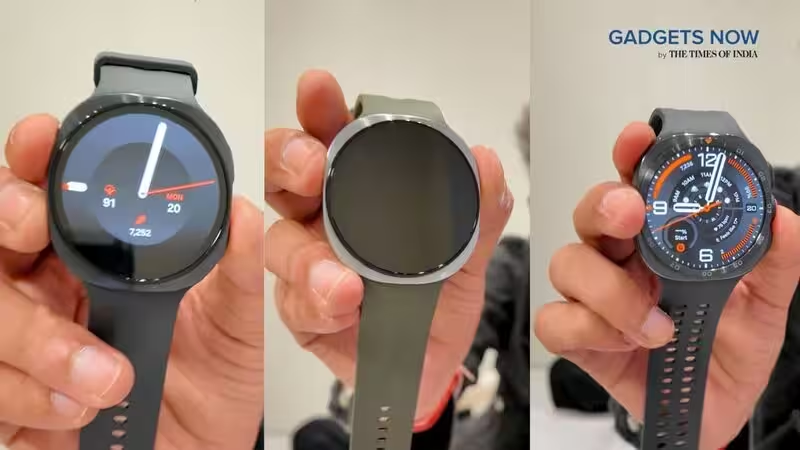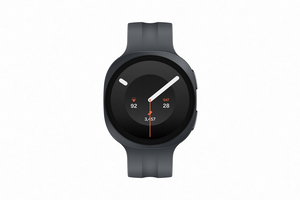
Real-time pace alerts, health insights and 3,000-nit display help novice runner complete 2.5-km course in London Samsung Electronics' Galaxy Watch9 (Samsung Electronics) LONDON — Barely into a 2.5-kilometer run through St. James’s Park, a warning flashed on the Samsung Electronics’ Galaxy Watch9 strapped to my wrist: At my current pace, I was unlikely to make it to the finish.I had gone out too fast. I eased off, followed the prompts and began distributing my energy more carefully. By the end, I had enough left to complete the course.This Korea Herald reporter's run took place Thursday, a day after Samsung unveiled the Watch9 at Galaxy Unpacked 2026 in London. Alongside fitness YouTuber BullyJuice and other participants, I tested Samsung Health’s expanded running features through the central London park.The coaching began before the first stride.As I warmed up, the watch’s new Vitals feature analyzed five health signals collected during sleep — heart rate, heart rate variability, respiratory rate, skin temperature and blood oxygen — against my usual resting range.It flagged unusual readings in my respiratory rate and skin temperature, giving me an early cue to pace myself before the run had even begun.Once underway, the most useful intervention was also the simplest. As I pushed above the target pace, the watch warned through an audio prompt: “Your current pace is faster than the target. Slow down.” Samsung Electronics’ Galaxy Watch9 displays the final running stats (top) and completed route from a run at St. James’s Park in London on Thursday. (Jie Ye-eun/The Korea Herald) There was no need to stop or keep checking the screen. The immediate correction helped me prevent the most common rookie mistake — using too much energy at the start — and guided me toward a pace I could sustain.By the latter half of the course, my breathing had grown noticeably heavier. The watch recorded a peak heart rate of 185 beats per minute and estimated my VO2 max at 45.3, placing it in the “very high” range.The Watch9 also placed the workout in the context of its Heart Health Score and Daily Cardio Load features, linking the run to broader health, training and recovery data.Its 3,000-nit display proved useful under London’s summer sun. The run began at around 4 p.m., still broad daylight before the city’s long summer evenings. Even while moving, I only had to flick my wrist to catch the pace and guidance on the screen.Hydration reminders provided another practical nudge. I had set the watch to alert me at every kilometer, and prompts to drink water appeared at the 1-kilometer and 2-kilometer marks. When I briefly stopped, the workout paused automatically.After crossing the finish point, I dropped onto the grass. The watch, meanwhile, was only beginning its assessment.The workout summary showed how my heart rate had risen and fallen across the course, including 56 seconds spent in the highest heart-rate zone. The pace graph even captured the brief stretch when fatigue forced me to walk. The Samsung Health app on Samsung Electronics’ Galaxy Z Fold8 displays workout data recorded by the paired Galaxy Watch9 during a run at St. James’s Park in London on Thursday. (jie Ye-eun/The Korea Herald) The watch estimated that I had burned 188 calories — 152 from carbohydrates and 36 from fat. It also calculated that I had lost about 565 milliliters of sweat and recommended drinking 847 milliliters of water, or roughly 150 percent of the estimated loss, to rehydrate.A more detailed running analysis broke down left-right asymmetry, ground contact time, flight time, regularity, vertical oscillation and stiffness, offering a look at form that went well beyond distance and pace.Samsung Health’s Running Coach is designed to extend that guidance beyond a single workout. Users begin with a 12-minute running test that evaluates fitness and endurance. They are then assigned one of 10 running levels and given a training plan drawn from about 160 programs, ranging from basic fitness building to higher-intensity workouts.During each session, the watch provides real-time guidance on pace and heart rate, giving runners a structured plan instead of leaving them to decide how far or how hard to push on their own.The Watch9 was also comfortable enough to fade into the background. Its weight is similar to that of its predecessor, but the lightweight aluminum body and softer silicone band allowed it to sit snugly on my wrist without becoming distracting or bouncing noticeably during the run.That unobtrusive fit matters for a device designed to collect health data not only during exercise, but throughout the day and during sleep.Samsung also unveiled the Galaxy Watch Ultra2 in London, positioning it as a more rugged option for activities such as trail running and diving.The Watch9 and Watch Ultra2 are scheduled to begin rolling out globally Aug. 7 alongside Samsung’s new foldable lineup — the Galaxy Z Fold8, Galaxy Z Fold8 Ultra and Galaxy Z Flip8.
Galaxy Watch9 hands-on: A running coach on the wrist
LONDON — Barely into a 2.5-kilometer run through St. James’s Park, a warning flashed on the Samsung Electronics’ Galaxy Watch9 strapped to my wrist: At my curre
808 words~4 min read