MOHAMMED KARI contends that Nigeria should make production more rewarding than importation
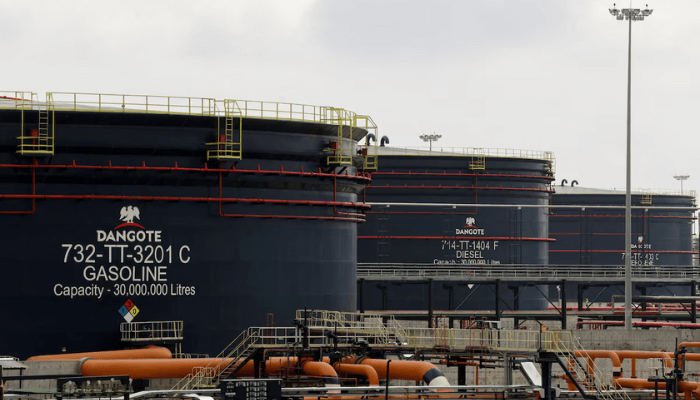
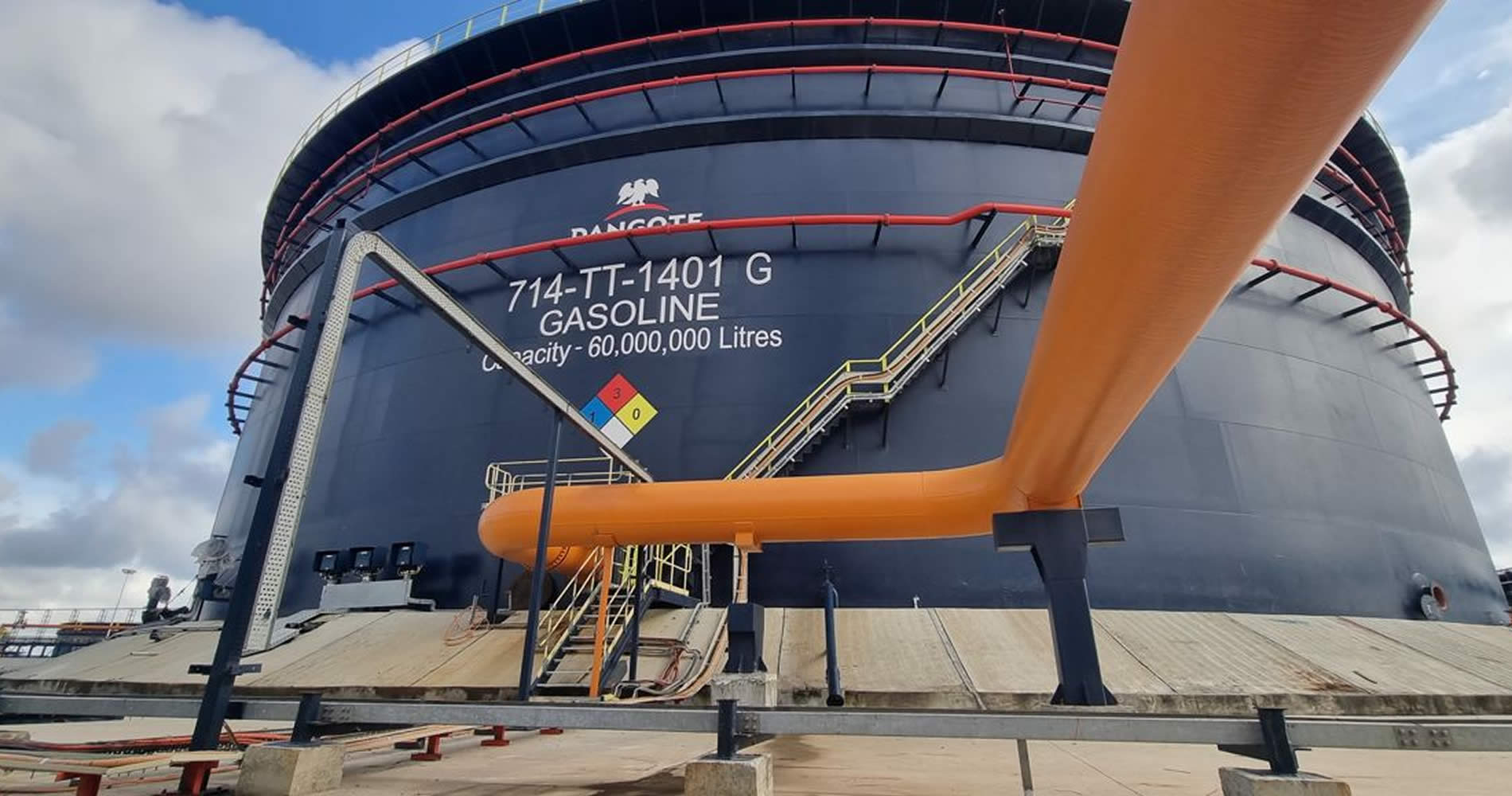
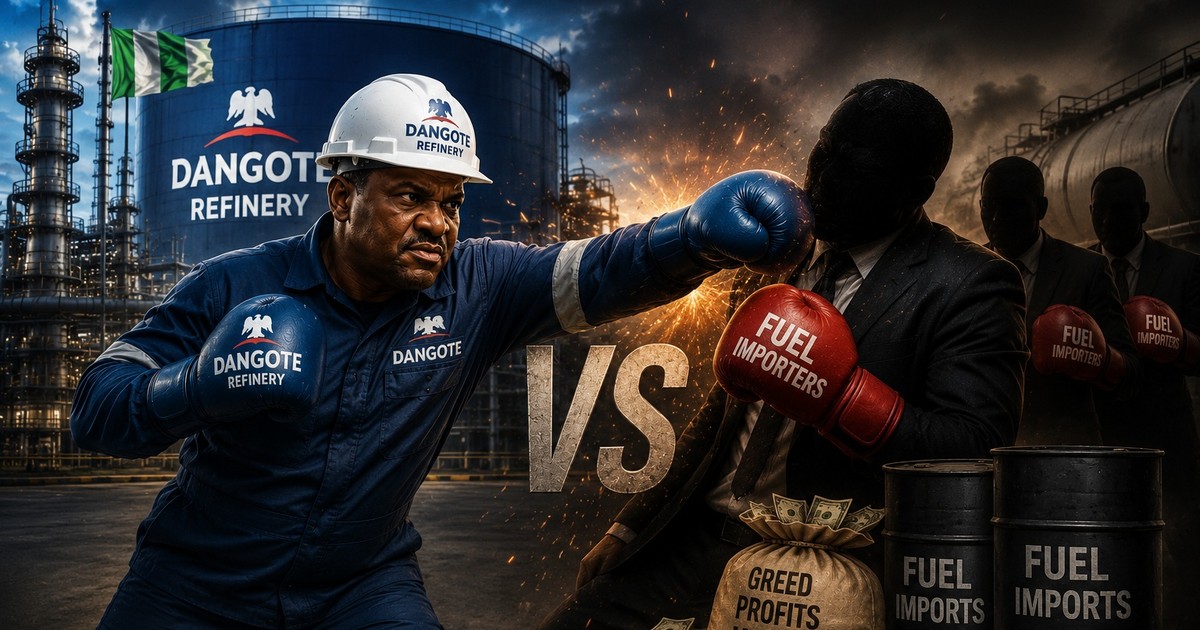
In the past few weeks, I have watched the debate over the Dangote Refinery and fuel import licences from the sidelines. Every other day, I see a different headline about ships arriving with imported petrol, fertilizer, and countless other products. And that has left me asking a simple but troubling question: what exactly do we still produce for ourselves? Besides, at a time when a Nigerian investor has committed about US$20 billion to solving a problem government failed to solve for decades, why are we still debating how to preserve an import-dependent system?
For me, the real issue is not about Dangote. It is about Nigeria. It is about whether we want to remain a nation that consumes what others produce or become a nation that produces what it consumes. Indeed, nothing illustrates Nigeria’s economic dilemma better than the story of its government-owned refineries. In recent decades, billions of dollars have been spent on refineries in Port Harcourt, Warri, and Kaduna. Yet they have consistently failed to meet domestic fuel demand. Available statistics indicate that more than N11.35 trillion has reportedly been spent on maintenance and rehabilitation, while refinery performance remained poor.