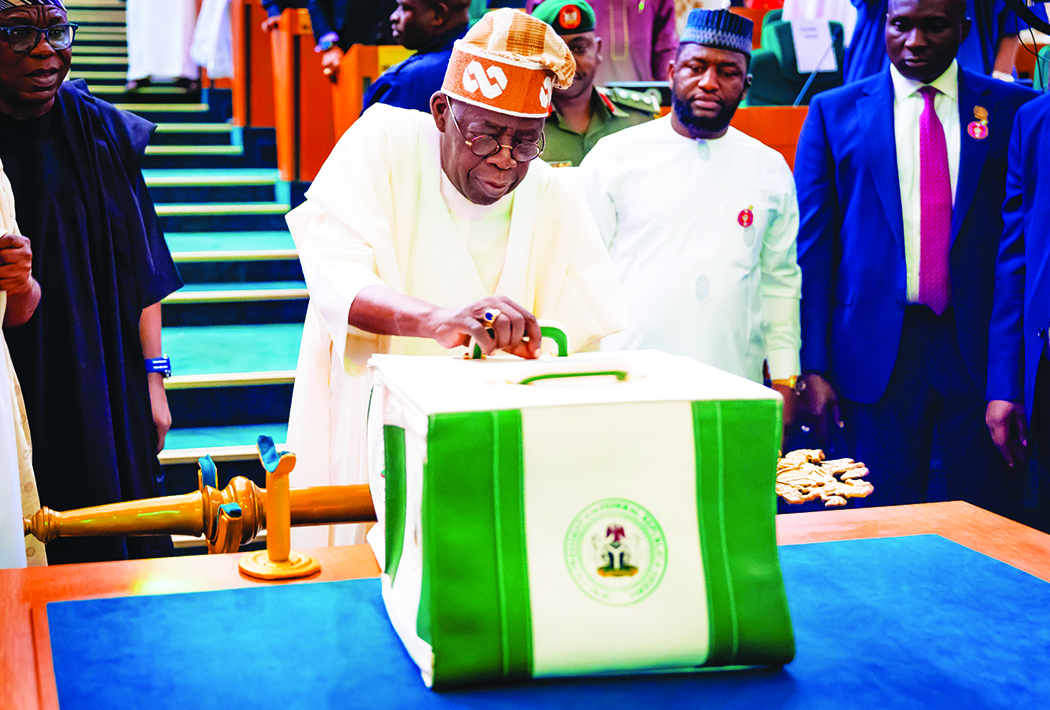
As Nigeria’s budgets grow bigger, so do allegations of padding, raising fresh doubts about implementation and accountability, writes Festus Akanbi
The annual budget is the most important economic policy document of any government. It translates policy priorities into roads, schools, hospitals, security, power projects and other public services. Yet, in Nigeria, the budget has increasingly become a source of controversy rather than confidence. Instead of serving as a development blueprint, successive appropriation exercises have been dogged by allegations of budget padding, opaque project insertions, duplication of expenditures and questionable constituency allocations.
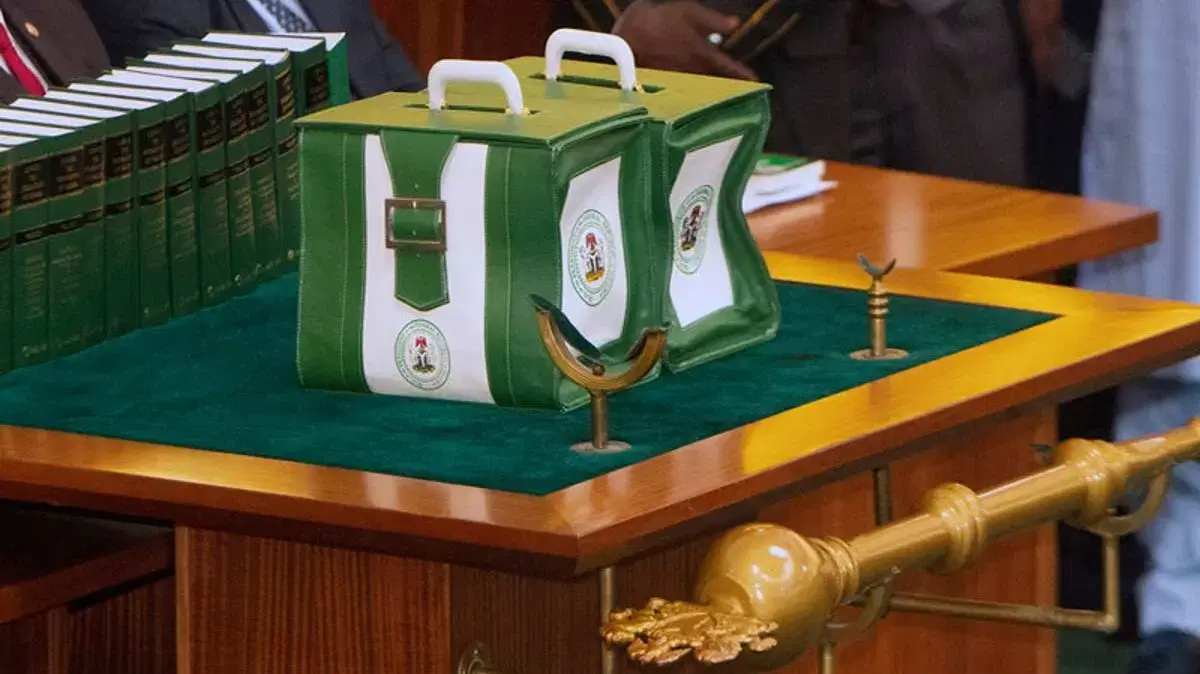
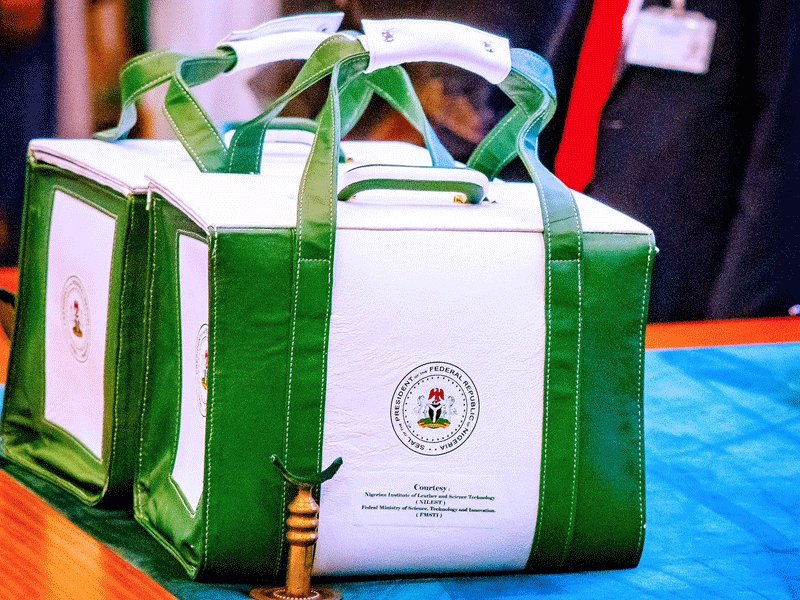
Those concerns have resurfaced as the National Assembly scrutinises the proposed N58.47 trillion 2026 budget, raising fresh questions about whether Nigeria’s budgeting framework promotes development or merely accommodates political interests.
Nothing has illustrated these concerns more dramatically than the controversy surrounding the Presidential Foreign Investment Promotion Council (PFIPC), an agency the Presidency later disowned as fictitious despite having been allocated about N1.3 billion in the 2026 Appropriation Act. The arrest and prosecution of its self-acclaimed Director-General, Adeniyi Adeyemi Matthew, on allegations of forgery, impersonation and fraud have shifted public attention from the individual to the budgeting system itself. The obvious question is how a non-existent agency secured a budgetary allocation in the nation’s most important fiscal document. Although investigations have been ordered, the episode has exposed glaring weaknesses in budget preparation, verification and legislative scrutiny, reinforcing fears that fictitious agencies and unauthorised expenditures can slip through existing institutional safeguards.