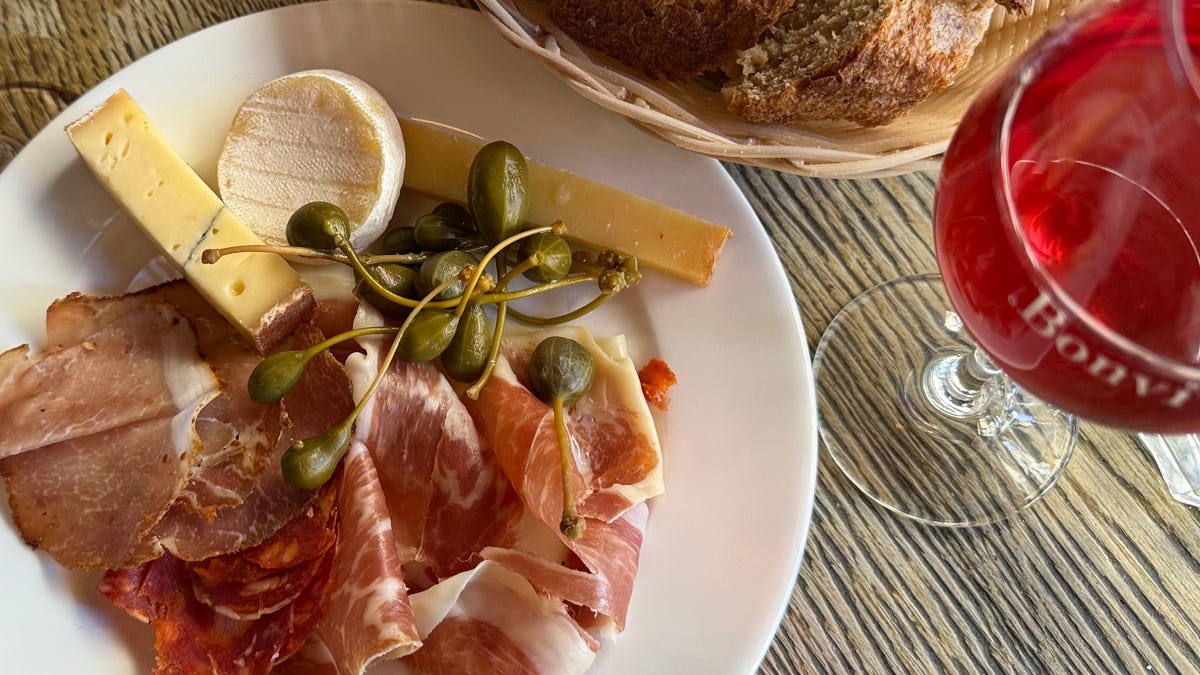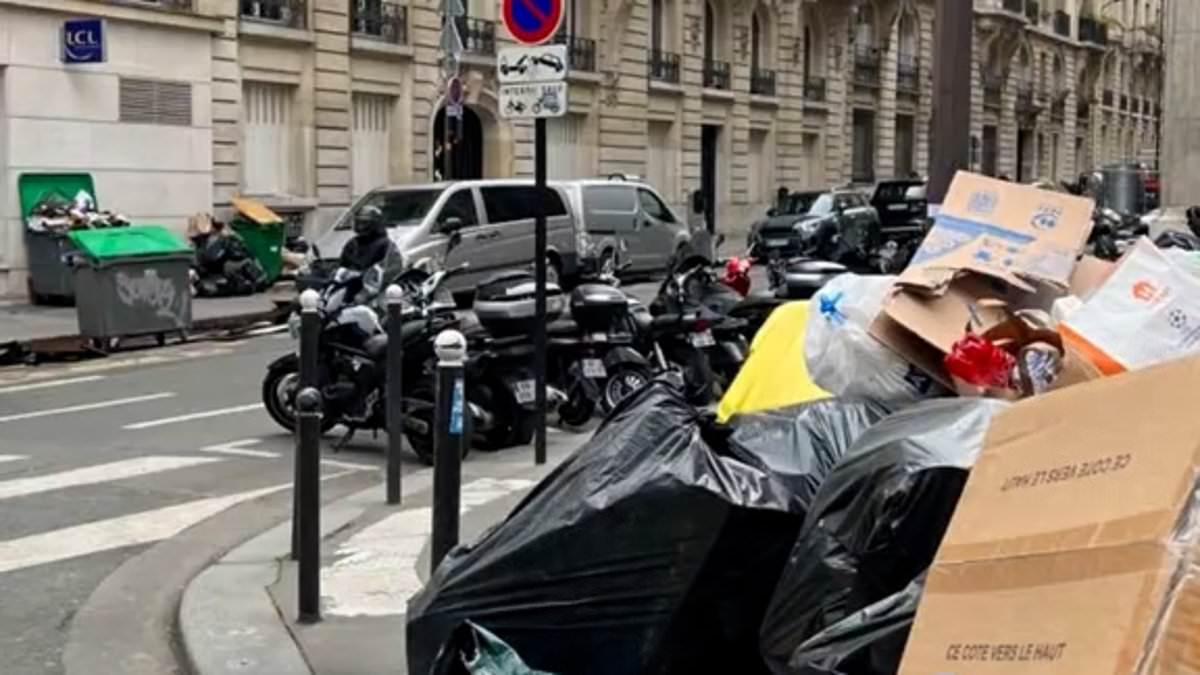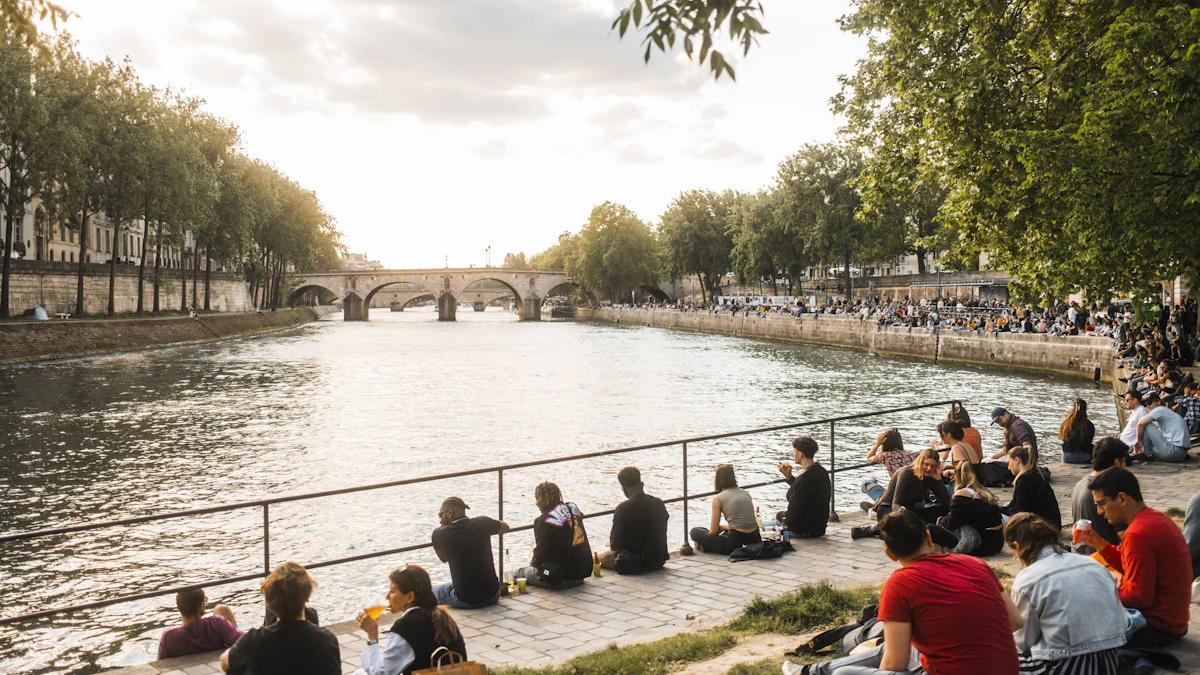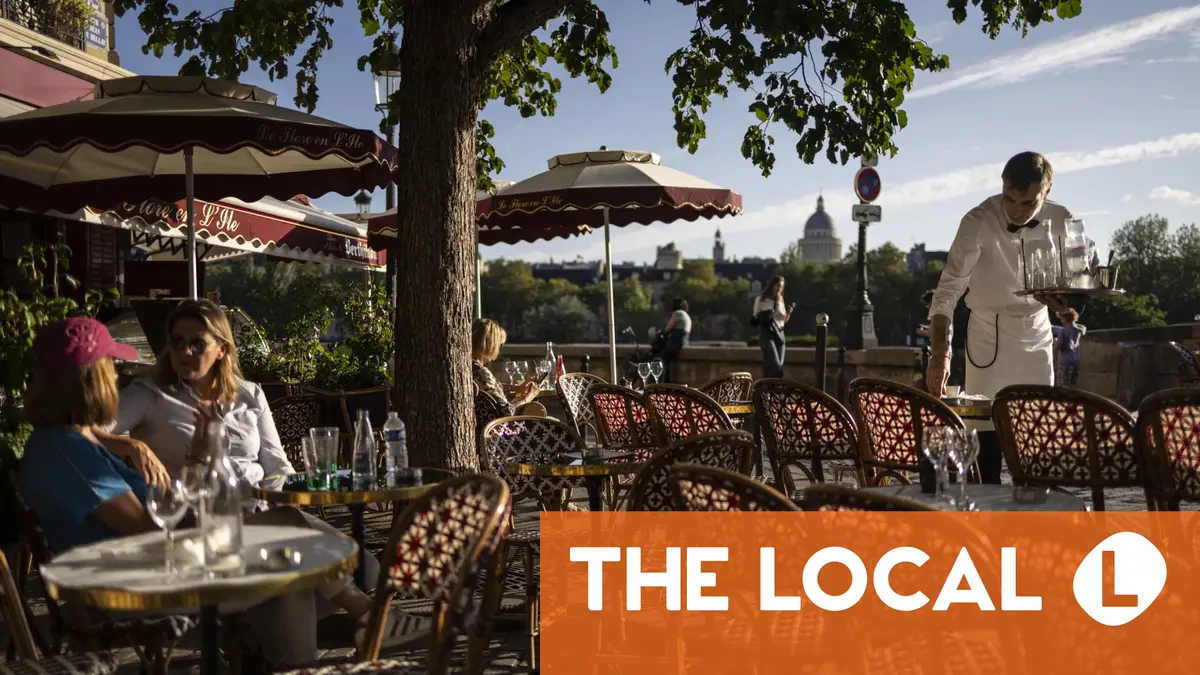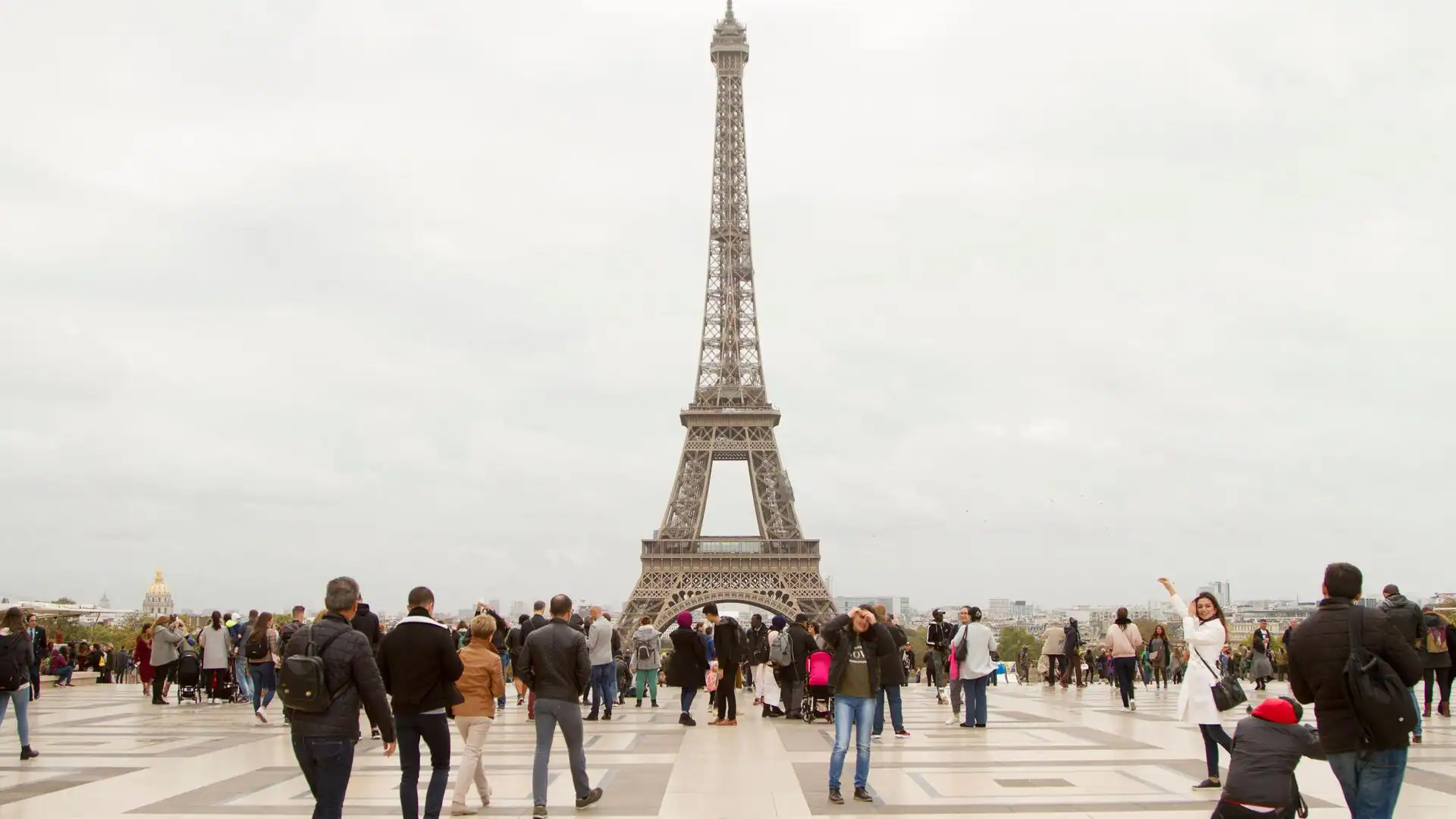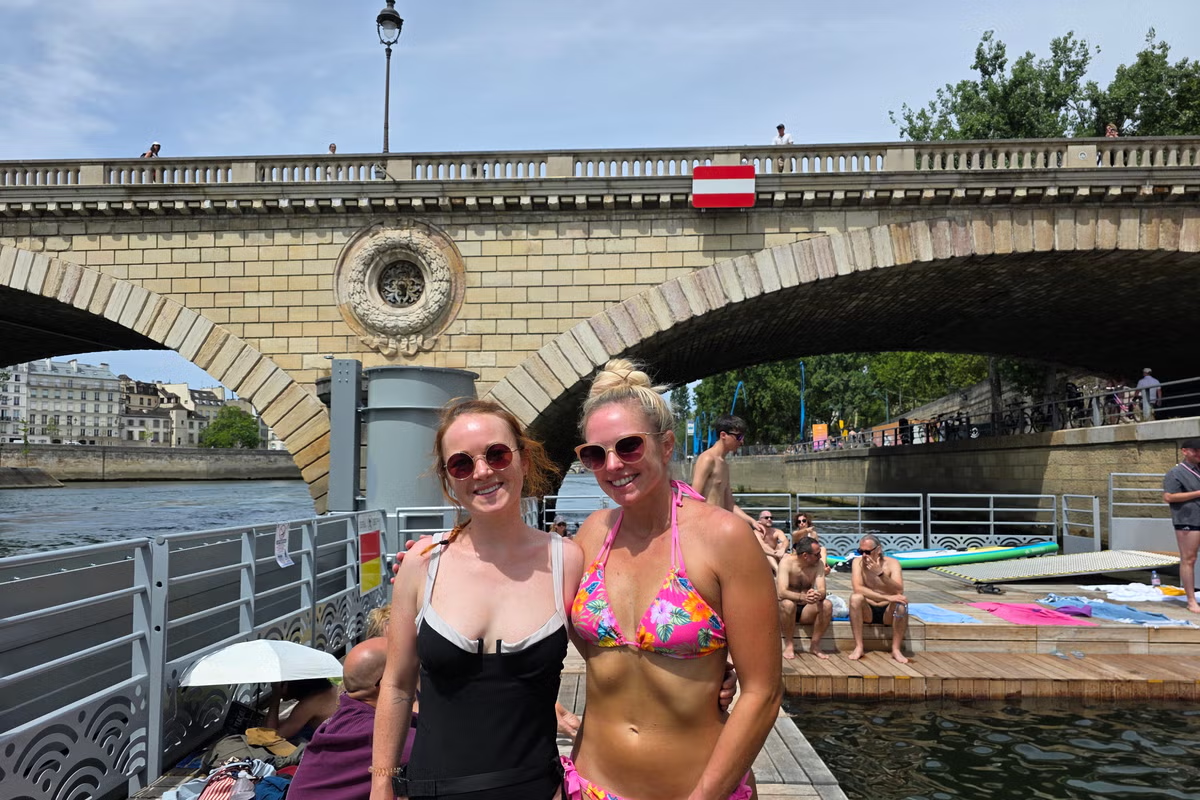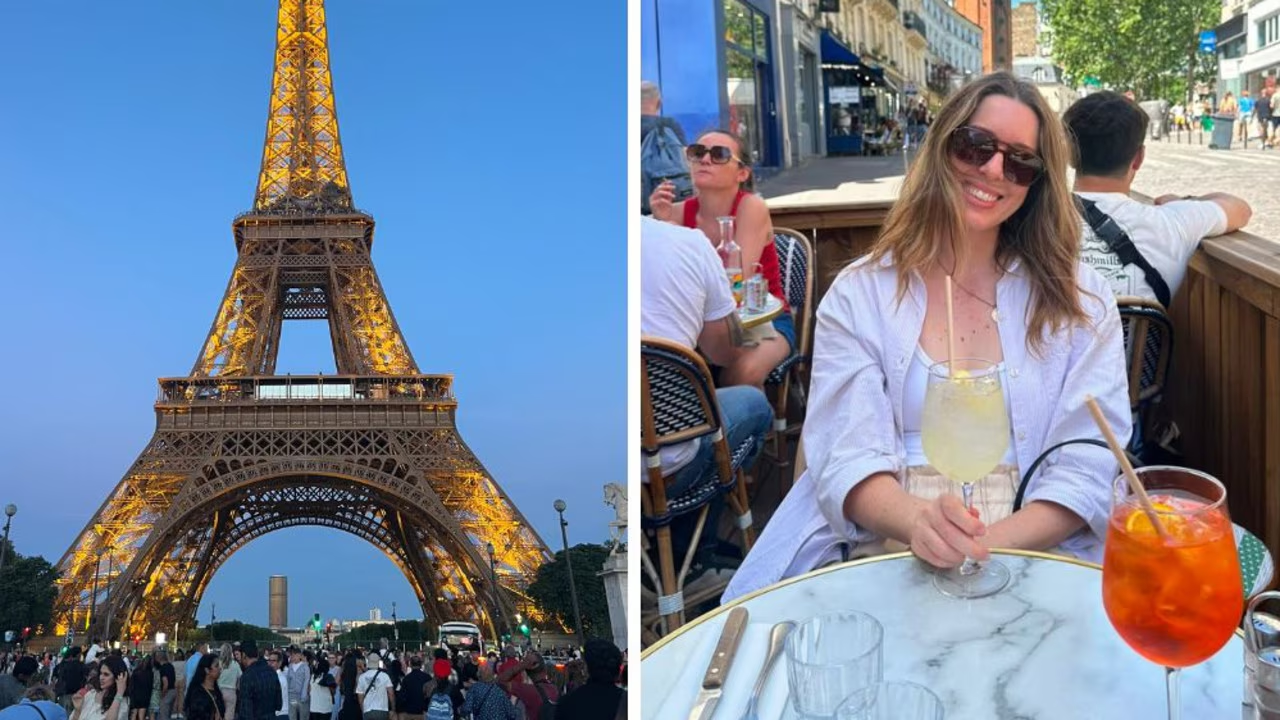
What is the first thing that comes to mind when you think of Paris? Perhaps it’s delicious croissants, bread and beautiful art. Or maybe it’s something less flattering …I am now embarrassed to admit that when I planned my first trip to Paris this European summer, I was bracing for widespread rudeness.Sure, some people are friendlier than others – you’ll get that wherever you go.But my major takeaway from The City of Light (other than wow this city is stunning and these bakeries are amazing) was: gosh, they’ve been done dirty with the rude stereotype.In fact, I believe the problem may actually lie with foreigners. Specifically, those who don’t learn a few simple etiquette rules before their plane touches down. From tourist hotspots to quiet neighbourhoods, four words and a smile can get you a long way in the French capital.“Bonjour. Parlez-vous anglais?” = “Hello. Do you speak English?”.It makes sense, right? To ask if someone speaks the language you want to use rather than expect the French to understand your native language in their home country.It can feel awkward trying to speak an unfamiliar language, but even if you’re not good at it, it truly is the thought (or attempt) that counts.Most of the time, I found the reply was something humble like “a little” before they would speak what sounded to me like fluent English. The few times the answer was no/non, not one person ignored me or declined to help, they would instead communicate with gestures, find someone else to help, or whip out a translation app.While asking if someone speaks English before speaking it is polite, it’s the first of the four words that does a lot of heavy lifting in showing respect, and therefore receiving it.“One of the most important habits is to always greet people when entering a new place,” Charlotte, a French receptionist at BOB Hotel, told me.“‘Bonjour’ for the morning and afternoon, and ‘bonsoir’ after 6pm. It is also appreciated to start conversations with a greeting before asking a question, even if you don’t speak French.”French woman Madelon Blouin, who is based in Europe for Australian travel company Luxury Escapes, said the same.“One of the biggest cultural differences is that politeness in France begins with acknowledging people,” she explained. “When entering a bakery, café or shop, it’s customary to say ‘bonjour’ before asking for anything.“Likewise, saying ‘merci’ (thank you) and ‘au revoir’ (goodbye) when leaving is considered basic courtesy. Skipping these greetings can seem quite rude.“Visitors shouldn’t be afraid to try a few words of French, even if it’s just ‘bonjour’ or ‘merci’. Most locals appreciate the effort, and even if you butcher the pronunciation, following up with ‘Parlez-vous anglais?’ will usually earn you a smile and more help than if you directly skip to English.”Aussies have a reputation of speaking to strangers like they’re already best mates, but that approach can come off a bit jarring in France.“English-speaking tourists are often known for their informal and immediately friendly communication style, while the French tend to be a little more reserved at first and value politeness and personal space,” Madelon explained. “That doesn’t mean they’re unfriendly; relationships simply develop more gradually.”Other etiquette I learned for France reminded me of Japan.Locals are generally quiet on public transport and it’s rare to catch someone eating while walking.“The French place great importance on gastronomy and generally eat seated, with food being meant to be enjoyed,” Madelon said. “Walking through the streets while eating can be frowned upon, especially when there are cafés and terraces everywhere.“In summer, however, Parisians love having picnics in parks or along the Seine, which is highly recommended for anyone wanting a local experience.”Knowing this, it was the perfect encouragement to sit in one of the many beautiful parks and enjoy a delicious croissant or baguette by a lake, rather than eat on the go and miss the joy of watching kids push little wooden sailboats on the water or adults chatting and reading books in the sunshine. I was pleasantly surprised by the amount of chairs available for the public in Parisian parks like the beautiful Luxembourg Garden or Tuileries Garden. There’s no need to fight for a lone park bench. And you’re never too far from an old palace, church or other grand architecture to admire.Expect to stay up late“One thing that could surprise you when visiting Paris would be the timing for the meals,” Madelon warned me.And she was right. The French eat late!“Many restaurants close between lunch and dinner service, it can be challenging to find a restaurant operating all afternoon,” she said.“On the other hand, apéro is almost sacred. Around 6.30-7.30pm, cafés and wine bars fill up with people enjoying a glass of wine or an aperitif accompanied by a charcuterie or cheese board before dinner. It’s one of the delicious and most authentic Parisian rituals to join.”In restaurants, it’s advised to avoid waving at your server and instead make eye contact or discreetly raise your hand for their attention.Charlotte and Madelon both noted that tipping is not expected as service is included in the bill, but leaving a few extra euros for exceptional service is appreciated.The best part about restaurants being open late and the sun not setting until 10pm in summer is you can fit plenty of activities in 24 hours. After a day trip to the Palace of Versailles (the highlight of my trip and top recommendation), we were still able to watch the sunset at the Eiffel Tower, go to a restaurant, and return to watch the lights sparkle at midnight.Often booking tickets for major tourist attractions later in the day allows you to skip the queues. Videos on social media of hundreds of people waiting hours in the hot summer sun prompted me to do some research.We visited the Louvre Museum on a Friday night and didn’t spend any time waiting in a queue. It was the same with the Palace of Versailles. We spent the day enjoying the estate and chose a palace entry time late in the afternoon as our final activity before catching the train back to Paris. It was also cheaper.Sometimes the opposite approach is effective too. I made my way to Notre-Dame soon after I arrived on a Qantas flight from Singapore at 6am and walked straight into the cathedral despite not having booked a free timeslot in advance.For extremely popular restaurants that gained worldwide fame through viral videos on TikTok and Instagram, we beat the queues by visiting at opening time or closing time. (My verdict: Carette Paris’ famous $23 hot chocolate is not bad but a tourist trap. Meanwhile, Chez Janou is worth the visit and actually deserves way more praise for its other food than the viral chocolate mousse).Paris as a gateway to EuropeConflict in the Middle East has prompted some Aussies to put their European adventures on hold. Those still going may use Paris as a gateway to the continent for the first time.Qantas, which does not fly via the Middle East, has increased its capacity to Paris by more than 60 per cent this northern summer compared to last year to meet demand from travellers seeking alternative paths to Europe.When the Iran war caused travel chaos, the Australian airline first upped its three weekly Paris flights to five.Qantas’ direct flights between Perth and Paris have been put on hold, with the flights instead originating in Sydney and operating via Singapore until October to allow increased capacity.Aussies in other major cities with services to Singapore can also fly on to Paris, like my route: Melbourne to Paris via Singapore.Where to stay in ParisI experienced staying in two Luxury Escapes hotels in different neighbourhoods on opposite sides of the Seine: L’Hôtel du Collectionneur Paris, a large luxury hotel in the 8th arrondissement, and BOB Hotel, a boutique hotel in the 14th arrondissement.I know the idea of moving hotels in the same city would make some travellers’ skin crawl, but I found it handy to design my itinerary around two different bases and cover most of the city in less than a week. I say, consider it a hack!As Madelon explained: “Paris will be entirely different while staying in these different arrondissements”.BOB Hotel is in the southern part of Paris, with fewer tourists and an authentic French atmosphere that lets guests experience everyday Parisian life.Fitting to the vibe of the neighbourhood, BOB Hotel is not glitzy. It’s thoughtfully decorated and cozy. And while it’s not located in the centre of Paris and calls a more residential area home, the property is extremely close to a metro station (Pernety on line 13) for easy connectivity. In contrast, the L’Hôtel du Collectionneur Paris in the 8th Arrondissement exudes the elegance and luxury the neighbourhood is known for. Here you’ll find the famous Avenue des Champs Elysées, Arc de Triomphe and Grand Palais by the Seine.You feel more like a tourist getting a taste of the high life as soon as you spot the doormen in suits. The hotel pool, which newly opened in April and only allows eight guests at a time, is the epitome of luxury.The best spot to stay in Paris really comes down to your individual preferences, what you want to get out of your visit, and of course, your budget.Madelon’s top recommendation to stay is Le Marais, a trendy district spanning the 3rd and 4th arrondissements.“It’s beautiful, lively, full of cafés, boutiques and restaurants, while still feeling authentically Parisian,” she said. “Like a town in the city, the panel of restaurants is really good in Le Marais. It’s also very central, making it easy to explore the city.”She described the Latin Quarter or the 5th arrondissement as a great option for first-time visitors who enjoy a vibrant atmosphere.“It’s full of students, bookshops, affordable restaurants and is within walking distance of many major attractions,” she said.Meanwhile the 9th arrondissement has the lively Grands Boulevards area and Palais Garnier opera house.“From La Madeleine to Le Marais, the area offers fantastic shopping, great dining and easy transport links while often being better value than the most tourist-heavy areas,” Madelon said.For Luxury Escapes, Paris is usually the second most popular European city among Australian customers, only behind London.This writer stayed in Paris as a guest of BOB Hotel, L’Hôtel du Collectionneur Paris and Luxury Escapes, and travelled to France as a guest of Qantas to go behind-the-scenes of Project Sunrise.
Four words that get Aussies respect in Paris
What is the first thing that comes to mind when you think of Paris? Perhaps it’s delicious croissants, bread and beautiful art. Or maybe it’s something less flattering …
1,733 words~8 min read