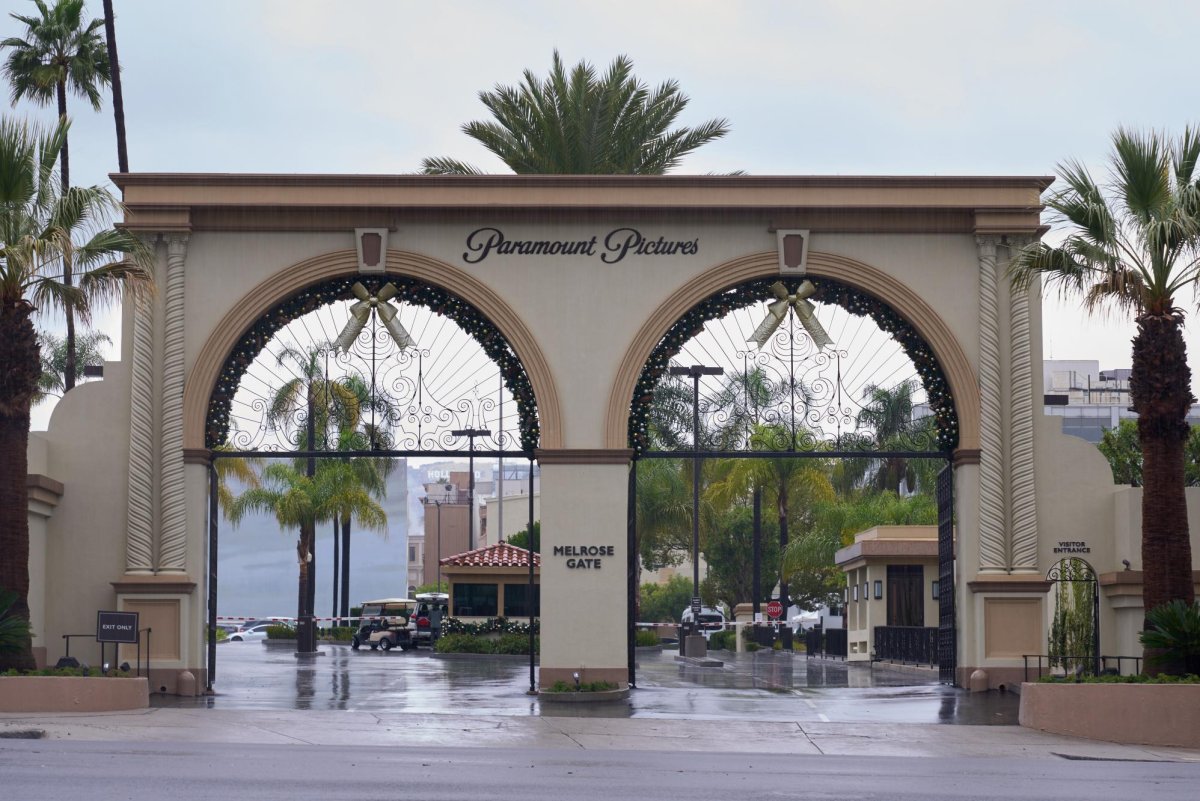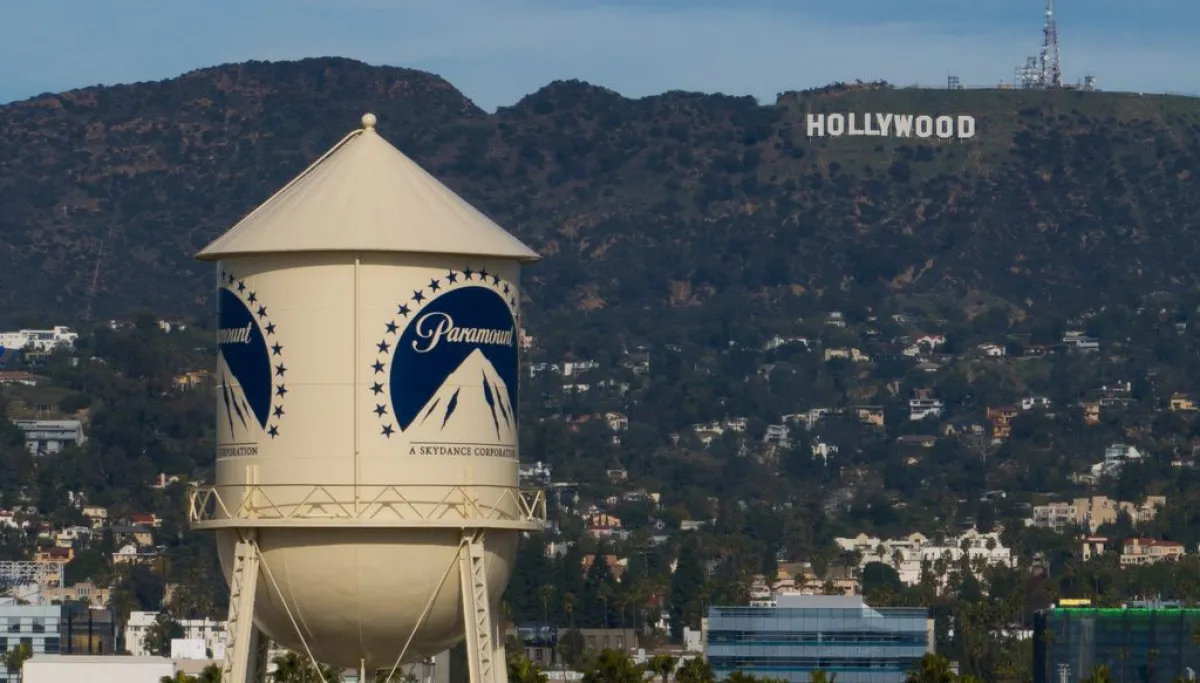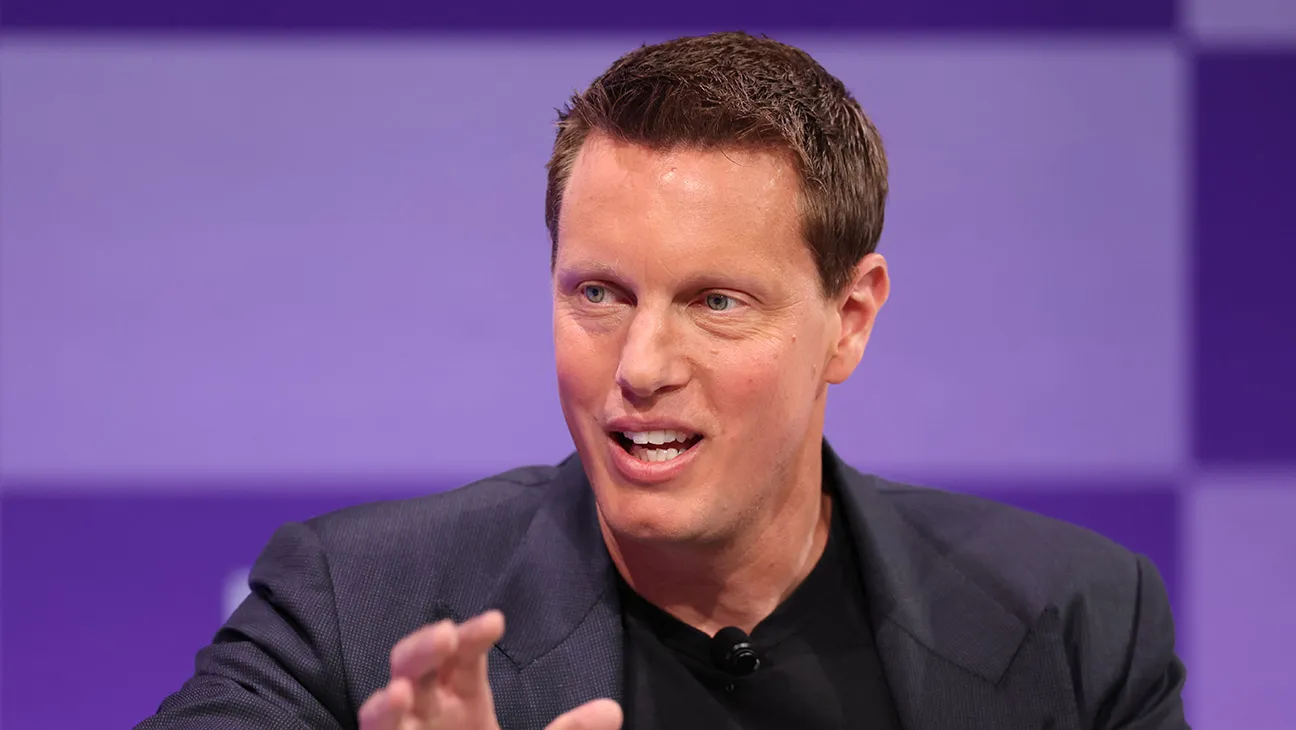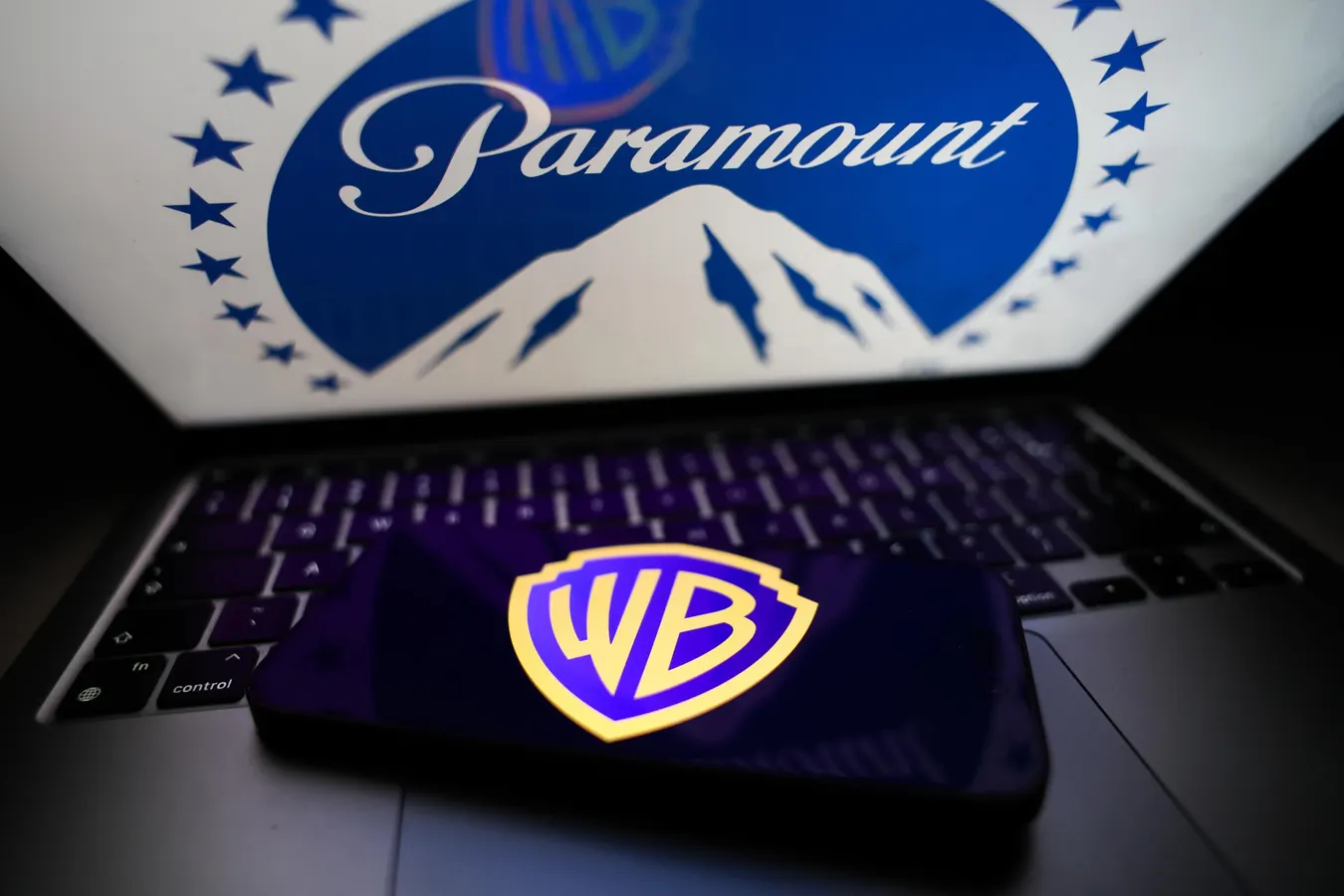
Paramount logo displayed on a laptop screen and Warner Bros logo displayed on a phone screen are seen in this illustration photo taken in Krakow, Poland on February 28, 2026. (Photo by Jakub Porzycki/NurPhoto via Getty Images)NurPhoto via Getty ImagesOn Friday, Paramount announced it had agreed to halt its merger with Warner Bros. Discovery until June 7th at the latest while a judge considers a lawsuit from state attorneys general who sued to block the deal.So why did Paramount make this decision? It seems to have been driven by an upcoming August 3rd hearing on the states’ request for a preliminary injunction in front of Judge Araceli Martínez-Olguín. Paramount seemed to believe it would have lost that ruling, which would like have pushed the eventual trial into next year. Especially given the judge’s public comments when she issued the initial 14-day TRO earlier this month.In her ruling, she found the merger would give the combined companies a 27% share of the worldwide theatrical movie market. “On this combined firm market share alone, the Court is persuaded that it can presume the proposed merger is likely to violate antitrust laws,” she wrote.As part of the merger delay agreement, Paramount also was also able to get the Writers Guild Of America (WGA) to drop its request for a preliminary injunction, which makes Paramount’s path forward in the courts a bit cleaner.The next move in this process is the scheduling for a trial. Schedule proposals are due next Friday. Paramount is expected to ask for a November trial, while the state attorney generals are proposing a 2027 start date. MORE FOR YOUWhy Did Paramount Make This Decision?The question of why Paramount is taking this path has several different answers, depending on who you speak to. Proceeding with the trial and not simply dropping the merger plans suggests Paramount still believes it can win in court. On the other hand, if the merger falls apart, Paramount has agreed to pay a $7 billion termination fee, which is brutal hit for a company that has a current market cap of just over $9 billion.But sticking with the merger plans brings its own costs for Paramount. In the final merger papers with Warner Bros. Discovery, it agreed to pay a so-called “ticking” fee of $7.7 million a day beginning October 1st until the merger closes. So Paramount is apparently betting that taking a chance on the merger being approved and paying the ticking fee is a better choice than giving up now and paying the massive termination fee.Paramount executives are certainly talking a big game in public. Politically conservative NY Post columnist Charles Gasparino has been a Ellison whisperer through this entire process, frequently reporting unnamed comments from sources in the Ellison camp that are designed to be aggressively optimistic in a way that might change the public narrative about the deal.He certainly delivered in a piece posted yesterday, in which he argued David Ellison is prepared to fight and will never give up the battle: “There’s no f–king way we give up,” said one person in the Paramount orbit. “The Ellisons don’t quit.”
What Happens Now With Paramount’s Merger Plans?
This pause in the merger is not the beginning of the end, but more likely the end of the beginning of the process.
1,456 words~7 min read