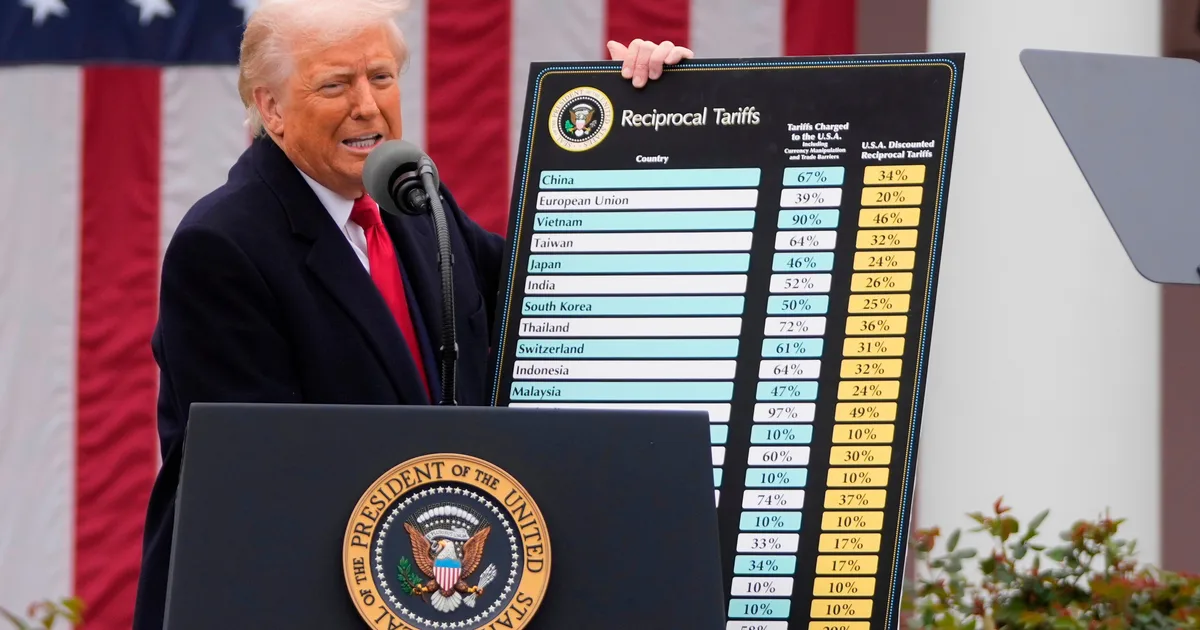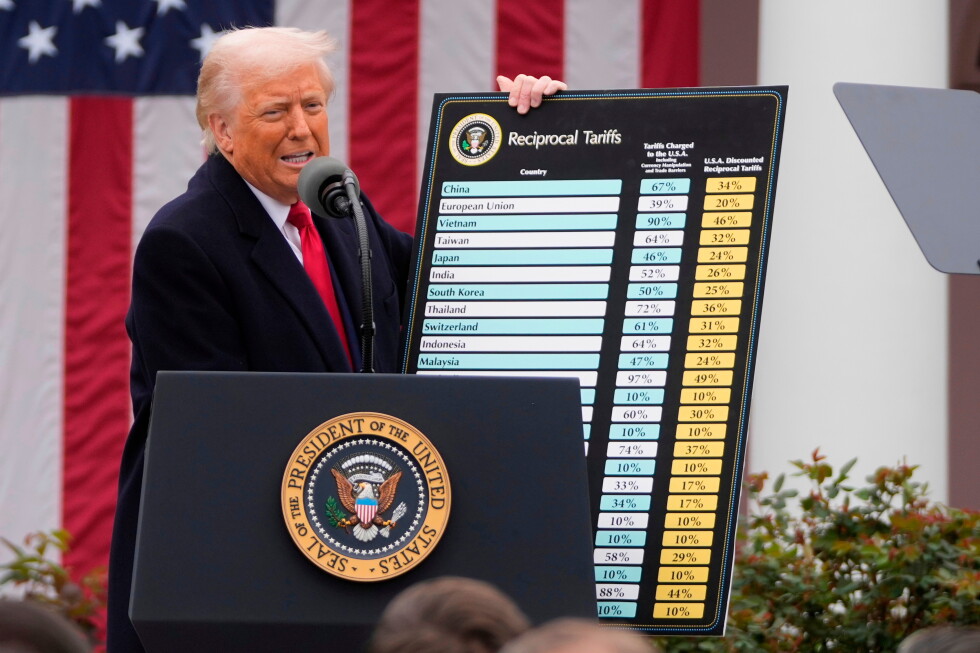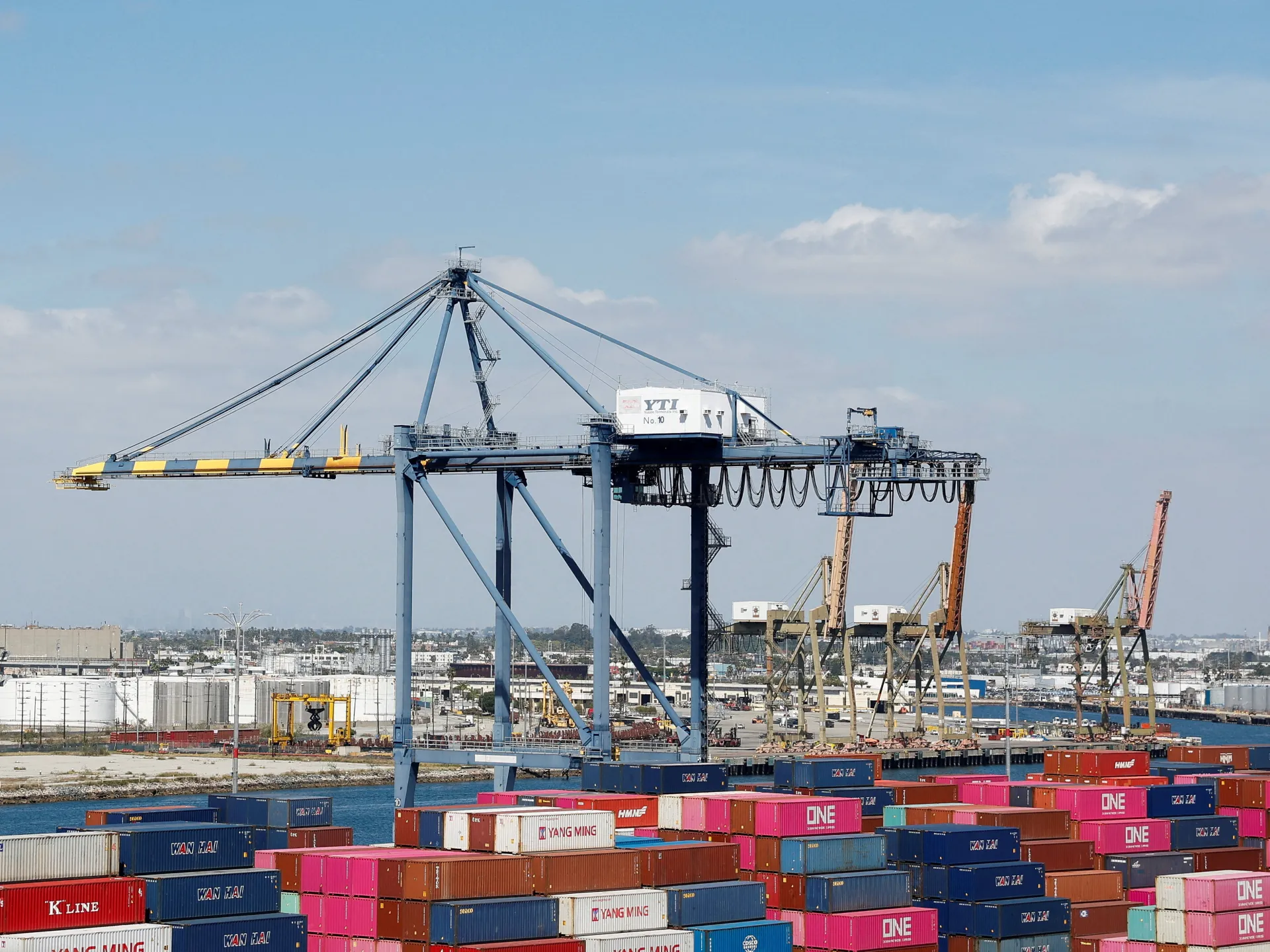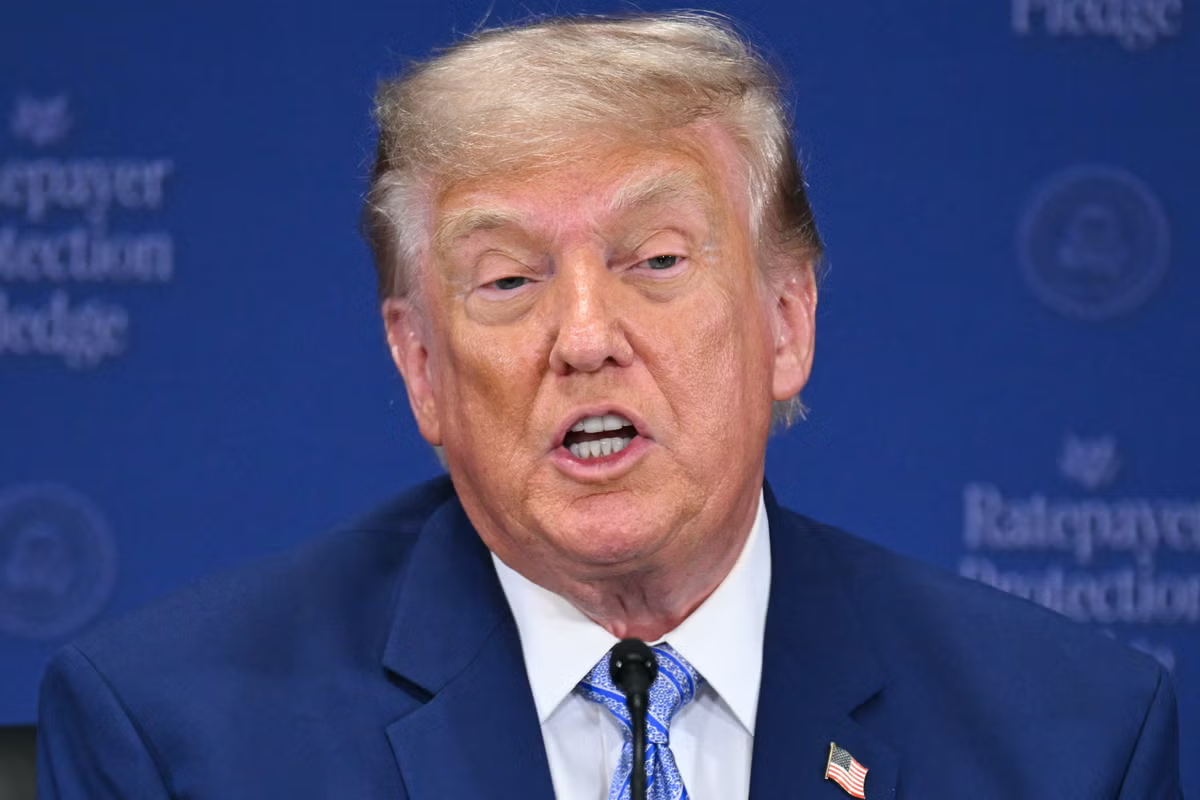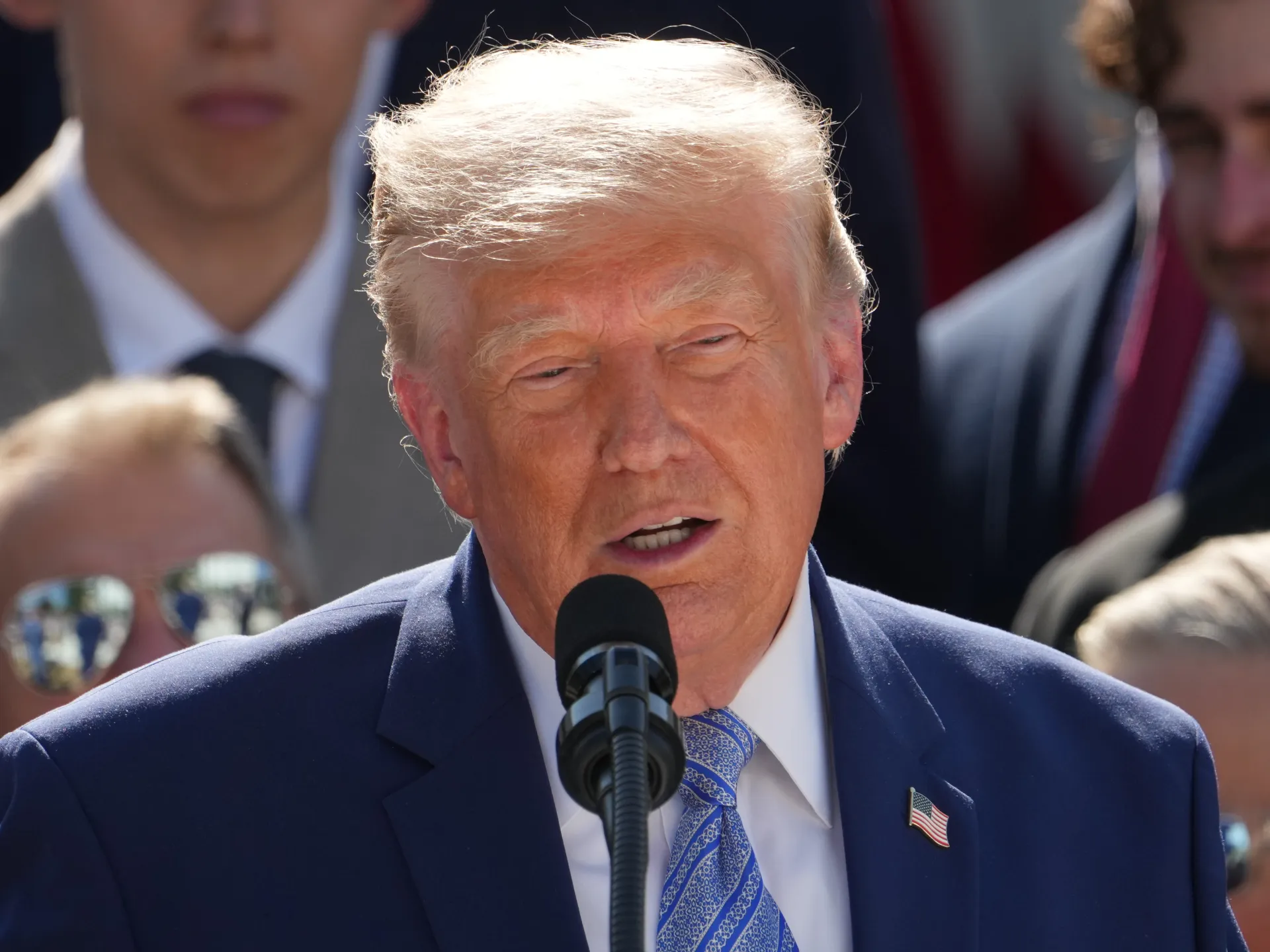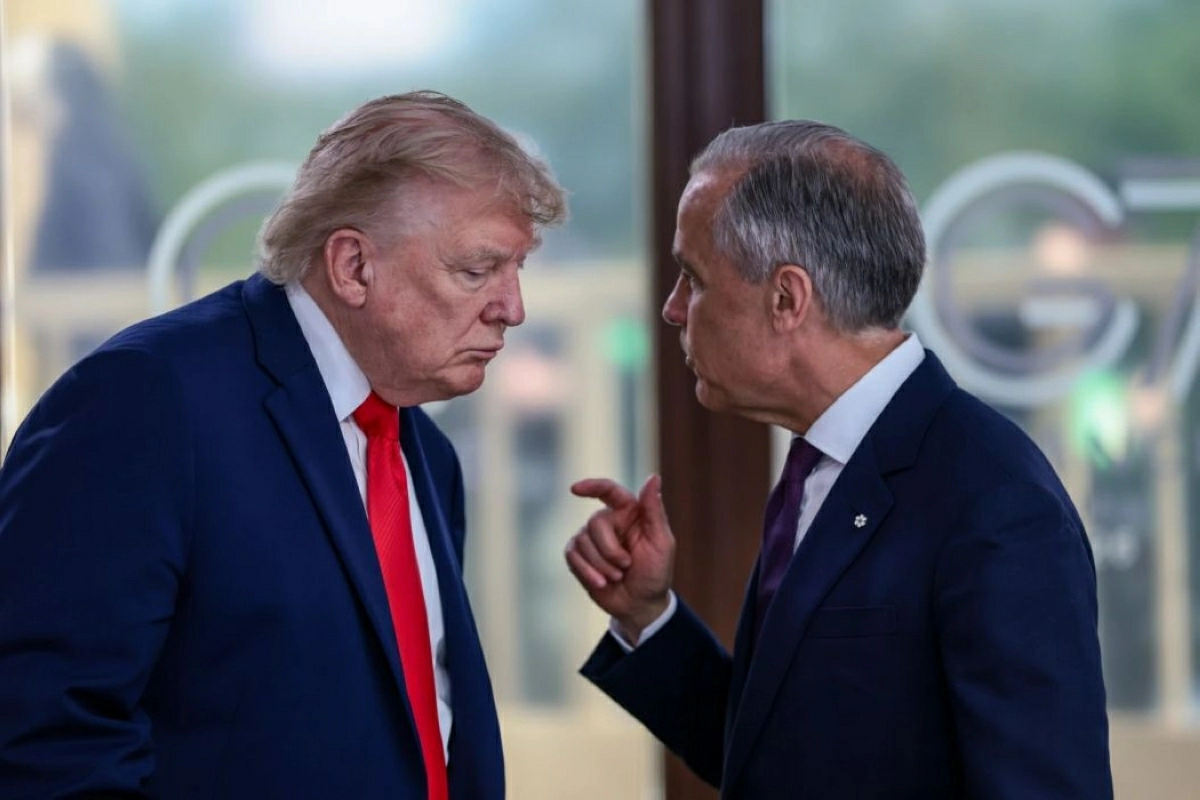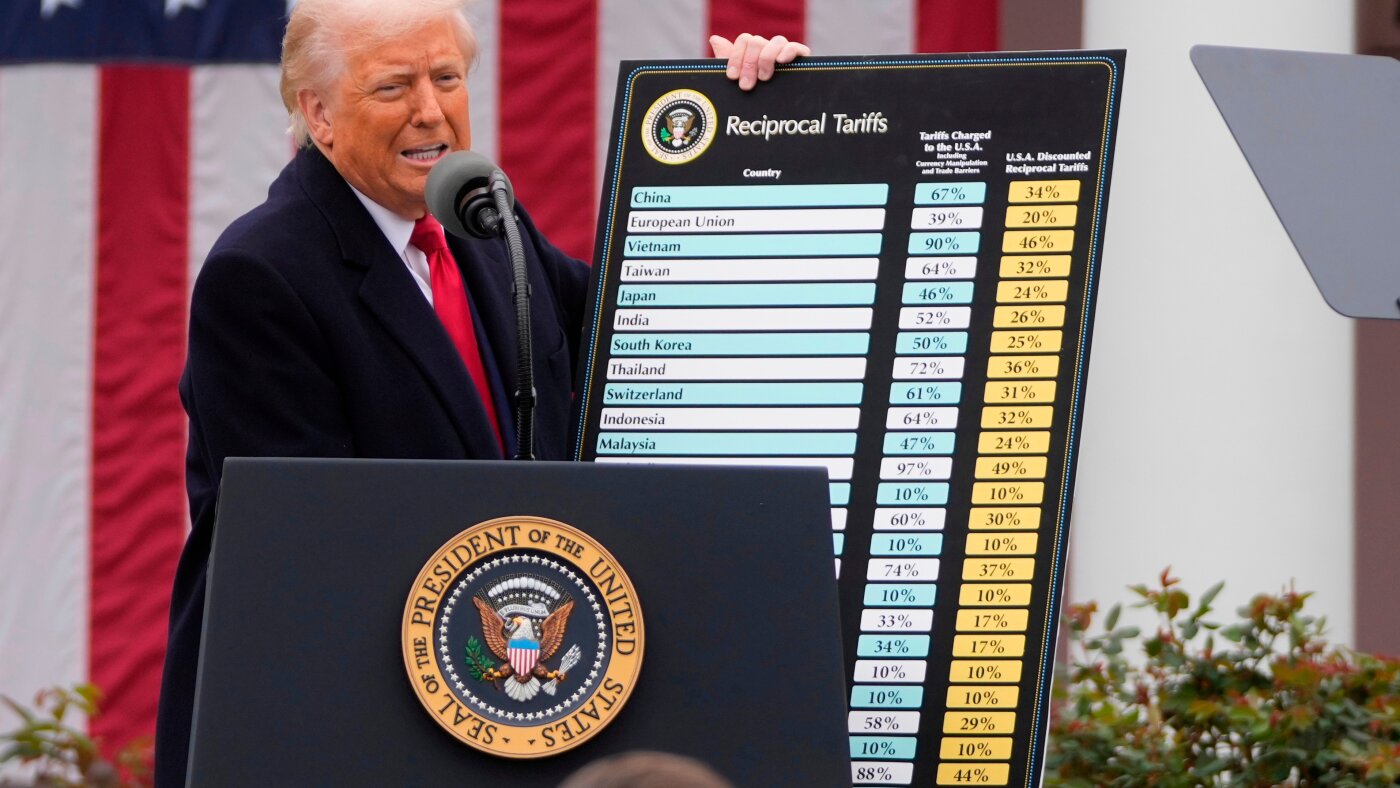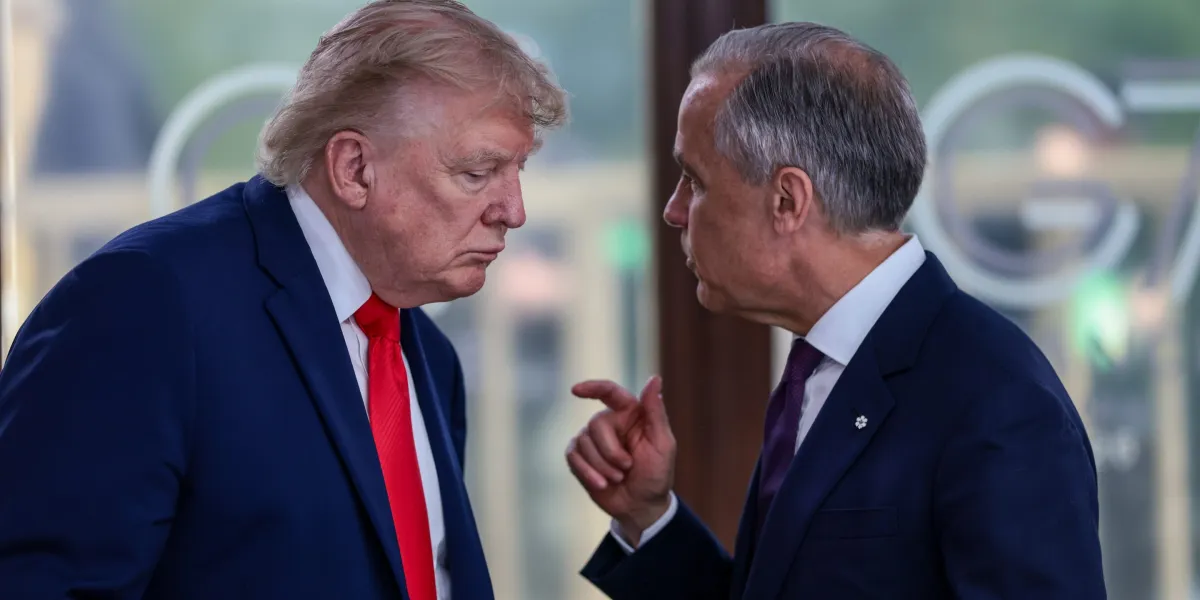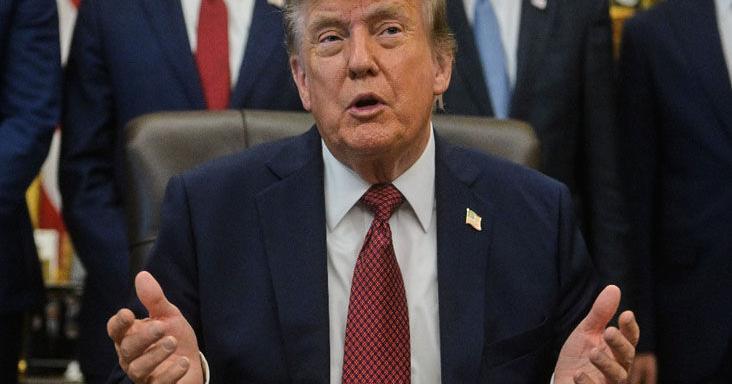
US President Donald Trump went ahead with new double-digit tariffs on dozens of US trading partners just as the clock ran out yesterday on stopgap levies he imposed after a stinging defeat at the Supreme Court.A 10% tariff on Trinidad and Tobago exports remains unchanged.The United States slapped taxes of 10% to 12.5% on imports from 60 trading partners accounting for 99% of US imports, charging that they have inadequately enforced bans on goods produced by forced labour.“The United States has had a forced labour import ban for nearly a century, and rigorously enforces it; it’s well past time for our trading partners to do the same,” said US trade representative Jamieson Greer.The new tariffs took effect just as temporary 10% worldwide tariffs expired.Trump had turned to those temporary levies after the Supreme Court struck down his biggest and boldest tariffs in February.Now he’s tapping more durable tariffs under Section 301 of the Trade Act of 1974, which permits the president to impose import taxes and other sanctions against countries found to engage in “unjustifiable,” “unreasonable” or “discriminatory” trade practices. Trump used Section 301 to impose big tariffs on China in his first term, and they survived court challenges.More Section 301 tariffs are likely coming: the US Trade Representative’s office has launched a probe into whether 16 countries—accounting for 70% of US imports—have overproduced goods, pushing down prices and putting US companies at a disadvantage in global markets. The administration has yet to complete that investigation.Trump, who argues that high tariffs will revive American manufacturing, last year overturned decades of US policy that favoured lower tariffs and ever-freer trade. Invoking the 1977 International Emergency Economic Powers Act, or IEEPA, he imposed double-digit tariffs on imports from almost every country on Earth, saying America’s long-standing trade deficit amounted to a national emergency.But the Supreme Court ruled that IEEPA did not authorise tariffs. The decision forced the administration to pay refunds to importers that had paid the tariffs.In response, Trump announced 10% worldwide tariffs under Section 122 of the Trade Act of 1974. But he can only use Section 122 levies for 150 days; time ran out on them yesterday.The tariffs are being imposed on countries that the US found either failed to impose or failed to effectively enforce a ban on importing goods made with forced labour.Some products—including oil and gas and fertiliser—are exempted from the new tariffs announced Thursday.Also being spared are products that qualify for duty-free status under the US-Mexico-Canada Agreement, the North American trade pact Trump negotiated in his first term.The tariffs drew immediate fire from critics.“Today’s forced labour justification is too convenient to be taken seriously,” said US Rep Richard Neal of Massachusetts, the top Democrat on the House Ways and Means Committee. “Forced labour is a real and pervasive problem in our supply chains and demands serious enforcement. It should never be cheapened into a pretext for a tariff policy built on dubious legal theories and personal grievances.”
10% on T&T exports remains
US President Donald Trump went ahead with new double-digit tariffs on dozens of US trading partners just as the clock ran out yesterday on stopgap levies he imposed after a
492 words~2 min read