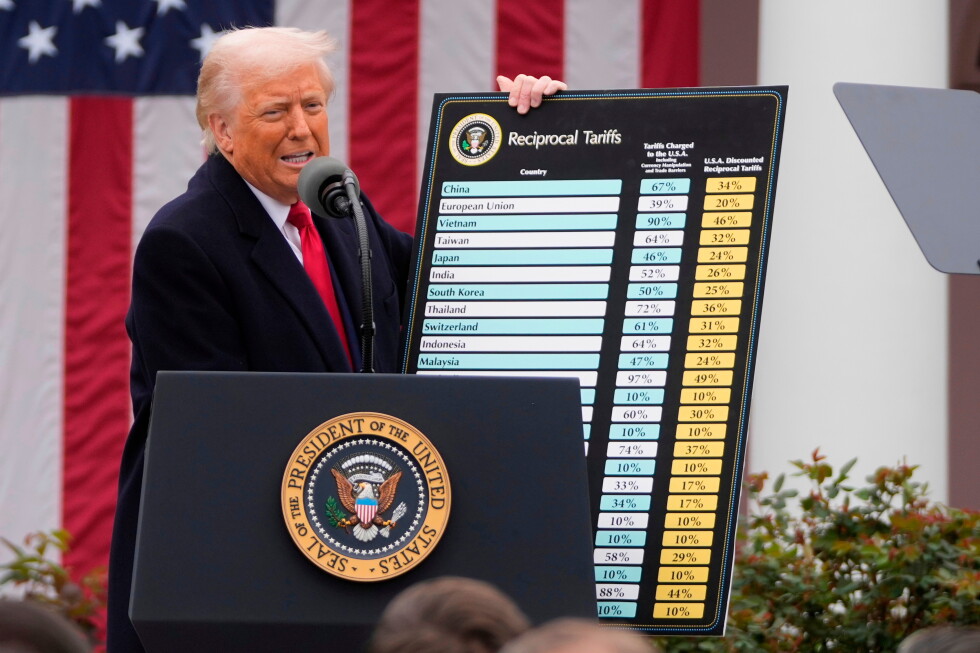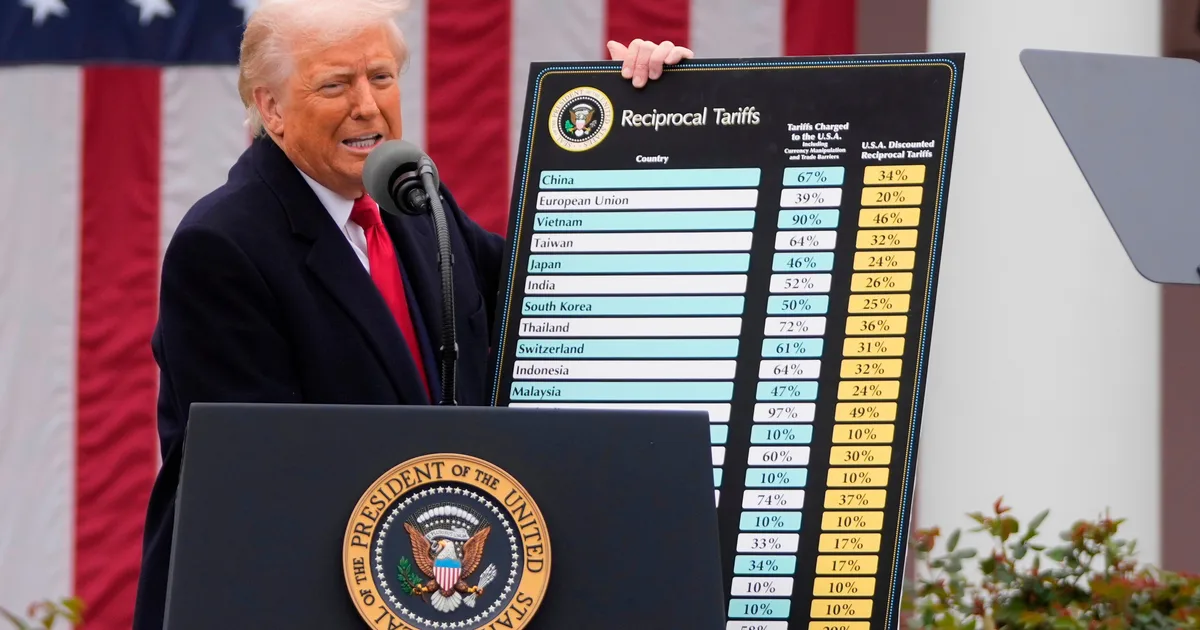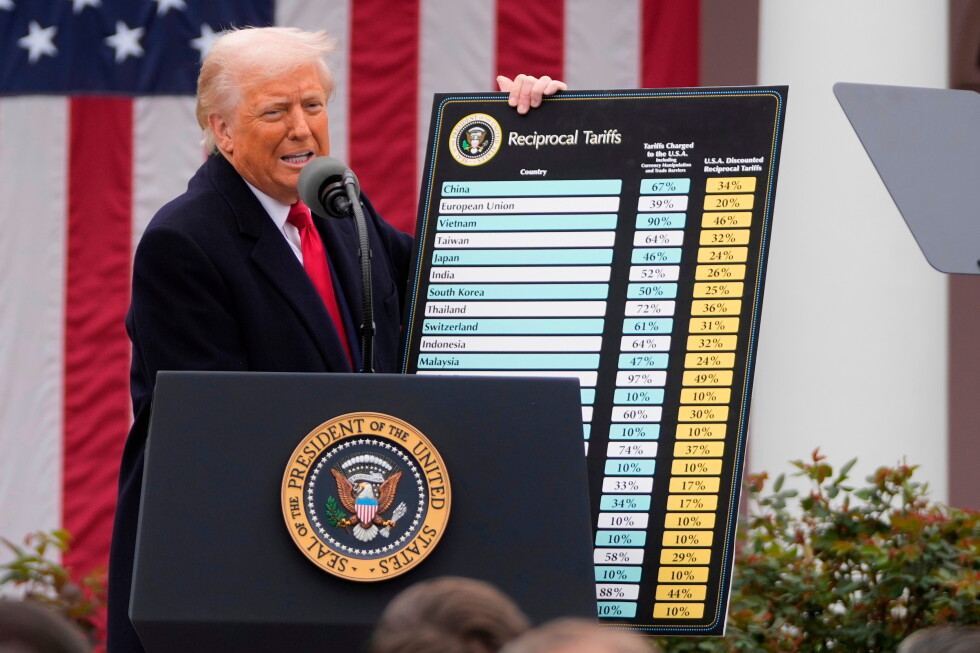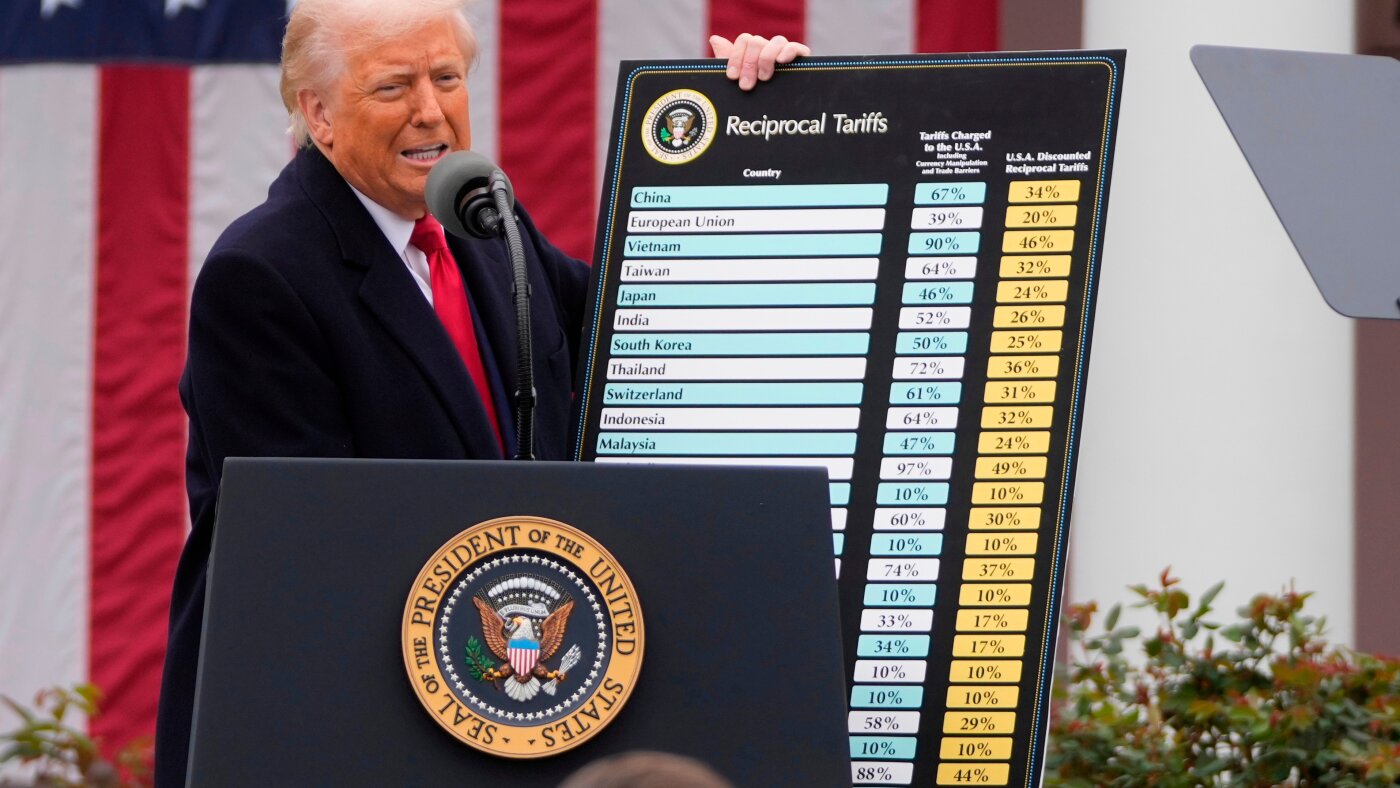
WASHINGTON — US President Donald Trump is going ahead with new double-digit tariffs on dozens of trading partners just as the clock runs out Friday on stopgap levies he imposed after a stinging defeat at the Supreme Court.On Thursday, his administration unveiled its latest workaroundafter the Supreme Court rejected his most aggressive tariffs on foreign goods earlier this year. Starting at 12:01 a.m. Friday, dozens of America’s trading partners from Europe to China to India will face new tariffs on goods shipped to the United States, according to a statement from the office of the US Trade Representative on Thursday. Washington will slap taxes of 10% to 12.5% on imports from 60 trading partners accounting for 99% of US imports, charging that they have inadequately enforced bans on goods produced by forced labor.“The United States has had a forced labor import ban for nearly a century, and rigorously enforces it; it’s well past time for our trading partners to do the same,” said US Trade Representative Jamieson Greer.Trump had turned to those temporary levies after the Supreme Court struck down his biggest and boldest tariffs in February.“The president is not going to allow his trade policy and overall objectives to be undermined simply because one tool may be limited by a court or something else,” senior White House officials told reporters Thursday on a call previewing the actions.The latest action follows a monthslong investigation by the US Trade Representative into the alleged use of forced labor to produce goods exported to the US and the failure by various countries to address the practice.The new rates apply to imports from countries that supply nearly everything the United States buys from abroad. A variety of imports, including oil and gas, as well as products that can’t be sourced domestically, were granted exemptions, administration officials said.Under the final determination, the US will impose a 10% duty on goods of Argentina, Bangladesh, Britain, Cambodia, Canada, Ecuador, El Salvador, Guatemala, Honduras, India, Indonesia, Jordan, Malaysia, Mexico, Pakistan, Sri Lanka, Trinidad and Tobago.The European Union, Taiwan, Japan, South Korea and Switzerland were assigned rates that, combined with pre-existing most-favored-nation tariff rates, would total 10% or 12.5%.The other 38 countries were assigned a 12.5% rate. These include China, accused by the US of detaining Uyghur minorities in work camps, which Beijing denies.The administration is exploring additional ways to raise border taxes. Earlier this week the White House announced a 50% tariff on certain Canadian goods set to take effect next month under a never-before-used provision of the Smoot-Hawley Trade Act.Trump administration officials have told Chinese counterparts they intend to rebuild Trump's second-term tariffs on Chinese goods back up to the 20% that was agreed upon in a trade truce with Chinese President Xi Jinping in November 2025 —but not exceed that level. Prior to Friday's action, China's tariff rate had fallen to 10%, excluding the 25% imposed during Trump's first term on industrial goods.The timing of the rollout was intended to “avoid complexity” that would come from layering the new levies on top of the existing 10% duties, administration officials said. They added that business leaders have been seeking more continuity and predictability around tariffs.That marks a stark shift from a year ago when businesses were smack in the middle of Trump’s dizzying on-and-off again tariffs. “We have heard loud and clear: people want to know what tariff rate they’re going to pay,” the administration official said.“The real message here that everyone needs to take away is the president is going to always use the tools at his disposal to achieve his trade policy objectives.”Certain countries qualified for a lower 10% rate instead of the 12.5% rate after taking steps aimed at combating alleged forced labor. But administration officials said they were not convinced the affected countries would eliminate the practice anytime soon, and are prepared to keep the higher levies in place.In a statement on Thursday, Brazil rejected the 12.5% tariff on its goods and reiterated its call for reciprocity. And in a video on social media, Mexico’s economy minister said, “We do not see a change in the effective tariff Mexico is paying today.”Norway's Foreign Minister Espen Barth Eide said "there is no basis for this tariff against Norway because we already have clear rules that are intended to prevent trade in goods produced using forced labor."Australia described the new tariffs as unjustified and said they would seek to have them removed, while Canada — hit on Monday with new Trump tariffs on $20 billion worth of goods — issued a muted response to the "unilateral" tariffs."We will continue engaging constructively with the United States on this matter, as well as other outstanding issues, over the coming weeks to the mutual benefit of our citizens," said Dominic LeBlanc, Canada's minister in charge of US trade.Massachusetts Governor Maura Healey, a Democrat, also criticized the duties in a statement, saying they "will result in higher costs, negative impacts to businesses and weakened American competitiveness. Nobody can afford this.""As expected, the forced labor tariffs largely replicate current tariff levels as negotiated in various reciprocal trade agreements, and replace the 10% tariffs under Section 122 that expire on Friday," said Tim Brightbill, a trade law partner with Wiley Rein in Washington.A senior Trump administration official disputed suggestions that the forced labor tariffs were simply a direct replacement for the expiring levies despite the timing, similar duty rates and vast coverage of nearly all US imports.The official said the US has stronger import bans on goods made with forced labor and enforces them more rigidly than any other country, giving rivals an unfair trading advantage over the US.For most Americans, the change is unlikely to immediately translate into higher prices because it largely preserves duties that importers have already been paying.That may change in the coming weeks and months, though.There are several other pending investigations that rely on the same trade law, Section 301 of the Trade Act of 1974, being used to enact the new rates. One focuses on allegations that major trading partners — including China, Mexico and the European Union — are contributing to global manufacturing overcapacity.Section 301 tariffs are viewed by trade experts as a more legally durable option because they have survived previous court challenges, unlike the emergency authority Trump last April used for his “Liberation Day” broader tariff regime. They can also remain in place indefinitely.
Trump launches new tariff push targeting dozens of countries
US President Donald Trump is going ahead with new double-digit tariffs on dozens of trading partners just as the clock runs out Friday on stopgap levies he imposed after a stinging defeat at the Supreme Court.
1,062 words~5 min read