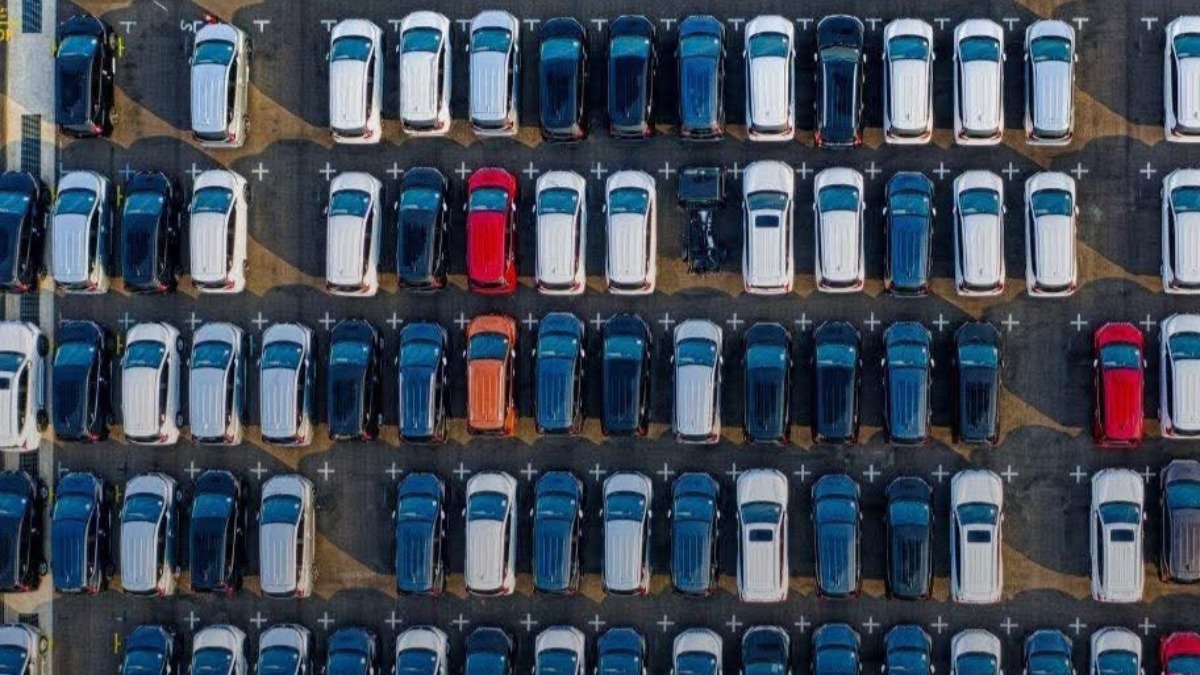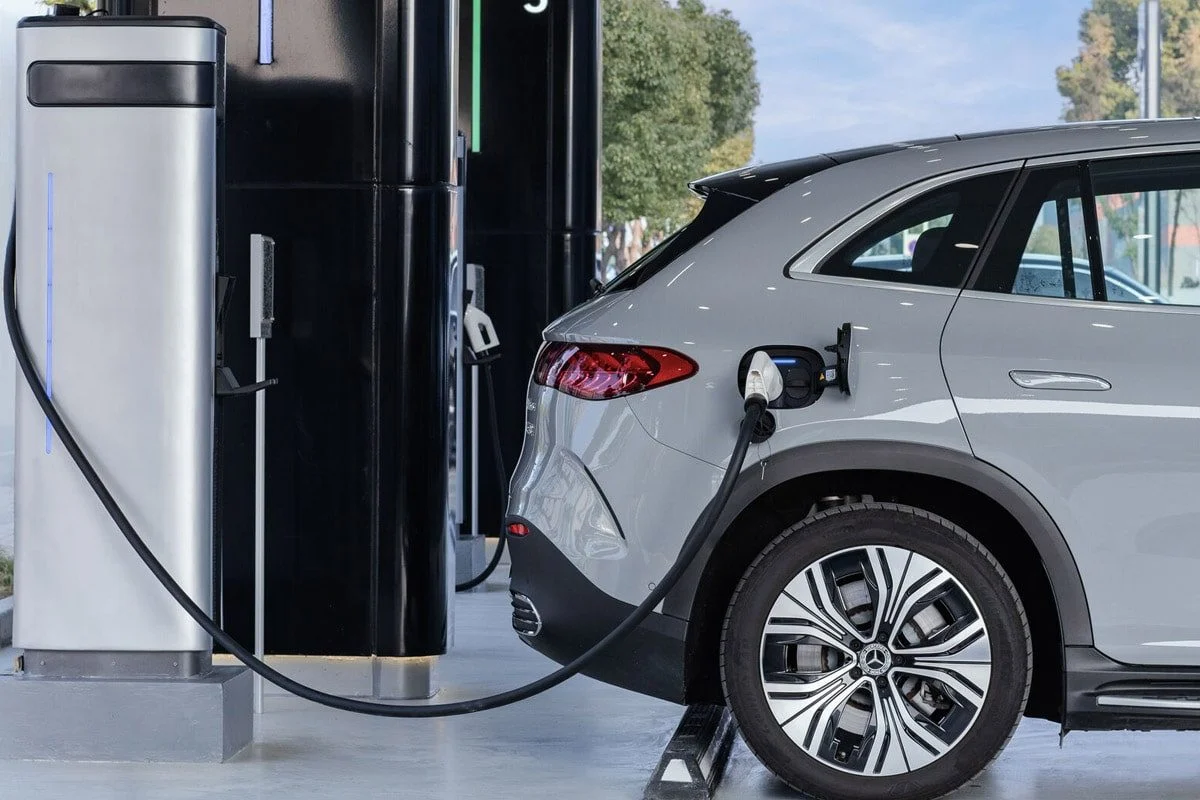
IMPORTERS of vehicles equipped with Smart “mild” Hybrid Vehicle (SHVS) Systems will now face a 20% customs duty in addition to the 12.5% value-added tax (VAT), following a new classification ruling by the Customs and Excise Division.Customs and Excise General Order No 24 of 2026, issued on July 22, stated that vehicles fitted with SHVS technology do not qualify for hybrid vehicle concessions because “the electric motor does not function as a motor for propulsion”.
‘Mild hybrid does propel car’: Millennium Auto Dealership owner and Cunupia Business Chamber VP Rhondall Feeles.
‘It’s still a hybrid’: President of the T&T Automotive Dealers Association Visham Babwah.
The ruling affects several models manufactured by Maruti Suzuki and Toyota Kirloskar Motor, including the Suzuki Fronx, Grand Vitara, Swift, Ertiga, XL7; and Toyota Urban Cruiser Taisor.However, importers are disputing the classification, arguing that mild hybrid vehicles use electric motors alongside internal combustion engines to support propulsion and should therefore qualify for hybrid concessions.Millennium Auto Dealership owner and Cunupia Business Chamber vice-president Rhondall Feeles said the decision was unclear, and questioned why industry stakeholders were not consulted before the change took effect.“I saw (Thursday) that there’s a claim that the mild hybrid does not contribute to the propulsion of the vehicle. Now that is not true. The mild hybrid vehicle does contribute, just as specified by the clause, or just as specified by the policy that dictates the exemption for the vehicle, that there be a combination of the internal combustion engine and also a rechargeable energy source or device working together in tandem to propel the vehicle,” he told the Express.Feeles said the confusion stemmed from Customs’ interpretation that the electric motor must directly power the vehicle’s movement for it to qualify for hybrid concessions.“The thing that is confusing us is that the clause that dictates this says that once it works in tandem with the internal combustion engine, you are allowed to be exempted,” he said.He cited a previous court matter involving micro hybrids, where vehicles used batteries mainly to power systems and accessories, but did not contribute to propulsion.“Customs was victorious. I caution them to understand what’s taking place with the mild hybrid. The mild hybrid, though, does not contribute as much as the strong hybrid does to the propulsion of the car. The mild hybrid does propel the car as well,” Feeles said.He questioned the threshold Customs was applying, arguing that regulations define the maximum motor output but do not establish how much the hybrid system must contribute to propulsion to qualify.Feeles warned that the sudden implementation could create financial problems for businesses and consumers.“A number of people will be importing these vehicles themselves. What kind of financial debacle are you going to put them into?” he asked.He said Customs should have consulted with the relevant ministry, adjusted the policy and provided a grace period for vehicles already purchased or in transit.“They’re going to cause a whole mess. So, I think there’s calls for consultation, and I’m hoping that the Comptroller reaches out and starts that consultation,” he said.Call for talkswith TancooPresident of the T&T Automotive Dealers Association (TTADA) Visham Babwah is also calling for urgent discussions with Finance Minister Davendranath Tancoo and Customs and Excise officials.Babwah said importers were being forced to pay additional taxes on vehicles already imported and awaiting clearance.“They are saying, and even cars that we have imported and have been in the system, in Customs, waiting to be cleared, we will have to pay retroactive tax in those cars, which is very unfair to the citizens of this country because they will have to pay the higher cost for these cars,” he said.He said importers had relied on previous guidance that these vehicles qualified for hybrid concessions and warned that the increase could add between $40,000 and $50,000 to vehicle prices.“I’m sure people might not be able to afford it because they are taking loans, and the bank will not be able to facilitate them because of the debt service ratio. So, they might have to even cancel these purchases,” Babwah said.He urged the Government to introduce a grace period, arguing that the automotive sector was already facing challenges.“If they (Government) really, really care and have concern about the hardship the citizens are going through, the country and business, likewise...things have slowed down. A lot of people are unemployed, and whatever business we are getting and keeping our employees employed and stuff like that, it’s a great sacrifice, and they have to appreciate that because they have not made life easier since they came into power for people; they have not made life easier for people,” he said.Babwah maintained that mild hybrids should continue to qualify for concessions.“A hybrid is a hybrid. A mild hybrid is still a hybrid vehicle,” he said.‘Blindsided’RORO Importers also criticised the decision in a Facebook post, saying Customs had changed the rules “overnight” without warning.The company said dealers had vehicles already on the port and in transit, and questioned how businesses were expected to absorb the unexpected costs.“Customers will now be forced to buy used, high-mileage cars because new car prices will rise drastically again,” it stated.Eurojapan Motors Ltd also said dealers had repeatedly sought clarification from authorities and were advised that any changes would be communicated through an official notice.“No warning, no circular, no transparency, and no dialogue were provided,” the company stated.It said vehicles and documents were detained and dealers were informed they would now be treated as non-hybrid vehicles for concession purposes.“We feel blindsided by this decision. This unexpected change could increase vehicle prices by 35% or more, affecting dealers, customers who have already placed deposits, and vehicles already in transit,” Eurojapan stated.The company called for fairness, transparency and transitional arrangements for vehicles already ordered or shipped.A vehicle previously selling for about $155,000 could now cost approximately $215,000, it warned.Former prime minister Stuart Young also called for an explanation from the Government on the decision.“The Minister of Finance must provide the population with an explanation and the reasons for this targeted taxation,” he said in a WhatsApp response to the Express.People’s National Movement deputy political leader Sanjiv Boodhu also questioned the move, asking whether all dealers would be treated equally under the new classification.He said the decision comes as consumers face increasing costs.Recent tax and fee increases include:• Rum and spirits duty: increased from $79.25 to $158.50 per litre of alcohol.• Customs declaration fee: increased from $40 to $80.• 20-foot container examination fee: increased from $375 to $750.• 40-foot container examination fee: increased from $525 to $1,050.• Environmental tyre tax: increased from $20 to $40.• Luxury EVs valued over $400,000: now subject to 10% duty, 12.5% VAT and tiered motor vehicle taxes.• Single-use plastics: new 5% import tax introduced to support recycling programmes.The affected vehicles manufactured by Maruti Suzuki and Toyota Kirloskar Motor include:• Suzuki Fronx• Suzuki Grand Vitara• Suzuki Swift• Suzuki Ertiga• Suzuki XL7• Toyota Urban Cruiser Taisor