Show Caption
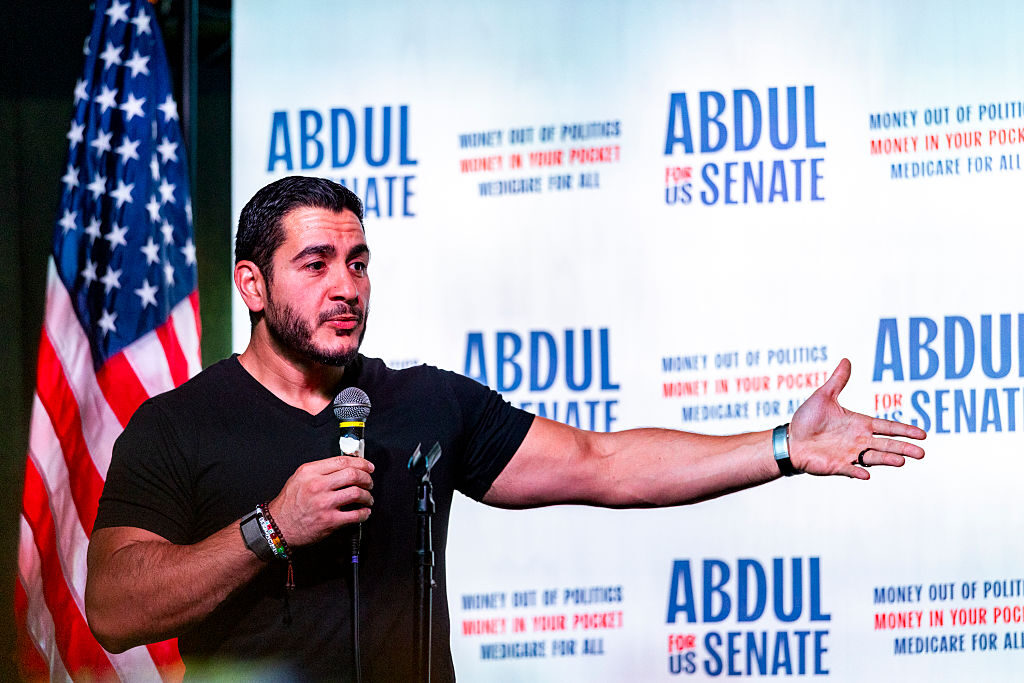
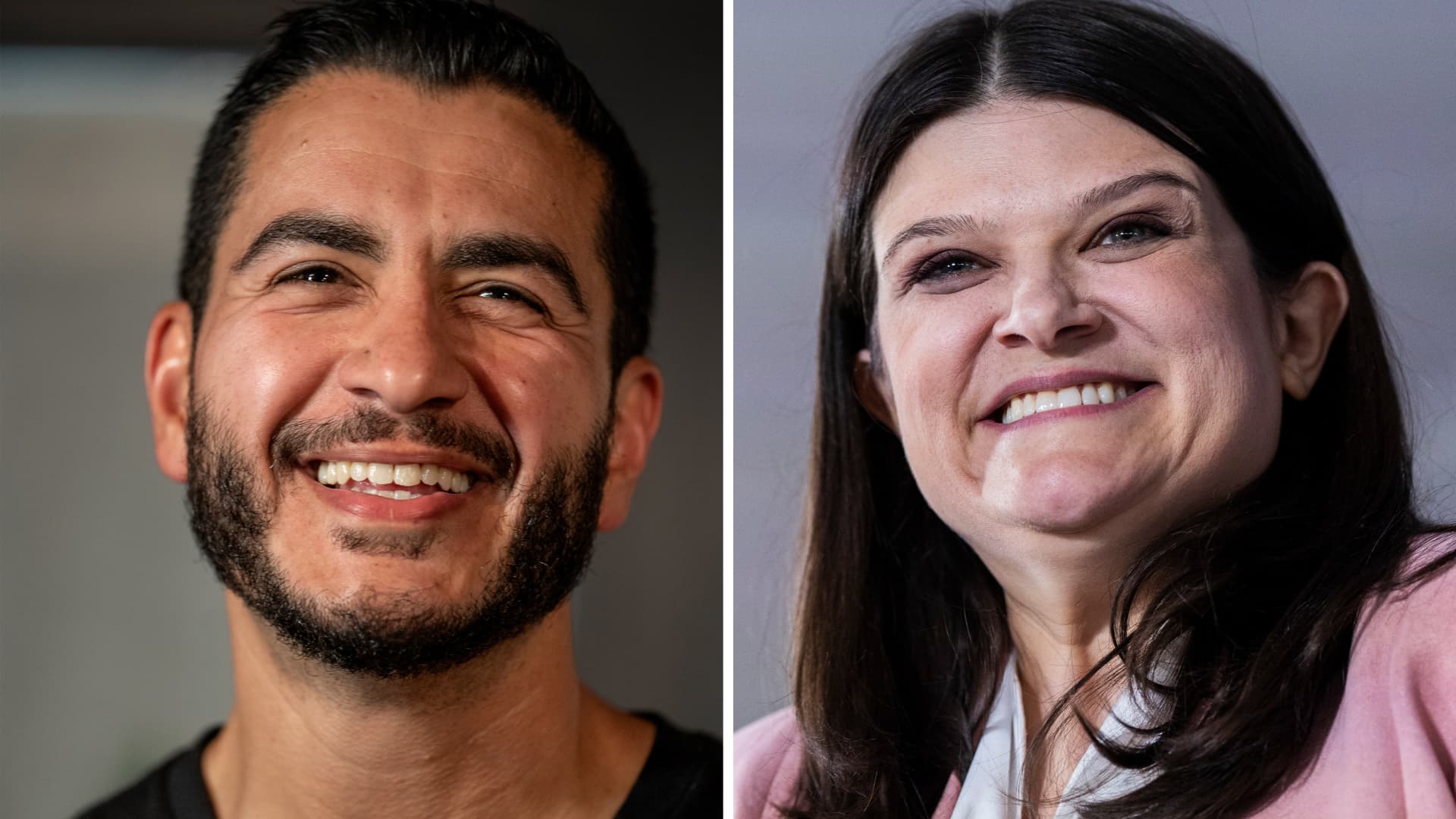
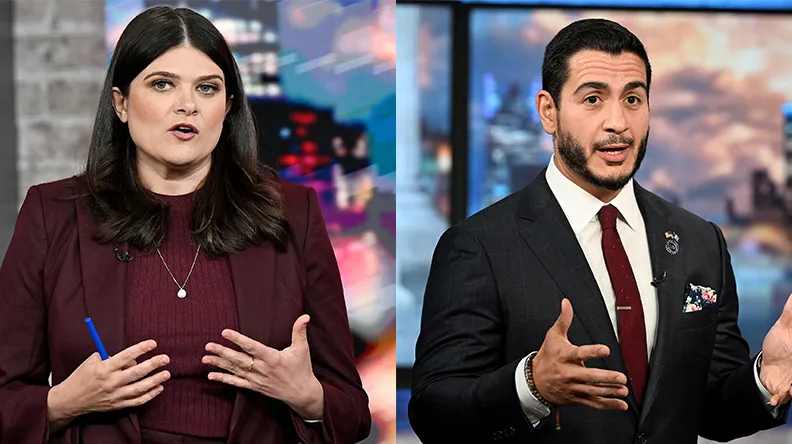
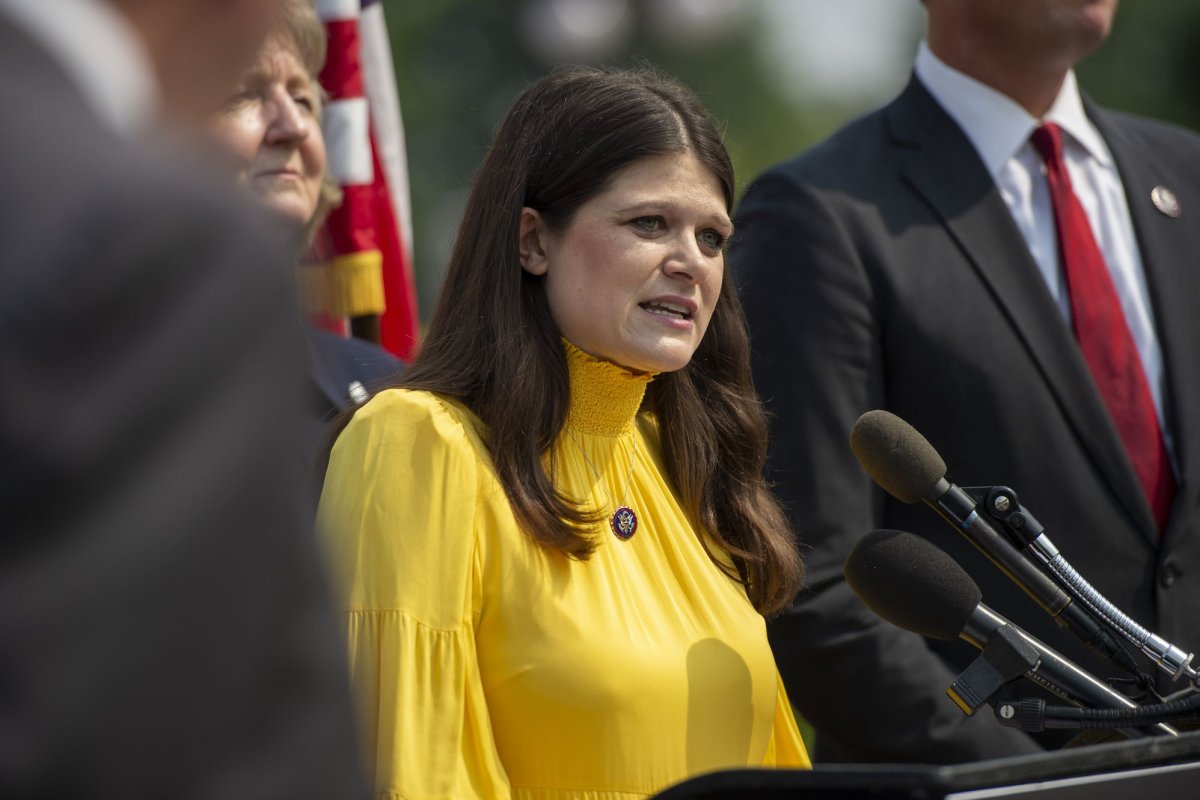
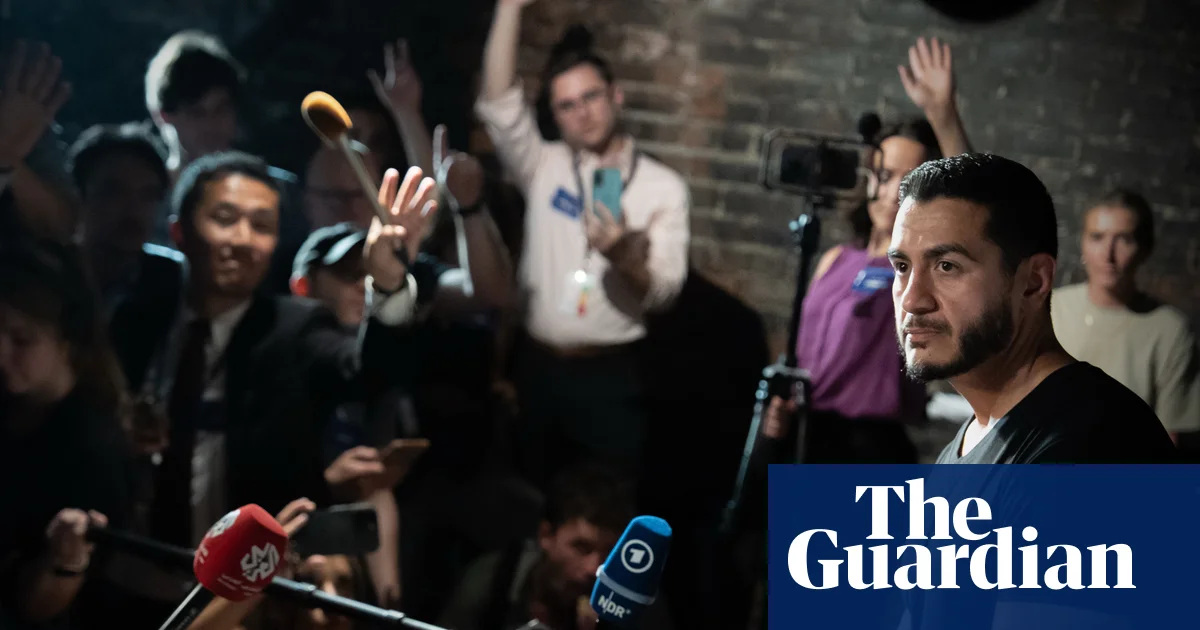
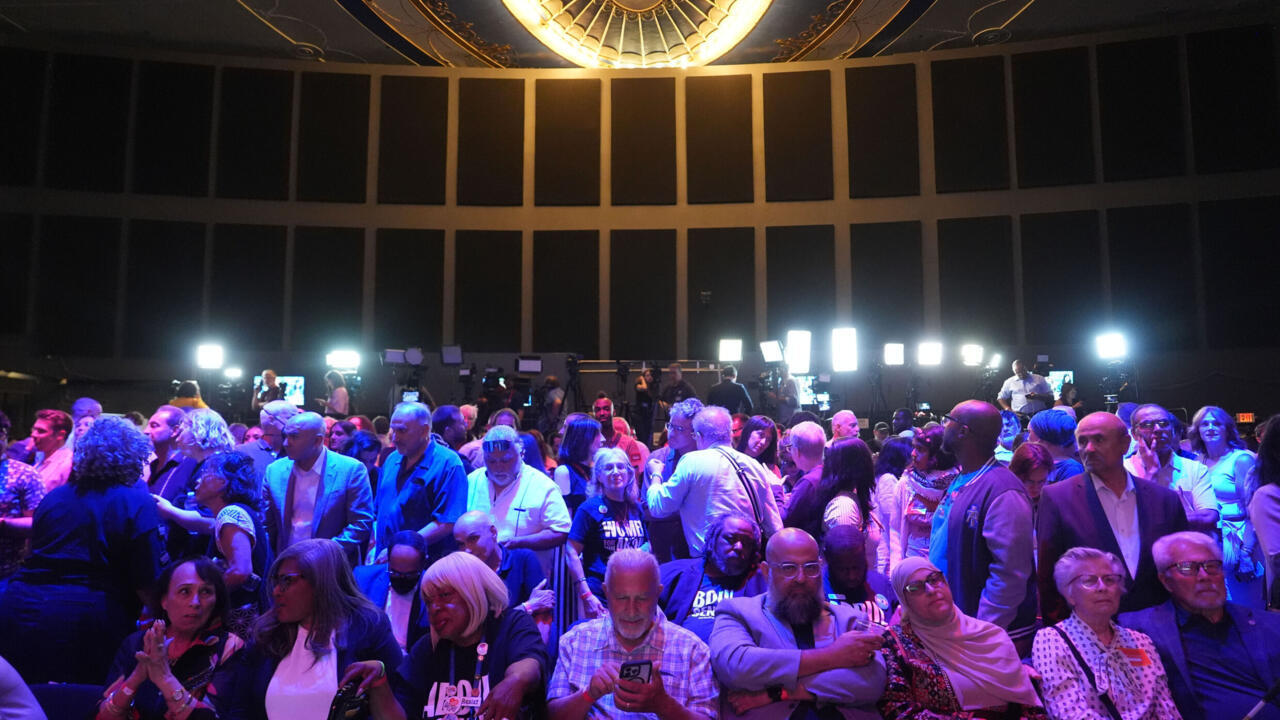
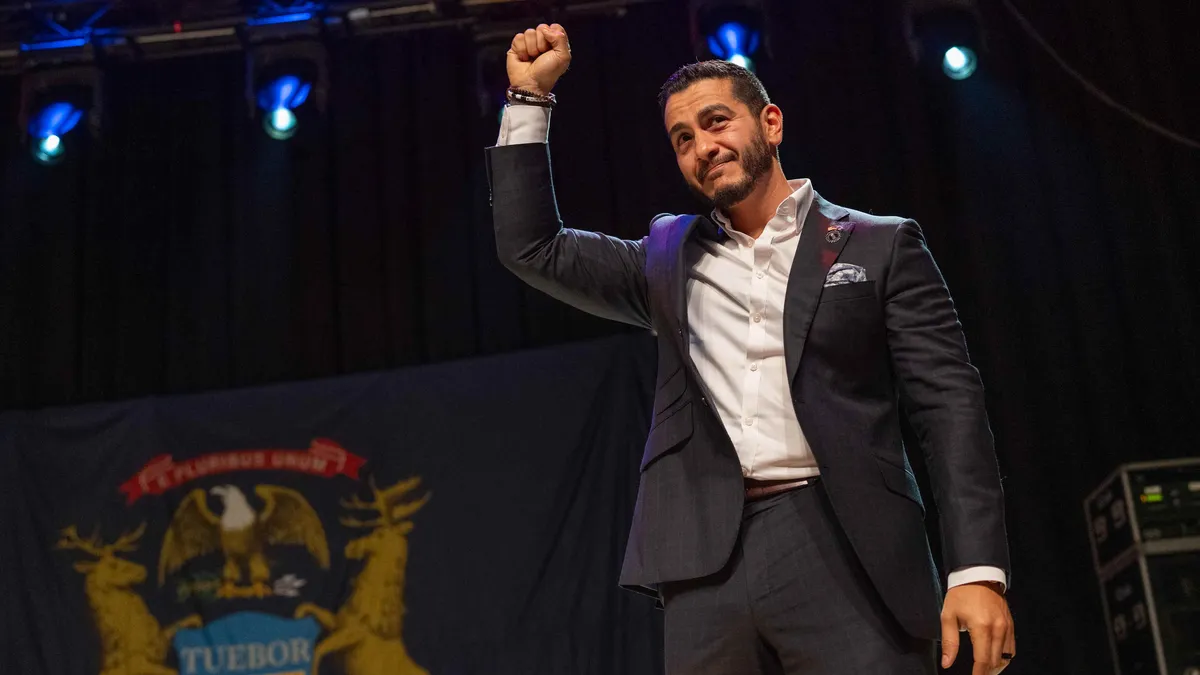
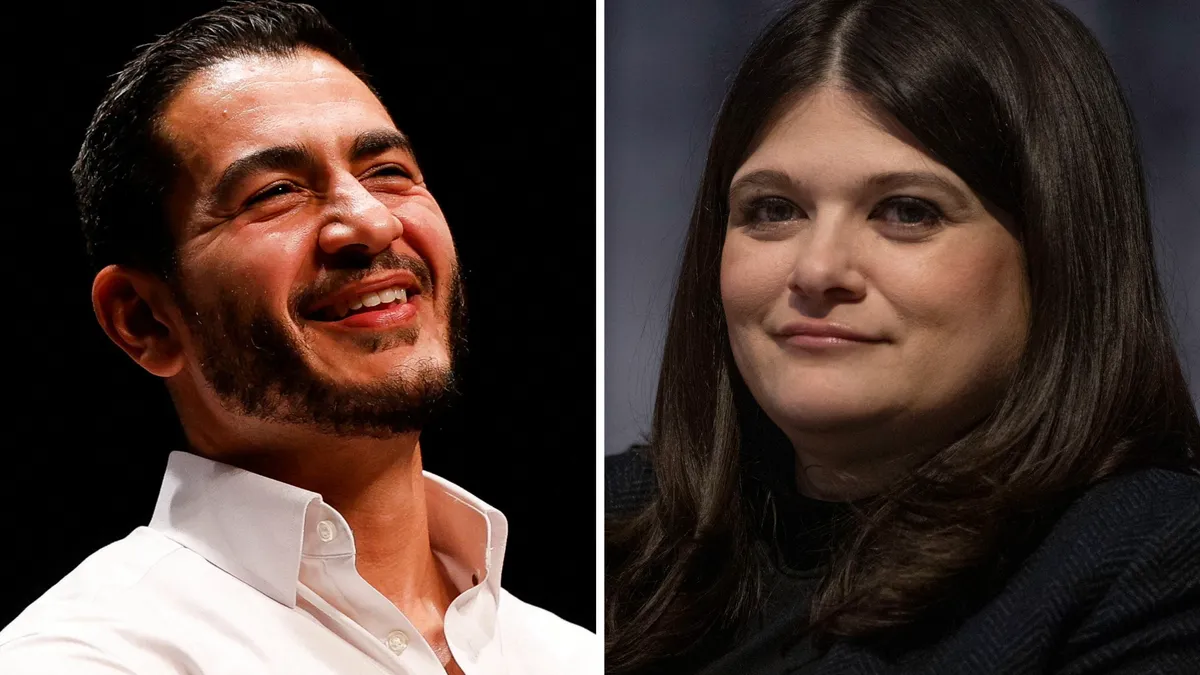
Of all the Democratic primaries between a progressive populist and establishment liberal this year, the Michigan Senate contest Aug. 4 could be the most consequential in mapping the party's future.The race between Abdul El-Sayed, a Detroit-based public health officer, and U.S. Rep. Haley Stevens, a former Obama administration official, has touched almost every nerve on the political left leading up to the 2026 midterms.Whether it's who is to blame for the 2024 election outcome, what type of candidate is best to defeat Republicans in a general election or the U.S. relationship with Israel and its prosecution of the war in Gaza, centrist and left-leaning factions agree that the stakes are higher than in any other primary battle."The crux of the race is between two competing visions for where the Democratic Party should go," said Ravi Mangla, spokesman for Working Families Party, a progressive political party that supports El-Sayed. "Michigan has become the main event, especially knowing that this race could decide the balance in the Senate," he added. "The stakes are extremely high."The Michigan primary became a two-person race July 6 when state Sen. Mallory McMorrow — who had hoped to bridge El-Sayed's progressivism and Stevens' policy background — dropped out.Since then, an independent poll by two media outlets has shown Stevens holding a 7-point lead over El-Sayed, although other surveys sponsored by El-Sayed supporters show him leading by double-digit margins.A key Senate race for control of the chamberSen. Gary Peters, D-Michigan, is retiring, and losing his seat to Republican Rep. Mike Rogers, who is running unopposed in the GOP primary, would make it even harder for Democrats to net a gain of four Senate seats and flip control of the upper chamber in November. President Donald Trump won the Midwestern swing state by about 1.5 percentage points in 2024 and its Senate seat is rated a toss-up by forecasters.Outside groups have poured more than $52 million into both sides of the race through the middle of this month, according to OpenSecrets, a nonpartisan group that analyzes federal campaign spending.Amid the battle for control of Congress is a battle for control of the Democratic Party, as more progressive contenders scored noticeable wins against long-time incumbents and traditional liberal contenders.New York City Mayor Zohran Mamdani's choices for Congress swept all three of their June primaries. Earlier this month, political newcomer Melat Kiros, who like Mamdani identifies as a democratic socialist, easily defeated a longtime congresswoman in Colorado."It's probably the best showing for the progressive left and the democratic socialist wing of the party has seen since the rise of Bernie Sanders in 2016," said Matthew Dallek, a political historian at George Washington University."I don't know of another year when progressives have won at a fairly consistent clip in competitive primaries," he added. "Mamdani's victories supercharged what has been for the past decade a growing element within the Democratic Party and its coalition."Those wins have inspired the activist left but reportedly alarmed some in the party's establishment, which is backing Stevens. Groups such as the American Israel Public Affairs Committee, or AIPAC, have spent nearly $30 million to support her campaign, which is their largest single investment this cycle, for instance.Several other prominent Democrats, including Gov. Gretchen Whitmer, the state's best-known political figure, have rushed to endorse her as well."Haley is as Michigan as it gets," Whitmer said in a July 24 video post on social media. "She knows what Michigan families are going through and that's how I know she’ll always put Michigan first."El-Sayed's campaign spokesperson Roxie Richner told the USA TODAY Network the governor's endorsement shows the party's "corporate establishment has closed ranks and made their pick," but that voters still get to make their voices heard.El-Sayed meanwhile is being backed by cluster of well-known progressives such as Sens. Bernie Sanders, I-Vermont, and Elizabeth Warren, D-Massachusetts, along with Rep. Alexandria Ocasio-Cortez, D-New York, and a network of their supporters.In a July 24 post on X ahead of Whitmer's endorsement, the former Detroit health director's campaign posted a video featuring El-Sayed standing with Sanders and Ocasio-Cortez. The message said Michigan deserves a senator not beholden to health insurance companies and AI developers.The victories touted by progressives, more centrist-aligned strategists note, have largely been in deep blue congressional districts, whereas Michigan is a critical battleground state. Democrats must now run an almost flawless national campaign this fall by flipping at least four GOP-held seats while holding seats in Michigan, Georgia and New Hampshire.That task became more difficult when Graham Platner − another progressive insurgent, who won the Democratic Senate primary in Maine, the party's ripest target to flip a Republican seat, held by Sen. Susan Collins − dropped out July 10 after allegations of sexual misconduct."With the absolute cataclysmic destruction of the the Platner campaign now the question about whether Democrats can turnover a red seat in Maine has flipped to whether, frankly, we can hold a seat that's been blue in a state that Trump won last cycle that Democrats absolutely need to win back," said Kate DeGruyter, a spokeswoman for Third Way, a centrist think tank.Michigan voters juggle El-Sayed's electability questionIn the final two weeks, Stevens is hammering a familiar closing argument: El-Sayed would be the easier candidate for Republicans to beat this November because of some of his more controversial stances, including since-deleted comments that favored defunding the police in 2020.The Stevens campaign highlighted remarks this past week made by Rogers, who said in a private call with supporters that he wants to face El-Sayed, according to CNN.Many of her allies echo those sentiments and bring up the lack of a background check in the Maine contest as a worry about picking a newcomer, even if they energize the Democratic base. Stevens being vetted was one of the things Peters cited when endorsing her July 13 after initially saying he would stay out of the primary.That matters for voters such as Richard Neilson, 71, of Birmingham, Michigan, who said he still feels pain from state the going for Trump in the 2024 presidential election.The retired auto worker said he supports many of El-Sayed's ideas, like Medicare for All, and described the 41-year-old public health official as the more inspiring candidate. But Neilson noted the four-term congresswoman's background as the chief of staff for the U.S. Auto Rescue Task Force during the Obama administration, in contrast to an opponent who has never held elected office."Stevens pushed through a number of pieces of legislation successfully that benefited our automotive companies," Neilson said. "Abdul’s got a lot of things to like about him, but she's more apt to hit the ground running."Other voters dismissed those concerns, however, saying those worries fall flat at a time when Democrats should want to go on offense amid the Trump administration's blitzing executive actions.Jeannine Gant, 59, a nonprofit officer who works in downtown Detroit, said establishment politics have stopped working for people on both sides of the aisle. She said a contender such as El-Sayed "represents the best of us" because he wants to help as many Americans as possible rather than specific interest groups."People are hurting and people are hungry," Gant said. "I think that people aren’t seen, and I think we as a country have the ability to do something different that is supportive of everyone."Ryan Fritz, 26, who works in federal election compliance, said a lack of grassroots support among people who aren't plugged into politics make Stevens the less attractive and effective nominee. He mentioned that El-Sayed has outperformed her in small-dollar donations, raking in about $1.2 million from people who've chipped in less than $200 versus $227,000 to Stevens, according to FEC records."AIPAC is only spending money in the primary because they don't want Abdul (to win), and as soon as he potentially loses, all that money’s going to dry out for Stevens," Fritz said.Gaza referendum? Dems' ongoing strife over IsraelMany of the debates in the closely watched primaries this year have touched on Israel, which has seen its popularity take a nosedive among Democrats due to the war with Hamas in Gaza.An Associated Press-NORC released this month found 58% of Democrats believe the United States is "too supportive" of its Middle East ally, which is up from 45% in the same survey in January 2024.Matt Wolfgram, who hails from Saginaw, Michigan, said he cannot support Stevens, primarily because of the amount of support she received from AIPAC. The 28-year-old adult caregiver cited human rights violations in Gaza documented by the United Nations and other organizations, adding that a candidate taking money from pro-Israel groups or taking a neutral stance on the war is something that he doesn't respect morally."I don’t think we should be funding genocide," Wolfgram said.Stevens favors a two-state solution in the region, but has stated she does not believe Israel's military actions, which have caused more than 73,000 Palestinians deaths in Gaza, according to the Hamas-run Gaza Health Ministry, constitute a genocide.El-Sayed was a prominent figure in the "uncommitted" movement, which waged a protest against former President Joe Biden's nomination over the war in Gaza. He has explicitly characterized the conflict as a genocide and has campaigned in Michigan with streamer Hasan Piker, a controversial left-leaning activist who has been accused of antisemitism for using charged language against the Israeli government.Michigan political strategist Adrian Hemond, CEO of Grassroots Midwest, said given the state's sizable Arab and Muslim populations, Democratic friction over Gaza is playing an outsized role in the primary.The party's more progressive activists, he said, have been able to tap into that because of those voters' antipathy towards the conduct of the state of Israel, which "has added fuel to the fire in terms of the intensity of the primary," overall.But for other voters, such as Neilson, the retired auto worker, the need for a stronger nominee in the fall outweighs changing Israeli policy."If it was anyone other than Haley Stevens, I would probably vote for them, but I think the question here is can they beat Mike Rogers in this voter demographic?" he said. "I think we have to choose who’s more likely to win."