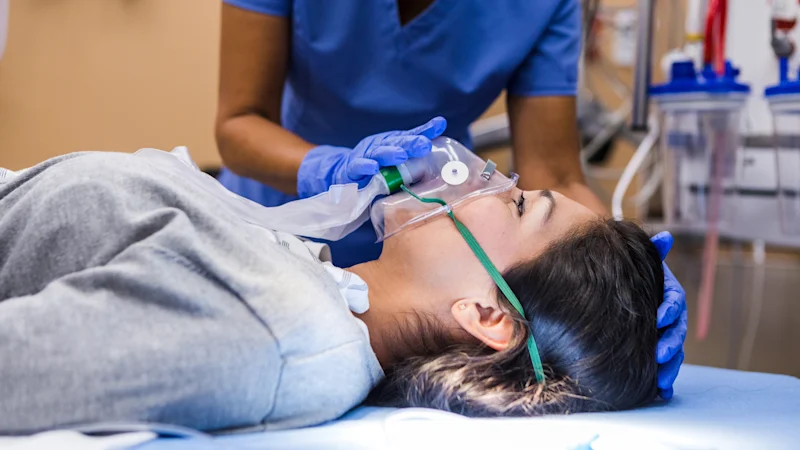
In 2008, The Washington Post reported on a devastating tragedy. A 44-year-old went into respiratory arrest following elective surgery at a physician-owned hospital in Abilene, Texas. The facility, which only provided limited healthcare services and was not a full-service hospital, did not have the capabilities to handle his medical emergency, and the staff called 911 for help. The man was taken by ambulance to a full-service hospital, but the delay may have cost him his life.
This was not an isolated incident. A subsequent federal Office of Inspector General report found that many physician-owned hospitals were ill-equipped to handle medical emergencies, putting patients at risk. In response, then-Senate Finance Committee Chairman Max Baucus (D-Mont.) and Sen. Chuck Grassley (R-Iowa) wrote, "It's unbelievable that a facility that calls itself a hospital would, at times, not even have a doctor on call or a nurse on duty."
Today, there is a well-orchestrated attempt by special interests to rewrite this history and mislead American policymakers and patients about what physician-owned hospitals are and what they offer.
Some physician-owned hospitals do not meet requirements to maintain a nurse on staff 24/7. They do not always have a physician on call. They do not need to operate an emergency department or be equipped to handle all levels of medical emergencies. And they cannot treat every patient who walks through the door. They call themselves hospitals, but they fail to take on the level of care patients expect out of actual hospitals.