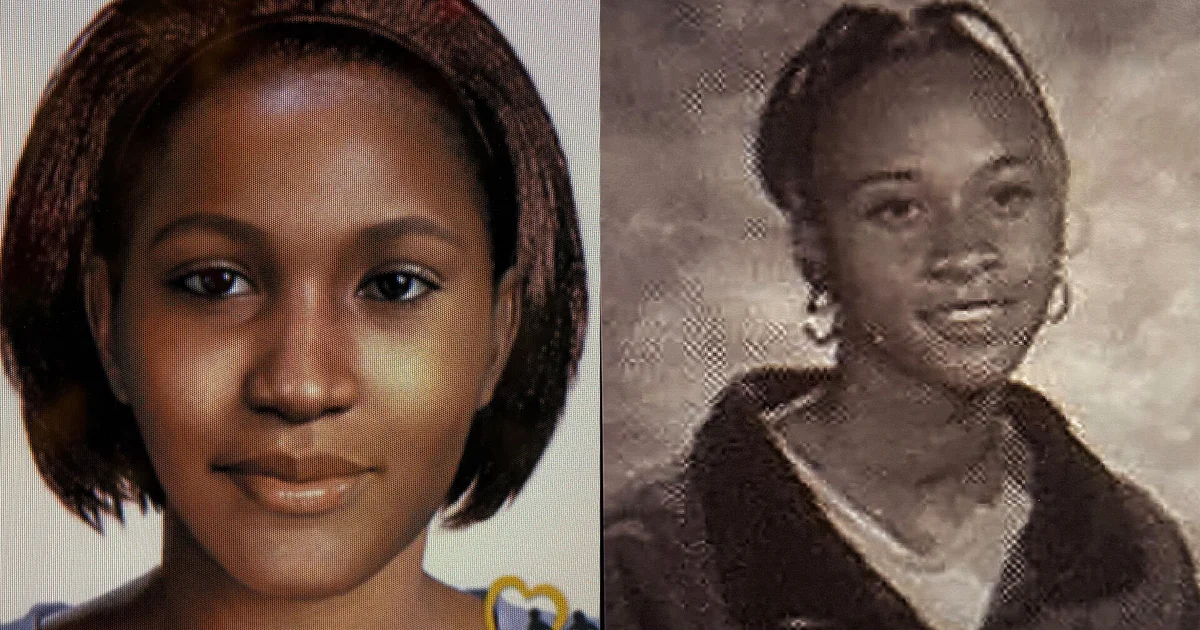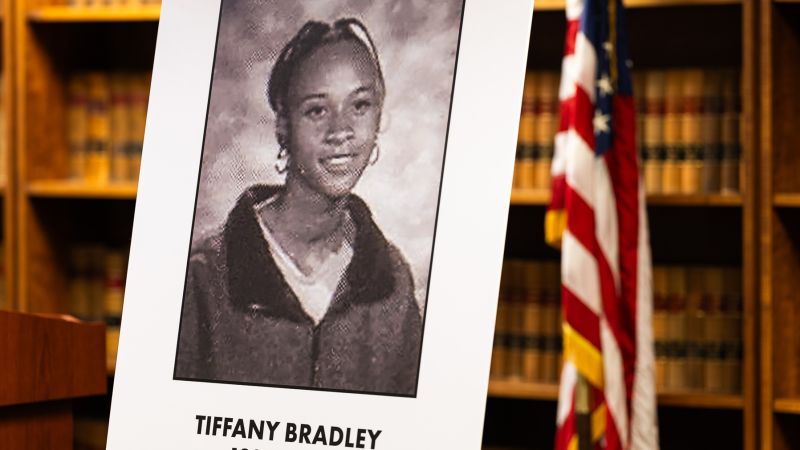
After nearly 26 years, “Chelsea Jane Doe” was finally identified by her name this summer: Tiffany Bradley. The breakthrough closed a decades long search, bringing a long-awaited resolution to a mystery that had languished unsolved.
The case was cracked using investigative genetic genealogy, a combination of DNA analysis and paper trail research that has been used over the past decade to reverse engineer a person’s identity. While the technique has typically been used to search for suspects, the same method is providing a voice to the hundreds of unnamed Jane and John Does nationwide like Bradley.
“The fact that we are here today is a miracle,” Bradley’s niece Shakirah Wiggins said. “It is totally amazing that after 26 years, people care enough to give her a name and return her to her family.”
Bradley, 16, was a joyful child with a radiant smile, her family said. She vanished in November 2000, the FBI said. Meanwhile, for decades in Chelsea, Massachusetts, roughly 300 miles away, investigators had only grim fragments of a case — the mutilated remains of a teenage girl discovered in a parking lot, just across the river from Boston, and a killer who admitted to strangling and dismembering her. The culprit was behind bars, but the victim’s identity remained out of reach, according to Chelsea police.