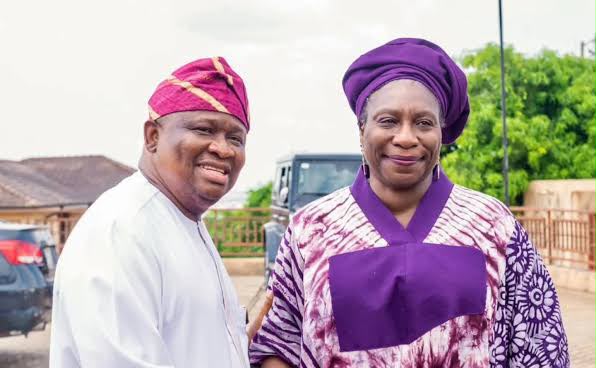
Indeed, few figures in Nigeria’s politics have cut through the noise quite like Senator Adeola, who epitomises industrial grit and now stands as a quiet model of renewal. What makes Adeola remarkable is not the flash of his campaigns or the polish of his rhetoric, but the steady, almost old-fashioned wisdom that marked him long before he ever sought higher office. Voters didn’t just elect him to his previous and current political offices. They adore the version of leadership he genuinely represents: thoughtful, substantive, and rooted in lived experience, rather than ideology.
In some obvious ways, the whole episode is sad: the situation should never have descended into insults. But in other ways, the moment revealed something fundamental: transactional politics.
In an era of sound bites, viral outrage, and performative politics, what happened between Senator Iyabo Obasanjo and Senator Solomon Olamilekan Adeola (famously known as Yayi) should not surprise us. In political optics, public altercations are rarely just personal; they are symptomatic of broader structural shifts. The political brawl may appear on the surface as another episode of viral outrage. Yet, as the electoral cycle approaches and the political temperature rises across the country, the episode serves as a clarifying lens through which to view the changing dynamics of politics and power. It is simply a friction between legacy establishment dynamics and a modern, strategy-driven ground game.